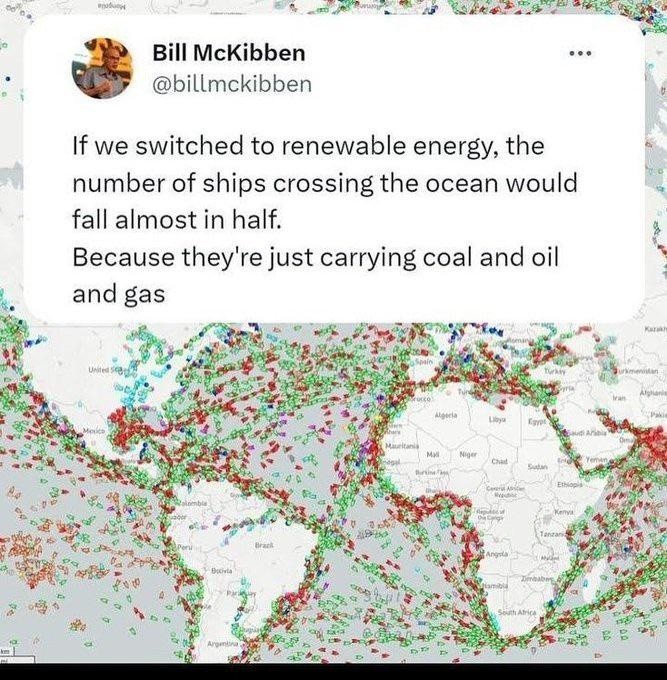
...and that would drop the amount of marine fuel needed. Compound interest.
this post was submitted on 06 Mar 2026
1122 points (99.3% liked)
Climate
9076 readers
77 users here now
Discussion of climate, how it is changing, activism around that, the politics, and the energy systems change we need in order to stabilize things.
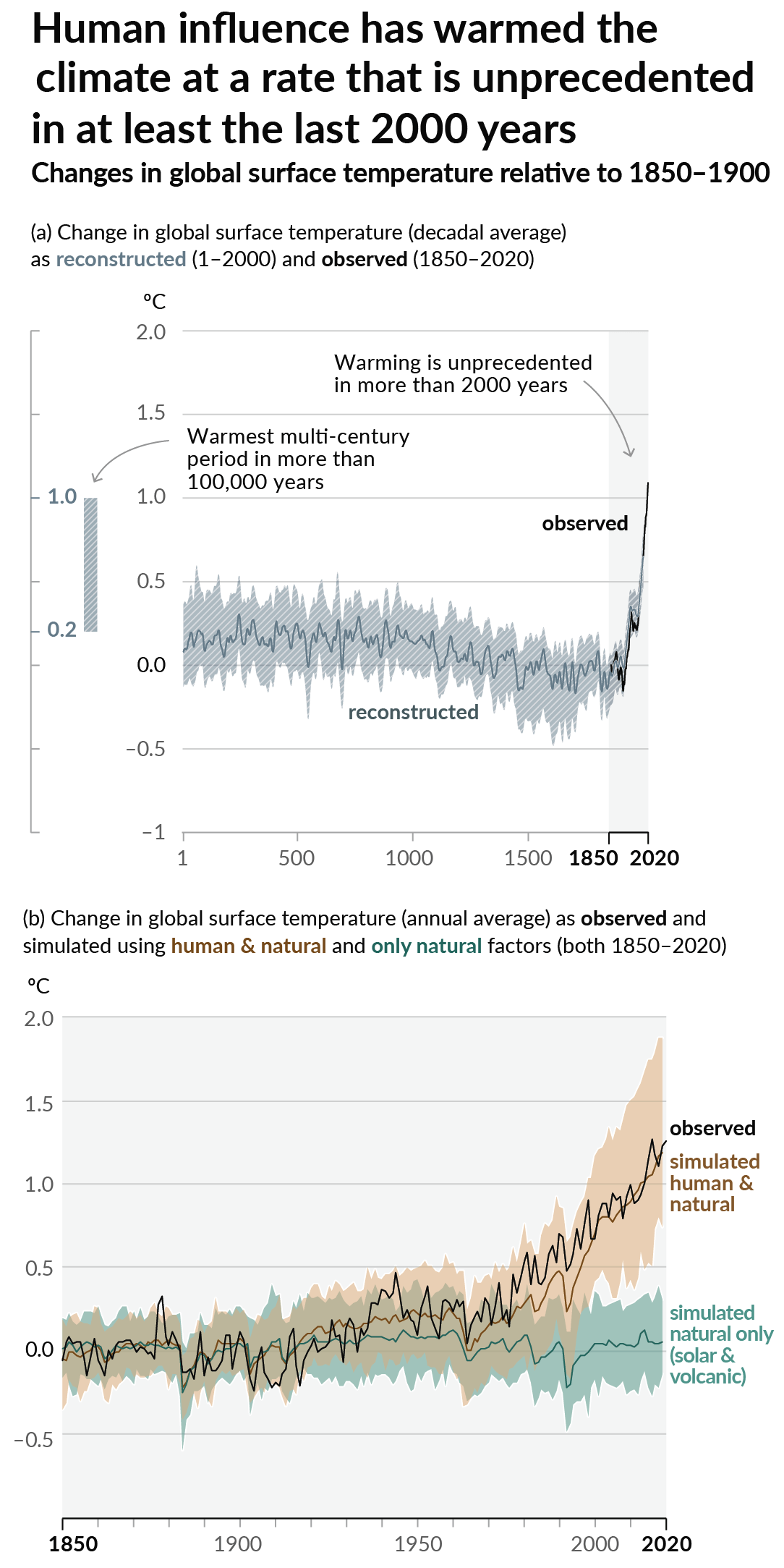
As a starting point, the burning of fossil fuels, and to a lesser extent deforestation and release of methane are responsible for the warming in recent decades:
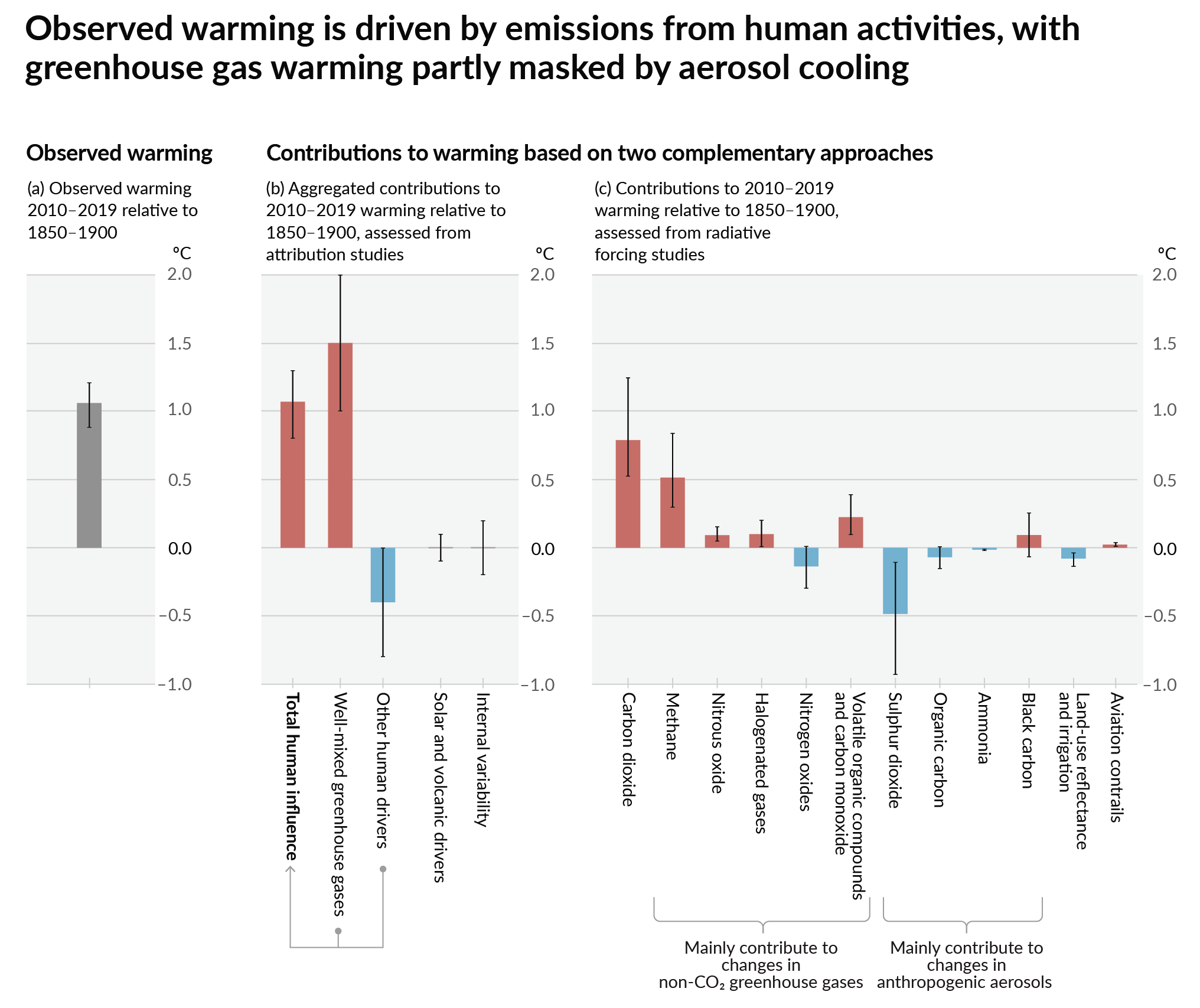
How much each change to the atmosphere has warmed the world:
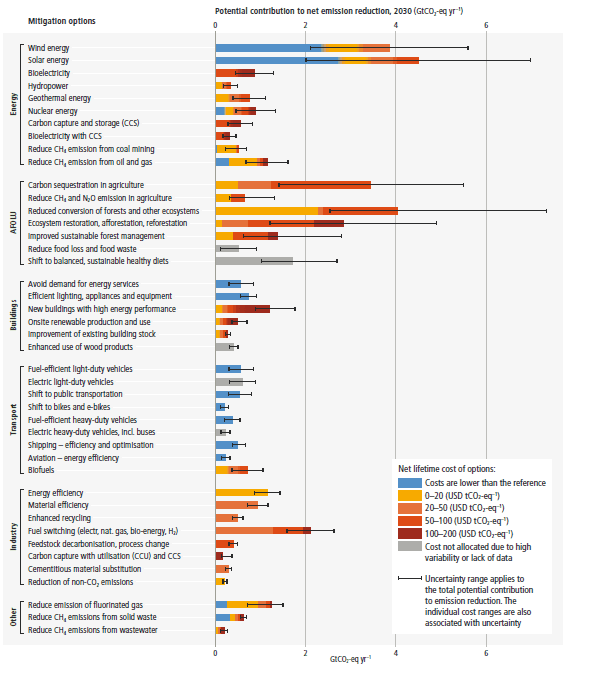
Recommended actions to cut greenhouse gas emissions in the near future:
Anti-science, inactivism, and unsupported conspiracy theories are not ok here.
founded 3 years ago
MODERATORS
which means we need to transport less fuel around, so less ships
And more unemployed seamen’s.
And more unemployed wharf whores.
I prefer my semen unemployed, thank you.
load more comments
(11 replies)
load more comments
(1 replies)
In the US, we use a lot of prime farmland to grow corn that we turn into ethanol - 30,000,000 acres. Thirty million acres!
That ethanol is combined with gas (making the gas less efficient, by the way) and powers our cars in the US.
If you look at the number of miles the ethanol powers in the US, and calculate how many acres of solar we'd need to power electric cars to go that number of miles, we'd need to convert less than a quarter of a million of those acres to solar. So let's round up from 214,000 acres to the 250,000 because... inefficiencies, or whatever.
So we could gain 29,750,000 acres of land to grow more food or whatever and stop growing corn to turn into ethanol just to burn it in our cars.
For that matter, if we wanted to use that ethanol land (JUST the land we're using for ethanol) to power ALL cars in the US, switching everyone over to electric, it would only take about two million acres. Sure, 2,000,000 acres is a lot, but that would still be freeing up TWENTY EIGHT MILLION ACRES of land we're using JUST to grow corn we turn into ethanol.
It does ignore anything like the chaos of forcing everyone to buy a new electric car, setting that infrastructure up - I'm not saying this would be easy, but it is stunning how much land we could stop abusing to grow corn to burn in our cars.
Mandating solar PV in all building codes nationwide, and incentivizing onshoring of all of the processes that go into manufacturing solar PV panels (including using trade protectionism practices such as tariffs AFTER WE ALREADY HAVE PROCESSING AND MANUFACTURING CAPABILITIES IN THE USA) will do wonders for helping average people transition away from fossil fuel Internal Combustion Engine (ICE) cars to EVs.
Many people who cry foul about EVs and renewables adding too much load to a grid that is too old and just can't handle it forget the main counter to disarm their arguments: colocating generation with utilization.
Having solar PV (and other renewable) generation closest to where that power wants to be used is the best for the grid infrastructure (maybe not the grid investors) because it reduces residential/commercial load while maintaining the needs of the original giga users of the grid: Industry.
There are solutions to SO many of today's problems. We just have politicians that are bought and sold by billionaires and their corporations who won't do the public's bidding. Voting progressive politicians in, and preferably ones who vocally claim they're Democratic Socialist or similar, is the strongest way we push back against Big Oil, Big Coal, Big Tech, and all the other mega industries.
If what you say is accurate, the other benefit would be that they wouldn't even need prime, fertile real estate.
They'd just need any space with good sun capture.
load more comments
(3 replies)
load more comments
(20 replies)
🤫pssst,
this is one of the reasons fossil isn’t replaced as fast as it could and should be
Or we could get rid of windmills and underfund solar incentives and research, occupy oil producing nations and try to drive this number higher? It's 2026 people, let's redefine what progress means! 🦅💪🎇
THR GODDAMN ENERGY FALLS FROM THE SKY FOR FREE!!!
Yes, but you can’t resell it for a profit elsewhere easily. You want us to switch to sky energy, we need a way to make the output portable so someone can make money on it. I really hate capitalism and hope this is the fall at a global level. Though if anyone was watching, China has been making the right moves towards solar and transport. If they stop oppressing their people i’ll move all my soon to be worthless USD to YUAN.
load more comments
(3 replies)
load more comments
(1 replies)
"We need the fossil fuels to get more fossil fuels to move the fossil fuels just to take the fossil-fuel thing to the fossil fuel store to get more fossil fuels!" -people that sell fossil fuels
load more comments
(11 replies)
That means fuel will continue to get more expensive as other markets switch to renewable energy sources. That in turn will reduce the number of ships which will make the fuel harder to find, which will reduce the number of products using that fuel, which will eventually result in total elimination of that market.
Unless it's officially propped up by governments at the behest of rich and powerful fossil fuel lobbies!
It's inevitable that it will end some day, but not nearly as fast as it otherwise organically would.
The big costs comes from building the infrastructure for fossil fuels. So as soon as demand falls, you have a huge part of the bill has been paid already. So you get low fossil fuel prices. You need to keep in mind that most large oil producers are state owned. Therefore those states will try to shut down other suppliers production.
You can see that already with sanctions against Russia and Iran to keep US oil producers going strong.
load more comments
(4 replies)
40 % of ships should probably be decomissioned anyway.
Imagine not having to rely on countries to pump up oil and polluting the earth by burning it.
We have the technology, but for some reason we want to rely on some other party and pay tons of money.
Renewables... And also reduction. People need to grow up and realize that driving a vanity tank for half a mile to get a gallon of milk is fundamentally unsustainable. Humanity and the planet can no longer afford to support this level of gross privilege, regardless of the "fuel" used.
load more comments
(2 replies)
Burn oil to pump oil Burn oil to refine oil Burn oil to ship oil So we can burn oil at home.
load more comments
(2 replies)
Look, you’re not thinking about the shareholders. I NEED YOU to think about the shareholders! How will they ever make their billions? You selfish bastard!
/s just in case.
Also, there would be less wars in the Middle East.
And if you could build and maintain renewable infrastructure without fossil fuels while generating an order of magnitude energy excess that'd be nice.
Also, the top energy reserves by company in the world are 5 Chinese silicon producers. 17 m² of high-efficiency solar panels (approx. 100-200 kg total) can produce the same amount of electricity in a year as one barrel of oil (135kg), and they will continue producing for 25+ years.
In these times, having solar is immunity from geopolitical extortion that applies to those dependent on feeding dinosaurs into their energy furnaces.
Not to mention all the fossil fuel used to build the ships in the first place.
There's a lot of fossil fuel burned before that steel arrives at the shipyard.
view more: next ›