this post was submitted on 06 Mar 2026
1120 points (99.3% liked)
Climate
8880 readers
352 users here now
Discussion of climate, how it is changing, activism around that, the politics, and the energy systems change we need in order to stabilize things.
As a starting point, the burning of fossil fuels, and to a lesser extent deforestation and release of methane are responsible for the warming in recent decades:
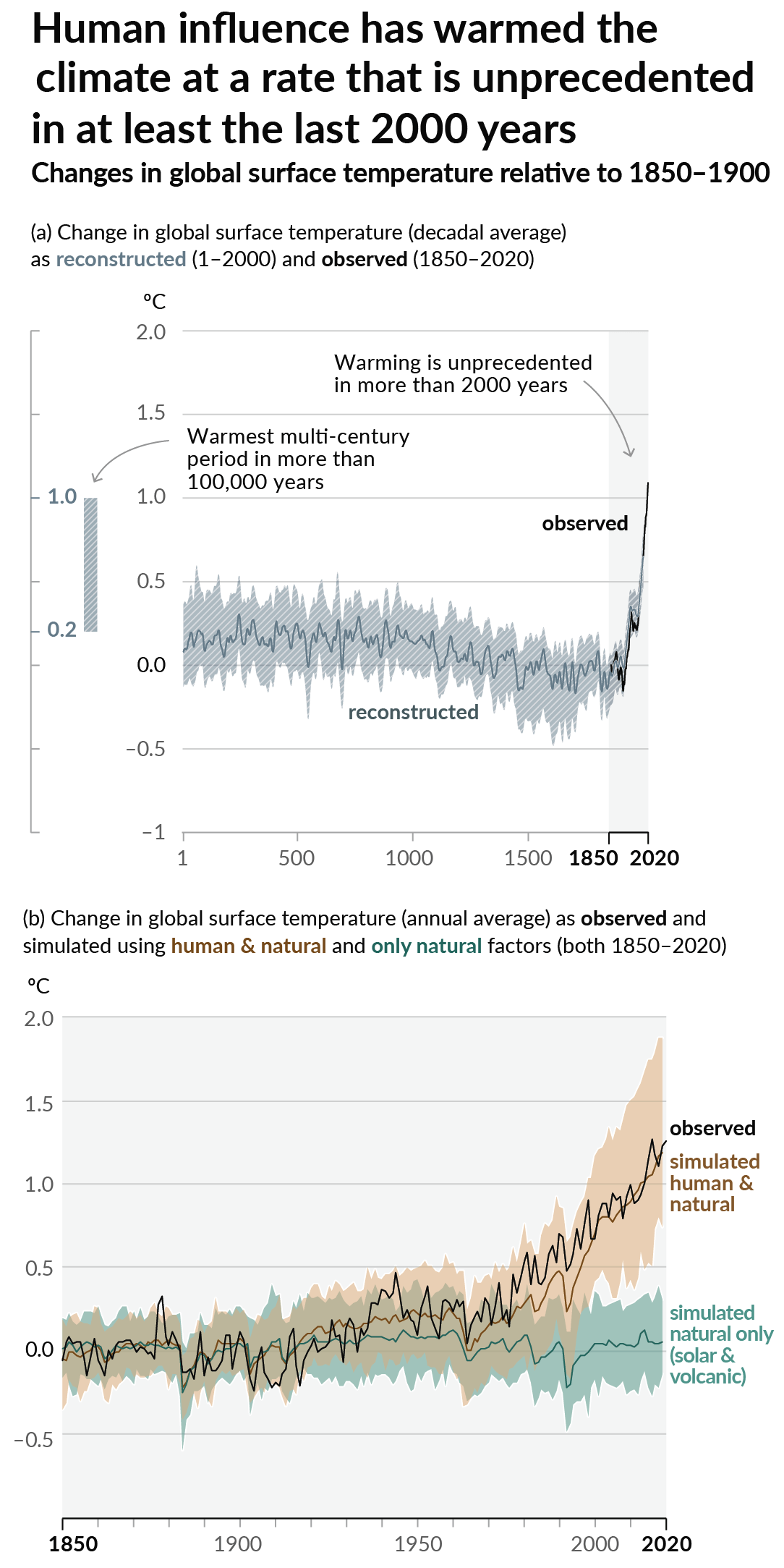
How much each change to the atmosphere has warmed the world:
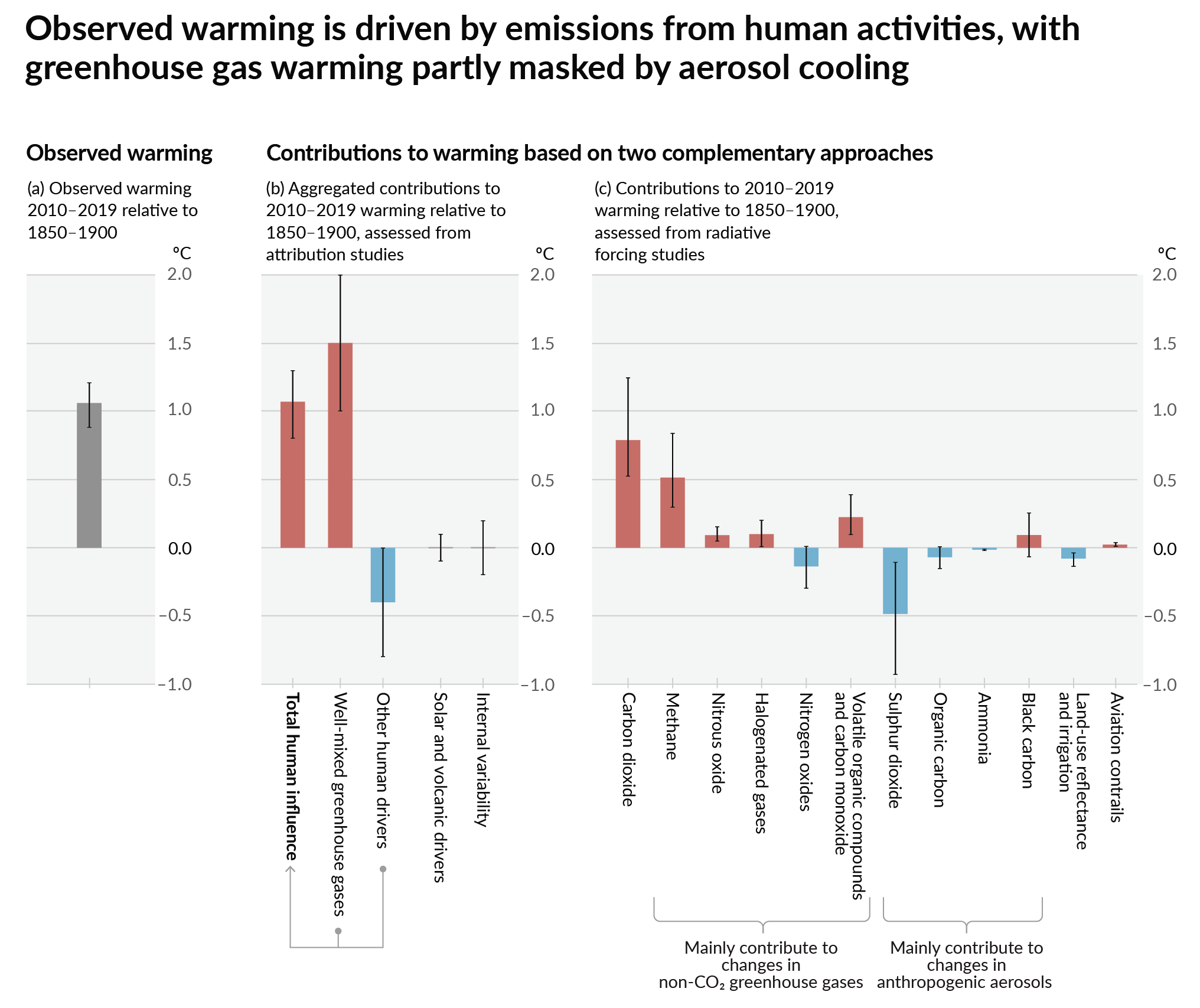
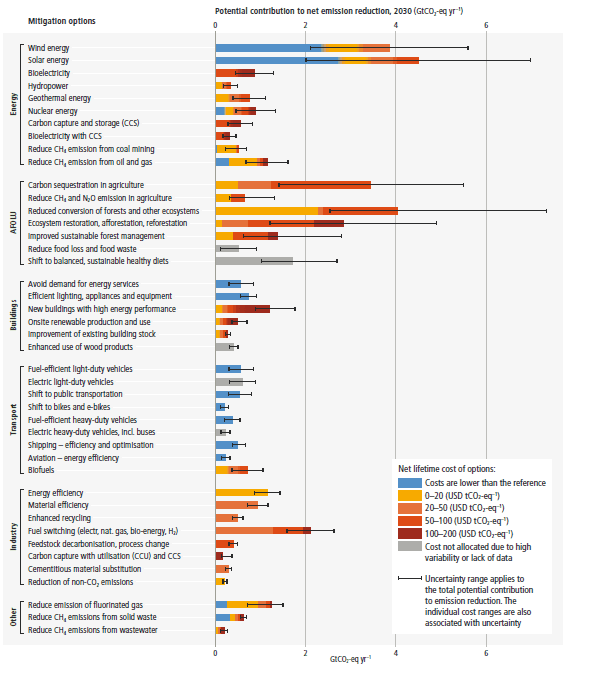
Recommended actions to cut greenhouse gas emissions in the near future:
Anti-science, inactivism, and unsupported conspiracy theories are not ok here.
founded 3 years ago
MODERATORS
you are viewing a single comment's thread
view the rest of the comments
view the rest of the comments
If what you say is accurate, the other benefit would be that they wouldn't even need prime, fertile real estate.
They'd just need any space with good sun capture.
Theres a lot of misunderstanding going on here about both corn and solar power.
Corn is not something that requires ideal or fertile real estate. People imagine corn being grown in the stereotypical midwestern river-adjacent and particularly fertile type of places, like Iowa or Ohio or whatever. The reality is that modern corn production requires a shitload of artificial nitrogen fertilization, so the actual fertility of the land is virtually unimportant. Believe it or not, Texas is actually one of the most productive places for corn farming, and in particularly hot and arid areas where you wouldnt be farming much else. More like typical ranching land, not prime farming land.
Now with solar power, at the current levels of efficiency (and unlike corn), having a cloudy day is a major killer. UV intensity at high elevation can be virtually nothing when it gets a little cloudy. Whereas on a sunny say it would be extremely high. So you need ideally somewhere that is as high altitude as possible, but where it is also sunny almost all the time. There are not a lot of places that meet that description, and even the few places that do are largely very expensive to acquire land in because people want to build houses and hotels and golf courses and whatever else in (or adjacent to) the mountains. Take Pueblo, CO, for example. It’s one of the solar hubs of the US. But its difficult to expand from there because you can either go east, down in elevation, and increase the number of cloudy days. Or you can try to go west and everything becomes exponentially more expensive the closer you get to the Rockies.
More importantly though, corn and solar production necessitate two completely different environments. No one is growing corn in Pueblo, and you wont find many solar fields in places where corn is grown effectively. Because a lot of the time people grow corn where it rains often, therefore those places have many more cloudy days in a year
If this is true then solar dominance would be very efficient for our society in your's and op's description because in this scenario, corn will still always be grown.. however, it would be marginalized to its regions that can only grow corn as you described.
I think that's what you was coveying.
A lot of diesel is used in agriculture, maybe unnecessary agriculture.
The actual benefit of solar is that it is widespread so that cloudy days are less of an issue. Obviously storing the excess is a major objective too.