otherworldly
42 readers
10 users here now
Your hub for paranormal, conspiracy, urban explore and extraterrestrial. Have fun and be nice.
founded 2 weeks ago
MODERATORS
1
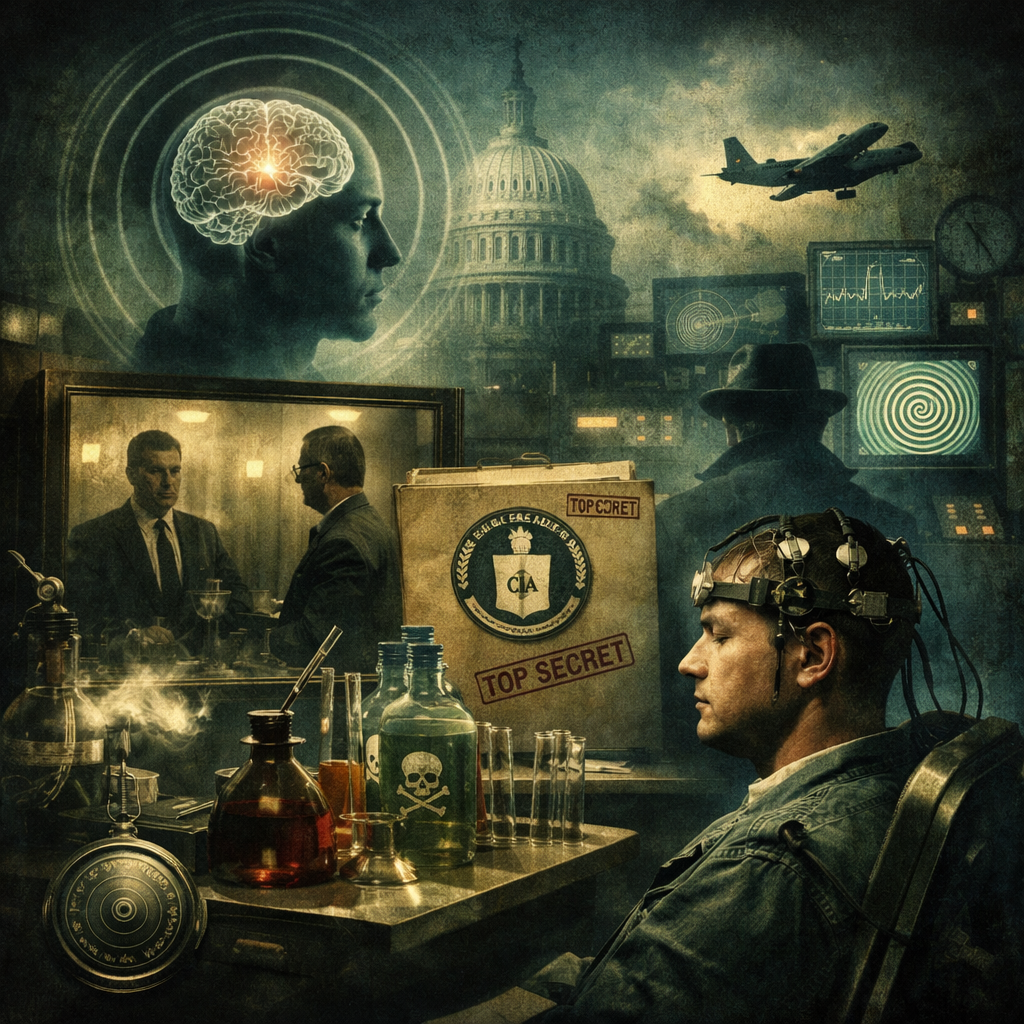
Project ARTICHOKE was a covert Central Intelligence Agency initiative formally established in August 1951 as a continuation and expansion of earlier behavioral research conducted under Project BLUEBIRD. Emerging at the height of early Cold War tensions, ARTICHOKE must be understood within a broader geopolitical atmosphere characterized by intense ideological rivalry, rapid militarization, and widespread fears of psychological warfare. American policymakers in the late 1940s and early 1950s believed that adversarial regimes—particularly the Soviet Union, the People’s Republic of China, and North Korea—were developing sophisticated techniques capable of altering belief systems, extracting secrets, and coercing behavior through psychological manipulation. The Korean War intensified these anxieties. Publicized confessions by American prisoners of war, some of whom appeared to cooperate with communist authorities, were interpreted domestically as evidence of systematic “brainwashing.” Whether these interpretations were empirically accurate or exaggerated by Cold War rhetoric, they profoundly shaped U.S. intelligence priorities. Within this context, ARTICHOKE emerged as an institutional attempt to investigate whether psychological control could be defended against, replicated, or weaponized.
Project BLUEBIRD, approved in 1950, initially focused on defensive objectives. CIA leadership sought to determine whether agency personnel could be conditioned to resist hostile interrogation and whether pharmacological or hypnotic techniques could enhance memory protection. Early memoranda reveal concern about safeguarding classified information and ensuring that captured operatives would not disclose sensitive material under duress. However, the line between defensive and offensive inquiry quickly blurred. By 1951, internal documentation shows that the program’s scope expanded to include the deliberate induction of amnesia, the exploration of behavioral modification through suggestion, and the evaluation of interrogation techniques designed to weaken resistance. The renaming of BLUEBIRD to ARTICHOKE in August 1951 symbolized this broadening mandate. Organizational responsibility shifted from the Office of Scientific Intelligence to the Inspection and Security Office, suggesting that behavioral research was becoming integrated into operational security planning rather than remaining purely exploratory science.
ARTICHOKE’s stated objectives, as later summarized in Senate investigations, included determining whether individuals could be induced to perform acts against their will, whether memory could be altered or erased, and whether interrogation effectiveness could be enhanced through the strategic use of drugs and hypnosis. The program’s internal communications frequently referenced “special interrogation” methods, a term encompassing pharmacological, psychological, and environmental techniques intended to increase suggestibility and compliance. Importantly, ARTICHOKE did not present itself internally as a quest for mystical mind control; rather, it was framed as pragmatic research into the limits of human resistance under stress and chemical influence. Nevertheless, some surviving memoranda reveal speculative ambitions that extended beyond conventional interrogation into the realm of deliberate behavioral programming.
Pharmacology formed a central pillar of ARTICHOKE research. Agency officials investigated barbiturates such as sodium pentothal, long colloquially described as “truth serums,” based on the belief that such depressants could lower inhibitions and facilitate disclosure. However, the limitations of barbiturates were well known even at the time; while they might reduce anxiety, they did not guarantee truthful responses and could increase confabulation. Consequently, ARTICHOKE personnel explored combinations of depressants and stimulants, hypothesizing that a stimulant such as amphetamine could counteract excessive sedation while preserving suggestibility. Surviving memoranda describe experimental procedures involving the administration of sodium pentothal followed by stimulant compounds, with hypnosis layered atop the drug-induced state. These combined approaches were referred to as “narco-hypnosis,” reflecting the belief that pharmacological disinhibition might deepen hypnotic responsiveness.
Hypnosis itself attracted sustained interest within ARTICHOKE. CIA officials consulted psychiatrists and psychologists to evaluate whether hypnotic induction could reliably produce compliance or memory modification. Hypnotic regression was studied as a means of eliciting past experiences, while post-hypnotic suggestion was examined for its potential to implant instructions triggered under specific conditions. Some memoranda discuss the possibility of creating amnesia barriers, whereby a subject would perform an action without conscious recall of its origin. Of particular historical note is a 1954 memorandum raising the question of whether an individual could be conditioned to carry out an assassination attempt involuntarily. Although no evidence indicates successful implementation of such conditioning, the memorandum demonstrates the speculative boundaries of ARTICHOKE inquiry. The program was not merely concerned with extracting information but also with assessing whether behavior itself could be externally directed.
ARTICHOKE also extended beyond laboratory-style experimentation into overseas operations. Declassified materials and later congressional testimony reveal that CIA teams traveled abroad to observe or participate in interrogations employing drugs and hypnosis. These activities frequently occurred in cooperation with allied intelligence services. The specific locations and numbers of subjects involved remain unclear due to incomplete records. While some documents reference volunteer participants under controlled conditions, other evidence suggests that at least some interrogations abroad may not have involved fully informed consent. The fragmented archival record complicates definitive assessment, but the possibility of coercive application has shaped subsequent ethical evaluations of the program.
The intellectual climate of the early 1950s further contextualizes ARTICHOKE. Behavioral sciences were undergoing significant transformation, with increasing interest in psychoactive substances, trauma psychology, and memory processes. Simultaneously, public discourse about communist “brainwashing” fueled perceptions that adversaries had mastered techniques of psychological conversion. American intelligence officials interpreted ideological reeducation in China and confessions in North Korea as evidence of systematic behavioral engineering. These interpretations were not always grounded in rigorous scientific analysis; nevertheless, they generated institutional urgency. The CIA sought not only to counter perceived hostile techniques but to ensure that it was not strategically disadvantaged in the psychological domain. ARTICHOKE thus reflects the intersection of emerging behavioral science and geopolitical fear.
In 1953, the CIA established Project MKULTRA, a far more expansive umbrella program encompassing numerous subprojects related to drugs, hypnosis, sensory deprivation, and interrogation techniques. ARTICHOKE overlapped with MKULTRA and was gradually absorbed into its broader structure. Many of the methods explored under ARTICHOKE continued under MKULTRA sponsorship, including experiments with hallucinogens such as LSD. Official CIA accounts later stated that ARTICHOKE ended in 1956, yet documentation after 1953 becomes sparse. The destruction of many MKULTRA-related files in 1973 under Director Richard Helms severely limits the archival record. As a result, historians must reconstruct ARTICHOKE primarily through surviving memoranda and retrospective Senate investigations.
Public awareness of ARTICHOKE emerged during the 1975–1976 investigations of the U.S. Senate Select Committee to Study Governmental Operations with Respect to Intelligence Activities, commonly known as the Church Committee. The hearings exposed the existence of BLUEBIRD, ARTICHOKE, and MKULTRA, revealing patterns of drug experimentation and interrogation research conducted without comprehensive oversight. Although MKULTRA attracted greater public attention due to its broader scope and documented use of LSD on unwitting subjects, ARTICHOKE was identified as a conceptual predecessor. Senate investigators emphasized the absence of clear legal frameworks governing such experimentation and highlighted the ethical implications of conducting behavioral research in secret.
The Church Committee’s findings underscored deficiencies in institutional accountability. Intelligence agencies operated under broad national security mandates, and behavioral experimentation was justified as a defensive necessity. However, the Senate concluded that oversight mechanisms were insufficient and that some experiments had likely violated ethical standards. The Nuremberg Code, established after World War II to regulate human experimentation, required voluntary consent and minimized harm. Whether ARTICHOKE consistently adhered to these principles remains uncertain due to incomplete documentation. Nevertheless, the ambiguity itself became a subject of criticism, reinforcing calls for greater transparency and legal constraint in intelligence operations.
Historiographically, ARTICHOKE presents formidable challenges. The destruction of records, heavy redaction, and reliance on internal memoranda complicate efforts to determine scope and effectiveness. No reliable evidence indicates that ARTICHOKE achieved consistent or replicable behavioral control. Instead, the surviving record suggests exploratory experimentation marked by inconsistent results and speculative ambitions. The program appears to have generated more questions than answers regarding the limits of pharmacological and hypnotic influence. Scholars have therefore interpreted ARTICHOKE less as a successful mind-control initiative than as an institutional response to perceived psychological threats.
The legacy of Project ARTICHOKE lies in its demonstration of how national security fears can expand the boundaries of permissible research. It reflects a period when behavioral science was viewed as a strategic frontier and when secrecy insulated experimentation from public scrutiny. By examining ARTICHOKE, historians gain insight into the dynamics of Cold War intelligence culture, the interplay between science and policy, and the ethical risks inherent in clandestine experimentation. Although the program did not produce verified breakthroughs in involuntary behavioral control, it contributed to a broader institutional framework that culminated in MKULTRA and shaped subsequent debates about government authority and human rights.
In sum, Project ARTICHOKE was an early CIA initiative focused on pharmacological and hypnotic techniques intended to influence cognition and behavior. It emerged from Cold War anxieties about brainwashing and psychological warfare, evolved from Project BLUEBIRD, overlapped with MKULTRA, and operated in a context of limited oversight. Its historical significance rests not on demonstrated success but on what it reveals about the convergence of security imperatives, emerging behavioral science, and ethical ambiguity during one of the most volatile periods of the twentieth century.
Links
Below are authoritative sources and archival materials relevant to Project ARTICHOKE and its broader context:
U.S. Senate (Church Committee) Records • Senate Select Committee to Study Governmental Operations with Respect to Intelligence Activities (1975–1976) – Hearings and reports on MKULTRA, BLUEBIRD, and ARTICHOKE https://www.intelligence.senate.gov/resources/intelligence-related-committees/church-committee
Declassified CIA Documents • CIA FOIA Electronic Reading Room (search “Project ARTICHOKE” or “Project BLUEBIRD”) https://www.cia.gov/readingroom/
National Security Archive (George Washington University) • Declassified memoranda referencing ARTICHOKE and narco-hypnosis https://nsarchive.gwu.edu/
U.S. National Archives (NARA) • Intelligence records collections, including Cold War CIA materials https://www.archives.gov/research
Inspector General Report on MKULTRA (1963, declassified portions) • CIA Inspector General’s Survey of MKULTRA (relevant overlap with ARTICHOKE) Available via CIA Reading Room or National Security Archive
Church Committee Final Report (Book I & Book II excerpts) • Government Printing Office (archival PDF copies available via official government archives)
If you’d like, I can format this in formal academic bibliography style (Chicago, APA, or MLA).
2
3
4
5
6
Off the coast of Yonaguni Island lies one of the most debated underwater formations in the world. While mainstream geology classifies it as a natural sandstone structure shaped by tectonic forces and erosion, there is a serious case to be made that it represents the remains of a submerged prehistoric city.
First, the geometry is difficult to dismiss. The formation includes flat terraces, sharply defined right angles, consistent step-like platforms, and what appears to be a massive rectangular “plaza” area. Natural fracturing can produce straight lines, but the scale and repetition here suggest intentional design. Multiple tiers resemble constructed platforms rather than random breakage. The symmetry across several levels is what raises eyebrows: nature creates fractures, but it rarely produces multi-tiered, staircase-like formations with such proportional consistency.
Second, the geological context allows for the possibility of human construction. During the last Ice Age, sea levels were significantly lower—by more than 100 meters globally. The area around Yonaguni would have been exposed land roughly 10,000–12,000 years ago. If humans occupied that region during the late Paleolithic or early Jōmon period, coastal settlements would have been logical. As sea levels gradually rose, such structures could have been submerged over centuries rather than destroyed abruptly.
Third, there are features that appear to go beyond simple fracture lines. Some researchers, including marine geologist Masaaki Kimura, have argued that certain surfaces look intentionally smoothed, and that some stone blocks appear separated from the bedrock in a way suggestive of quarrying or shaping. While these interpretations remain controversial, they introduce the possibility that natural formations may have been modified by human hands. Even partial modification would imply deliberate activity at the site.
Critics argue that no definitive artifacts—pottery, tools, inscriptions—have been recovered from the structure itself. However, coastal and marine environments are dynamic systems. Strong currents, typhoons, seismic activity, and sediment shifts can relocate or bury smaller artifacts over millennia. The absence of loose cultural debris does not automatically invalidate the presence of large-scale stone work, especially if the builders primarily used the native bedrock rather than transported materials.
Additionally, human history has repeatedly pushed back the timeline of complex behavior. The Jōmon culture of Japan dates back over 14,000 years and produced some of the world’s earliest pottery. Megalithic construction elsewhere in the world—such as Göbekli Tepe in Turkey—demonstrates that large stone architecture existed far earlier than once believed. If one region developed monumental stone traditions unexpectedly early, it is not unreasonable to consider similar experimentation in other coastal societies.
Ultimately, the argument for Yonaguni as a sunken city rests on cumulative plausibility: geometric consistency, paleo-sea-level data, possible human modification, and the growing recognition that ancient societies were more capable than previously assumed. While definitive proof remains elusive, dismissing the structure outright as purely natural may overlook a transitional possibility—that prehistoric people encountered a striking natural formation and shaped it into something more.
Until exhaustive archaeological excavation and mapping are completed, the door remains open.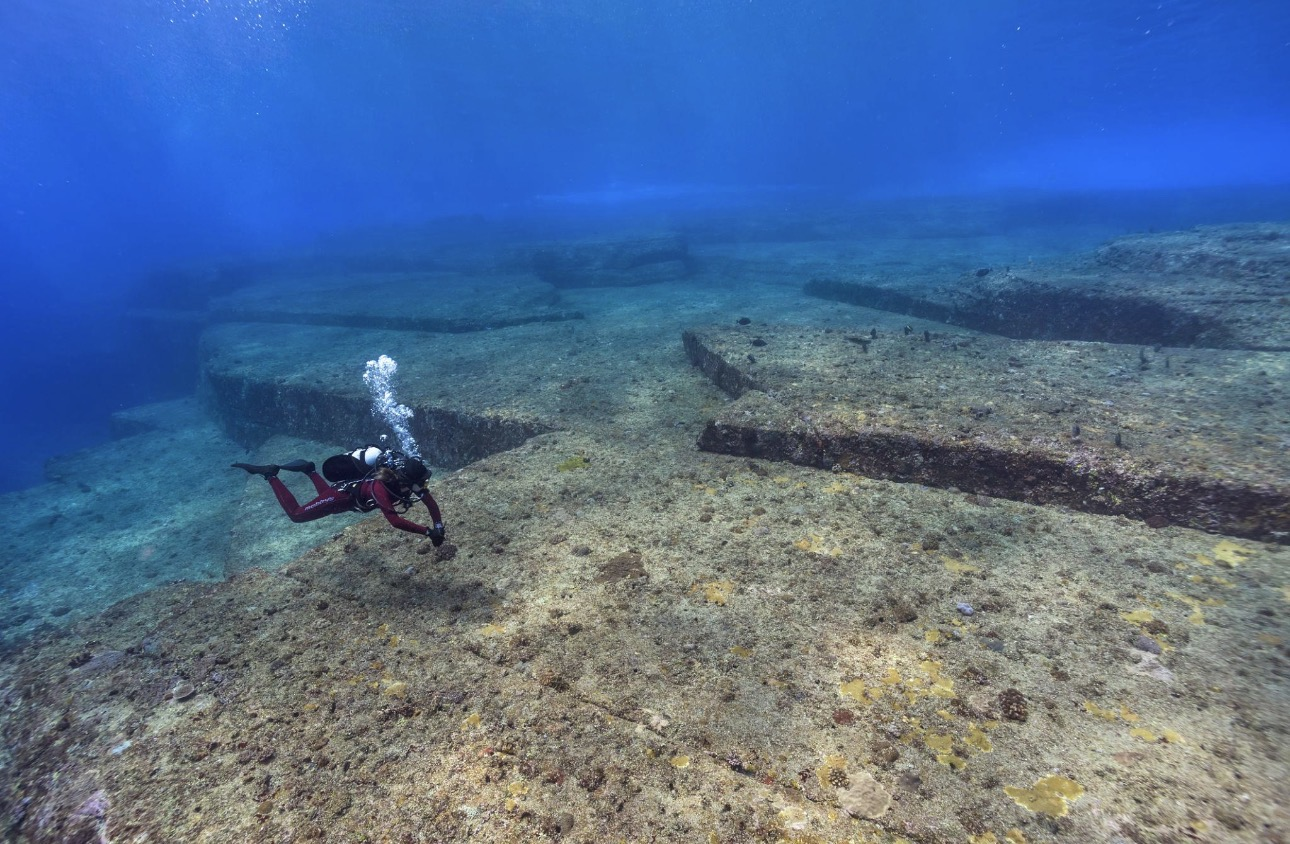

7
8
9
The “gray alien” — the small, large-headed being with black almond eyes — has become the dominant image of extraterrestrials in modern culture. If one sets aside the assumption that they are simple biological visitors from another star, two speculative frameworks often arise: that they are biomechanical entities, or that they represent a distant evolutionary or dimensional form of humanity itself.
The biomechanical hypothesis begins with constraints. Interstellar travel is hostile to fragile organic organisms. Radiation, time dilation, resource scarcity, and biological decay all make long-duration travel extraordinarily difficult. A civilization capable of mastering advanced propulsion might not rely on purely biological explorers. Instead, it could deploy engineered beings — synthetic-biological hybrids designed for durability, cognitive efficiency, and task execution. In that context, the gray form begins to look less like an evolved species and more like a functional construct.
Reports of gray aliens frequently emphasize uniformity. Witnesses describe similar height, body proportions, and facial structure across encounters. Natural evolution produces variation. Engineering produces standardization. The large cranium could signify advanced processing capacity — whether biological or artificial. The small mouth and reduced musculature suggest minimal reliance on speech and physical strength. The oversized black eyes are often interpreted as either protective lenses or sensory devices. Rather than representing aesthetic design, these traits could reflect optimization for data acquisition and survival in varied environments.
Another element often cited is emotional detachment. Many accounts portray grays as clinical, procedural, and affectively flat. That description aligns more with autonomous probes or purpose-built entities than with socially evolved mammals. In a civilization millions of years ahead of ours, biological form might become secondary to consciousness itself. Minds could be transferred into engineered bodies suited for exploration. In that sense, “grays” would not be the species — they would be tools, avatars, or manufactured intermediaries.
The alternative hypothesis is stranger: that grays are not extraterrestrial at all, but humans from another dimension or distant evolutionary future. This idea emerges from morphological parallels. Grays are bipedal, bilateral, with two arms, two legs, forward-facing eyes — a humanoid template. While convergent evolution can produce similar structures in unrelated species, the close resemblance to human anatomy invites speculation about lineage.
If human evolution continues under conditions of technological immersion and reduced physical demands, certain changes could theoretically occur over immense time scales. Increased reliance on cognitive processing and digital systems might favor larger cranial capacity and reduced musculature. If communication shifts toward nonverbal or neural interfaces, mouths and vocal structures could diminish in prominence. Large eyes could reflect adaptation to low-light environments — subterranean habitats, artificial environments, or even spacefaring conditions.
The dimensional variation of this idea suggests not linear evolution, but branching timelines. If reality includes parallel universes or higher-dimensional frameworks — concepts entertained in certain theoretical physics models — then an advanced version of humanity might interact across those boundaries. In that case, encounters would not represent alien visitation but cross-temporal or cross-dimensional contact.
Critically, both hypotheses arise from attempting to reconcile reported features with known constraints. The biomechanical model addresses technological feasibility. The future-human model addresses anatomical similarity. Neither is supported by empirical evidence; both remain speculative constructs.
What makes gray aliens enduringly compelling is that they reflect modern anxieties and trajectories. They are thin, cerebral, technologically implied beings — mirrors of our own path toward digitization and abstraction. Whether interpreted as engineered emissaries or distant descendants, the gray archetype feels less like a creature of the wilderness and more like something born from intelligence itself.

10
In the late 2000s, when YouTube was still chaotic and largely unmoderated, one of the most effective space-related hoaxes of the internet era began circulating: the so-called Apollo 20 alien woman footage. Presented as classified material from a secret lunar mission, the videos claimed that NASA — in cooperation with the Soviet Union — had landed astronauts on the far side of the Moon and discovered the remains of an extraterrestrial female inside an ancient spacecraft.
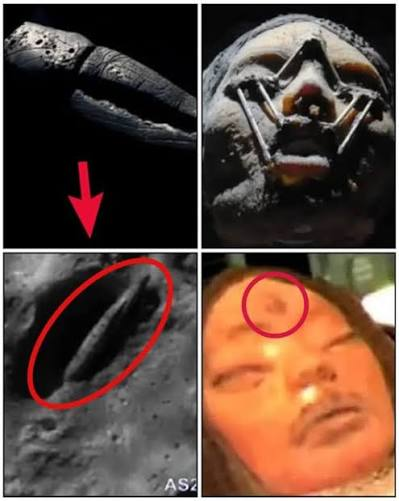
The story was structured with precision. The uploader, using the name “William Rutledge,” claimed to be a retired astronaut involved in a covert Apollo 20 mission. According to the narrative, Apollo 17 had not been the final Moon landing. Instead, hidden missions continued, culminating in the discovery of a crashed alien craft in a lunar crater. Inside that craft, astronauts allegedly found two alien bodies — one badly damaged and one preserved. The preserved figure, shown in grainy footage, became known online as the “Mona Lisa” alien.
The videos appeared convincing for several reasons. First, they incorporated real NASA archival footage — which is largely public domain — as foundational material. Familiar spacecraft interiors, authentic Apollo mission visuals, and recognizable telemetry aesthetics created a base layer of credibility. Over this, the creator layered staged inserts: dimly lit interior shots of a humanoid female figure with elongated features, visible veins, and a desiccated appearance. The editing intentionally mimicked 1960s film grain and compression artifacts, making the seams between archival material and fabricated footage harder to detect.
The alien body itself was not CGI. It was a physical prop — a carefully constructed dummy. Silicone skin, sculpted anatomical details, and surface texturing gave it a disturbing realism, especially under low lighting. The imperfections actually helped. In 2008, CGI was widespread but often looked artificial under scrutiny. Practical effects filmed in low resolution, however, tend to blend more naturally with archival-style footage. The grain and visual noise masked fine inconsistencies, allowing viewers to project authenticity onto what they were seeing.
As the videos gained traction, online forums and conspiracy communities amplified them. The Cold War backdrop made the premise feel plausible to some viewers: secret joint U.S.–Soviet cooperation, suppressed discoveries, classified space programs. The name “Apollo 20” sounded official. And because NASA missions are associated with complex technical language and obscure documentation, the average viewer lacked the tools to immediately dismantle the claim.
But the logistical flaws were obvious to anyone familiar with space history. The Apollo program officially ended with Apollo 17 in 1972. There are no records of Apollo 18, 19, or 20. A Saturn V launch cannot be hidden; the infrastructure, production chain, fuel logistics, and personnel requirements are massive and publicly documented. No funding trail exists. No astronaut rosters match the claim. No telemetry records or launch anomalies support it. A mission of that scale would leave an enormous historical footprint.
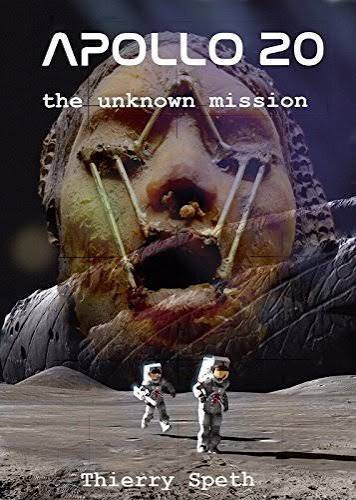
As scrutiny increased, researchers traced the origin of the footage back to a French artist and independent filmmaker commonly identified as Thierry Speth (or Thierry F. in some reporting). The “William Rutledge” persona was fictional. Eventually, the creator gave interviews acknowledging that the Apollo 20 material was a fabricated art project — speculative fiction presented in documentary style.
Crucially, in interviews he reportedly showed the physical alien dummy used in the footage. The prop, displayed outside of the dim lunar staging, made clear that the “extraterrestrial” was a studio creation. This detail collapsed the core claim: if the body exists as a practical effects model in a filmmaker’s possession, it was never recovered from the Moon.
Yet the hoax did not simply disappear. Like many viral myths, it detached from its origin. Once reposted without context, the footage circulated independently of the creator’s admission. For some believers, the filmmaker’s acknowledgment became part of the narrative — reinterpreted as a forced confession or cover story. This illustrates a common psychological pattern in conspiracy culture: once a narrative becomes emotionally compelling, contradictory evidence can be absorbed rather than rejected.
The Apollo 20 alien woman hoax stands as a textbook example of early internet myth-making. It blended authentic archival material with staged practical effects. It leveraged authority cues — NASA branding, technical jargon, Cold War secrecy. It used low resolution and grain as camouflage. And it exploited a moment in digital culture when verification mechanisms lagged behind content creation.
There was no secret Apollo 20 mission. There was no alien body on the Moon. There was, however, a skilled independent filmmaker who understood how cinematic realism, when stripped of context and uploaded into a hungry online ecosystem, could become modern folklore.
Link to video![] https://youtu.be/PiELhDFGDuI

12
5
The Invention Secrecy Act of 1951: National Security Safeguard or Barrier to Technological Progress?
(hilariouschaos.com)
The Invention Secrecy Act of 1951 sits at a difficult intersection between national security and open technological progress. Supporters argue it is a necessary safeguard in a world where scientific breakthroughs can rapidly become weapons or strategic tools. Critics, however, believe the same mechanism can slow innovation, distort markets, and — in their view — sometimes protect entrenched industries from disruption. The truth is more complex than either extreme, and understanding both sides reveals why the Act remains controversial more than seventy years after its passage.
On the positive side, the Act was born in the early Cold War, when technological superiority could determine national survival. Its primary function is simple: if a patent application contains information that could threaten national security, the government can issue a secrecy order preventing public disclosure. This matters because patents are normally published. Without secrecy protections, sensitive designs — missile guidance, cryptographic systems, nuclear engineering, advanced sensors — could become instantly accessible to foreign governments. From this perspective, the Act acts less as suppression and more as containment, buying time for careful evaluation. In certain fields, especially military and dual-use technologies, that containment has clear strategic value.
Supporters also argue the Act is not used broadly. Only a small fraction of patent filings ever receive secrecy orders, and most technological progress — including major advances in transportation, computing, medicine, and energy — proceeds openly. In principle, inventors under secrecy orders may receive compensation if the government uses their work, and orders are reviewed periodically rather than automatically permanent. From this viewpoint, the Act is a targeted instrument, not a blanket brake on innovation.
Yet the criticisms are persistent and, in some areas, compelling. The most immediate drawback is that secrecy orders can freeze development. An inventor whose work is restricted cannot publish, market, license, or attract investment around that technology. Even if compensation is possible, the commercial opportunity — often the real reward of invention — may disappear. For independent inventors and small teams, this can effectively end a project. Critics argue that when innovation is paused in this way, society may lose years or decades of potential progress.
Another issue is transparency. Decisions are made behind closed doors, often with limited explanation. Inventors may not know how long restrictions will last or whether the threat assessment is still relevant. This secrecy naturally fuels suspicion. Over time, some have speculated that the Act could be used not only for national security, but to prevent disruptive technologies from destabilizing powerful industries. Among the most common claims is that highly efficient engines or alternative energy systems were intentionally suppressed to protect the oil economy.
This belief persists partly because transformative energy breakthroughs would have enormous economic consequences. If an engine dramatically reduced fuel consumption, industries tied to extraction, refining, and distribution would face structural change. From a purely theoretical standpoint, governments sometimes do act to preserve economic stability in critical sectors. That reality feeds the perception that suppression is possible. However, hard evidence for systematic, industry-protective use of the Invention Secrecy Act — particularly against civilian fuel-efficiency technologies — remains limited. Many highly efficient engines, hybrid systems, and electric drivetrains have in fact been developed, patented, and commercialized openly over the past decades, suggesting that efficiency alone does not trigger suppression.
Still, frustration among some inventors has been real. Historically, individuals placed under secrecy orders have complained about stalled careers, lost recognition, and uncertainty surrounding their inventions. Their grievances typically focused less on protecting oil or other industries and more on the personal and professional cost of prolonged secrecy. While not all such cases involved revolutionary technology, they contributed to the broader narrative that powerful inventions can disappear from public view.
The core tension, then, is not simply secrecy versus openness, but control versus trust. Governments argue that some knowledge must be contained temporarily for safety and strategic reasons. Critics counter that prolonged secrecy risks slowing beneficial progress and concentrating technological power in institutional hands. Both positions contain truth. The Act has likely prevented sensitive military information from spreading prematurely, yet it has also, at times, delayed innovation and placed heavy burdens on individual inventors.
Whether one believes the Act has intentionally held back transformative civilian inventions often depends less on documented evidence and more on one’s view of how governments and industries behave under pressure. What can be said with certainty is that secrecy mechanisms, once created, must be monitored carefully. Used narrowly, they protect security. Used too broadly, they risk suppressing progress. The continuing debate surrounding the Invention Secrecy Act reflects that delicate balance — a balance between safeguarding the present and allowing the future to emerge.
https://www.law.cornell.edu/uscode/text/35/181 https://www.law.cornell.edu/uscode/text/35/181

13
Enceladus, one of Saturn’s icy moons, has emerged as one of the most scientifically compelling locations in the search for life beyond Earth. Once thought to be a small, frozen, and inactive world, Enceladus transformed in the eyes of scientists after observations made by NASA’s Cassini spacecraft in the early twenty-first century. Beneath its bright, reflective shell of ice lies strong evidence of a global subsurface ocean, and within that ocean may exist the fundamental conditions necessary for life. While no life has yet been detected, the possibility is grounded in serious scientific reasoning rather than speculation.
The most critical requirement for life as we understand it is liquid water, and Enceladus appears to possess it in abundance beneath its frozen exterior. Observations of towering geysers erupting from fractures near the moon’s south pole revealed plumes of water vapor and ice particles being expelled into space. Analysis of these plumes showed that they originate from a vast saltwater ocean beneath the ice crust. This ocean is kept from freezing solid by tidal heating, a process in which Saturn’s immense gravitational pull flexes the moon’s interior, generating heat through friction. The presence of stable, long-term liquid water significantly raises the moon’s potential habitability.
Equally important is the chemical environment within that hidden ocean. Cassini detected organic molecules, salts, silica particles, and molecular hydrogen within the plume material. Organic molecules provide the chemical backbone associated with life, while salts indicate prolonged interaction between water and rock. The discovery of molecular hydrogen is particularly significant because, on Earth, hydrogen serves as a key energy source for microbial life living near hydrothermal vents deep beneath the ocean floor. These vents, where heated water rises from interactions between seawater and hot rock, create chemically rich environments capable of supporting entire ecosystems independent of sunlight. Evidence suggests similar hydrothermal activity may exist on the ocean floor of Enceladus, providing both heat and chemical energy.
Energy is the third essential component for sustaining life, and Enceladus appears to possess a viable energy system through hydrothermal processes. Chemical gradients created where hot, mineral-rich water meets colder ocean water could support chemosynthesis, a biological process in which organisms derive energy from chemical reactions rather than sunlight. On Earth, such environments support primitive microorganisms that thrive in extreme darkness, pressure, and temperature variations. If life exists on Enceladus, it would likely resemble these simple, single-celled organisms, surviving in the deep ocean beneath kilometers of ice.
What makes Enceladus uniquely important among potentially habitable worlds is accessibility. The moon’s geysers continuously eject ocean material into space, allowing spacecraft to sample subsurface water without the need to drill through thick ice layers. This dramatically increases the feasibility of detecting biological signatures such as complex organic structures, unusual chemical ratios, or microscopic cellular remnants. Future missions aim to fly through these plumes with more advanced instruments capable of searching directly for evidence of life.
Although no confirmed life has yet been discovered, Enceladus represents one of the strongest candidates for extraterrestrial biology within our solar system. It possesses liquid water, complex chemistry, and a plausible energy source — the three core ingredients considered necessary for life. If living organisms do exist there, they are most likely microscopic and hidden beneath the ice, but their discovery would profoundly change our understanding of life in the universe.

14
2
Phaeton Between the Worlds: A Lost Planet, A Story of Survivors, and the Weight of Evidence
(hilariouschaos.com)
Phaeton Between the Worlds: A Lost Planet, A Story of Survivors, and the Weight of Evidence
In the long quiet stretch between Mars and Jupiter lies a band of stone and metal — the asteroid belt. To the modern eye it is debris, a scattered ring of remnants from the early solar system. But in the nineteenth century, before we understood how planets form, some astronomers saw something else entirely: the wreckage of a destroyed world.
This idea came to be known as the Phaeton Hypothesis.
The story begins in the late 1700s and early 1800s. When astronomers noticed that the spacing of planets roughly followed a pattern — often associated with the Titius–Bode rule — there appeared to be a missing world between Mars and Jupiter. In 1801, when Giuseppe Piazzi discovered Ceres in that region, it was first hailed as a new planet. Soon after, additional bodies were found: Pallas, Juno, Vesta. Instead of one world, there seemed to be many.
To some thinkers, the simplest explanation was dramatic: these objects were fragments of a once-intact planet that had shattered.
German astronomer Heinrich Wilhelm Olbers proposed in 1802 that the asteroids were debris from a destroyed planet. Later, other figures such as Johann Elert Bode lent weight to the idea by popularizing planetary spacing laws that seemed to demand a missing world. The hypothetical planet was given a name drawn from Greek myth: Phaeton — the son of Helios who lost control of the Sun’s chariot and was cast down in flames.
It was a poetic symmetry: a lost planet named after a fallen celestial driver.
For much of the nineteenth century, the hypothesis lingered as a plausible explanation. After all, what else could explain a ring of debris exactly where a planet “should” be?
Imagine, then, that Olbers was right.
Picture a world slightly smaller than Earth, orbiting quietly between Mars and Jupiter. Oceans glimmering under a thinner sun. Continents ringed with mineral-rich mountains. Perhaps a civilization advanced not in steel and combustion, but in subtle engineering — planetary magnetics, stellar observation, biological preservation. They would have watched Jupiter dominate the sky, a striped titan pulling tides through their atmosphere.
Perhaps they noticed something wrong long before the end.
Gravitational instabilities. Increasing meteor impacts. Internal stresses within the crust. Or perhaps — in a more speculative imagining — a catastrophic collision with a rogue protoplanet wandering inward from the outer system.
Their astronomers would have seen it first: a dim intruder, growing larger night by night.
And so the story continues.
Facing extinction, this civilization launches arks — not massive starships in the cinematic sense, but hardened vessels designed for survival. They carry frozen seeds, microbial cultures, DNA libraries encoded in crystalline matrices. Not conquest. Preservation.
The collision comes. The planet fractures. Oceans vaporize. The mantle ruptures. Billions perish. Debris scatters into a widening ring that will circle the Sun for billions of years.
But a handful of vessels escape.
One of them drifts inward toward a young, volatile world still cooling from its own formation — Earth.
The planet is harsh. Volcanic. Bombarded. But it has oceans forming. An atmosphere stabilizing. The survivors seed it — perhaps intentionally, perhaps simply through contamination — and their genetic vaults mingle with native chemistry. Life takes root. Over eons it diversifies. Forgets its origin. Evolves into creatures who will one day look at the asteroid belt and wonder.
It is a powerful story. Elegant. Tragic. Mythic in scale.
And it collapses under arithmetic.
Modern astronomy has weighed the asteroid belt with remarkable precision. When scientists add together the mass of all known asteroids — including the largest bodies like Ceres, Vesta, Pallas, and Hygiea — the total comes to only about 4% of the Moon’s mass.
Not 4% of Earth.
Four percent of our Moon.
That is vanishingly small.
If there had once been an Earth-sized planet between Mars and Jupiter, its mass would have been enormous — roughly 80 times the mass of the Moon. Even a Mars-sized world would have left behind far more material than we observe. There simply isn’t enough debris in the asteroid belt to account for a shattered terrestrial planet.
The numbers do not work.
Further, the asteroids themselves tell a story inconsistent with planetary destruction. They are chemically diverse — some primitive and carbon-rich, others metallic, others partially differentiated. If they had come from a single mature planet, we would expect more uniform layering signatures. Instead, they appear to be primordial building blocks — leftover material that never successfully formed into a planet at all.
The dominant modern explanation is less dramatic but more consistent with physics: Jupiter’s immense gravity prevented a planet from forming in that region. As rocky material began to clump together in the early solar system, gravitational resonances from the gas giant stirred the region violently. Collisions broke objects apart faster than they could merge. The asteroid belt is not rubble from destruction. It is a construction site where building was never allowed to finish.
There were likely large protoplanets in that region early on — embryonic worlds — but they were disrupted before reaching full planetary scale. Their fragments mixed with untouched primordial material. Over billions of years, further collisions ground everything down.
The romantic image of a blue-green world torn apart in a single apocalyptic moment does not survive gravitational modeling.
As for the idea that survivors seeded Earth — modern biology offers a simpler explanation. Life on Earth appears to share common ancestry tracing back to early microbial organisms that emerged relatively soon after the planet cooled. There is no evidence of external genetic architecture inconsistent with terrestrial evolution. While panspermia — the transfer of microbial life via meteorites — remains scientifically plausible in principle, it does not require a destroyed advanced civilization. It would require only hardy microorganisms and rocks.
The Phaeton Hypothesis, once taken seriously, is now largely historical — an instructive example of how scientific understanding evolves. Early astronomers filled gaps in knowledge with the best models available to them. As measurement improved, those models were revised.
And yet, the story persists.
It persists because it satisfies something deeper than orbital mechanics. It provides tragedy, memory, and cosmic continuity. It transforms the asteroid belt from a failed zone of accumulation into the graveyard of a world. It allows humanity to imagine itself not as an accident of chemistry, but as the heir to a forgotten civilization.
But nature does not bend for narrative symmetry.
The asteroid belt’s small total mass — roughly 4% that of our Moon — is the quiet, stubborn fact that dismantles the myth. There is simply not enough material. The debris ring is too thin. The gravitational dynamics too well understood. The chemical diversity too inconsistent.
The lost planet Phaeton almost certainly never existed as a full Earth-like world.
And yet, the hypothesis remains valuable — not as truth, but as a reminder. It shows how scientific curiosity begins with bold imagination. It demonstrates how early thinkers like Olbers tried to make sense of incomplete data. It highlights how later measurement can overturn even elegant ideas.
In the end, the asteroid belt is not a cemetery of a drowned civilization.
It is something more subtle: a fossil of planetary formation itself.
A region where a world might have been — but never was.
And sometimes, that quieter reality is more profound than any myth.

15
16
1
Voices in the Static: Spirit Boxes, Ghost Apps, and the Question of Paranormal Communication
(hilariouschaos.com)
17
The Grégory Villemin Murder (1984, France)
The killing of four-year-old Grégory Villemin is one of the most notorious unsolved crimes in French history. It happened in October 1984 in the small village of Lépanges-sur-Vologne in eastern France and became known nationwide as “L’Affaire Grégory.”
Grégory was reported missing by his mother, Christine Villemin, on the afternoon of October 16, 1984. Just hours later, his body was discovered in the Vologne River, bound hand and foot with rope. The brutality of the crime shocked the country, but what made the case truly disturbing was the long trail of harassment that had preceded it.
For years before the murder, Grégory’s father, Jean-Marie Villemin, had been targeted by an anonymous stalker known as “Le Corbeau” (“The Crow”). This person sent threatening letters and made repeated phone calls, expressing jealousy and hatred toward Jean-Marie, who had recently been promoted at work. On the day of the murder, another letter arrived, claiming responsibility: “I have taken revenge.”
The investigation quickly turned inward toward the extended Villemin family. Suspicion fell on several relatives, particularly Bernard Laroche, a cousin of Jean-Marie. A witness — Laroche’s young sister-in-law — initially told police she had seen him pick up Grégory the day of the murder. Based largely on this testimony, Laroche was arrested and charged. However, the case was fragile. The child later retracted or altered her statement, and Laroche was released from custody.
Convinced the justice system had failed, Jean-Marie Villemin confronted Laroche personally. In March 1985, he shot and killed him outside Laroche’s home. Jean-Marie was convicted of murder but received a relatively light sentence, as public opinion was divided and many believed he acted out of desperation rather than cold intent.
The case took another dramatic turn when suspicion shifted toward Grégory’s mother, Christine. Handwriting analysis suggested she might have written one of the anonymous letters. She was charged with murder in 1985 while pregnant with her second child. The accusation ignited a media frenzy, but the evidence was weak, and after years of legal struggle, all charges against her were dropped in 1993. She was officially cleared.
Despite decades of investigation, the identity of The Crow — and Grégory’s true killer — has never been definitively established. The case has been reopened multiple times, especially in the 2000s and 2010s, using modern forensic techniques. In 2017, several relatives were briefly detained again, but no conclusive prosecution followed.
What makes the Grégory Villemin case so haunting is not only the murder of a child, but the atmosphere of paranoia, family betrayal, and institutional failure surrounding it. Anonymous hatred, false leads, media pressure, and investigative missteps combined to obscure the truth. Even today, more than forty years later, France still refers to it simply as “The Grégory Affair” — a wound in the national memory that never fully closed.

18
The Yaroslavl Satanic Ritual Murders (Russia, 2008)
In the summer of 2008, authorities in the Russian city of Yaroslavl uncovered a series of killings carried out by a small group of young men involved in an underground satanist circle. The case shocked the country because the murders were not random violence—they were carried out as part of what the perpetrators described as ritual sacrifice.
The group, composed mostly of teenagers and young adults, had formed around shared obsession with occult writings, anti-Christian symbolism, and ritual practice. According to investigators and later court testimony, they believed acts of violence—especially killing—would serve as offerings to dark spiritual forces and strengthen their bond to what they saw as a higher, destructive power.
Their victims were vulnerable individuals: people they knew, people they lured, and at least one person attacked unexpectedly. Investigators reported that the killings followed deliberate ritual structure. Symbols were drawn, invocations were spoken, and the acts were framed by the perpetrators as ceremonial rather than impulsive. Some victims were killed in wooded or isolated areas chosen for symbolic meaning rather than convenience.
When authorities discovered the crimes, they uncovered physical evidence of ritual behavior: arranged objects, written material referencing satanic ideology, and coordinated participation among the group. During interrogation, several members openly described the killings as sacrificial acts meant to demonstrate loyalty and invoke supernatural favor.
The brutality of the murders—and the calm, structured way they were discussed by the perpetrators—disturbed even seasoned investigators. Psychological evaluations later suggested a mix of group reinforcement, alienation, violent fantasy, and belief distortion. The ritual framework gave the participants a sense of purpose and justification, allowing them to treat human life as symbolic currency rather than reality.
The group was arrested and prosecuted. Several members received long prison sentences. The case became one of the most widely cited modern examples of actual criminal violence carried out under explicit satanic ritual belief, rather than rumor or moral panic.
👹👹👹👹👹👹👹👹👹👹👹👹👹👹👹👹 ———— ———— ———— ———— ———— ———— ☠️☠️☠️☠️☠️☠️☠️☠️☠️☠️☠️☠️☠️☠️☠️☠️
Added notes and Edit: Yes — cannibalism was reported in the Yaroslavl case.
In the 2008 Yaroslavl satanic ritual murders, Russian investigators stated that after killing at least one victim, members of the group dismembered the body and consumed parts of it. Court materials and regional reporting at the time described this as part of what the perpetrators framed as a ritual act.
———— ———— ———— ———— ———— ———— 💀💀💀💀💀💀💀💀👹👹👹☠️☠️☠️👻👻
Side Note — Later Developments
Nikolai Ogolobyak, one of the convicted participants in the 2008 Yaroslavl ritual murder case, was later reported by multiple Russian and regional sources to have been released from prison after serving part of his sentence. According to those reports, his release was granted under a wartime pardon program in which certain prisoners were offered clemency in exchange for military service. He subsequently took part in combat operations on the Russian side during the war in Ukraine. As with many such cases, details vary by source, but the claim of pardon in connection with wartime service has been widely circulated in post-release reporting.

19
20
21
The Shakahola Forest Cult Deaths (Kenya, 2023)
In 2023, authorities in Kenya uncovered one of the most disturbing cult-related death cases in recent history in Shakahola Forest, near the coastal town of Malindi. What began as a missing-persons investigation turned into the discovery of mass graves linked to a religious group led by a self-proclaimed pastor named Paul Mackenzie.
Mackenzie led a fringe sect sometimes referred to as the Good News International Church. According to survivors and investigators, he preached that the world was ending and that true believers could reach salvation by rejecting modern society, abandoning possessions, and ultimately fasting to death in order to “meet God.” Followers withdrew from normal life, moved into isolated forest camps, and cut off contact with family and authorities.
As police began searching the forest, they discovered shallow graves scattered across a wide area. Many of the bodies showed signs of severe starvation and dehydration. Some victims were children. Others were adults who had reportedly refused food for extended periods under religious instruction. Investigators later stated that certain victims may have been forced or prevented from eating, raising the possibility of coercion rather than purely voluntary fasting.
Survivor testimony described structured ritual behavior. Followers reportedly gathered for prayer, were separated by obedience level, and were instructed to continue fasting even as their physical condition deteriorated. Some accounts claimed that guards monitored weakened members to ensure they did not break the fast. In several cases, authorities alleged that individuals who attempted to escape or eat were restrained.
As the investigation expanded, the death toll rose dramatically, eventually surpassing 400 confirmed victims, making it one of the deadliest cult-related incidents in modern history. The site itself—remote, silent, and filled with scattered graves—became central evidence of a prolonged and organized pattern rather than a single event.
Authorities charged Mackenzie and several associates with multiple crimes, including murder, terrorism-related offenses, and child cruelty. Prosecutors argued that the deaths were not random or accidental but the result of deliberate religious manipulation and psychological control. Some analysts described the situation as a form of ritualized death practice, where starvation was framed as a sacred act necessary for salvation.
Not everyone agreed on terminology. Some observers labeled it mass religious suicide, others called it cult homicide, while some described it as a hybrid—where belief, coercion, and authority combined. What made the case especially disturbing was the presence of children and the extended time period over which the deaths occurred.
The Shakahola incident drew global attention not only because of its scale but because it demonstrated how ritual belief—when fused with isolation, authority, and fear—can override basic survival instinct. Unlike ancient sacrificial rites, this was not symbolic or ceremonial in the traditional sense. It was slow, controlled, and rooted in apocalyptic conviction.
Today, the forest remains a somber reminder of the event. Investigations and court proceedings have continued, and the full psychological and social dimensions of the case are still being studied. Whether defined as ritual sacrifice, coerced starvation, or extremist religious control, the Shakahola deaths stand as one of the most severe modern examples of belief-driven mass fatality in the 21st century.


22
23
24
The Haunting of Stull Cemetery (Kansas)
One of the most famous and persistent ghost legends in Kansas centers on Stull Cemetery, a small burial ground near the town of Stull, not far from Lawrence. Over time, it has become one of the most notorious haunted locations in American folklore, surrounded by stories of apparitions, strange lights, and supernatural events.
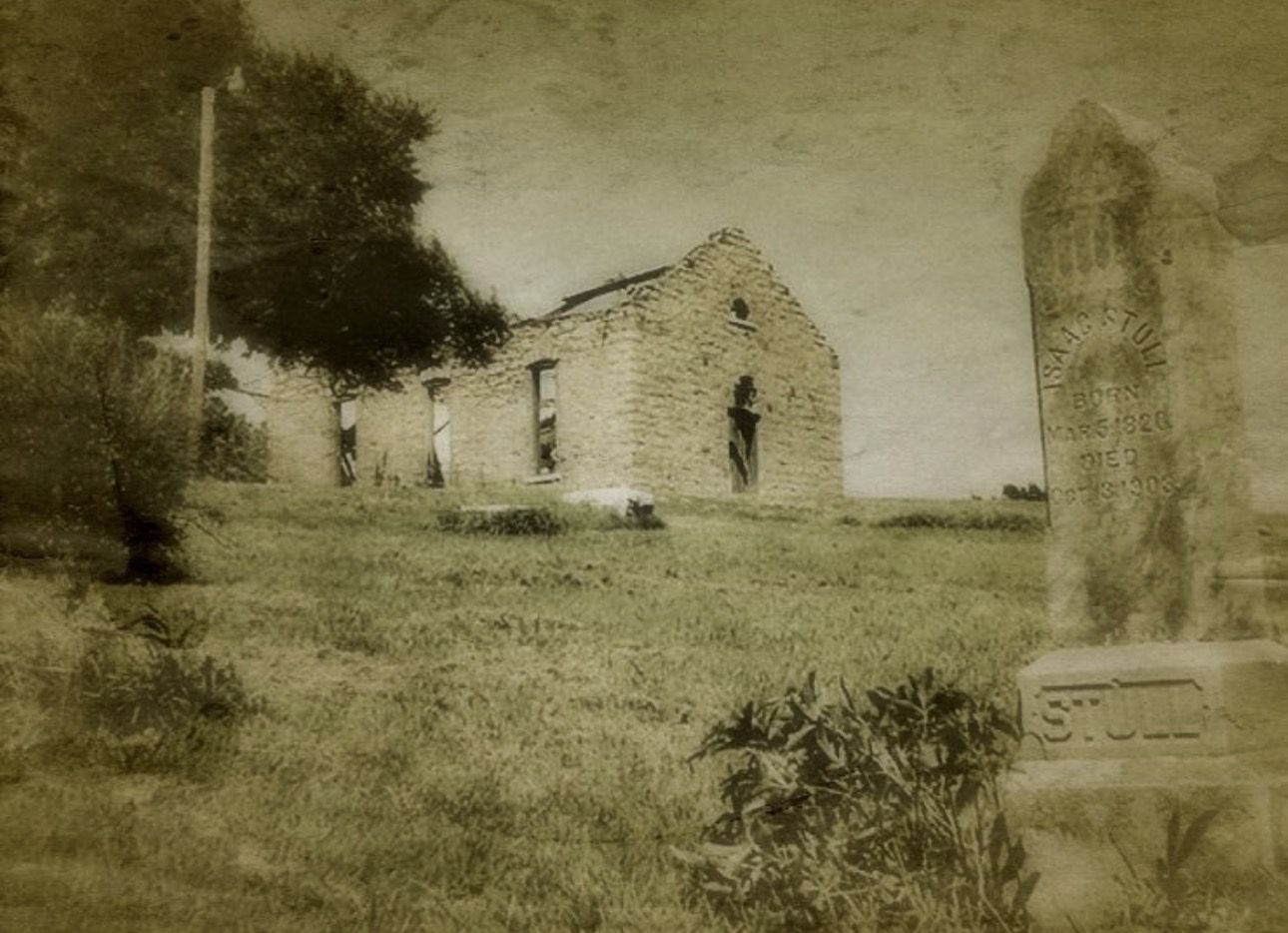
The legend began to grow in the late nineteenth and early twentieth centuries, when locals started reporting unusual occurrences around the cemetery and the nearby abandoned church. Visitors claimed to see shadowy figures moving among the graves after dark, sometimes described as tall, indistinct shapes that did not move like ordinary people. Others reported sudden drops in temperature, unexplained sounds, and the feeling of being watched even when the grounds appeared empty.
The most enduring tradition involves the ruins of the old stone church that once stood beside the cemetery. According to repeated accounts, a staircase inside the structure was said to descend into darkness and was rumored to be a gateway to something beyond the ordinary world. Though the church eventually collapsed and the staircase no longer exists, the story persisted and became central to the site’s reputation.
Another widely told account speaks of strange lights appearing over the cemetery at night. Witnesses described dim, floating glows moving slowly above the ground, sometimes pausing near specific graves before fading. These lights were not said to behave like lanterns or fire, and no clear source was ever identified. Some visitors also reported hearing faint cries, whispers, or distant voices carried on otherwise still air.
Over time, the legend expanded into darker territory. Folklore began to claim that the cemetery was a place of supernatural convergence, where unexplained forces were strongest on certain nights of the year. Stories circulated of apparitions rising from the ground, figures standing motionless near the tree line, and shadowed forms watching from beyond the reach of light. Despite the dramatic tone of these tales, most accounts describe silence and stillness rather than overt terror.
Skeptics have offered practical explanations. Wind passing through broken stone and open ground can create unusual sounds. Reflections, moonlight, and mist can distort perception in darkness. The cemetery’s isolated setting and long-standing reputation may influence what visitors believe they see. Yet the legend of Stull Cemetery has endured for generations, reinforced by repeated stories that share similar details despite being told by different people at different times.
Today, Stull Cemetery remains a real and active burial ground, and access is restricted. The land is privately owned, and visitors are not permitted to enter after dark. Even so, the story continues to circulate widely, making it one of the most recognized ghost legends in Kansas. Whether rooted in folklore, misperception, or something less easily explained, the name Stull has become inseparable from the idea of a place where silence, darkness, and memory intersect.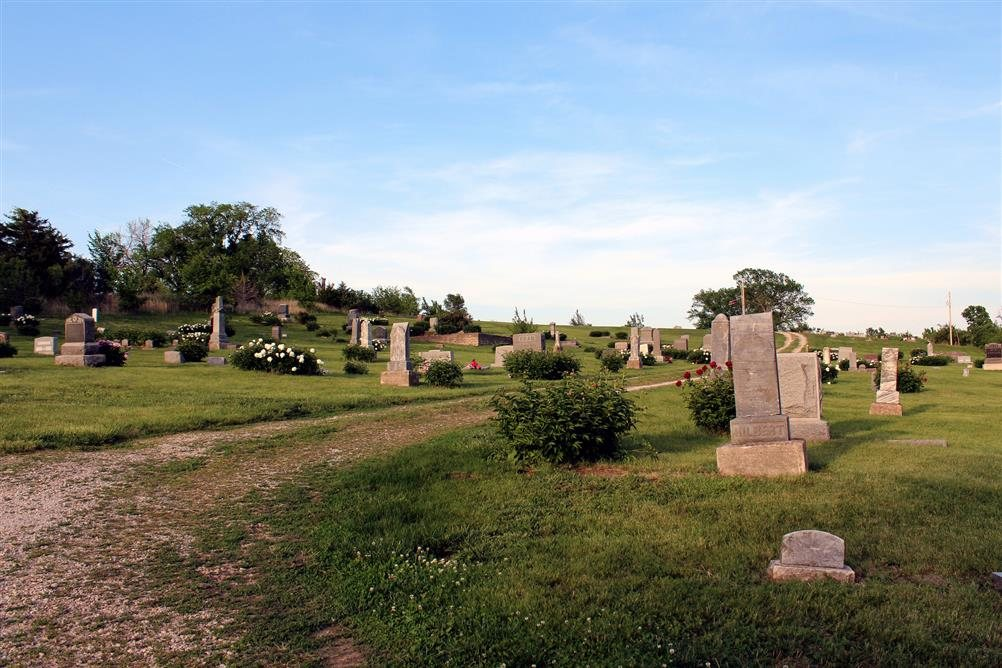
25
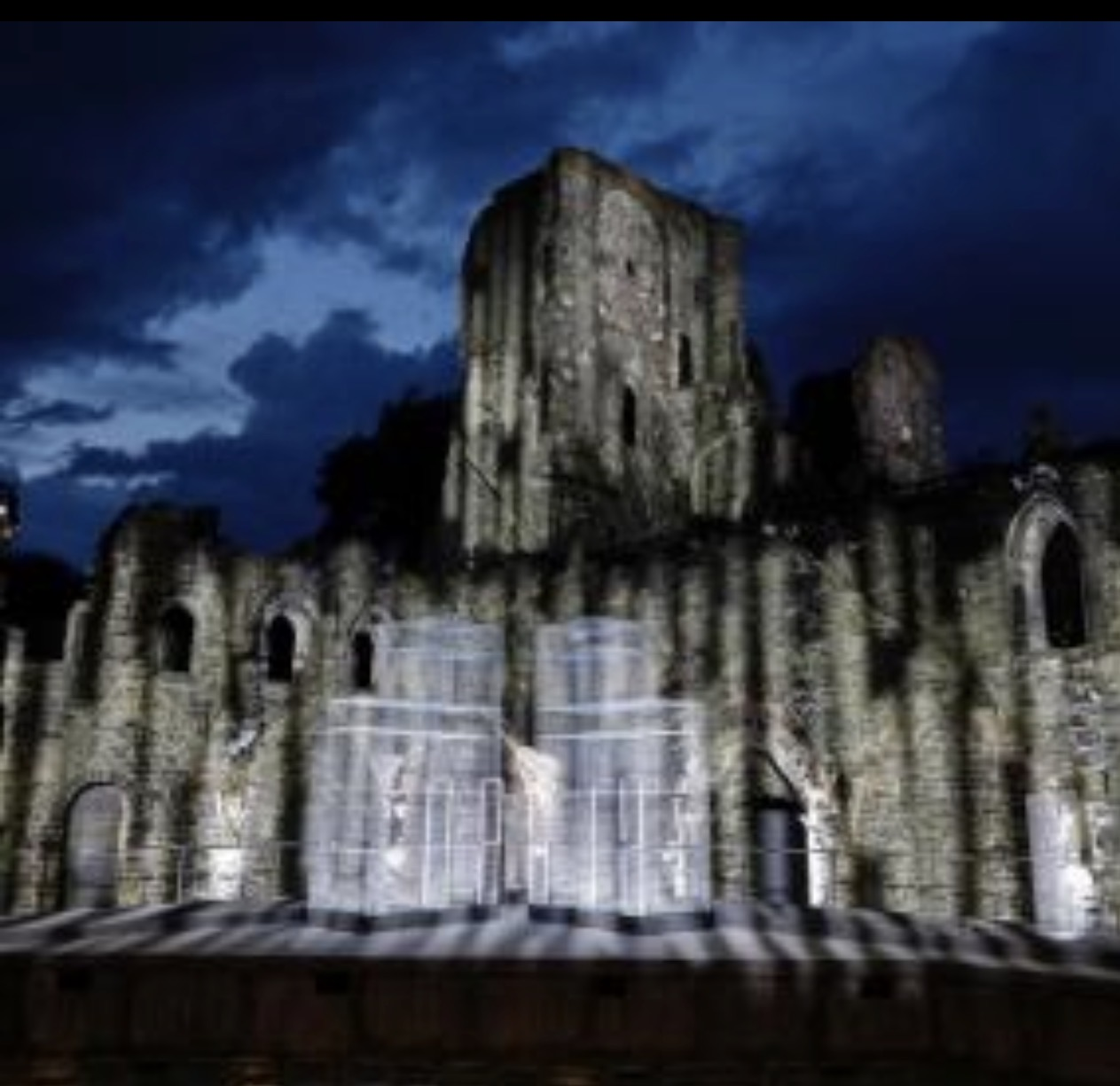
 The Ghost Monks of Villers Abbey
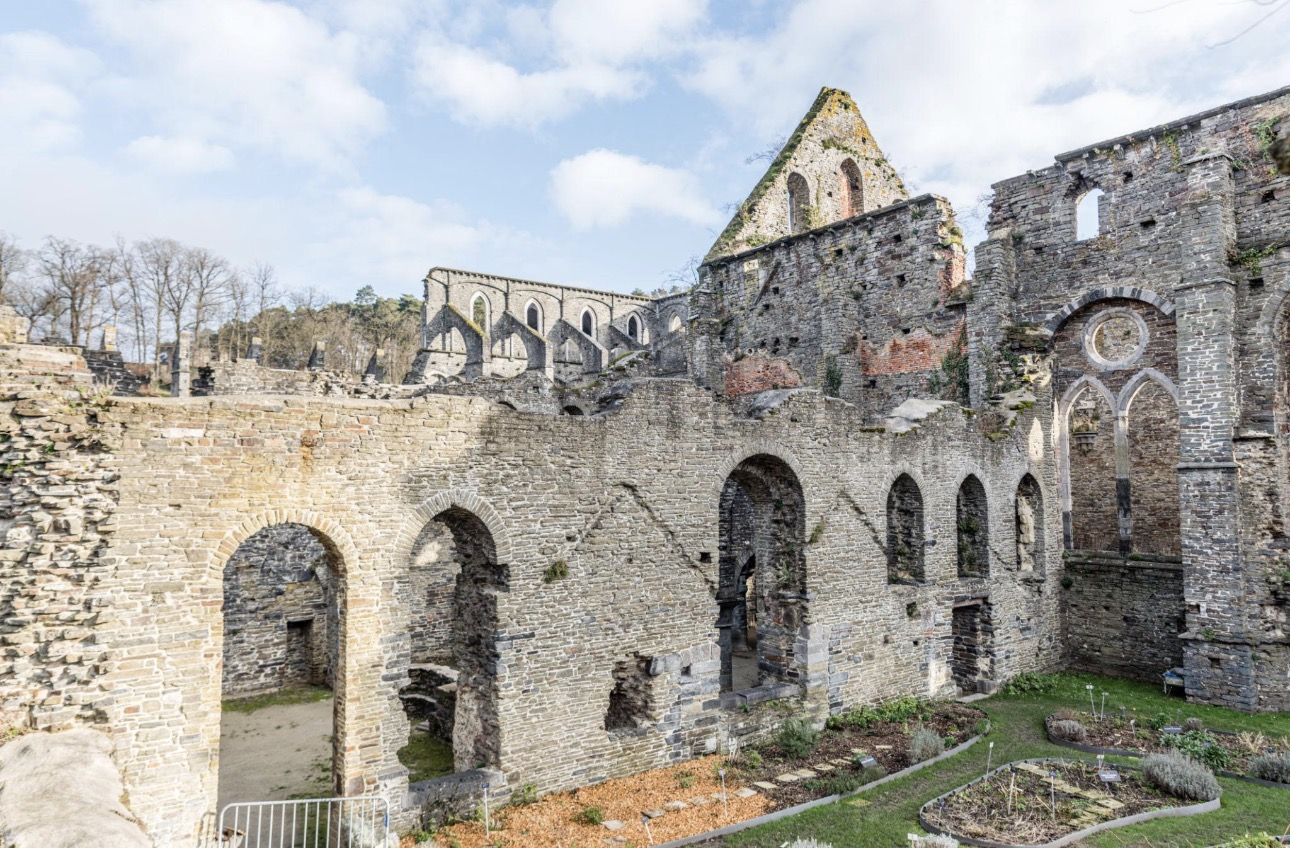
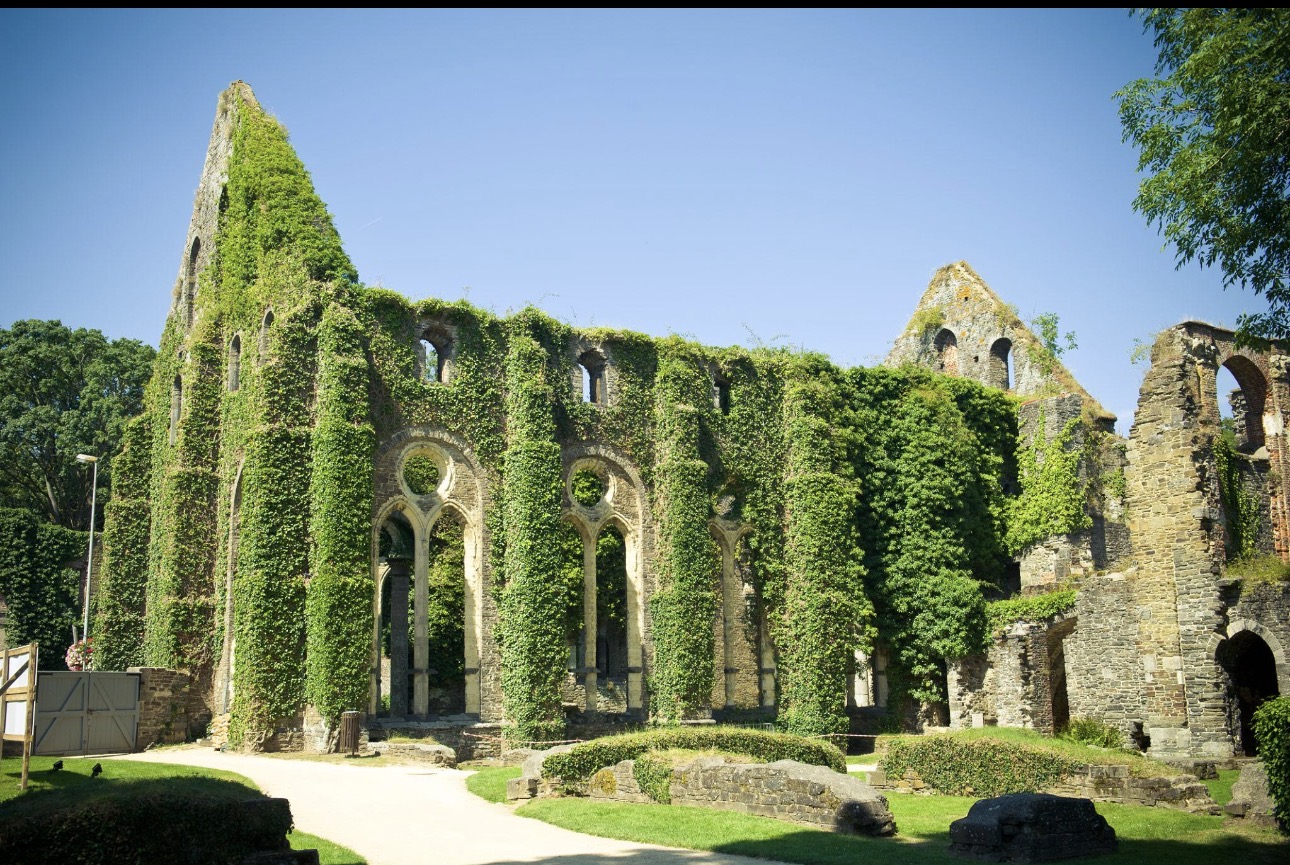
The ruins of Villers Abbey stand in the Belgian countryside like a vast skeleton of stone, open to wind, rain, and time. Founded in the twelfth century by Cistercian monks, the abbey was once a place of strict order, quiet devotion, and disciplined routine. Within its walls, generations of monks lived and died in prayer, labor, and silence. When the abbey was abandoned after the turmoil of the French Revolution, its halls fell empty, its roofs collapsed, and nature slowly reclaimed what men had built. Yet according to long-standing local tradition, something of the old life never truly left.
For centuries, villagers and travelers have spoken of figures seen moving among the ruins after dusk. These shapes are described not as fleeting shadows but as distinct forms, robed and hooded, walking slowly through the broken cloisters. They do not wander aimlessly. Instead, they appear to follow deliberate paths, tracing routes that once connected chapel, dormitory, and prayer hall. Witnesses often report that the figures seem unaware of the living, continuing their silent procession as if bound to a routine unchanged by time.
The most common account speaks of faint chanting heard when the air is still. Visitors who linger near the old church foundations sometimes claim to hear low, distant voices carried by the wind, rising and falling in tones reminiscent of monastic prayer. No language can be clearly identified, and no source is ever found. When the sound fades, the ruins return to silence, broken only by wind passing through empty arches and shattered stone.
Lights have also been reported within the abbey grounds, particularly on mist-covered nights. Small glows are said to appear deep within roofless chambers or beneath the high vaults that no longer exist. These lights do not flicker like fire or move like lanterns. They remain steady for a time, illuminating nothing, then dim and vanish. Some who have seen them describe a feeling of stillness rather than fear, as if the place itself were holding its breath.
One of the strongest traditions centers on a silent procession said to appear in autumn. According to repeated accounts, several robed figures emerge along the inner court and move slowly across the open ground. No footsteps are heard, even where gravel and loose stone cover the earth. The figures neither turn nor acknowledge any observer. They continue forward, maintaining equal distance from one another, until their forms gradually thin and disappear into darkness. There is no sudden vanishing, no dramatic break—only a slow fading, as though time itself were erasing them.
Skeptics have long offered explanations. Wind moving through the ruins can produce tones that resemble distant voices. Moonlight passing through broken arches may create shifting illusions of movement. Mist, shadow, and imagination together can shape forms where none exist. The abbey’s long history and solemn atmosphere encourage the mind to fill silence with memory. Yet even among those who doubt, the persistence of the story is notable. The same descriptions—hooded figures, faint chanting, silent movement—have appeared across generations, told by people who had never spoken to one another.
Today, Villers Abbey remains a place of quiet reflection by day and deep stillness by night. Visitors walk among fallen walls, worn stones, and the remains of cloisters where monks once passed in ordered silence. Whether the ghostly figures are echoes of memory, tricks of perception, or something less easily explained, the legend endures. The story does not claim terror or menace. Instead, it suggests continuity—the idea that certain routines, once repeated for centuries, may leave an imprint too deep to vanish entirely.
And so the ruins stand, open to sky and shadow, where wind moves through broken arches and the past is never completely silent.
view more: next ›