baconmaster

joined 2 weeks ago
MODERATOR OF
 

In the late 1970s and throughout the 1980s, few disappearance cases in New York City cast as long and unsettling a shadow as that of Etan Patz. Though he vanished on May 25, 1979, the investigation and its cultural impact defined the city for decades afterward, reshaping parenting norms and public awareness of missing children. His disappearance occurred not in isolation, but in one of the busiest and most densely populated urban environments in the United States, which is precisely what made it so disturbing.

Etan was six years old when he left his family’s apartment in SoHo to walk two blocks to his school bus stop. It was the first time his parents had allowed him to make the short trip alone. The route was simple and familiar. It was morning. Businesses were open. Commuters were on the streets. Within minutes, however, he was gone. He never boarded the bus. No confirmed witnesses placed him at the stop. Despite searches, interviews, and extensive media attention, no body or definitive physical evidence was found.

The apparent ordinariness of the circumstances heightened the strangeness. This was not a remote park or an abandoned industrial zone. It was lower Manhattan in daylight. The distance from his home to the bus stop was negligible. The idea that a child could vanish completely within such a confined, active space unsettled New Yorkers in a way few crimes had before. It challenged assumptions about urban visibility and collective safety. If a child could disappear in SoHo during morning rush hour, then perhaps no public space was inherently secure.

The case quickly expanded beyond a local investigation. Etan became one of the first missing children featured on milk cartons, a practice that spread nationwide in the 1980s. His image became emblematic of a broader social shift: increased awareness of child abduction and a growing anxiety among parents about allowing children independence. In many ways, the era of children freely navigating city neighborhoods alone diminished after his disappearance. The case transformed not only policing but everyday family life.

For years, investigators focused on various suspects, including a local man named Jose Ramos who had connections to acquaintances of the Patz family. Despite suspicion and circumstantial leads, no charges were filed. The absence of physical evidence complicated every theory. The case remained officially unsolved for decades, and its mystery deepened as time passed. The lack of closure contributed to its aura; it felt less like a crime with a missing piece and more like a blank space in the urban fabric.

In 2012, more than thirty years after Etan vanished, a former bodega worker named Pedro Hernandez confessed to luring the boy into a basement and killing him. Hernandez was later convicted in 2017. However, the resolution did not entirely dispel the case’s lingering ambiguity. No remains were ever recovered. There was no forensic evidence linking Hernandez directly to the crime scene. His confession, given decades after the event, raised questions about reliability and memory. While the legal system rendered a verdict, some observers continued to view the case through the lens of unresolved uncertainty.

What ultimately makes the disappearance of Etan Patz so enduringly strange is not simply the crime itself, but the way it exposed vulnerabilities in the urban landscape. The event occurred in a place defined by density and constant motion, yet produced an absence so complete that it seemed almost implausible. Even with a conviction, the lack of physical closure leaves a lingering sense of incompleteness.

The case stands as both a historical turning point and a haunting reminder that even in the most populated environments, moments can slip beyond witness and explanation. In that sense, Etan Patz’s disappearance remains embedded in New York’s collective memory—not only as a tragedy, but as a rupture in assumptions about visibility, safety, and the reliability of public space.


In recent years, the public conversation surrounding unidentified aerial phenomena (UAP), commonly referred to as UFOs, has shifted from fringe speculation to a more structured, institutional dialogue. Congressional hearings, declassified military videos, and official Pentagon reports have contributed to a growing perception that the subject warrants serious attention. Within this evolving landscape, independent filmmakers such as James Fox have played a significant role in shaping public awareness. Through documentaries like The Phenomenon, Fox has presented testimony from military personnel, researchers, and individuals who claim insider knowledge of classified programs. One such figure who has appeared in disclosure-related media is Jason Sands. His presence illustrates a recurring dynamic within contemporary UFO discourse: the tension between testimonial claims and verifiable evidence.

Jason Sands has been presented in interviews as an individual claiming proximity to classified aerospace or crash-retrieval programs involving non-human technology. In these appearances, he has described alleged awareness of secret projects and advanced craft beyond publicly acknowledged capabilities. Such claims resonate strongly within segments of the disclosure community, particularly in an era when high-profile whistleblowers have asserted the existence of hidden UAP programs. However, the central issue in evaluating figures like Sands is not whether the broader UFO question is legitimate, but whether specific claims are substantiated by independently verifiable evidence.

Modern UAP discourse now includes multiple credibility tiers. At the highest tier are individuals who testify under oath before Congress, submit protected whistleblower complaints to inspectors general, or provide documentation reviewed by investigative bodies. These cases create a formal record. They generate paper trails, legal accountability, and potential consequences for false statements. The presence of sworn testimony or corroborating documentation does not automatically validate extraordinary claims, but it situates them within an institutional framework subject to scrutiny.

By contrast, figures who appear primarily in documentaries, podcasts, or interviews without accompanying documentation occupy a different evidentiary category. Their accounts may be detailed and confidently delivered, yet they remain testimonial rather than documented. As of publicly available information, Jason Sands falls into this latter category. There are no publicly accessible Department of Defense employment confirmations linking him to specific classified programs. There are no declassified documents bearing his name in relation to crash retrieval initiatives. There has been no sworn congressional testimony or inspector general complaint publicly associated with him. In the absence of such verification, his statements remain anecdotal.

This distinction matters because UFO discourse has historically been shaped by charismatic testimony without evidentiary support. Throughout the twentieth century, numerous individuals claimed insider knowledge of secret alien technology, underground facilities, or reverse-engineering programs. While some of these narratives influenced public imagination, they often lacked corroborating documentation. Over time, the credibility of the field suffered precisely because of its reliance on unverified personal accounts. The contemporary disclosure movement seeks to distinguish itself from that legacy by emphasizing documentation, institutional acknowledgment, and cross-corroboration.

Filmmakers like James Fox operate at an intersection between journalism and narrative storytelling. Documentaries are structured to engage audiences, present compelling testimony, and highlight unresolved questions. Including individuals who assert insider knowledge can add dramatic weight to a production. However, documentaries do not inherently confer verification. The presence of a witness in a film does not substitute for independent validation of credentials or claims. Responsible evaluation requires separating cinematic presentation from evidentiary substance.

It is also important to recognize the psychological and cultural dimensions of disclosure narratives. Claims involving secret crash retrievals or non-human technology appeal to deeply rooted archetypes: hidden knowledge, suppressed truth, and powerful institutions concealing transformative discoveries. These themes resonate across generations and ideological divides. In a digital media environment where interviews can circulate widely without editorial gatekeeping, narratives can gain momentum independent of verification. Once repeated across podcasts, forums, and social platforms, they can acquire an aura of legitimacy through sheer repetition.

This does not imply that every unverified claim is false. It does, however, underscore the necessity of evidence-based standards. The existence of officially acknowledged unidentified aerial phenomena does not automatically validate specific crash-retrieval narratives. The documented UAP cases confirmed by the U.S. government typically involve sensor data, pilot reports, and unresolved identification questions—not confirmed extraterrestrial hardware. The gap between acknowledging anomalous aerial observations and confirming recovered alien technology remains substantial.

In assessing figures like Jason Sands, the critical questions are straightforward: Is there corroboration? Are there documents? Has any investigative body confirmed elements of the claim? Are other verifiable officials independently attesting to the same specific details? Without affirmative answers to such questions, the claims remain within the realm of testimony rather than established fact. The burden of proof in extraordinary cases is necessarily high.

The current moment in UAP discourse is historically unusual precisely because parts of the subject have entered formal governmental channels. That shift creates an opportunity for more rigorous inquiry, but it also heightens the need for discernment. The credibility of serious investigation depends on distinguishing between institutional evidence and narrative amplification. If the disclosure movement seeks lasting legitimacy, it must prioritize documentation over personality and corroboration over anecdote.

Jason Sands’ appearances in media connected to James Fox exemplify this broader dynamic. His claims, as publicly presented, have not been accompanied by verifiable documentation or formal institutional acknowledgment. As such, they should be approached cautiously, neither dismissed reflexively nor accepted uncritically. The history of UFO discourse demonstrates that testimony alone, however confident, does not constitute proof.

Ultimately, the question is not whether unidentified phenomena exist; governments have already acknowledged that some aerial observations remain unexplained. The question is whether specific individuals’ assertions about secret programs can withstand evidentiary scrutiny. Until documentation, corroboration, or official confirmation emerges, Jason Sands’ claims remain part of the testimonial layer of contemporary disclosure culture—interesting, potentially provocative, but not yet substantiated within the framework of verifiable evidence.


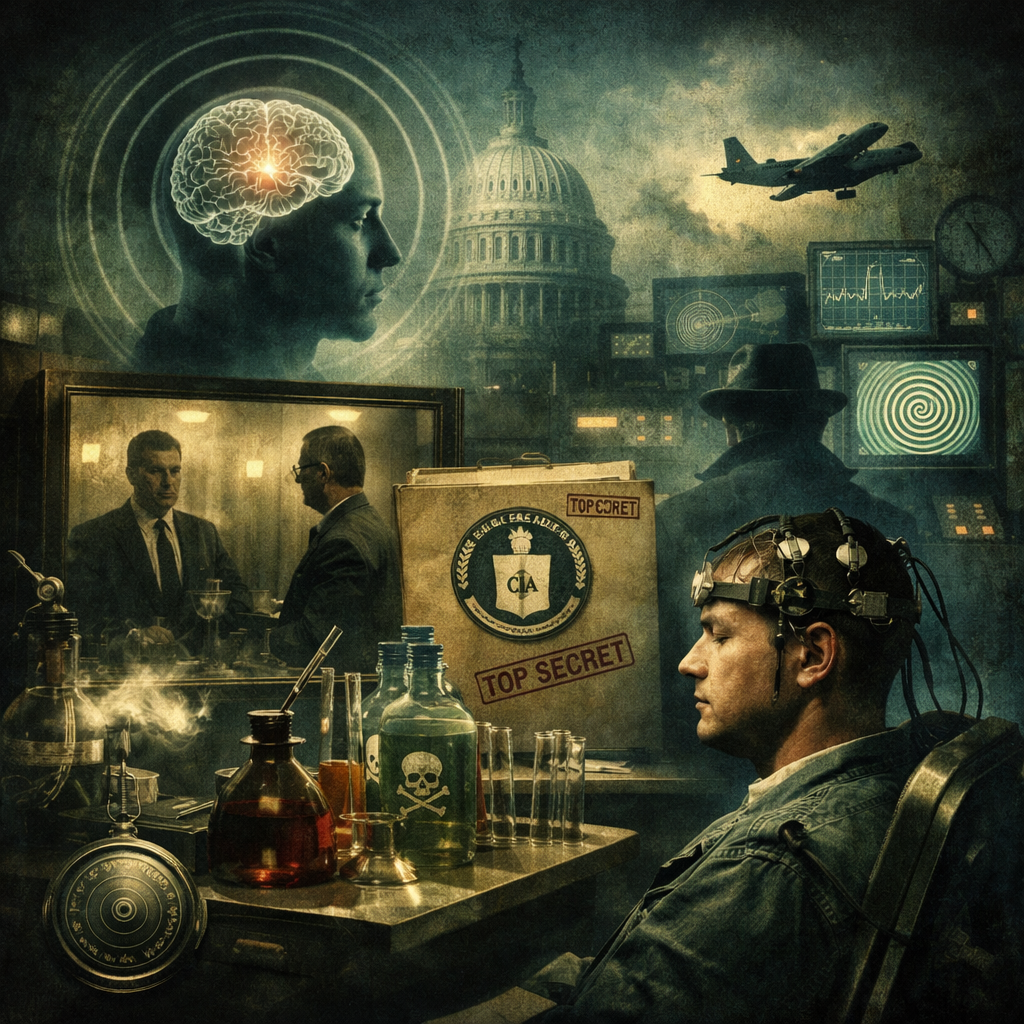
Project ARTICHOKE was a covert Central Intelligence Agency initiative formally established in August 1951 as a continuation and expansion of earlier behavioral research conducted under Project BLUEBIRD. Emerging at the height of early Cold War tensions, ARTICHOKE must be understood within a broader geopolitical atmosphere characterized by intense ideological rivalry, rapid militarization, and widespread fears of psychological warfare. American policymakers in the late 1940s and early 1950s believed that adversarial regimes—particularly the Soviet Union, the People’s Republic of China, and North Korea—were developing sophisticated techniques capable of altering belief systems, extracting secrets, and coercing behavior through psychological manipulation. The Korean War intensified these anxieties. Publicized confessions by American prisoners of war, some of whom appeared to cooperate with communist authorities, were interpreted domestically as evidence of systematic “brainwashing.” Whether these interpretations were empirically accurate or exaggerated by Cold War rhetoric, they profoundly shaped U.S. intelligence priorities. Within this context, ARTICHOKE emerged as an institutional attempt to investigate whether psychological control could be defended against, replicated, or weaponized.

Project BLUEBIRD, approved in 1950, initially focused on defensive objectives. CIA leadership sought to determine whether agency personnel could be conditioned to resist hostile interrogation and whether pharmacological or hypnotic techniques could enhance memory protection. Early memoranda reveal concern about safeguarding classified information and ensuring that captured operatives would not disclose sensitive material under duress. However, the line between defensive and offensive inquiry quickly blurred. By 1951, internal documentation shows that the program’s scope expanded to include the deliberate induction of amnesia, the exploration of behavioral modification through suggestion, and the evaluation of interrogation techniques designed to weaken resistance. The renaming of BLUEBIRD to ARTICHOKE in August 1951 symbolized this broadening mandate. Organizational responsibility shifted from the Office of Scientific Intelligence to the Inspection and Security Office, suggesting that behavioral research was becoming integrated into operational security planning rather than remaining purely exploratory science.

ARTICHOKE’s stated objectives, as later summarized in Senate investigations, included determining whether individuals could be induced to perform acts against their will, whether memory could be altered or erased, and whether interrogation effectiveness could be enhanced through the strategic use of drugs and hypnosis. The program’s internal communications frequently referenced “special interrogation” methods, a term encompassing pharmacological, psychological, and environmental techniques intended to increase suggestibility and compliance. Importantly, ARTICHOKE did not present itself internally as a quest for mystical mind control; rather, it was framed as pragmatic research into the limits of human resistance under stress and chemical influence. Nevertheless, some surviving memoranda reveal speculative ambitions that extended beyond conventional interrogation into the realm of deliberate behavioral programming.

Pharmacology formed a central pillar of ARTICHOKE research. Agency officials investigated barbiturates such as sodium pentothal, long colloquially described as “truth serums,” based on the belief that such depressants could lower inhibitions and facilitate disclosure. However, the limitations of barbiturates were well known even at the time; while they might reduce anxiety, they did not guarantee truthful responses and could increase confabulation. Consequently, ARTICHOKE personnel explored combinations of depressants and stimulants, hypothesizing that a stimulant such as amphetamine could counteract excessive sedation while preserving suggestibility. Surviving memoranda describe experimental procedures involving the administration of sodium pentothal followed by stimulant compounds, with hypnosis layered atop the drug-induced state. These combined approaches were referred to as “narco-hypnosis,” reflecting the belief that pharmacological disinhibition might deepen hypnotic responsiveness.

Hypnosis itself attracted sustained interest within ARTICHOKE. CIA officials consulted psychiatrists and psychologists to evaluate whether hypnotic induction could reliably produce compliance or memory modification. Hypnotic regression was studied as a means of eliciting past experiences, while post-hypnotic suggestion was examined for its potential to implant instructions triggered under specific conditions. Some memoranda discuss the possibility of creating amnesia barriers, whereby a subject would perform an action without conscious recall of its origin. Of particular historical note is a 1954 memorandum raising the question of whether an individual could be conditioned to carry out an assassination attempt involuntarily. Although no evidence indicates successful implementation of such conditioning, the memorandum demonstrates the speculative boundaries of ARTICHOKE inquiry. The program was not merely concerned with extracting information but also with assessing whether behavior itself could be externally directed.

ARTICHOKE also extended beyond laboratory-style experimentation into overseas operations. Declassified materials and later congressional testimony reveal that CIA teams traveled abroad to observe or participate in interrogations employing drugs and hypnosis. These activities frequently occurred in cooperation with allied intelligence services. The specific locations and numbers of subjects involved remain unclear due to incomplete records. While some documents reference volunteer participants under controlled conditions, other evidence suggests that at least some interrogations abroad may not have involved fully informed consent. The fragmented archival record complicates definitive assessment, but the possibility of coercive application has shaped subsequent ethical evaluations of the program.

The intellectual climate of the early 1950s further contextualizes ARTICHOKE. Behavioral sciences were undergoing significant transformation, with increasing interest in psychoactive substances, trauma psychology, and memory processes. Simultaneously, public discourse about communist “brainwashing” fueled perceptions that adversaries had mastered techniques of psychological conversion. American intelligence officials interpreted ideological reeducation in China and confessions in North Korea as evidence of systematic behavioral engineering. These interpretations were not always grounded in rigorous scientific analysis; nevertheless, they generated institutional urgency. The CIA sought not only to counter perceived hostile techniques but to ensure that it was not strategically disadvantaged in the psychological domain. ARTICHOKE thus reflects the intersection of emerging behavioral science and geopolitical fear.

In 1953, the CIA established Project MKULTRA, a far more expansive umbrella program encompassing numerous subprojects related to drugs, hypnosis, sensory deprivation, and interrogation techniques. ARTICHOKE overlapped with MKULTRA and was gradually absorbed into its broader structure. Many of the methods explored under ARTICHOKE continued under MKULTRA sponsorship, including experiments with hallucinogens such as LSD. Official CIA accounts later stated that ARTICHOKE ended in 1956, yet documentation after 1953 becomes sparse. The destruction of many MKULTRA-related files in 1973 under Director Richard Helms severely limits the archival record. As a result, historians must reconstruct ARTICHOKE primarily through surviving memoranda and retrospective Senate investigations.

Public awareness of ARTICHOKE emerged during the 1975–1976 investigations of the U.S. Senate Select Committee to Study Governmental Operations with Respect to Intelligence Activities, commonly known as the Church Committee. The hearings exposed the existence of BLUEBIRD, ARTICHOKE, and MKULTRA, revealing patterns of drug experimentation and interrogation research conducted without comprehensive oversight. Although MKULTRA attracted greater public attention due to its broader scope and documented use of LSD on unwitting subjects, ARTICHOKE was identified as a conceptual predecessor. Senate investigators emphasized the absence of clear legal frameworks governing such experimentation and highlighted the ethical implications of conducting behavioral research in secret.

The Church Committee’s findings underscored deficiencies in institutional accountability. Intelligence agencies operated under broad national security mandates, and behavioral experimentation was justified as a defensive necessity. However, the Senate concluded that oversight mechanisms were insufficient and that some experiments had likely violated ethical standards. The Nuremberg Code, established after World War II to regulate human experimentation, required voluntary consent and minimized harm. Whether ARTICHOKE consistently adhered to these principles remains uncertain due to incomplete documentation. Nevertheless, the ambiguity itself became a subject of criticism, reinforcing calls for greater transparency and legal constraint in intelligence operations.

Historiographically, ARTICHOKE presents formidable challenges. The destruction of records, heavy redaction, and reliance on internal memoranda complicate efforts to determine scope and effectiveness. No reliable evidence indicates that ARTICHOKE achieved consistent or replicable behavioral control. Instead, the surviving record suggests exploratory experimentation marked by inconsistent results and speculative ambitions. The program appears to have generated more questions than answers regarding the limits of pharmacological and hypnotic influence. Scholars have therefore interpreted ARTICHOKE less as a successful mind-control initiative than as an institutional response to perceived psychological threats.

The legacy of Project ARTICHOKE lies in its demonstration of how national security fears can expand the boundaries of permissible research. It reflects a period when behavioral science was viewed as a strategic frontier and when secrecy insulated experimentation from public scrutiny. By examining ARTICHOKE, historians gain insight into the dynamics of Cold War intelligence culture, the interplay between science and policy, and the ethical risks inherent in clandestine experimentation. Although the program did not produce verified breakthroughs in involuntary behavioral control, it contributed to a broader institutional framework that culminated in MKULTRA and shaped subsequent debates about government authority and human rights.

In sum, Project ARTICHOKE was an early CIA initiative focused on pharmacological and hypnotic techniques intended to influence cognition and behavior. It emerged from Cold War anxieties about brainwashing and psychological warfare, evolved from Project BLUEBIRD, overlapped with MKULTRA, and operated in a context of limited oversight. Its historical significance rests not on demonstrated success but on what it reveals about the convergence of security imperatives, emerging behavioral science, and ethical ambiguity during one of the most volatile periods of the twentieth century.

Links

Below are authoritative sources and archival materials relevant to Project ARTICHOKE and its broader context:

U.S. Senate (Church Committee) Records • Senate Select Committee to Study Governmental Operations with Respect to Intelligence Activities (1975–1976) – Hearings and reports on MKULTRA, BLUEBIRD, and ARTICHOKE https://www.intelligence.senate.gov/resources/intelligence-related-committees/church-committee

Declassified CIA Documents • CIA FOIA Electronic Reading Room (search “Project ARTICHOKE” or “Project BLUEBIRD”) https://www.cia.gov/readingroom/

National Security Archive (George Washington University) • Declassified memoranda referencing ARTICHOKE and narco-hypnosis https://nsarchive.gwu.edu/

U.S. National Archives (NARA) • Intelligence records collections, including Cold War CIA materials https://www.archives.gov/research

Inspector General Report on MKULTRA (1963, declassified portions) • CIA Inspector General’s Survey of MKULTRA (relevant overlap with ARTICHOKE) Available via CIA Reading Room or National Security Archive

Church Committee Final Report (Book I & Book II excerpts) • Government Printing Office (archival PDF copies available via official government archives)

If you’d like, I can format this in formal academic bibliography style (Chicago, APA, or MLA).

 

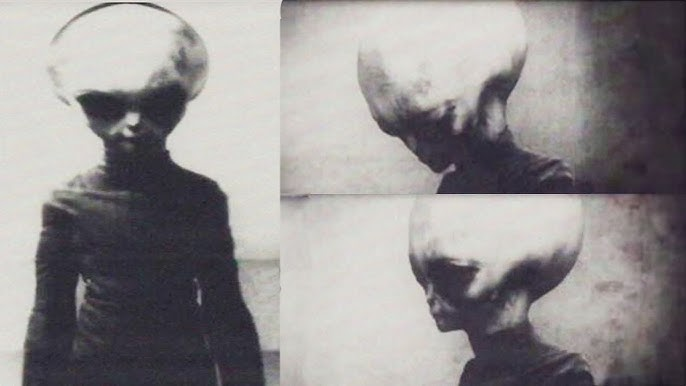
The “gray alien” — the small, large-headed being with black almond eyes — has become the dominant image of extraterrestrials in modern culture. If one sets aside the assumption that they are simple biological visitors from another star, two speculative frameworks often arise: that they are biomechanical entities, or that they represent a distant evolutionary or dimensional form of humanity itself.

The biomechanical hypothesis begins with constraints. Interstellar travel is hostile to fragile organic organisms. Radiation, time dilation, resource scarcity, and biological decay all make long-duration travel extraordinarily difficult. A civilization capable of mastering advanced propulsion might not rely on purely biological explorers. Instead, it could deploy engineered beings — synthetic-biological hybrids designed for durability, cognitive efficiency, and task execution. In that context, the gray form begins to look less like an evolved species and more like a functional construct.

Reports of gray aliens frequently emphasize uniformity. Witnesses describe similar height, body proportions, and facial structure across encounters. Natural evolution produces variation. Engineering produces standardization. The large cranium could signify advanced processing capacity — whether biological or artificial. The small mouth and reduced musculature suggest minimal reliance on speech and physical strength. The oversized black eyes are often interpreted as either protective lenses or sensory devices. Rather than representing aesthetic design, these traits could reflect optimization for data acquisition and survival in varied environments.

Another element often cited is emotional detachment. Many accounts portray grays as clinical, procedural, and affectively flat. That description aligns more with autonomous probes or purpose-built entities than with socially evolved mammals. In a civilization millions of years ahead of ours, biological form might become secondary to consciousness itself. Minds could be transferred into engineered bodies suited for exploration. In that sense, “grays” would not be the species — they would be tools, avatars, or manufactured intermediaries.

The alternative hypothesis is stranger: that grays are not extraterrestrial at all, but humans from another dimension or distant evolutionary future. This idea emerges from morphological parallels. Grays are bipedal, bilateral, with two arms, two legs, forward-facing eyes — a humanoid template. While convergent evolution can produce similar structures in unrelated species, the close resemblance to human anatomy invites speculation about lineage.

If human evolution continues under conditions of technological immersion and reduced physical demands, certain changes could theoretically occur over immense time scales. Increased reliance on cognitive processing and digital systems might favor larger cranial capacity and reduced musculature. If communication shifts toward nonverbal or neural interfaces, mouths and vocal structures could diminish in prominence. Large eyes could reflect adaptation to low-light environments — subterranean habitats, artificial environments, or even spacefaring conditions.

The dimensional variation of this idea suggests not linear evolution, but branching timelines. If reality includes parallel universes or higher-dimensional frameworks — concepts entertained in certain theoretical physics models — then an advanced version of humanity might interact across those boundaries. In that case, encounters would not represent alien visitation but cross-temporal or cross-dimensional contact.

Critically, both hypotheses arise from attempting to reconcile reported features with known constraints. The biomechanical model addresses technological feasibility. The future-human model addresses anatomical similarity. Neither is supported by empirical evidence; both remain speculative constructs.

What makes gray aliens enduringly compelling is that they reflect modern anxieties and trajectories. They are thin, cerebral, technologically implied beings — mirrors of our own path toward digitization and abstraction. Whether interpreted as engineered emissaries or distant descendants, the gray archetype feels less like a creature of the wilderness and more like something born from intelligence itself.

3
The Apollo 20 Alien Hoax (hilariouschaos.com)
 

In the late 2000s, when YouTube was still chaotic and largely unmoderated, one of the most effective space-related hoaxes of the internet era began circulating: the so-called Apollo 20 alien woman footage. Presented as classified material from a secret lunar mission, the videos claimed that NASA — in cooperation with the Soviet Union — had landed astronauts on the far side of the Moon and discovered the remains of an extraterrestrial female inside an ancient spacecraft.

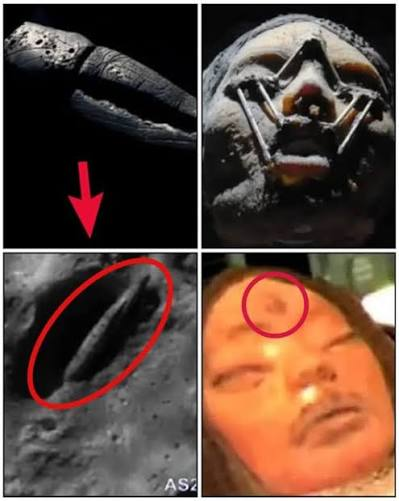
The story was structured with precision. The uploader, using the name “William Rutledge,” claimed to be a retired astronaut involved in a covert Apollo 20 mission. According to the narrative, Apollo 17 had not been the final Moon landing. Instead, hidden missions continued, culminating in the discovery of a crashed alien craft in a lunar crater. Inside that craft, astronauts allegedly found two alien bodies — one badly damaged and one preserved. The preserved figure, shown in grainy footage, became known online as the “Mona Lisa” alien.

The videos appeared convincing for several reasons. First, they incorporated real NASA archival footage — which is largely public domain — as foundational material. Familiar spacecraft interiors, authentic Apollo mission visuals, and recognizable telemetry aesthetics created a base layer of credibility. Over this, the creator layered staged inserts: dimly lit interior shots of a humanoid female figure with elongated features, visible veins, and a desiccated appearance. The editing intentionally mimicked 1960s film grain and compression artifacts, making the seams between archival material and fabricated footage harder to detect.

The alien body itself was not CGI. It was a physical prop — a carefully constructed dummy. Silicone skin, sculpted anatomical details, and surface texturing gave it a disturbing realism, especially under low lighting. The imperfections actually helped. In 2008, CGI was widespread but often looked artificial under scrutiny. Practical effects filmed in low resolution, however, tend to blend more naturally with archival-style footage. The grain and visual noise masked fine inconsistencies, allowing viewers to project authenticity onto what they were seeing.

As the videos gained traction, online forums and conspiracy communities amplified them. The Cold War backdrop made the premise feel plausible to some viewers: secret joint U.S.–Soviet cooperation, suppressed discoveries, classified space programs. The name “Apollo 20” sounded official. And because NASA missions are associated with complex technical language and obscure documentation, the average viewer lacked the tools to immediately dismantle the claim.

But the logistical flaws were obvious to anyone familiar with space history. The Apollo program officially ended with Apollo 17 in 1972. There are no records of Apollo 18, 19, or 20. A Saturn V launch cannot be hidden; the infrastructure, production chain, fuel logistics, and personnel requirements are massive and publicly documented. No funding trail exists. No astronaut rosters match the claim. No telemetry records or launch anomalies support it. A mission of that scale would leave an enormous historical footprint.

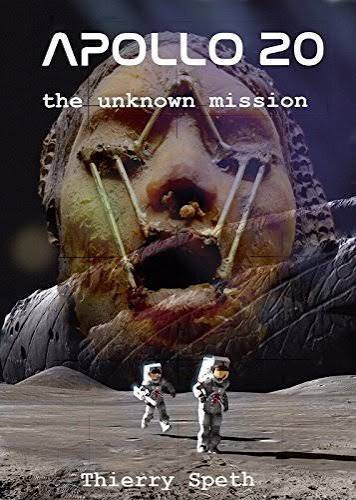
As scrutiny increased, researchers traced the origin of the footage back to a French artist and independent filmmaker commonly identified as Thierry Speth (or Thierry F. in some reporting). The “William Rutledge” persona was fictional. Eventually, the creator gave interviews acknowledging that the Apollo 20 material was a fabricated art project — speculative fiction presented in documentary style.

Crucially, in interviews he reportedly showed the physical alien dummy used in the footage. The prop, displayed outside of the dim lunar staging, made clear that the “extraterrestrial” was a studio creation. This detail collapsed the core claim: if the body exists as a practical effects model in a filmmaker’s possession, it was never recovered from the Moon.

Yet the hoax did not simply disappear. Like many viral myths, it detached from its origin. Once reposted without context, the footage circulated independently of the creator’s admission. For some believers, the filmmaker’s acknowledgment became part of the narrative — reinterpreted as a forced confession or cover story. This illustrates a common psychological pattern in conspiracy culture: once a narrative becomes emotionally compelling, contradictory evidence can be absorbed rather than rejected.

The Apollo 20 alien woman hoax stands as a textbook example of early internet myth-making. It blended authentic archival material with staged practical effects. It leveraged authority cues — NASA branding, technical jargon, Cold War secrecy. It used low resolution and grain as camouflage. And it exploited a moment in digital culture when verification mechanisms lagged behind content creation.

There was no secret Apollo 20 mission. There was no alien body on the Moon. There was, however, a skilled independent filmmaker who understood how cinematic realism, when stripped of context and uploaded into a hungry online ecosystem, could become modern folklore.

Link to video![] https://youtu.be/PiELhDFGDuI


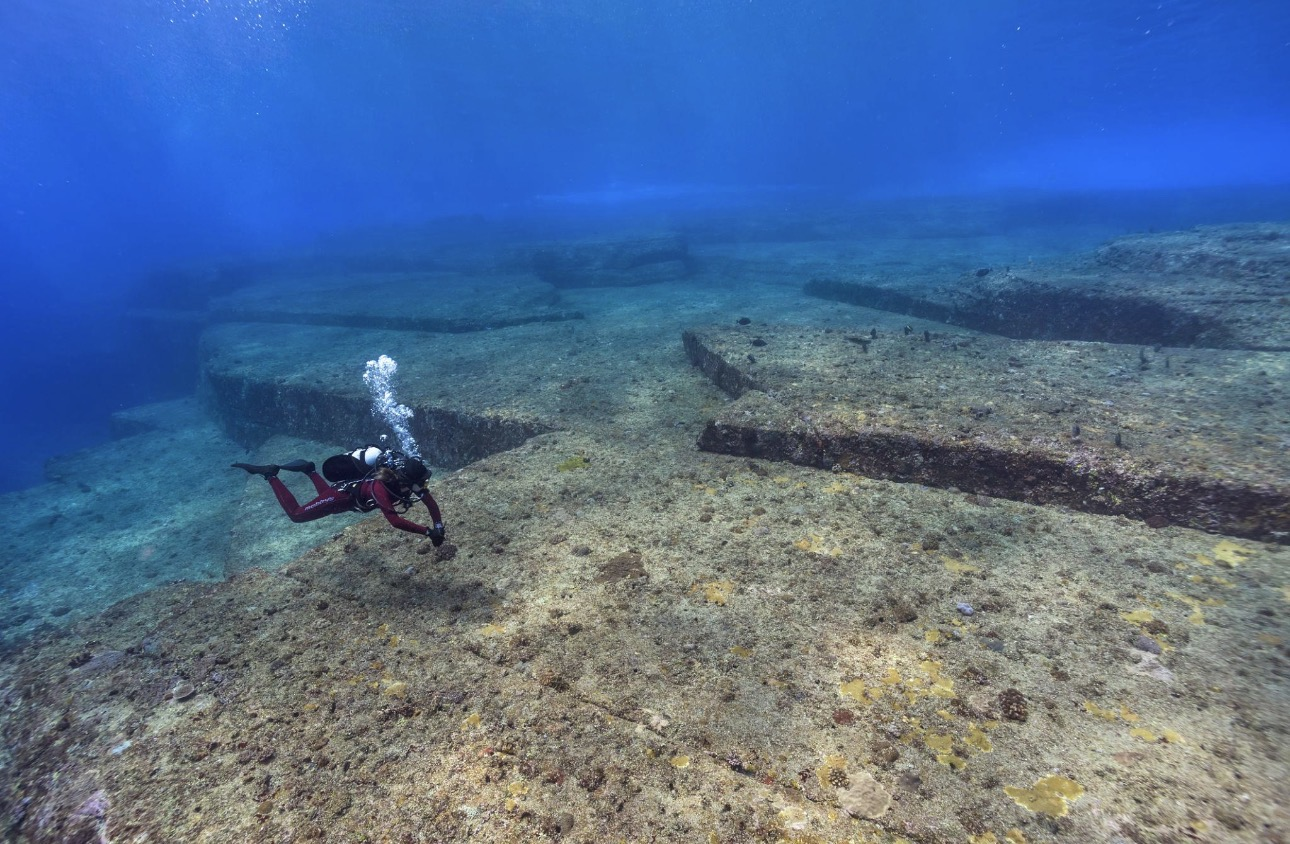
Off the coast of Yonaguni Island lies one of the most debated underwater formations in the world. While mainstream geology classifies it as a natural sandstone structure shaped by tectonic forces and erosion, there is a serious case to be made that it represents the remains of a submerged prehistoric city.

First, the geometry is difficult to dismiss. The formation includes flat terraces, sharply defined right angles, consistent step-like platforms, and what appears to be a massive rectangular “plaza” area. Natural fracturing can produce straight lines, but the scale and repetition here suggest intentional design. Multiple tiers resemble constructed platforms rather than random breakage. The symmetry across several levels is what raises eyebrows: nature creates fractures, but it rarely produces multi-tiered, staircase-like formations with such proportional consistency.

Second, the geological context allows for the possibility of human construction. During the last Ice Age, sea levels were significantly lower—by more than 100 meters globally. The area around Yonaguni would have been exposed land roughly 10,000–12,000 years ago. If humans occupied that region during the late Paleolithic or early Jōmon period, coastal settlements would have been logical. As sea levels gradually rose, such structures could have been submerged over centuries rather than destroyed abruptly.

Third, there are features that appear to go beyond simple fracture lines. Some researchers, including marine geologist Masaaki Kimura, have argued that certain surfaces look intentionally smoothed, and that some stone blocks appear separated from the bedrock in a way suggestive of quarrying or shaping. While these interpretations remain controversial, they introduce the possibility that natural formations may have been modified by human hands. Even partial modification would imply deliberate activity at the site.

Critics argue that no definitive artifacts—pottery, tools, inscriptions—have been recovered from the structure itself. However, coastal and marine environments are dynamic systems. Strong currents, typhoons, seismic activity, and sediment shifts can relocate or bury smaller artifacts over millennia. The absence of loose cultural debris does not automatically invalidate the presence of large-scale stone work, especially if the builders primarily used the native bedrock rather than transported materials.

Additionally, human history has repeatedly pushed back the timeline of complex behavior. The Jōmon culture of Japan dates back over 14,000 years and produced some of the world’s earliest pottery. Megalithic construction elsewhere in the world—such as Göbekli Tepe in Turkey—demonstrates that large stone architecture existed far earlier than once believed. If one region developed monumental stone traditions unexpectedly early, it is not unreasonable to consider similar experimentation in other coastal societies.

Ultimately, the argument for Yonaguni as a sunken city rests on cumulative plausibility: geometric consistency, paleo-sea-level data, possible human modification, and the growing recognition that ancient societies were more capable than previously assumed. While definitive proof remains elusive, dismissing the structure outright as purely natural may overlook a transitional possibility—that prehistoric people encountered a striking natural formation and shaped it into something more.

Until exhaustive archaeological excavation and mapping are completed, the door remains open.


I’m stealing this

Lmao straight facts

It’s an Absolute masterclass in stealth design.

1
Nordic aliens (hilariouschaos.com)
submitted 3 days ago* (last edited 3 days ago) by baconmaster@hilariouschaos.com to c/otherworldy@hilariouschaos.com
 

The Nordic Enigma: The Persistent Pattern of the Tall Humanlike Visitors

Among the many reported extraterrestrial forms within modern UFO encounter literature, the beings commonly referred to as Nordic aliens stand out for one defining reason: consistency. Across decades, cultures, and independent witnesses, descriptions converge on a remarkably stable image—tall, humanlike figures with fair skin, light-colored eyes, and often pale or blond hair. Their proportions are typically described as symmetrical and balanced, closely resembling human physiology rather than something overtly alien. Equally consistent is their demeanor: calm, composed, emotionally controlled, and non-threatening. Unlike more chaotic or fragmented encounter narratives, the Nordic profile remains structurally stable across time, forming the core of what researchers call the Nordic pattern.

The earliest widely cited foundation for this pattern emerged during the early 1950s contactee era, most notably through George Adamski, who reported encounters beginning in 1952 with tall, humanlike visitors. According to Adamski, these beings demonstrated advanced technological capability, operating craft capable of silent hovering, abrupt acceleration, and controlled maneuvering beyond conventional aviation limits. Communication, he claimed, occurred primarily through direct mental transmission rather than spoken language. Their message, as described in his accounts, emphasized restraint, observation, and concern regarding humanity’s rapid technological escalation—particularly nuclear weapons. Whether accepted or disputed, Adamski’s reports introduced a structured template: humanlike appearance, telepathic interaction, advanced propulsion, and a measured, non-hostile orientation.

In the decades that followed, independent accounts from different regions echoed strikingly similar features. Witnesses across North America, Europe, and South America described encounters with tall, fair-haired, humanlike beings exhibiting composed behavior and deliberate communication. In one often-cited case from rural Brazil, a witness reported interaction with tall figures displaying controlled emotional expression and purposeful presence rather than aggression. Across such reports, several elements recur with notable stability: height above average human range, calm demeanor, telepathic or nonverbal communication, and technologically advanced craft demonstrating silent operation and rapid, nonconventional movement. Supporters of the Nordic hypothesis argue that the statistical convergence of these details—emerging independently across geography and time—suggests a repeating underlying phenomenon rather than isolated invention.

Descriptions of Nordic craft behavior also show consistent overlap. Witnesses frequently report silent hovering without visible propulsion, smooth acceleration, and controlled directional change inconsistent with known aircraft. In multiple narratives, these beings appear aware of human environmental conditions and technological trajectory, occasionally conveying warnings related to ecological balance, conflict, or instability. When reported, such communications emphasize limited interaction and observational restraint rather than direct interference, suggesting a monitoring presence operating under deliberate exposure control.

A smaller subset of accounts claims encounters involving trained observers, including pilots and military personnel, who described tall, humanlike entities distinct from other reported extraterrestrial forms. While publicly unverified, proponents argue that if an advanced intelligence were intentionally limiting exposure, selective and controlled interaction across observer types—civilian, trained, and military—would align with such behavior. Within this framework, the absence of widespread physical proof is interpreted not as contradiction but as consistent with deliberate non-disclosure.

The strength of the Nordic hypothesis lies not in any single encounter, but in long-term structural persistence. Across decades, independent witnesses repeatedly describe the same physical form, communication method, emotional profile, and behavioral orientation. In investigative reasoning, repeated convergence of specific details across unrelated observers carries cumulative weight. The argument is incremental: individual cases may be disputed, but stable pattern continuity across time suggests a recurring and structured phenomenon rather than random narrative formation.

No publicly verified artifact or official confirmation has established the existence of Nordic extraterrestrials. Yet the enduring convergence of descriptions, the consistency across geography and decades, and the stable behavioral profile reported in independent encounters continue to sustain the Nordic enigma. Whether interpreted as undisclosed extraterrestrial observers, an unknown intelligence interacting selectively with humanity, or a phenomenon not yet fully understood, the Nordic pattern remains one of the most persistent and structured anomalies in the history of reported human encounters with the unexplained.


Ghost hunters have long relied on devices they believe allow communication with unseen entities, and among the most commonly used is the spirit box, sometimes called a ghost box. This device is essentially a modified radio that rapidly sweeps through AM frequencies, producing a constant stream of static, white noise, and fragmented audio. Many investigators insist that the most important feature of the method is running the sweep in reverse. Within their belief system, ordinary radio speech is transmitted forward, so if recognizable forward words are heard while the device is scanning backward at high speed, they argue those words cannot logically be coming from standard broadcasts. To believers, this reversal is meant to eliminate the possibility of stray radio chatter forming meaningful phrases, strengthening the idea that any intelligent response must originate from something beyond normal signals.

During a session, investigators ask questions aloud and listen closely to the chaotic noise for short, direct replies—names, simple words, or brief phrases that appear relevant to the moment. Many who support the method claim that spirits do not generate sound from nothing, but instead manipulate existing electromagnetic noise, shaping fragments of audio into recognizable speech. Some go further, proposing that spirits use the radio’s antenna like a microphone, imprinting their voices into the noise field carried by the device. When a clear word emerges that seems to match a question, believers interpret it as intentional communication, often referred to as Instrumental Transcommunication (ITC).

Yet outside paranormal belief communities, these experiences are often explained differently. Rapid radio sweeping produces countless broken syllables from multiple stations, and the human brain is highly skilled at finding patterns in random sound. This psychological phenomenon, known as pareidolia, allows listeners to perceive meaningful speech in noise even when no deliberate message exists. In this view, the spirit box does not necessarily produce voices; rather, expectation and interpretation shape what the listener believes they hear. The emotional atmosphere—darkness, silence, anticipation—can further intensify this perception, making the experience feel convincing even without external intelligence.

In recent years, especially in online ghost-hunting videos, smartphone “ghost apps” have become widespread. These apps often claim to function as digital spirit boxes, but in reality many operate very differently. A large number rely on built-in word banks, meaning the app already contains preselected words and phrases such as “help,” “here,” “leave,” or “behind you.” The software simply plays these words at intervals, sometimes randomly, sometimes triggered by simple timing patterns. To viewers unfamiliar with how the apps work, the timing of a word appearing after a question can seem meaningful or even chilling, reinforcing the illusion of communication.

Some of these apps claim to use phone sensors to detect electromagnetic fields or atmospheric anomalies. In practice, however, a standard smartphone is not a true scientific measurement device for environmental electromagnetic detection. The sensors inside phones—such as the magnetometer, accelerometer, gyroscope, proximity sensor, and light sensor—are designed primarily for navigation, motion detection, and device operation. While a phone can detect strong nearby magnetic sources in a basic way, it is not calibrated to measure subtle or complex electromagnetic fluctuations reliably. Independent examinations have shown that many ghost apps either use sensor input only superficially or ignore it entirely, meaning the words produced often have no genuine connection to environmental conditions.

Because of this, critics argue that ghost apps can easily simulate paranormal interaction. When combined with dramatic presentation, suspenseful questioning, and psychological expectation, preprogrammed words can create a powerful impression of spirit communication. Even so, many traditional ghost hunters continue to prefer the spirit box method, particularly with reverse radio sweeping, believing it reduces ordinary broadcast contamination and provides a more authentic channel for possible contact.

In the end, the difference lies in interpretation. For believers, the spirit box represents a tool that allows unseen voices to briefly cross into the audible world. For skeptics, the same device demonstrates how random noise, human perception, and technological design can combine to produce experiences that feel meaningful without requiring a paranormal explanation.

Authors notes: I believe spirit boxes work but everything must be scrutinized. That being said I’ve seen very convincing videos that spirit boxes are picking up the voices of ghosts, I’m a believer.

[–] baconmaster@hilariouschaos.com 1 points 3 days ago* (last edited 3 days ago)

~Bacteria from popped pimples has entered the chat

[–] baconmaster@hilariouschaos.com 1 points 4 days ago* (last edited 4 days ago)

Ive been saving my free time writing books and also working my regular job as well as what i do here . But i wouldn’t mind checking this out again

[–] baconmaster@hilariouschaos.com 2 points 4 days ago* (last edited 3 days ago)

Many paranormal experts and believers claim that children are more sensitive to ghosts. Yes kids can have wild imaginations but its not uncommon for kids to be seeing things that can’t be explained by simple imagination. Just be careful with the the ghosts of relatives thing because other ghosts can pretend to be your dead relatives just to get your attention for various reasons. The guy i modded in this community @angrycajuntv can explain it in more detail as he has been an investigator for years. Great story though and i don’t doubt you for one moment

This was an insane story to research and fact check

[–] baconmaster@hilariouschaos.com 1 points 4 days ago (2 children)

First episode of Helier was solid, not gonna lie.

I’m going to check this out, never heard of it before this

[–] baconmaster@hilariouschaos.com 2 points 1 week ago (1 children)

Thanks, trying to build something here from a YouTube community.

view more: next ›