 The Ghost Monks of Villers Abbey
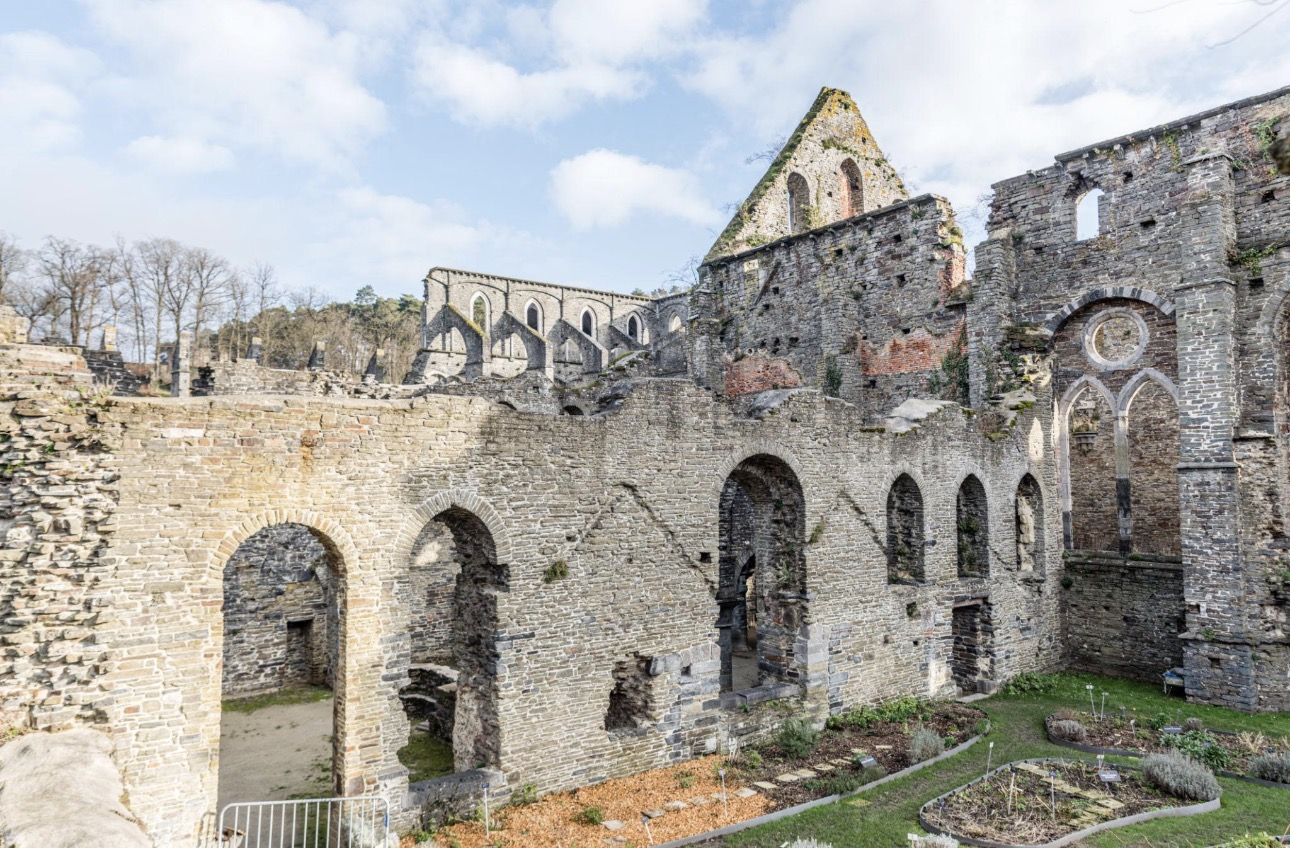
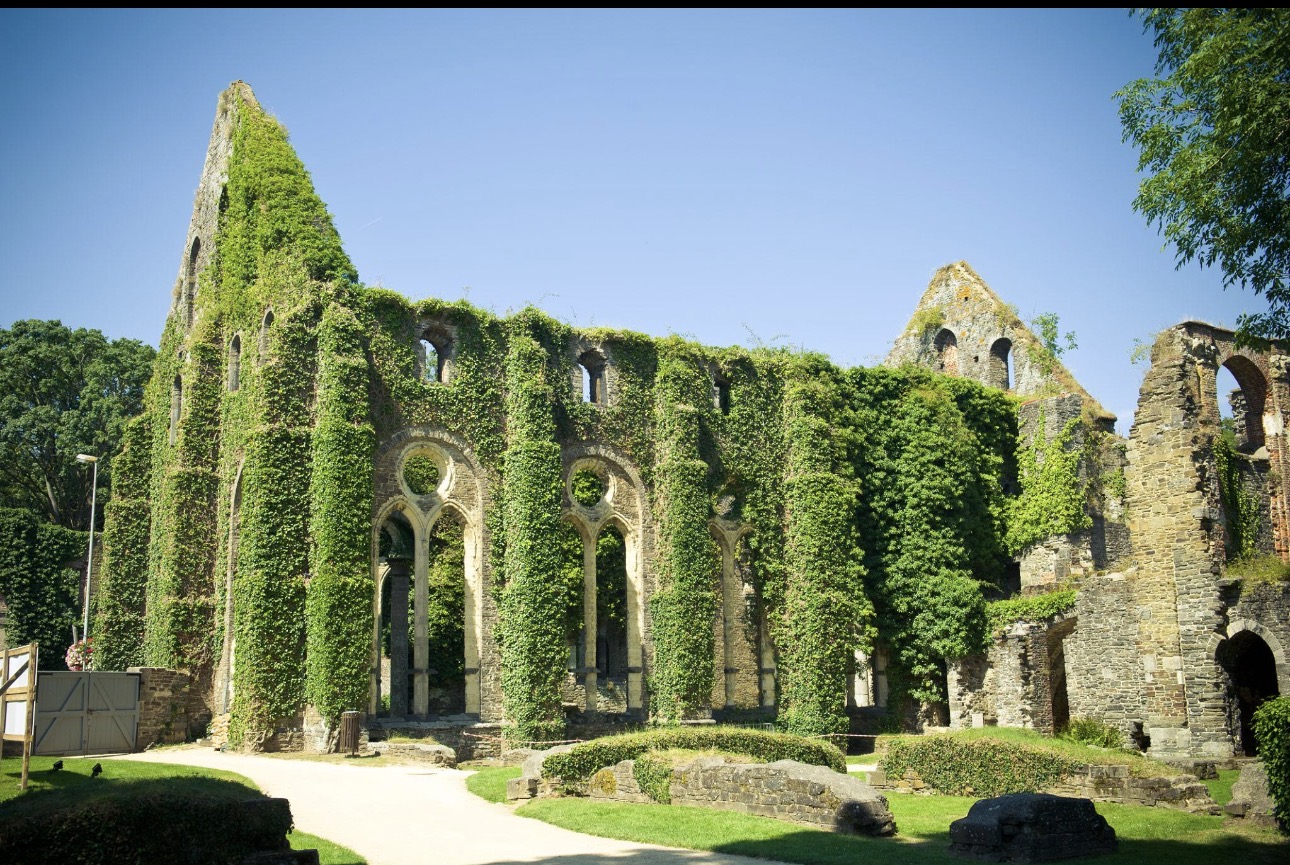
The ruins of Villers Abbey stand in the Belgian countryside like a vast skeleton of stone, open to wind, rain, and time. Founded in the twelfth century by Cistercian monks, the abbey was once a place of strict order, quiet devotion, and disciplined routine. Within its walls, generations of monks lived and died in prayer, labor, and silence. When the abbey was abandoned after the turmoil of the French Revolution, its halls fell empty, its roofs collapsed, and nature slowly reclaimed what men had built. Yet according to long-standing local tradition, something of the old life never truly left.
For centuries, villagers and travelers have spoken of figures seen moving among the ruins after dusk. These shapes are described not as fleeting shadows but as distinct forms, robed and hooded, walking slowly through the broken cloisters. They do not wander aimlessly. Instead, they appear to follow deliberate paths, tracing routes that once connected chapel, dormitory, and prayer hall. Witnesses often report that the figures seem unaware of the living, continuing their silent procession as if bound to a routine unchanged by time.
The most common account speaks of faint chanting heard when the air is still. Visitors who linger near the old church foundations sometimes claim to hear low, distant voices carried by the wind, rising and falling in tones reminiscent of monastic prayer. No language can be clearly identified, and no source is ever found. When the sound fades, the ruins return to silence, broken only by wind passing through empty arches and shattered stone.
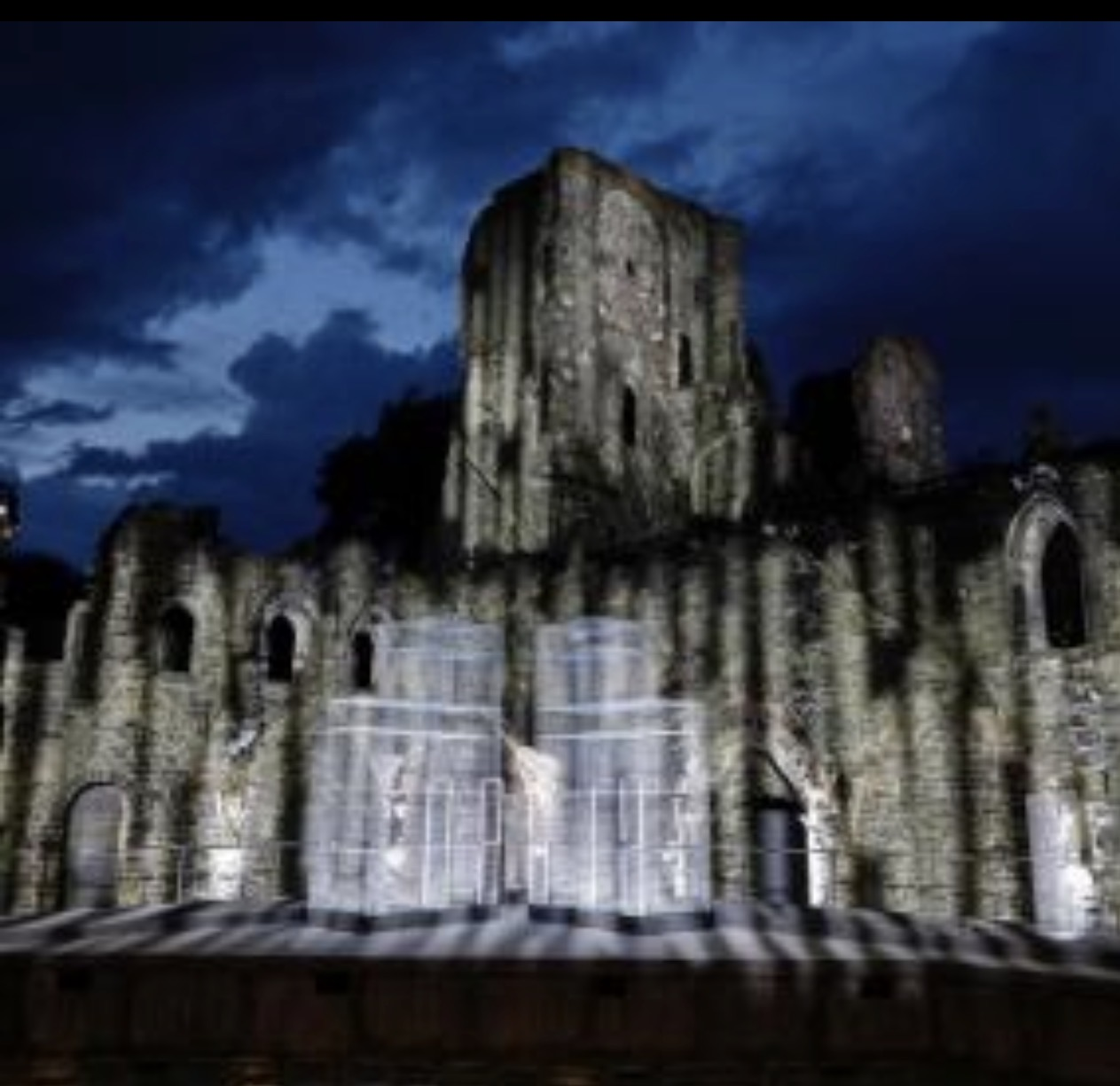
Lights have also been reported within the abbey grounds, particularly on mist-covered nights. Small glows are said to appear deep within roofless chambers or beneath the high vaults that no longer exist. These lights do not flicker like fire or move like lanterns. They remain steady for a time, illuminating nothing, then dim and vanish. Some who have seen them describe a feeling of stillness rather than fear, as if the place itself were holding its breath.
One of the strongest traditions centers on a silent procession said to appear in autumn. According to repeated accounts, several robed figures emerge along the inner court and move slowly across the open ground. No footsteps are heard, even where gravel and loose stone cover the earth. The figures neither turn nor acknowledge any observer. They continue forward, maintaining equal distance from one another, until their forms gradually thin and disappear into darkness. There is no sudden vanishing, no dramatic break—only a slow fading, as though time itself were erasing them.
Skeptics have long offered explanations. Wind moving through the ruins can produce tones that resemble distant voices. Moonlight passing through broken arches may create shifting illusions of movement. Mist, shadow, and imagination together can shape forms where none exist. The abbey’s long history and solemn atmosphere encourage the mind to fill silence with memory. Yet even among those who doubt, the persistence of the story is notable. The same descriptions—hooded figures, faint chanting, silent movement—have appeared across generations, told by people who had never spoken to one another.
Today, Villers Abbey remains a place of quiet reflection by day and deep stillness by night. Visitors walk among fallen walls, worn stones, and the remains of cloisters where monks once passed in ordered silence. Whether the ghostly figures are echoes of memory, tricks of perception, or something less easily explained, the legend endures. The story does not claim terror or menace. Instead, it suggests continuity—the idea that certain routines, once repeated for centuries, may leave an imprint too deep to vanish entirely.
And so the ruins stand, open to sky and shadow, where wind moves through broken arches and the past is never completely silent.