It’s a grey September afternoon, and a small group is gathered for a special behind-the-scenes visit with Assiniboine Park Zoo’s newest resident.
“Heeeeere, bubba,” animal-care specialist Caitlin Gordon-Hall hollers from between a double layer of chain-link fencing.
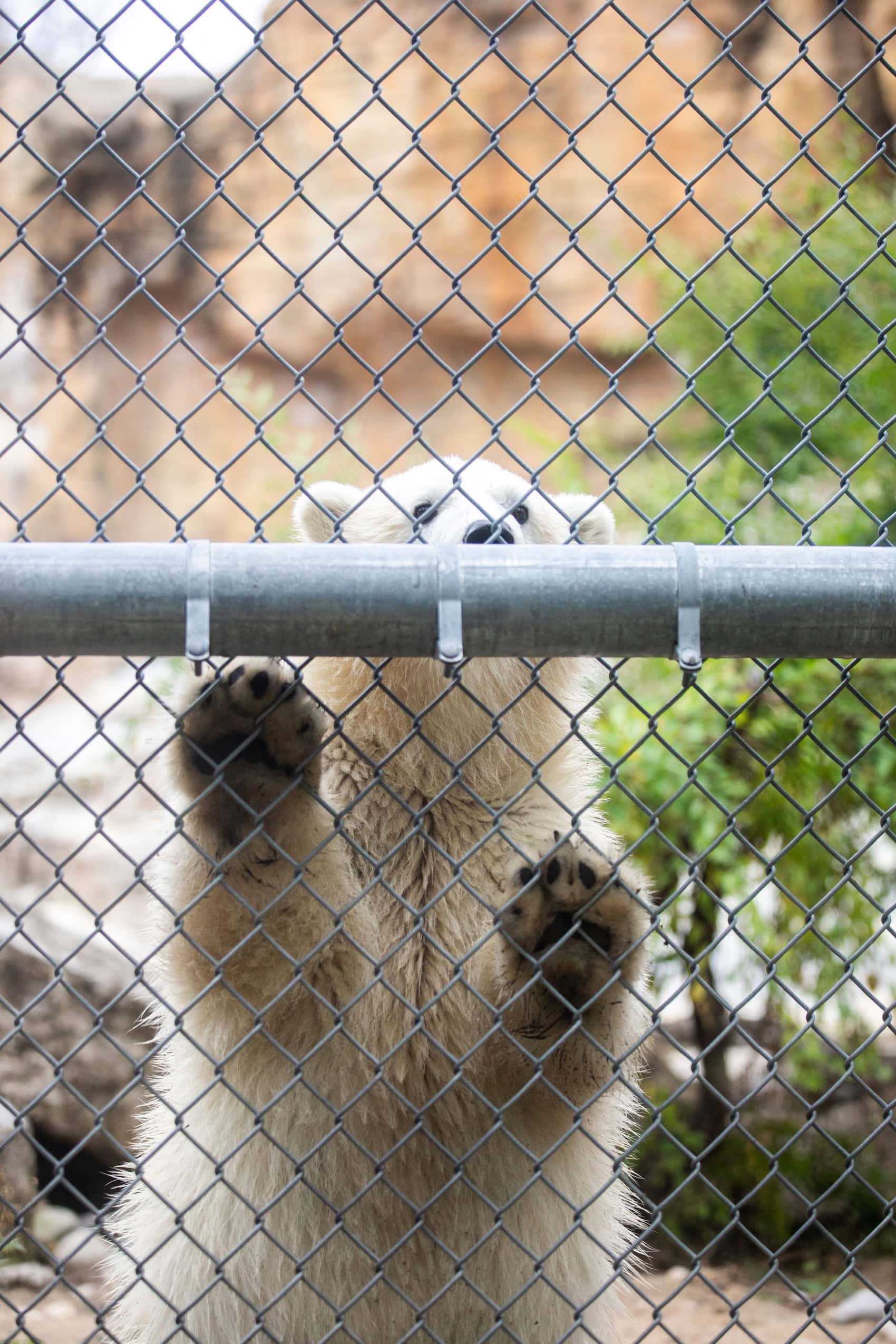
After a beat, a small white face appears at the entrance of the private enclosure. The polar bear cub sniffs the air before trundling toward the fence, where his keepers have been working to encourage calm behaviour around humans ahead of his public debut today.
Gordon-Hall offers sing-song affirmations while the cub, who is nearly 200 pounds and 10 or 11 months old, observes the fawning strangers with guarded curiosity.
The young bear is objectively cute. With his round, fluffy frame and oversized paws, he looks more like a gift-shop stuffie than an apex predator.
A low, persistent growl, however, is a reminder that his natural instincts are still intact.
“In the wild, his mama would have taught him: if there’s people there, make yourself big, make noise,” Gordon-Hall says.
But his mama isn’t here. The cub, whose official zoo name will be chosen by public voting, is an orphan.
It’s been an intensive period of relearning for the cub, who, prior to arriving at the zoo in August, spent his days roaming the tundra near Churchill, Man.
Today’s 20-minute visit is part of a series of exposure sessions designed to desensitize the bear to the zoo’s forthcoming crowds. A few minutes into the exercise and the cub is busy scratching his back on the fence, seemingly content that the nearby photojournalist’s long lens and camera shutter pose no threat.
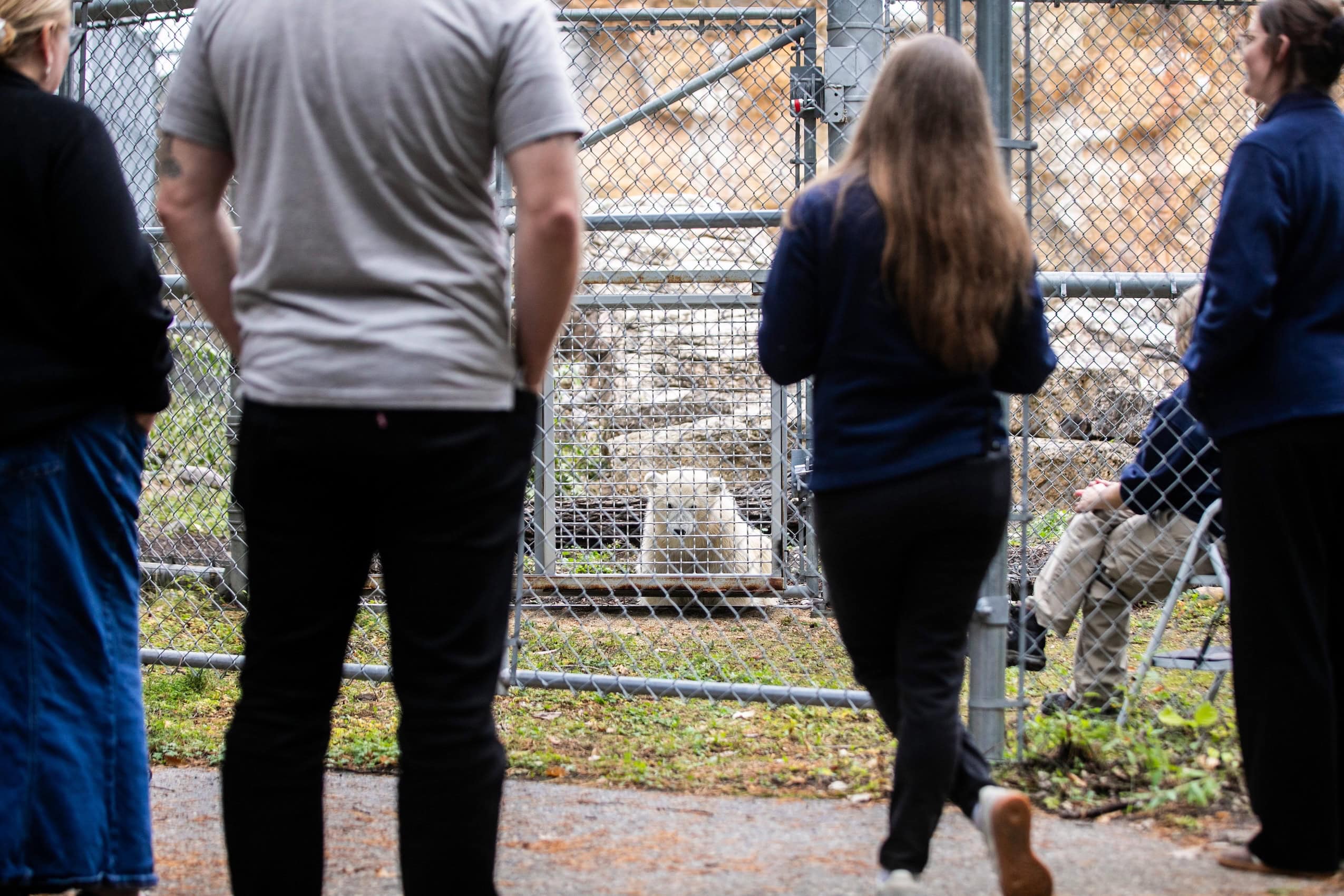
The zoo’s freshest, fuzzy face belongs to an unnamed orphan polar bear. His name will be chosen via public voting. Photo: Mikaela MacKenzie / Winnipeg Free Press
This isn’t the first polar bear cub to make the trek from the shore of Hudson Bay to a zoo enclosure. And he won’t be the last.
The plight of polar bears in the face of climate change has been well-documented, and the fate of bears with less sea ice has meant they get into trouble with humans more often, with bears usually paying the price. Policy has shifted over the decades, but young orphan cubs still stand little chance of survival in the wild. Life in a zoo may be an imperfect solution — but it’s one that keeps the bear alive.
As the session ends, the group heads through the locked gate of the cub care centre, where a pair of zoo visitors are peering through the slats. They pepper the staff with questions: How is the cub doing? Will he be rooming with the other six bears? When will we be able to see him?
It’s been nine years since the last orphaned cub was transferred from Churchill, the “Polar Bear Capital of the World,” to the Winnipeg zoo. Public excitement in the south is palpable, while some northern residents are wary of a previously wild animal spending the rest of its life in captivity.
Orphan cub’s mother was found near the Churchill dump — which has long posed issues for polar bears
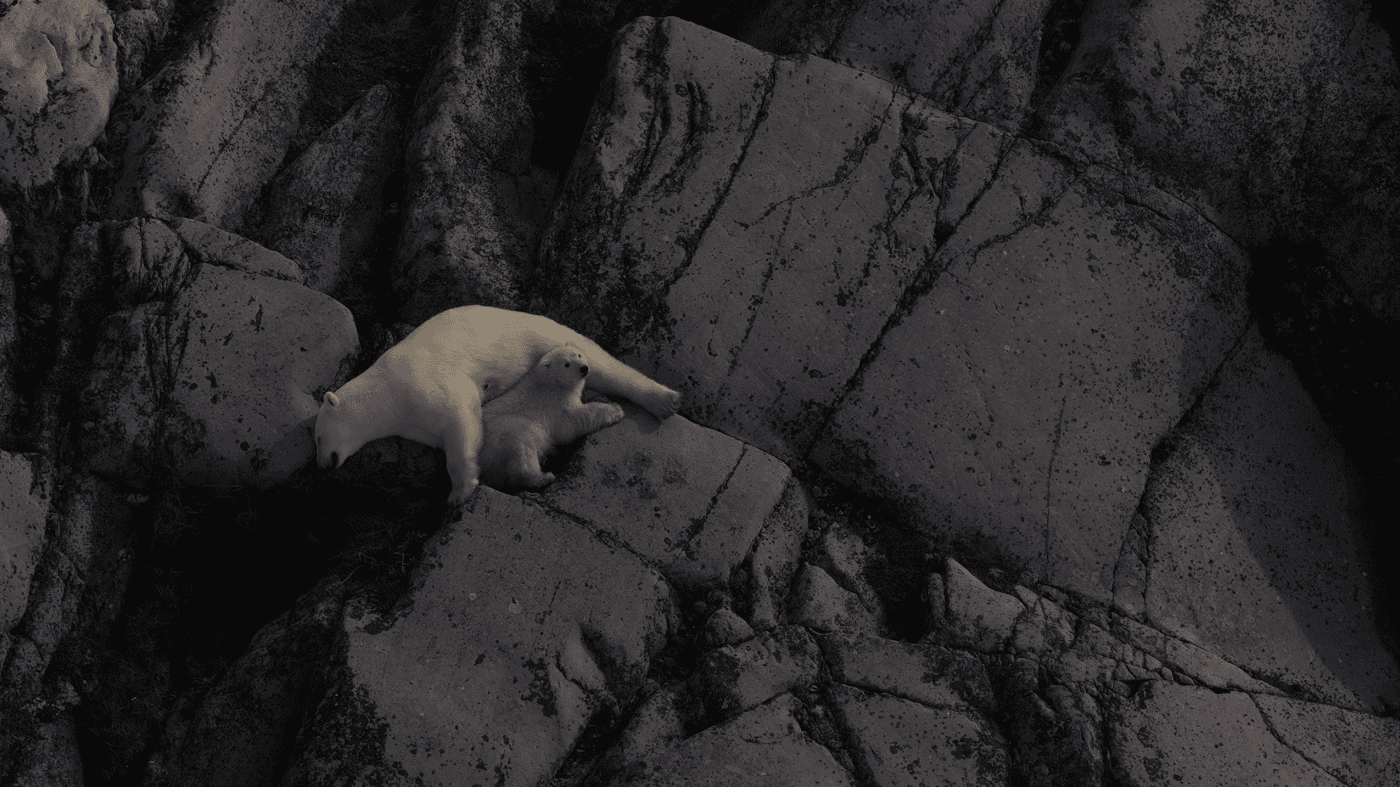
Kelsey Eliasson, a Churchill polar bear guide and filmmaker, encountered the bear and his mother when they lived in the wild. He knew them by the nicknames “Marrón” or “Maury” and “Blanca” — Spanish for brown and white, respectively.
“She was a super clean, super white bear, and then Marrón was kind of dirty and muddy, like every cub,” Eliasson says over the phone.
Eliasson spent several days documenting the pair this summer as they hunkered down in the rocks along the shore of Hudson Bay. During the warmer months, bears can often be found in an area east of town hunting for seals while trying to beat the heat and bugs.
Blanca, who was recognizable by a scar on her ear, looked healthy while she wrestled and rested with her cub, Eliasson says.
But in mid-August, the mother bear was found dead roughly a kilometre from the Churchill garbage dump. Her cause of death remains unknown, and the results of a necropsy are still pending, a provincial spokesperson said in an emailed statement.
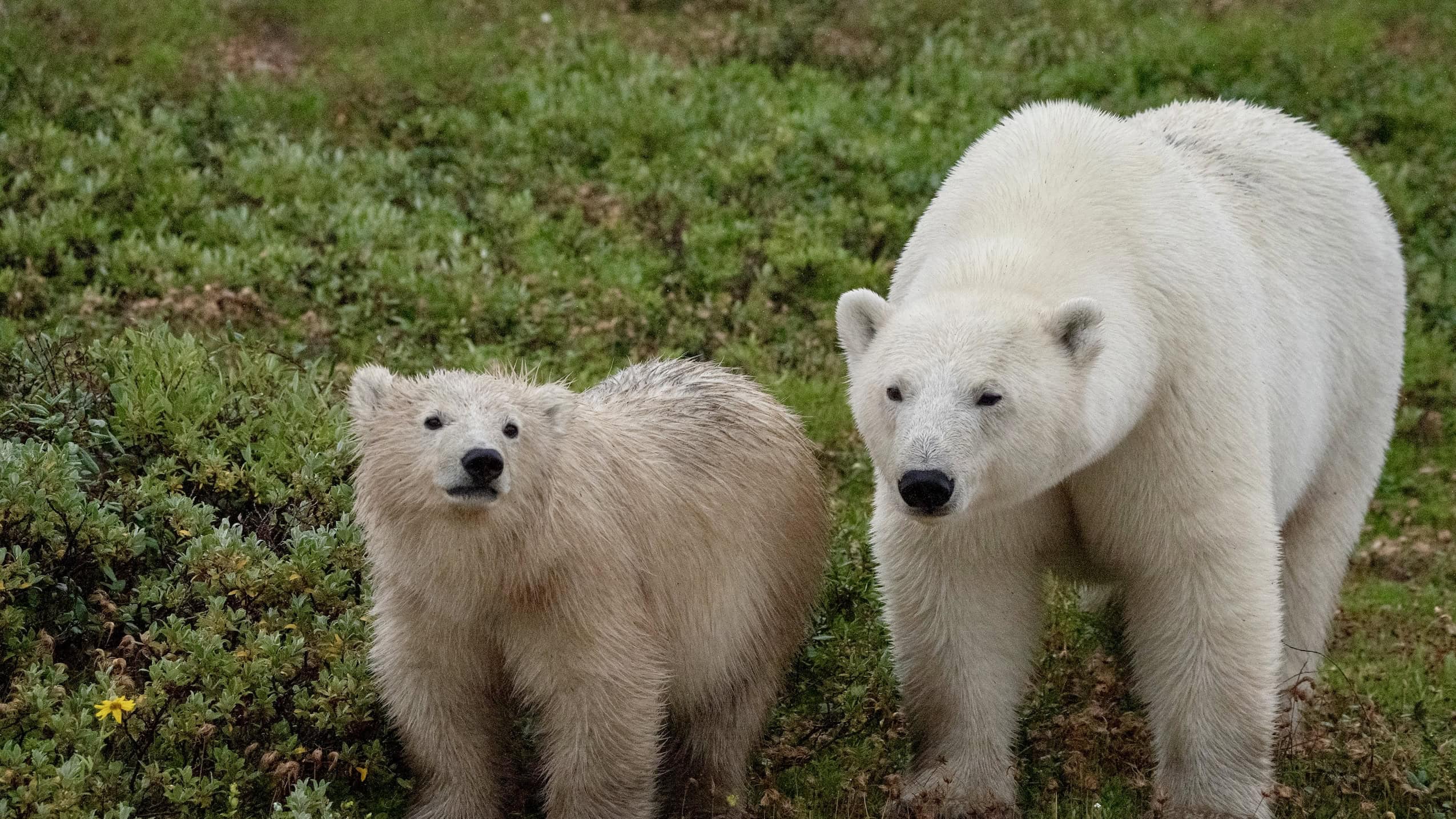
The cub’s mother, Blanca, looked lively and healthy when Kelsey Eliasson, a Churchill polar bear guide and filmmaker, photographed them last summer. Some time later, in mid-August, Blanca was found dead near the Churchill dump. Her cause of death is still unknown. Photo: Kelsey Eliasson
Bears have been visiting the dump with more frequency since the spring of 2024, when the town’s enclosed waste transfer facility was destroyed in a fire.
“Last year it was non-stop,” Geoff York, vice-president of science and policy for Polar Bears International, a non-profit research and conservation organization, says over a video call.
Sending orphan cubs to Winnipeg zoo has a complicated history
For a long time, there were few rules governing the lives of polar bears in Manitoba.
The provincial government frequently exported orphaned cubs and problem bears to zoos around the world until the late 1990s, when three Churchill-born bears were discovered performing in a travelling Mexican circus. The bears had been purchased from a zoo in Germany and were living in sweltering conditions without access to water.
Widespread media coverage and public condemnation led to the creation of Manitoba’s Polar Bear Protection Act, which regulates the care and treatment of polar bears in captivity. Under the legislation, the province retains ownership of captive bears sent elsewhere, and their offspring, in perpetuity.
The act changed Assiniboine Park Zoo’s relationship with the charismatic predators as well.
The zoo has housed polar bears since at least 1939, when an orphaned seven-week-old cub, dubbed Charmichael, arrived via train after his mother was shot by a trapper on the shore of Hudson Bay, according to a Winnipeg Tribune article from the time.
Bears remained a popular fixture at the zoo until the death of Debby, the world’s oldest known polar bear, in 2008 at the age of 41. Her concrete enclosure was deemed too small and ill-equipped by Manitoba Conservation standards to host a new bear without significant renovations.
Amendments to the Polar Bear Protection Act created rules for rescuing orphaned cubs and paved the way for the Leatherdale International Polar Bear Conservation Centre. The $4.5-million research lab and cub transition centre opened at the zoo in 2012, followed by three new polar bear habitats at the 10-acre Journey to Churchill exhibit in 2014.
Decisions to send an orphaned cub to Winnipeg are made on a case-by-case basis with input from an advisory committee of provincial appointees, zoo administrators and polar bear experts. Age is a significant consideration since polar bear cubs typically spend two years with their mothers learning to hunt and navigate. Orphans less than a year old stand little chance of survival in the wild.
Eleven cubs were transferred to the zoo between 2013 and 2017 — a pace that sparked public outrage in Churchill and pushed the Winnipeg facility’s capacity to the limit. The zoo is currently home to seven rescued polar bears, including the new cub.
“There’s definitely been times when we were worried about our ability to take new bears,” Stephen Petersen, Assiniboine Park Conservancy’s director of conservation and research, says, referring to space constraints.
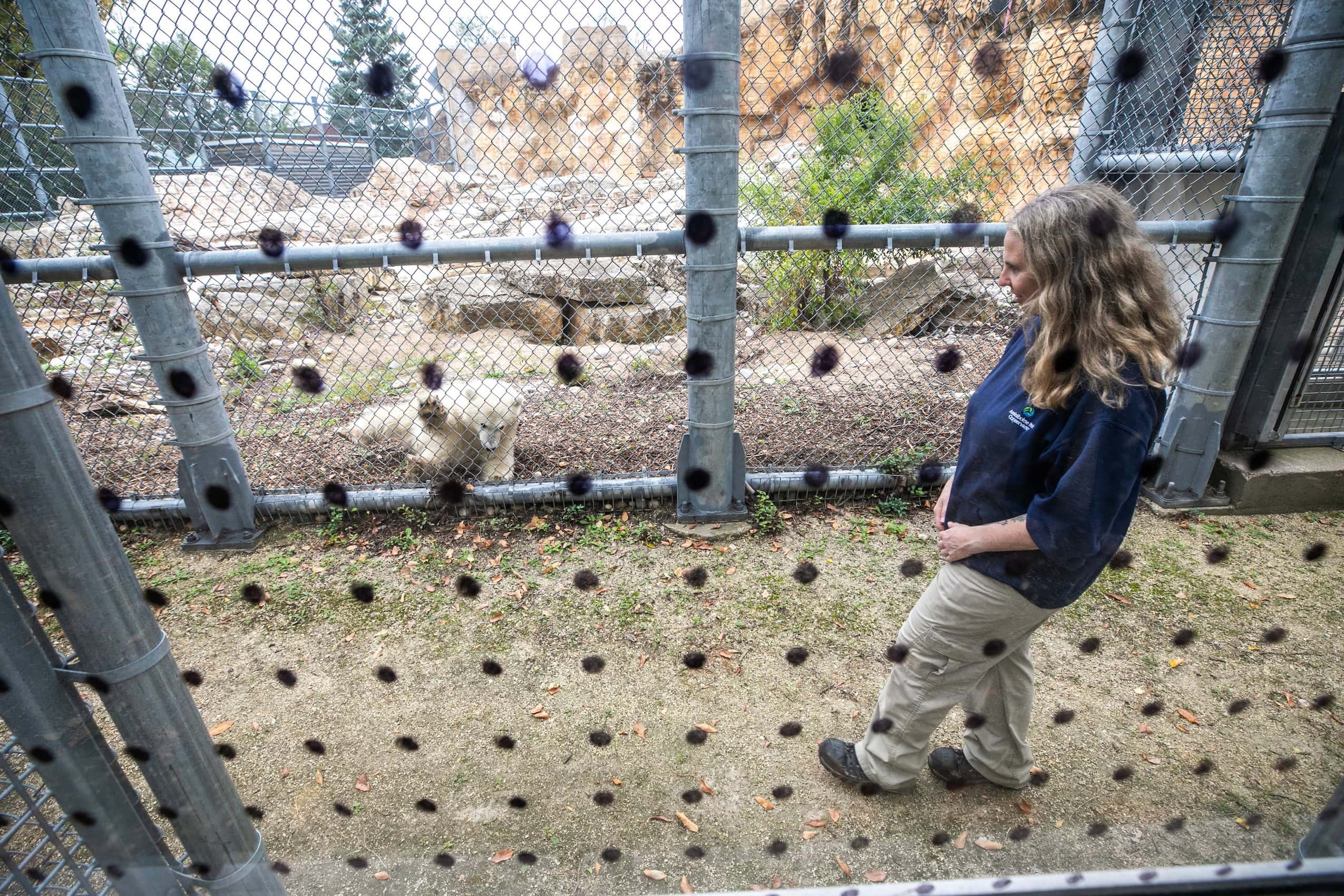
The decision to send an orphaned cub to Winnipeg is not taken lightly. It’s made on a case-by-case basis with advice from a council of polar bear experts, zoo administrators and provincial appointees. Photo: Mikaela MacKenzie / Winnipeg Free Press
There are few other options. The province has conducted two foster parenting studies with the Born Free Foundation, a British animal welfare organization, to determine if mother polar bears with one healthy cub would adopt a second. The project was cancelled due to lack of success.
A rare case of wild adoption was observed in Manitoba last year, when a mother polar bear was seen travelling with a second cub. It was the 13th documented case of adoption in the western Hudson Bay subpopulation.
Orphaned cubs raised in captivity can’t currently be returned to the wild because they lack hunting skills and natural instincts.
That leaves the zoo. The province has updated its cub management policy since the first influx of orphans and the zoo now only takes bears whose mothers have died through suspected conflict with humans, Petersen says.
One of those points of conflict can come from garbage dumps.
‘Polar bears will break into everything’: Churchill garbage dump struggles to keep bears out
Dealing with municipal garbage in a northern community like Churchill, which is surrounded by rocky, intermittently frozen ground and hundreds of polar bears, poses challenges. While the previous facility allowed for indoor garbage sorting and storage, the 2024 fire forced the Town of Churchill to return to an open-dump system with an electrified fence.
“The trash doesn’t just sit nicely inside this little fenced-in area. It gets pulled out by animals, and it gets blown out by the wind. So it’s created quite an attractant,” York, who specializes in reducing conflict between bears and humans, says.
Dozens of bears were able to break into the dump site when the electric fence failed during a storm, he adds. The barrier has since been upgraded with funding from Polar Bears International. The group plans to install new bear-deterrent technology in the town and dumpsite.
The orphaned cub’s mother was found near the dump in Churchill, Man., a notorious attractant for polar bears. Photo: Mikaela MacKenzie / Winnipeg Free Press
Churchill is in the process of rebuilding its garbage facility and is developing a long-term waste management strategy, a municipal spokesperson said in an emailed statement. The town also plans to revisit the feasibility of trash incineration — a concept that was shelved following the fire but has proven beneficial in other northern communities, like Nuuk, Nvt., where the energy generated from burning household garbage is used to heat homes.
Eliasson thinks incineration should be given higher priority.
“Churchill has been talking about an incinerator [for a long time] and … we’re just not building one. It’s the only solution,” he says. “Polar bears will break into everything else.”
Polar bears, impacted by climate change, are increasingly moving into towns
The western Hudson Bay subpopulation, which includes Churchill and ranges from Chesterfield Inlet in Nunavut to the Manitoba-Ontario border, is the most researched group of polar bears in the world, according to Polar Bears International.
There are roughly 800 bears living in the territory today, representing a 30 per cent population decline over the last 46 years due to shrinking sea ice caused by climate change, Evan Richardson, a polar bear research scientist with Environment and Climate Change Canada, says.
“This is one of the most southern polar bear populations in the world, and it was among the first to show impacts of reduced sea ice availability on individual body condition, growth, reproduction and survival,” Richardson says.
Polar bears make their living on the ice, using the frozen platforms to hunt for seals. Open water makes the speedy prey increasingly harder to catch.
The Hudson Bay population is experiencing an era of relative stability thanks to several good ice seasons, Richardson says. While this gives current generations of bears a positive start, the survival of the species is dependent on the long-term health of their environment.
“Polar bears don’t occur anywhere where there’s not persistent annual sea ice, and so as the habitat melts, it threatens the bears’ existence,” he says.
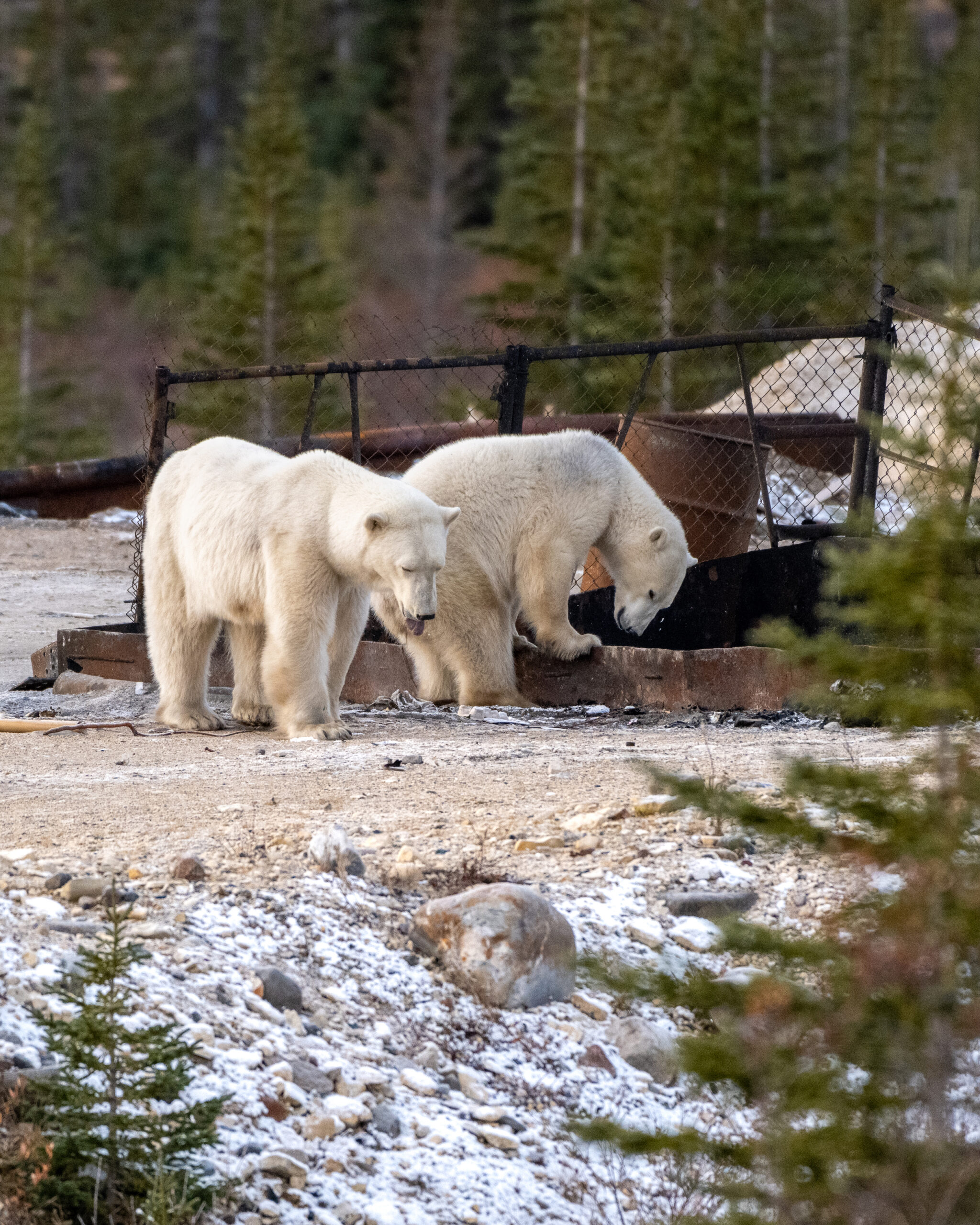
With less and less ice as a result of climate change, polar bears have been spending more time on shore. “Polar bears don’t occur anywhere where there’s not persistent annual sea ice, and so as the habitat melts, it threatens the bears’ existence,” says Evan Richardson, a polar bear research scientist with Environment and Climate Change Canada. Photo: Jenny Wong
Climate change is further straining the coexistence of bears and humans in northern Manitoba.
“It’s a bit of a perfect storm,” York says. “Less ice means the area is more accessible to more human activity. At the same time, more bears are spending more time on shore.”
As the ice-free season grows longer, Hudson Bay is seeing more traffic, whether it be freight, tourism or research. In Manitoba, the provincial and federal governments are keen to expand operations at the Port of Churchill to include year-round shipping, an all-weather road, an upgraded rail line and a liquefied natural gas terminal — all of which will bring more people and disturbance to the region.
To ease the pressure on residents — bears and humans alike — York believes the governments should focus on shoring up local infrastructure, including Churchill’s garbage facility, before embarking on major national projects in remote northern communities.
“Take a quick step back and say, ‘Hey, what’s needed here today for the people who are there now?’ ” he says. “This waste management need has been acute, and we haven’t had the best luck getting the attention we think it merits, from the human-health side, but also the environmental-health and wildlife-health side.”
There have been 159 bear sightings and encounters reported so far this year in Churchill to the province’s Polar Bear Alert Program — a 24-hour hotline designed to minimize dangerous interactions while the animals move ashore from mid-July to mid-November.
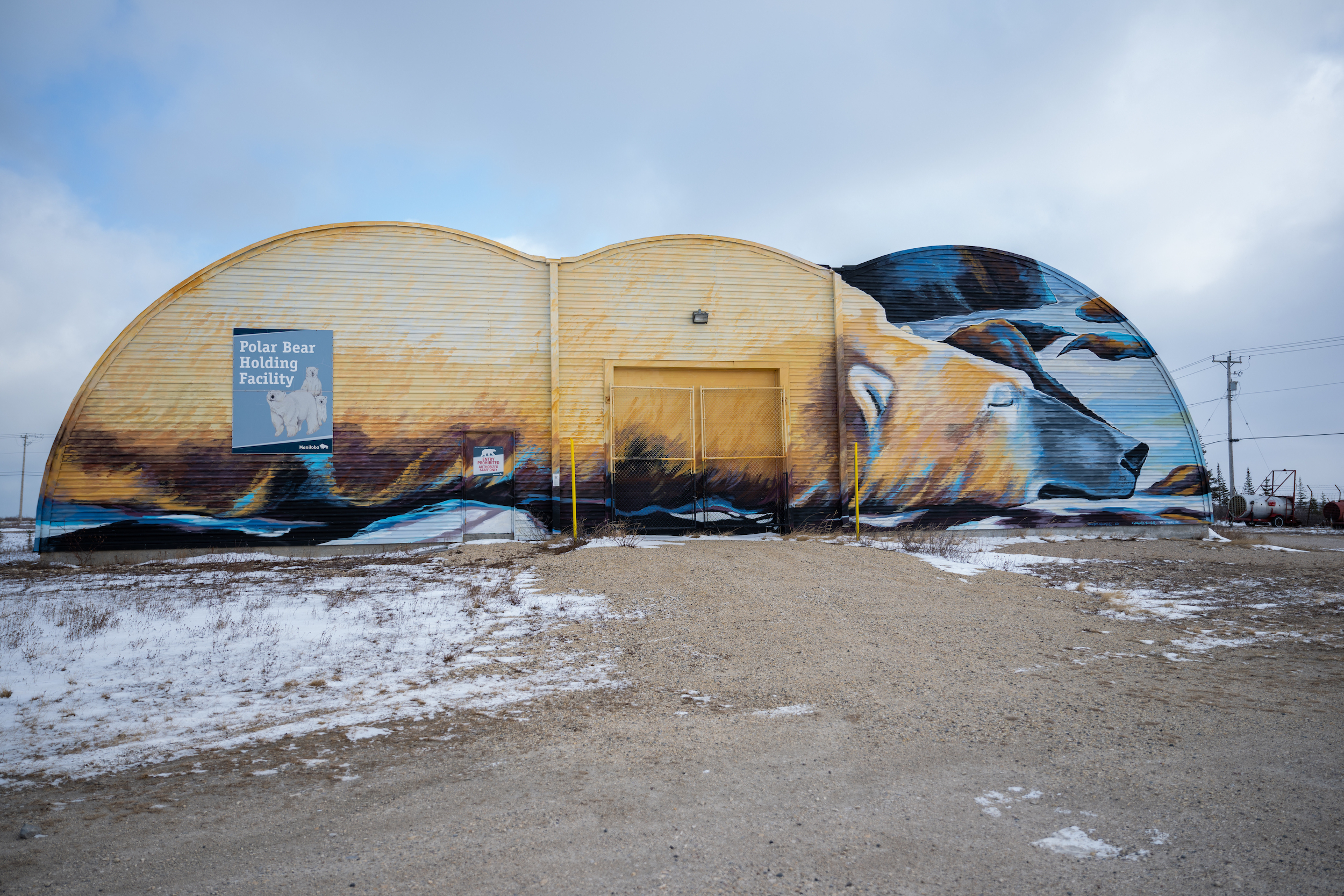
The polar bear holding facility, also known as polar bear jail, near the Churchill airport, is the place for repeat offenders who either routinely return to town or refuse to leave. Photo: Jenny Wong
If a bear is reported near the town or dump, Manitoba Conservation officers will chase them away with non-lethal scaring devices, such as noisemakers or flares. “Problem bears” that return repeatedly or refuse to leave the area are placed in the province’s polar bear holding facility near the Churchill airport and relocated more remotely via helicopter. Seven bears have been flown out of town this year.
The holding facility, colloquially known as polar bear jail, is also where orphaned cubs begin their journey to Winnipeg.
‘A really smart little bear, and he’s doing very well’
After his mother died, the zoo’s new cub was captured by conservation officers and held in polar bear jail while decisions were made about his future. Within a week, he was on a plane to Winnipeg accompanied by veterinary staff from the zoo.
His first 30 days were spent in medical quarantine at the cub care centre, which includes indoor and outdoor enclosure space with a shallow pool, foliage and natural ground cover for digging.
The cub’s introduction to captivity has been closely managed by a small circle of trainers.
“It has gone through a traumatic event of losing its mother,” Jackie Enberg, the zoo’s curator of animal care, says. “We’re here to offer a safe home and daily care. … A lot of that is relationship building and a good diet.”
Enberg has overseen the transitions for all of the cubs transferred to the zoo. Unsurprisingly, food is the fastest way to a polar bear’s heart.
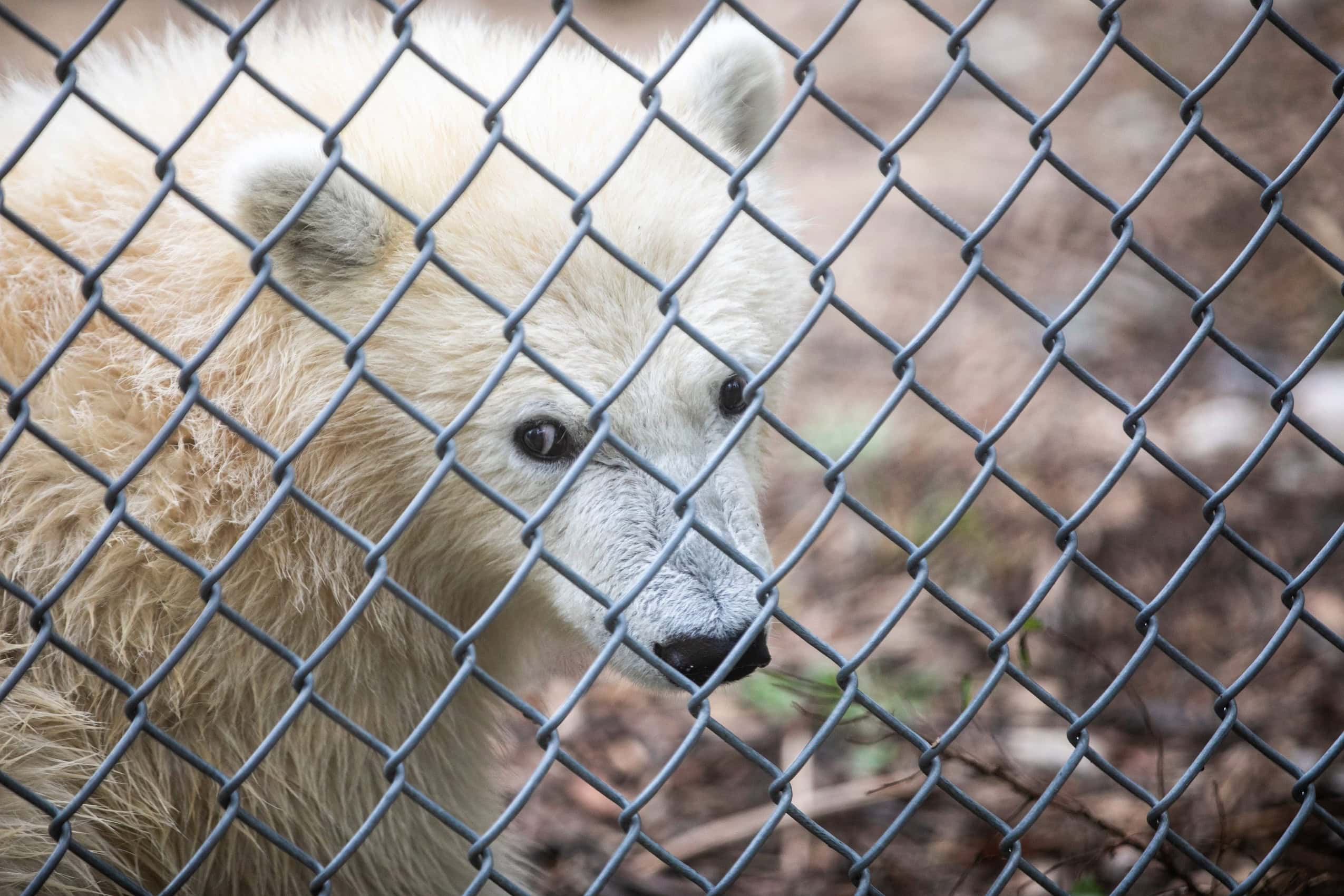
The “spunky” orphaned cub is adapting nicely to captivity. “I’m really impressed with how far he’s gotten. He’s just a really smart little bear, and he’s doing very well,” Jackie Enberg, the zoo’s curator of animal care, says. Photo: Mikaela MacKenzie / Winnipeg Free Press
Once the cub’s stomach adjusted to his new diet of ground meat, fish and “marine mammal chow” — a kind of dry kibble — his trainers added tong-feeding sessions to the menu. The goal is to associate humans with food delivery and reward calm behaviour, which can help with future vet checkups.
Visitor exposure sessions were added post-quarantine. Over several weeks, the cub’s trainers paid close attention to his behaviour as larger groups of zoo staff and patrons stopped by his enclosure for longer periods of time. If he showed signs of distress, such as charging the fence or growling, the process was slowed, Enberg says.
So far, the cub has adapted to captivity as well as expected. (A fecal cortisol study conducted on bears at the zoo, and published in the Canadian Journal of Zoology earlier this year, found orphaned cubs can adjust to living under human care within two weeks of relocation.)
“I’m really impressed with how far he’s gotten. He’s just a really smart little bear, and he’s doing very well,” Enberg says. “And he’s spunky.”
That spunky temperament may come into play when the cub is big enough to integrate with the zoo’s adult polar bears. Staff use personality assessments developed in the onsite research lab to determine which bears will mesh well together. The cub joins a long line of Assiniboine Park polar bears involved in local and international research programs — from non-invasive tracking techniques to whiskerprint identification to thermal imaging. Scientists at the zoo are also studying how climate change is impacting denning in the Arctic and how stress affects a bear’s DNA.
“We really want the bears in our care to participate in as much research that contributes to wild bear and bear welfare overall as possible,” Petersen says.
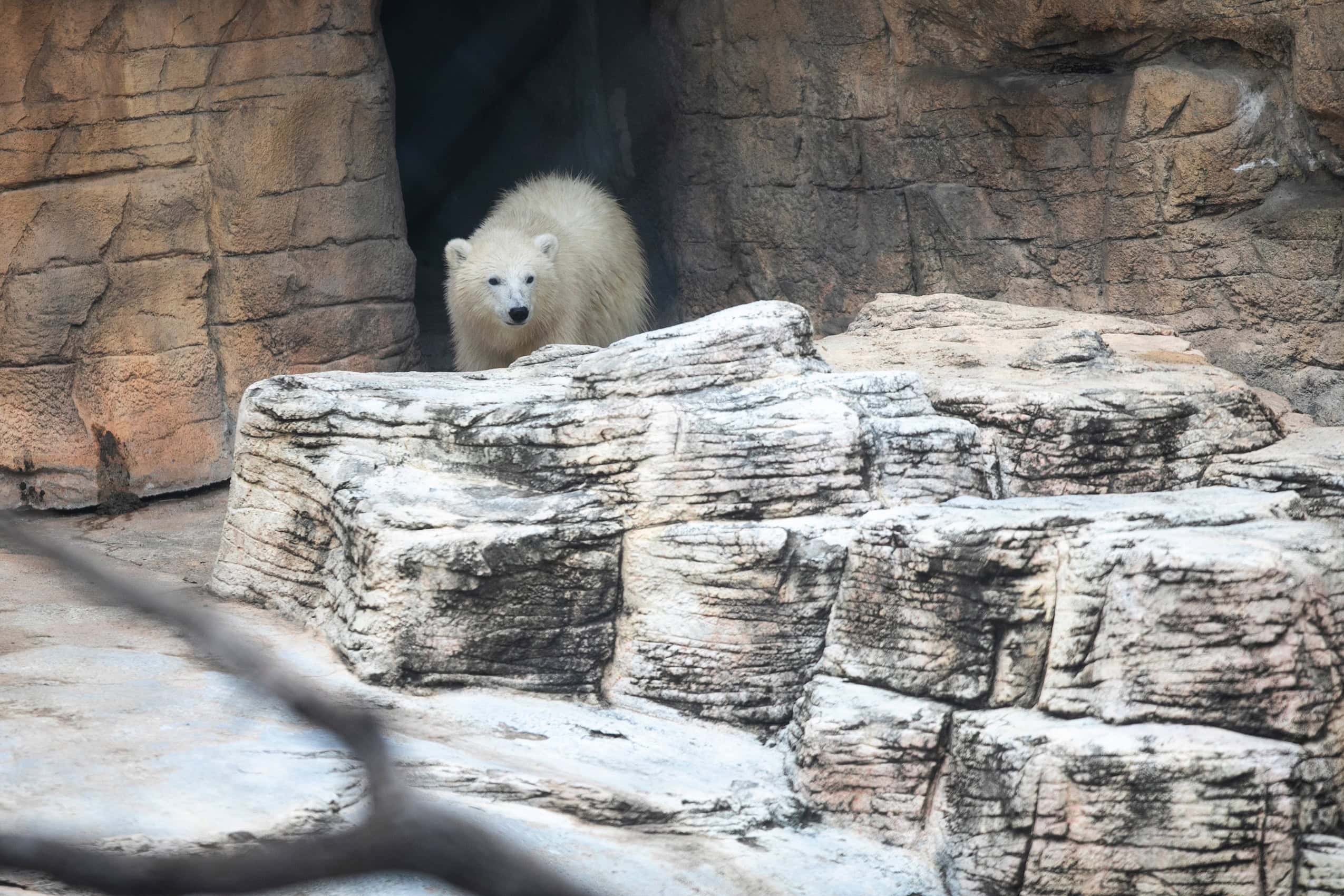
There are still worries around whether zoo living truly counts as rehabilitation, or whether releasing a cub that has grown accustomed to captivity back into the wild is feasible, but while the zoo has these bears, they hope to learn as much as they can from them. Photo: Mikaela MacKenzie / Winnipeg Free Press
For the zoo, the new cub promises to boost ticket sales as a novel attraction while serving as an ambassador for his northern brethren.
It’s a tough sell for Eliasson, the Churchill polar bear guide, who would rather see orphaned cubs returned to the wild or paired with adoptive mothers.
“It’s 2026, and Manitoba has a polar bear cub rehabilitation centre where the only option is to fly the cub to Winnipeg and put it in a zoo. To me, that doesn’t sound like rehabilitation,” he says.
Petersen, however, says release isn’t a viable option.
“Putting a grown, healthy bear that has relied on humans for all its food back on the landscape is just a huge risk to communities further north,” he says.
Meanwhile, the cub is spending his days climbing logs and splashing in the pool of his enclosure as visitors watch from beyond the fence.
And soon, he’ll have a new name. The public can vote for Duke, Marly, Fletcher or Mantayo — ideas compiled by students from the Duke of Marlborough School in Churchill that speak to landmarks in the North.
Eva Wasney is a reporter covering environmental issues in Manitoba. Her position is part of a partnership between The Narwhal and the Winnipeg Free Press.
The Narwhal’s reporters are telling environment stories you won’t read about anywhere else. Stay in the loop by signing up for our free weekly dose of independent journalism.
From The Narwhal | News on Climate Change, Environmental Issues in Canada via This RSS Feed.





hello