Yeah, but unfortunately it goes from May 13th until June 10th.
psycotica0
joined 3 years ago
It's cute... but I'm pretty sure JT lives in Montreal (which is in Quebec and not Ontario) and Katy Perry is from California.
Well, a few reasons. In the 2022 election Ontario had a voter turnout of 44%, meaning whoever gets chosen, it's not by "most people" because most people didn't even show up. Of those who did, 40% of votes were cast for Ford's party. So in terms of popular vote and raw numbers, about 18% of valid electors actually checked a box next to a Conservative candidate. Doesn't that feel kinda weird?
From the 40% of votes that were cast for a Conservative candidate, they received 68% of the seats. So even among the Ontarians that voted, 54% of them voted for someone left of Conservative and instead we got 68% Conservative representatives in parliament.
Of the places that voted for Conservative, most of them had relatively low population. Unsurprisingly, if you look at a map of Ontario for the riding results by colour, you can basically see where all the population centres are because they are the ones that aren't blue. So, as a concrete example, the places he's removing bike lanes are predominantly not places he was votes for.
To conclude, basically we don't vote for him. But he wins anyway due to structural bullshit, a lack of proportional representation, and then a bunch of apathy likely brought on by a lack of representation.
And before people reduce me too bad, fucking obviously living in a box and not having money to pay for food is tough. Obviously living with an abusive parent and not having the freedom to leave them is tough. But there are a lot of sad people who have lives much better than that.
Hah! I think as an interesting case-study, I read the thing and felt completely different about it.
I don't take it as saying "nothing matters, do nothing", I take it as saying stop looking for excuses outside of yourself!
You're not sad because you don't have a partner. You're not sad because you don't have a million dollars. You're not sad because you aren't promoted. You're sad because you're a sad person, and you'd be sad even if you got promoted into having a million dollar spouse. Doing stuff like that isn't going to make you happy, because a miserable person can turn anything sour, and a positive person can see the silver lining in most things.
Obviously there are extreme cases where it can be difficult to maintain positivity, but on the other side looking at most of the richest people on this earth there doesn't appear to be any amount of money or success that makes miserable people happy.
Now, I'm sure if you're sufficiently motivated you could take my take as "so you're saying I'll always suck and I shouldn't try" but that's actually not what I'm saying. What I'm saying is something something therapy positive mindset lifestyle change maybe medication. I don't know how to help you in particular. But the way you help yourself isn't by waiting for some milestone to solve your problems, or for the happiest day of your life to finally whisk you down the path of light.
The version of you you are right now is going to fuck those up and squander those opportunities, you're not ready for them. You need to somehow become the sort of person who can enjoy a bad day, and if you can do that, then most days won't be that bad. Even in the shadow of terrible days.
Linus Torvalds used AI to fix a Linux bug, and now LLM critics on Linux face an uncomfortable choice
Dude, I'm not an AI zealot, but I anthropomorphize my socks.
Nightmare
Looks great thanks!
And some more:
Test 2 on its own
Blah blah here's some facts!
More testing:
Test 3 on its own
Words and phrases, maybe hidden
Okay, in Jerboa it looks like you need the space between ":::" and the "spoiler" and there can't be empty lines, it's got to be the spoiler header, then the line you're marking up, then the closing tag? At least that's how my test looked to me, but maybe my other tests screwed up the parser 😛
Hello! I've just started using StreetComplete, and I want to make sure I understand the answers before I go through and make a bunch of garbage data.
In this picture, is the kerb a ramp, or flush?
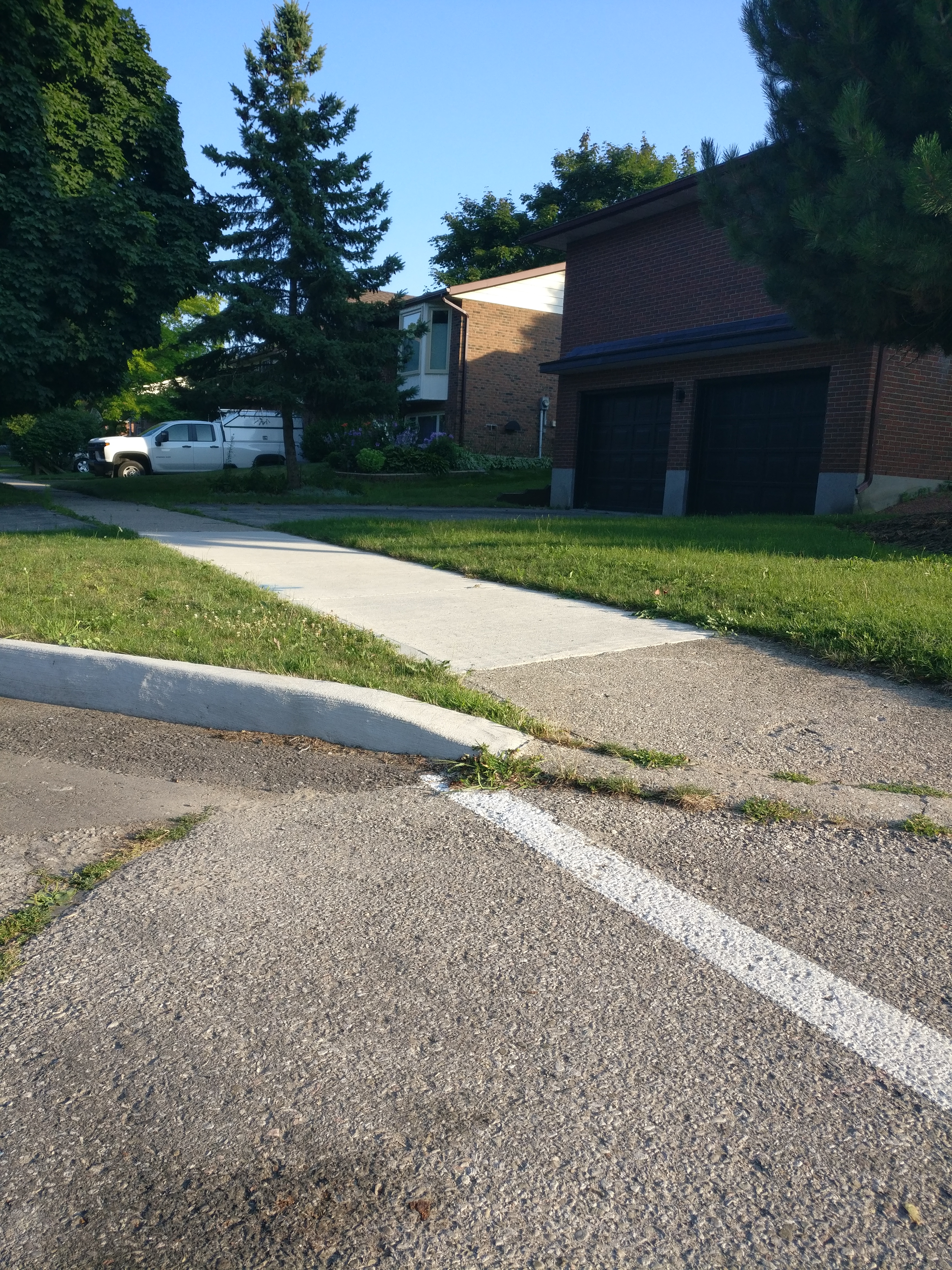
The sidewalk deflects downwards, but it's not a ramp ramp like the example picture.
How about this one?
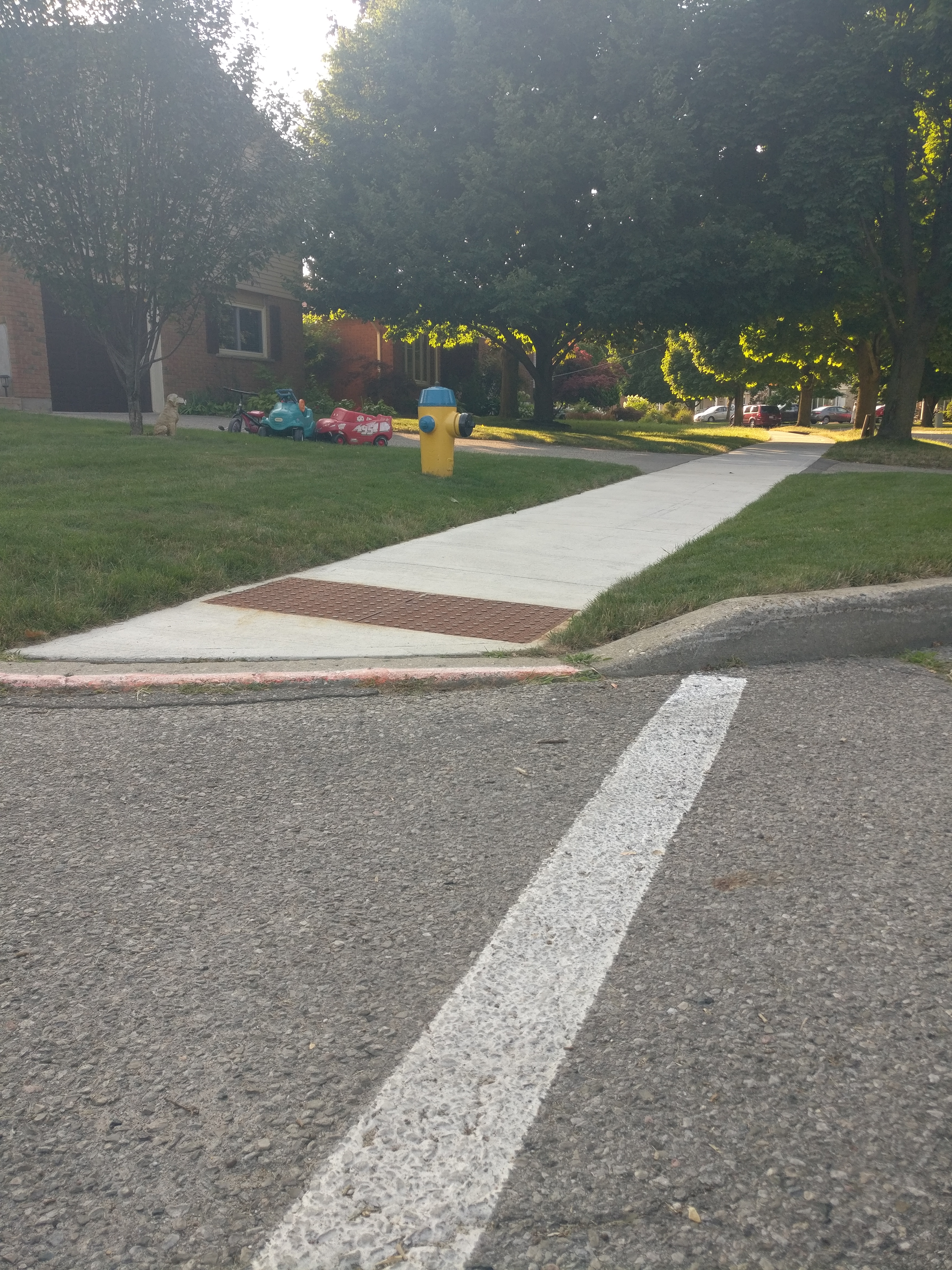
The kerb itself dips, but the sidewalk on this one looks more flat and does simply run into the road. And then it has the texture, obviously. Is this one different from the last one?
Also, just to check, I marked both of these sidewalks as "concrete". That's correct, right? I wondered about "concrete plate", because they're segmented, but the picture made concrete plate look much more substantial.
My other question was based on the "lit" tag for a bus stop. This bus stop has a street light near it, but there's no light on the bus stop itself. It sounds like that means it is lit? Would a non-lit stop just be one that is fully dark at night, then, with no kind of lighting anywhere near it at all?
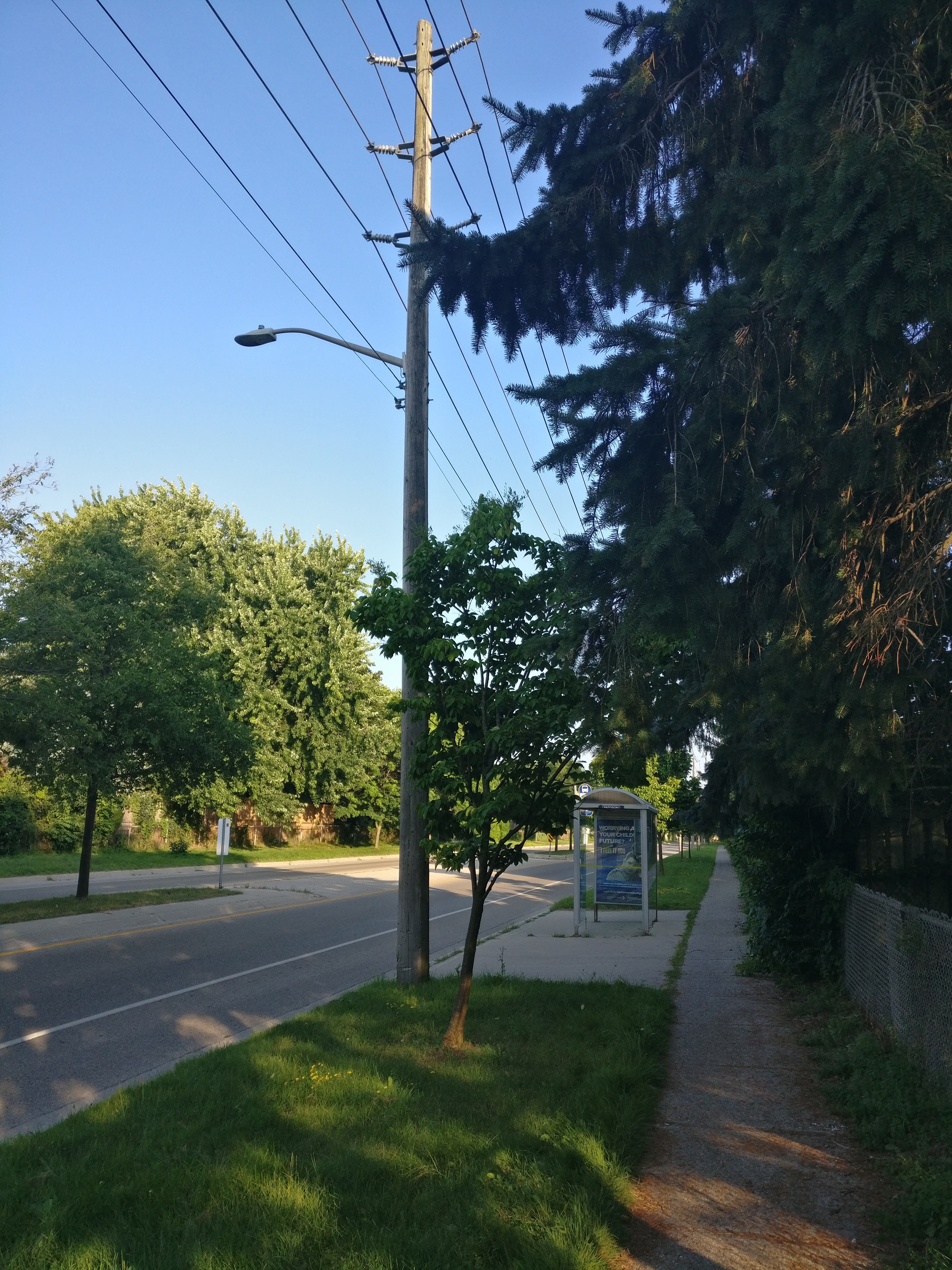
This one is further from the street light, but still has line of sight. Lit?
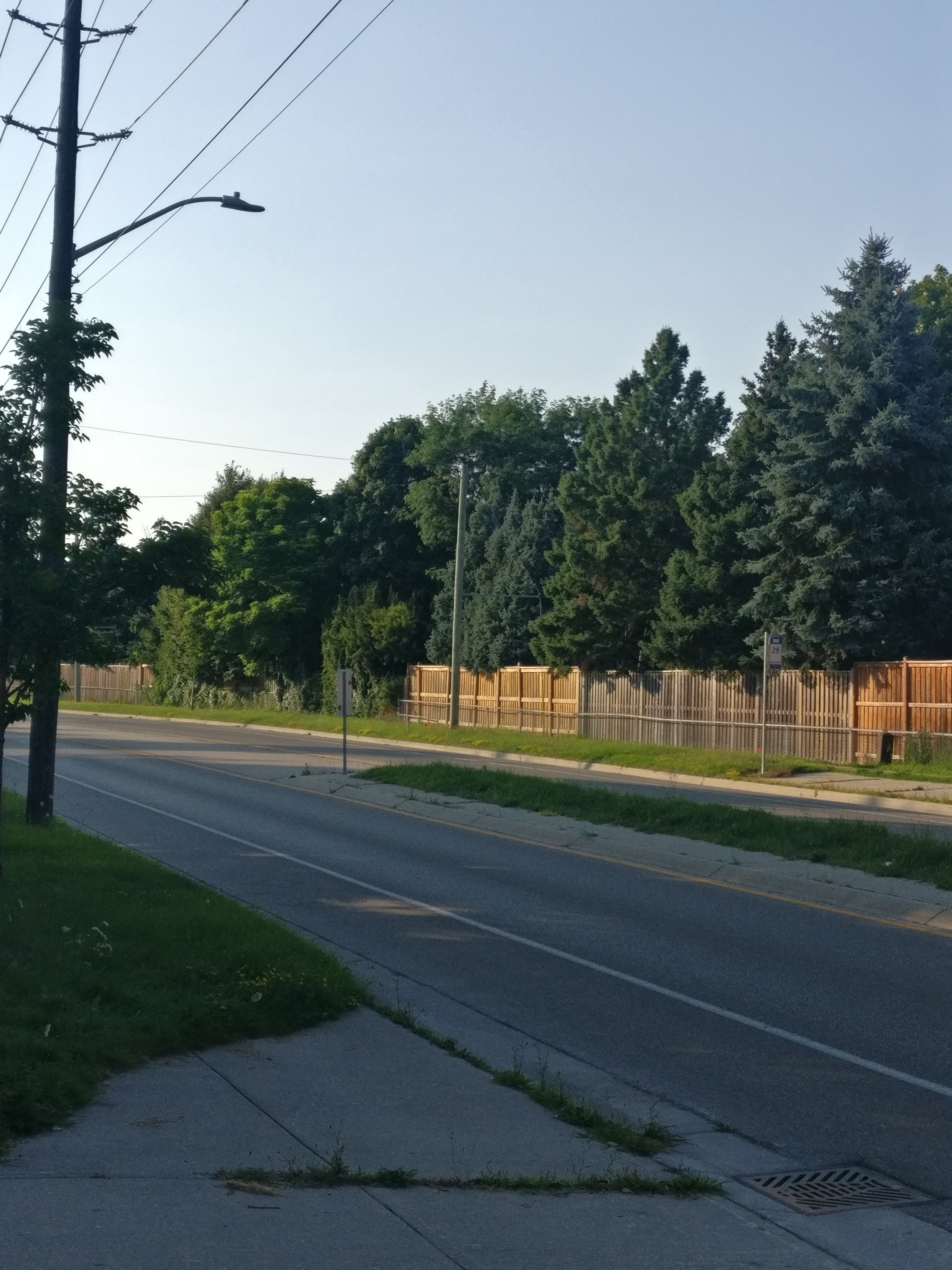
Thanks very much for any help you have!
Hello folks! I have these switches in my bathroom.
The rightmost is the lights, and the middle one is the bathroom fan, and I'd like to replace that middle one with something I could load tasmota on (or some other open source firmware), without replacing the other switch, the sockets, or the faceplate.
I haven't seen any smart switches that have a form factor that would fit through this faceplate, though; they seem to mostly want to be the entire electrical box.
If it weren't for the electrical plugs I could maybe replace this with some kind of 2-gang thing, which isn't really what I want but could be fine, but as it stands I'm not sure what my options here are.
I don't need the new switch to necessarily look like the old one, I just want it to fit in the same box and use the same faceplate. Do you folks have any recommendations?

view more: next ›
He has the tone of a guy trying to pull a political Uno-reverse gotcha... but I can't actually tell what the fuck he's trying to draw an allusion to?
Like, is this supposed to be an equivalent of "woman decides she doesn't want sex, persuing it anyway is sexual assault"? Is that supposed to be similar in any way? Is it supposed to be... something about Trans people? Somehow? I'm just not sure what he's even going for...