The battery induction stoves are pretty neat. You can plug them into a normal 120v outlet instead of needing to rewire. Plus they can be battery backups in the event of power outages.
this post was submitted on 31 Dec 2025
413 points (98.8% liked)
Climate
9054 readers
89 users here now
Discussion of climate, how it is changing, activism around that, the politics, and the energy systems change we need in order to stabilize things.
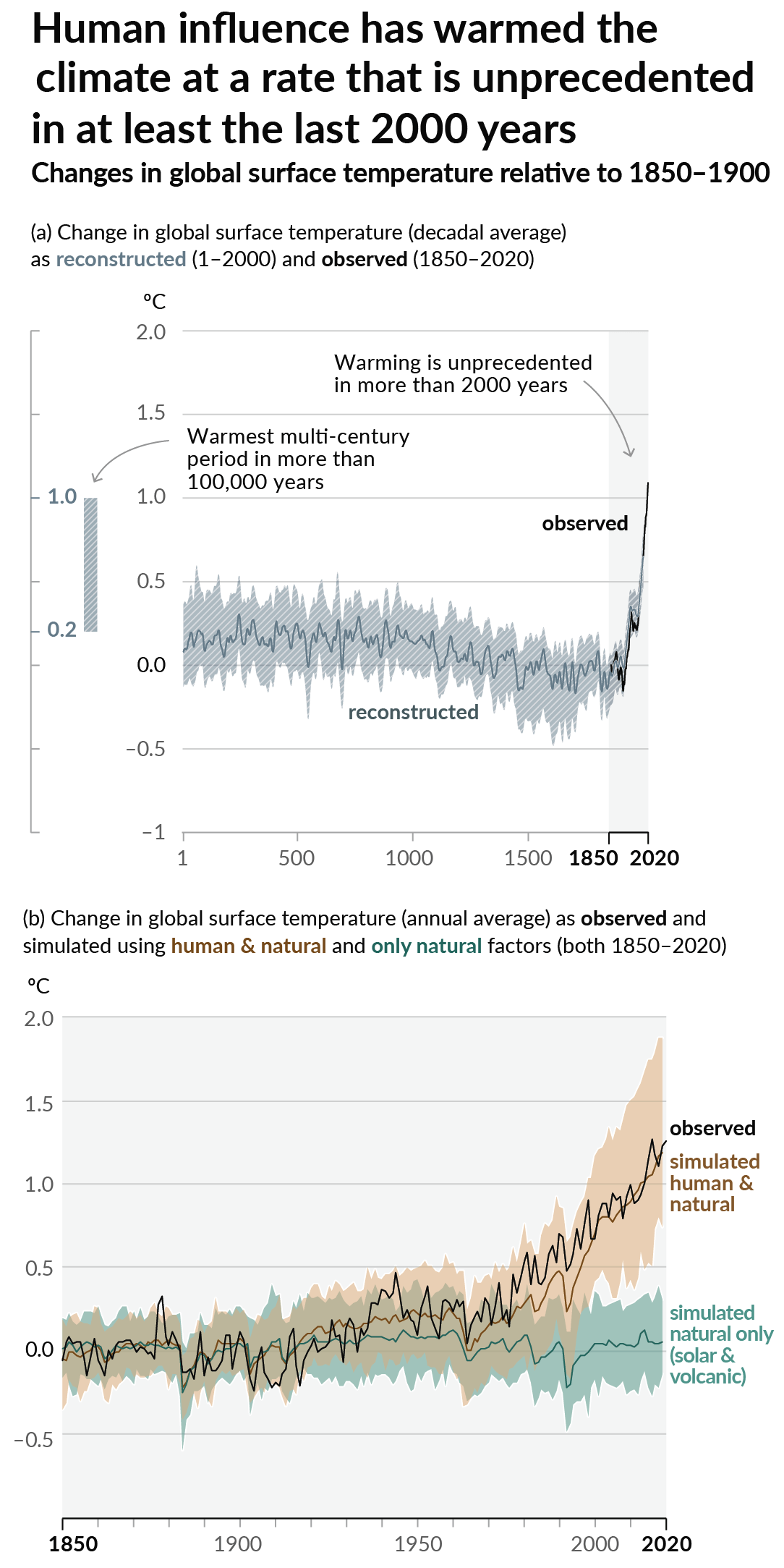
As a starting point, the burning of fossil fuels, and to a lesser extent deforestation and release of methane are responsible for the warming in recent decades:
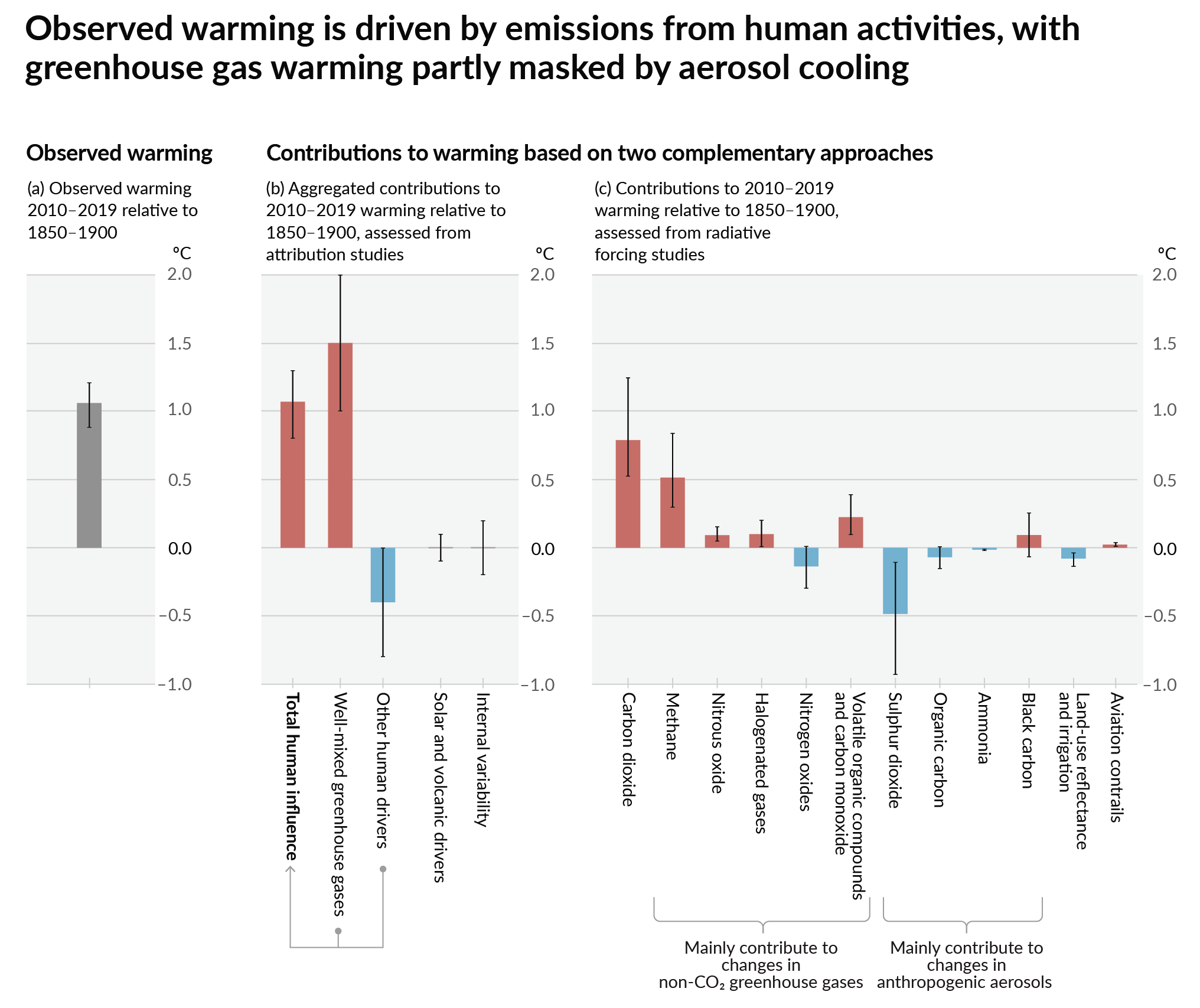
How much each change to the atmosphere has warmed the world:
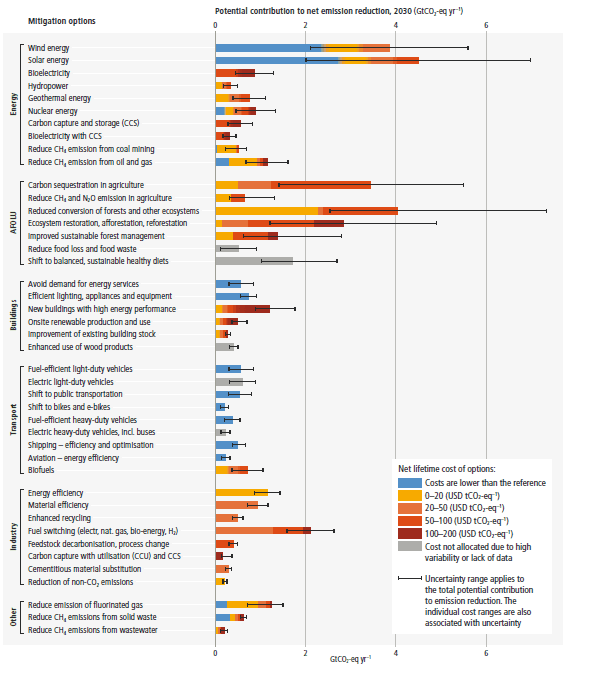
Recommended actions to cut greenhouse gas emissions in the near future:
Anti-science, inactivism, and unsupported conspiracy theories are not ok here.
founded 3 years ago
MODERATORS
How long can you run them before they run out of juice, though? I'm not sure I'd want to have "range" (pun intended) anxiety making Thanksgiving dinner.
You know, I’m not sure.
But “range” anxiety gave me a giggle so thanks for that.
https://copperhome.com/products/charlie
This one, as an example, has a 5 kWh battery. Having seen it in action it'll run itself for several hours unplugged. Pretty much indefinitely if charging.
Remember, while induction ranges typically have high power ratings (10+ kW), they aren't actually running the whole time. They use a decent amount of power for the initial heat up, or if youre running all of the burners on high trying to boil several large pots of water, but realistically that's not how you use a range.
Once the oven is up to temperature, it just kinda oscillates on and off, using comparatively little energy. Induction burners rarely run on full power because if you've ever cooked with induction you know you'll burn...everything... on high - they can really dump heat into a pan.
Actively cooking a big dinner with multiple burners, you may average about 2 kW. With 1 kW coming in from the wall, that gives you about 5 hours of sustained peak cook time.
A 5 kW peak stovetop is already more power than anyone can reasonably use with the amount of space available on a standard stove. Literally the only useful thing you can do at full power is bring water to a boil, because no actual cooking can happen at full power unless your diet is carbonized food. I have a 3.5 kW stovetop and it's perfectly adequate.
After the first 15-20 minutes of cooking (bringing water to a boil while preparing some onions/garlic/sauce/seasonings) it gets very hard to keep using 1 kW. By that point you'll be leaving things on medium heat at most. I can't think of a single home-cooked meal that would require continuously drawing a full 2 kW from the stove for multiple hours, that's a truly crazy amount of energy. Even an oven at full blast won't use anywhere near 2 kW once it has reached 250 °C.
load more comments
(2 replies)
load more comments
(15 replies)
Just a shame how expensive they are. Copper stoves (the ones that won the contract in the article) start at $5,999. They're a small start-up without economy of scale on their side, but that still just seems wildly overpriced for an induction stove with a lithium battery stuck inside.
To put that price in perspective, an electric convection toaster oven that can handle most oven needs can be had for $150 to $250, and a high quality countertop induction cooktop can be had for $116 (or less used), both of which run on standard 120v outlets.
Standard 240v induction ~~ovens~~ stove start at around $850.
load more comments
(5 replies)
Also some newer ones have temp sensors so you can keep a thing at the exact temp you need.
I saw one with magnetic removable knobs to make cleaning easier.
Also the outlet bits make installs drop-in for anyone, no electrician needed.
load more comments
(1 replies)
Those batteries can be used to provide backup power when the grid goes down.
https://electrek.co/2024/02/29/induction-ovens-with-big-batteries-solve-lots-of-problems/
load more comments
(13 replies)
This is important for those replacing gas or propane stoves and don’t want to add the cost of running a 240V line that most resistance and induction ovens require.
OK this makes sense. It answers my WTF reaction at the thought of a battery-backed range.
load more comments
(9 replies)
I just got an induction cook top and it’s amazing. WAY more efficient than alternatives, better indoor air quality as compared to gas. One problem: can’t cook if the power is out. Good ideas all around.
Some gas stoves require electricity to continue operating due to electric safety sensors that shut the stove gas off if the flame goes out. They too would be useless in a power outage because the valves would not open. So it’s not just electric stoves that would be out of luck.
If you have room to store one, a used camp stove and gas cylinder are fine for basics. No need to buy a fancy new one. Or even a gas bbq grill.
Don't forget about the electric ventilation being out if theres a power outage. You don't want to cook with a gas stove indoors with that off.
load more comments
(3 replies)
load more comments
(6 replies)
Induction burners are of limited utility in some scenarios like restaurants or with certain cuisines (someone else mentioned woks) but 99.9% of residential needs are readily met with an induction burner. In fact, were I live electric coil stoves are the norm in homes anyway and induction is generally considered an improvement over those.
Their utility isn't limited. Restaurant chefs love them.
We just don't have the infra. Buildings and backbone would need retrofits.
load more comments
(10 replies)
load more comments
(3 replies)
As an added benefit besides the environmental ones - you can't blow out a wall and collapse a house with careless use of an induction cooker. :)
load more comments
(3 replies)
I'd consider the health benefits a bigger benefit than the energy savings. Less chance of getting asthma and/or cancer is a pretty big boon.
And just yesterday people were arguing with me here, on lemmy, that induction is too expensive. There are literally single plate cook tops for like $50! And how expensive do you think the cancer will be?
load more comments
(3 replies)
It's also a safety upgrade, as the risk of fires is much diminished.
The video of the stove setup seems great till they get to the part that you have to connect your stove to WiFi and pair it with their phone app. This means I'm never buying the Charlie stove.
If it was just a standard Matter device, I’d be fine with it. But fuck one off apps for smart devices. They are always shitty, and always get neglected or abandoned.
load more comments
(1 replies)
Maybe if we go for 1,000,000 pilot programs we can piecemeal sneak ourselves into some kind of real change.
The plan is to do a limited-scale pilot, then do 10,000 apartments once a smooth process doing the upgrade is in place
Yeah, test cases to feel out doing shit at scale is good cautious practice for not fucking upat scale
load more comments
(1 replies)
load more comments
(1 replies)
I love electric stoves. So much more efficient, and you don't have to pay a monthly bill just to have the option to use it. You pay for what you use when you use it. Wish they were available in more places.
load more comments
(2 replies)
Don't you need special pots and pans for induction stoves? Would a cast iron skillet work on one of those? Or a standard non stick pan?
Yes, you can test with a magnet. If it doesn't react, it won't work. Aluminium for instance doesn't work.
I don't know why you were down voted and the user below gave misinformation. I bought a non stick pan before without noticing it wouldn't work with my induction. Now I bring a magnet when choosing a pan.
Aluminium for instance doesn’t work.
A lot of cheap pans I've seen at (AU) Kmart, Big W, Ikea etc are aluminum with a teflon-esque coating, but with a carbon-steel circle attached to the bottom that makes it induction compatible.
load more comments
(1 replies)
Would a cast iron skillet work on one of those?
Definitely, you just need pans with a ferromagnetic bottom, so cast iron works very well.
The outer material doesn't matter - only the base. Many cheap induction-compatible pans are made mostly of aluminum with a non-stick coating, but containing a layer of ferromagnetic material in the base that will heat up on an induction stove.
load more comments
(17 replies)
That’s a fair amount of backup battery and inverter power to run a stove, too. Awesome that that’s cheap enough to install en masse.
view more: next ›