this post was submitted on 11 Apr 2026
44 points (97.8% liked)
Climate
8528 readers
207 users here now
Discussion of climate, how it is changing, activism around that, the politics, and the energy systems change we need in order to stabilize things.
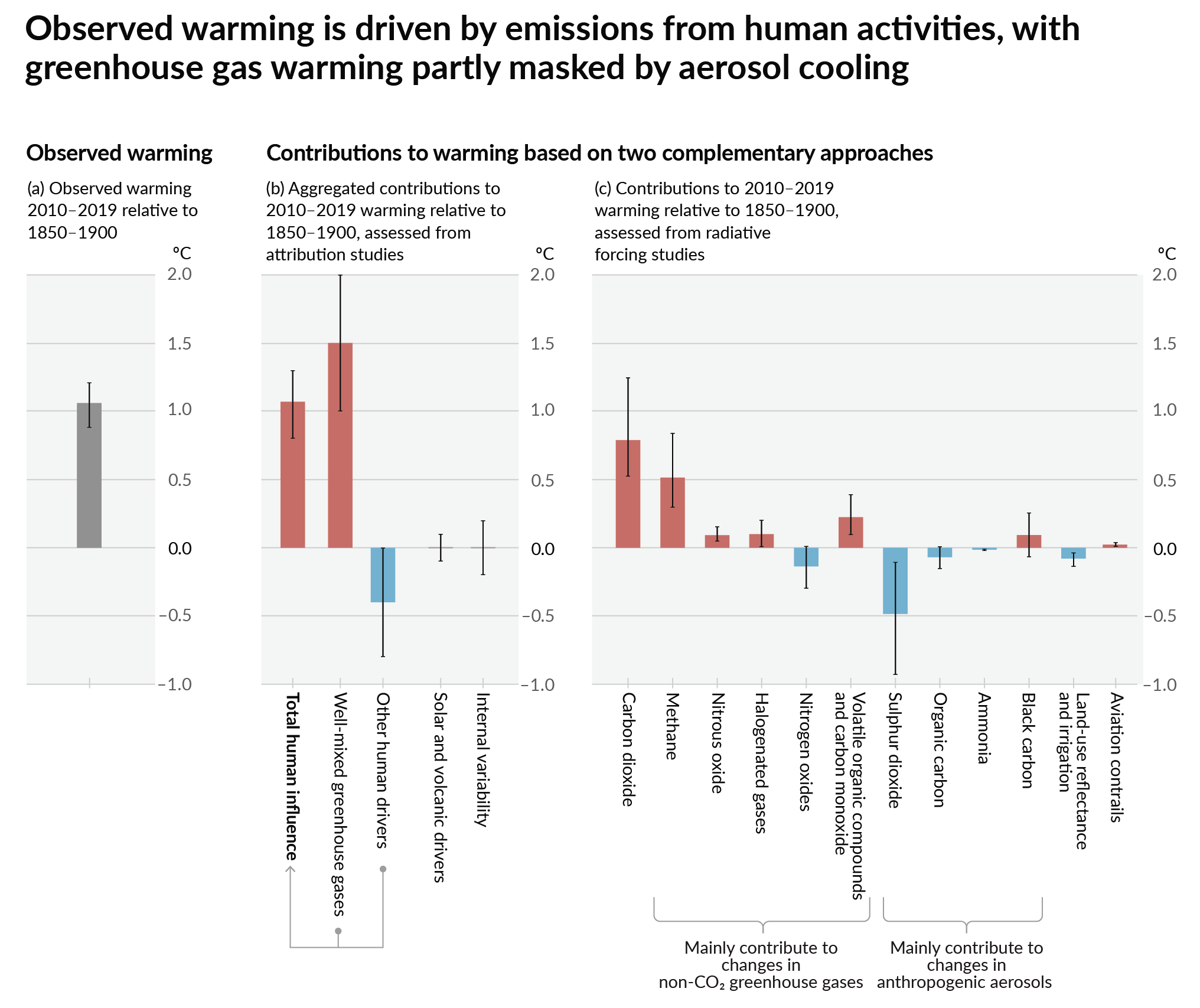
As a starting point, the burning of fossil fuels, and to a lesser extent deforestation and release of methane are responsible for the warming in recent decades:
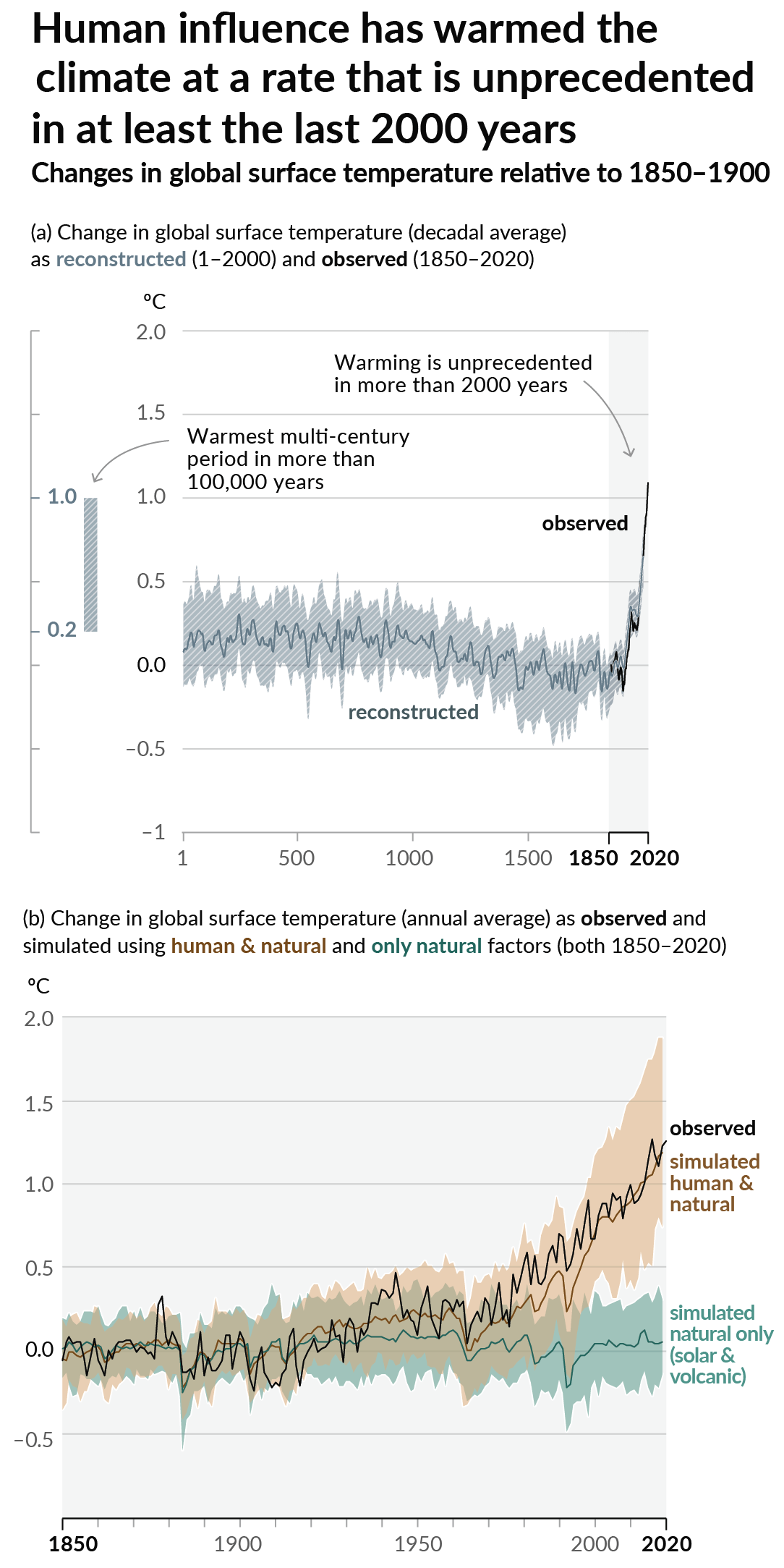
How much each change to the atmosphere has warmed the world:
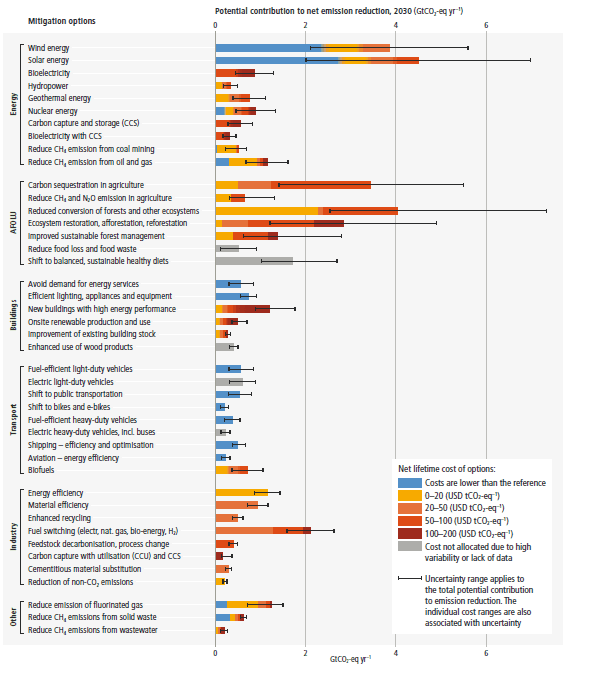
Recommended actions to cut greenhouse gas emissions in the near future:
Anti-science, inactivism, and unsupported conspiracy theories are not ok here.
founded 2 years ago
MODERATORS
you are viewing a single comment's thread
view the rest of the comments
view the rest of the comments
There are some youtube creators who frequently cover the great green wall, like Andrew Millison. I've noticed that lately the videos seem to cover the failures more. You need tons of local buy-in to make anything work.
One problem is that in many places, they have a culture of herding animals, and if nobody is there to stop them, they see these areas growing grasses and saplings, and what do you think they're going to do? Of course they send their animals in to graze and end up destroying all progress.
Part of the original reason for desertification is because humans are always actively killing everything green.
To make any progress against migratory grazing wild animals and herders, they need to create systems especially with them in mind, so that they have somewhere they can graze without causing great harm, and they need locals to enforce it.
That being said, they've spent tens of billions on this problem, and although the article is pessimistic, the truth is that you can't give up just because it's harder than expected. Even the article estimated something like 10% success iirc. It's not impossible, and failure will be devastating in the long term. If you believe in protecting the environment, then you have to keep spending and learning through failures until you succeed.
If it was easy to fix, we'd have already fixed it.
The other issue is that not all climates are suitable for growing trees (at least with current methods and technology). Yes, human efforts can shift things a bit more in the forest direction in marginal cases but if there is no rain there will be no trees in the long term. And, unfortunately, due to carbon emissions, most of the earth is getting less suitable for trees, not more.
Some of this greening the desert stuff relies on optimism that flies in the face of basic ecology.
I mean, it's true that not all climates are suitable for growing trees, but the Sahel area's climate is historically suitable for growing trees, and according to again some videos I recently watched, there are actually still trees in those areas, but they look like bushes because they've been cut down or pruned poorly. A lot of them can be repaired just through careful pruning.
In some areas I'm sure this is true. But remember that we're are no longer living in the historical climate. Marginally suitable for trees in the past may mean no longer suitable today. And even more so with another few decades of warming.
Smaller projects would be better to start with so we can establish what works and where. That's why these mega-projects usually fail.
But by the same token, what is unsuitable for trees today doesn't have to be unsuitable a decade from now. Plant growth affects the climate. Retaining moisture, stabilizing day-night temperatures, retaining topsoil, changing surface albedo, triggering cloud formation, etc.
Ideally a mega-project is thousands of small projects being attempted at once in a way that is useful even if only a fraction of them work. Those 10% of places that worked could be used as a jumping off point for further efforts in the region, and in all cases people learned valuable agriculture skills they can take with them for the rest of their lives.
You're making a good point. This is one of the reasons why flood and fire insurance is skyrocketing. Our historical models are no longer able to accurately predict future risk.