this post was submitted on 11 Apr 2026
43 points (97.8% liked)
Climate
8528 readers
159 users here now
Discussion of climate, how it is changing, activism around that, the politics, and the energy systems change we need in order to stabilize things.
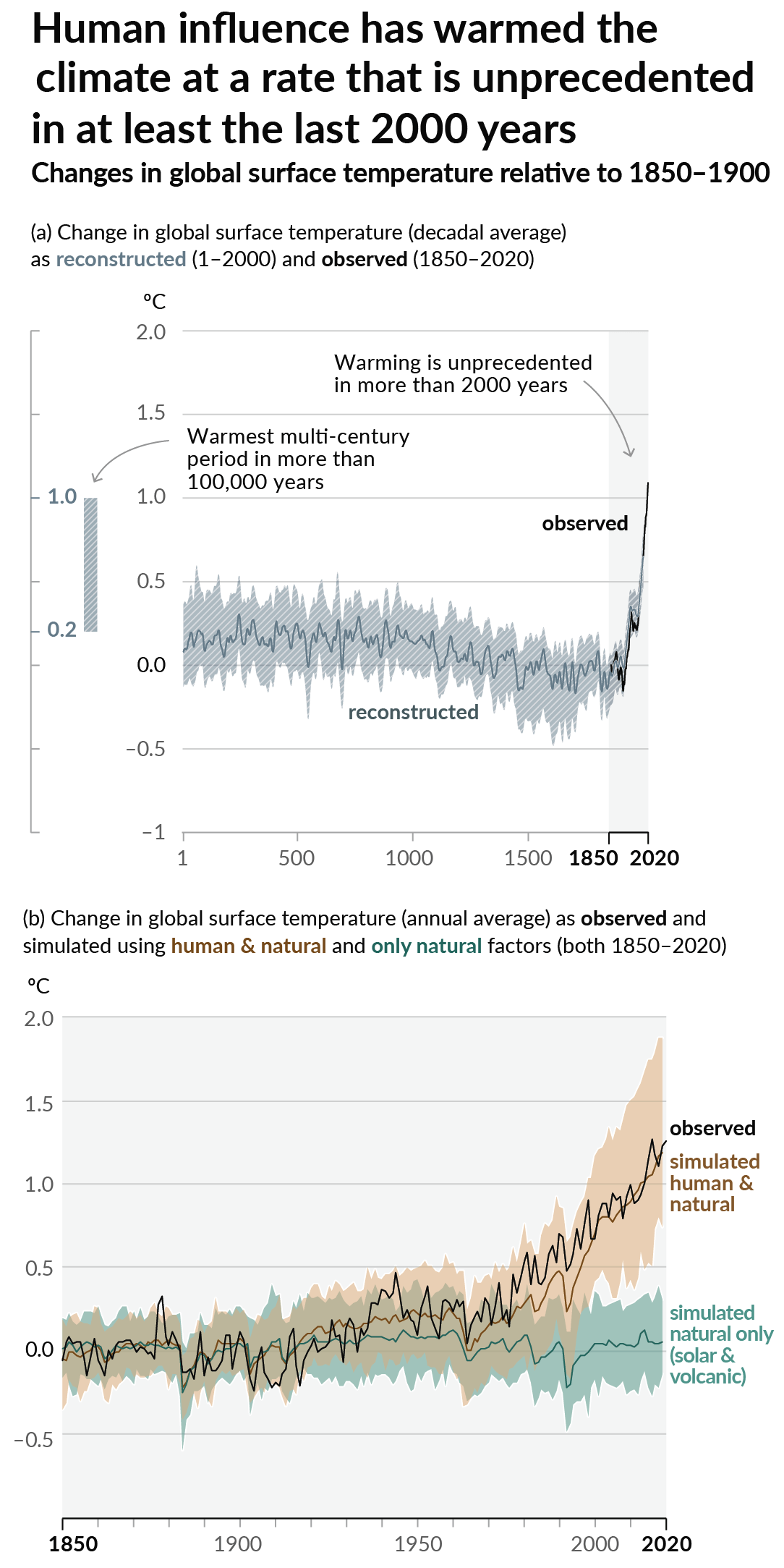
As a starting point, the burning of fossil fuels, and to a lesser extent deforestation and release of methane are responsible for the warming in recent decades:
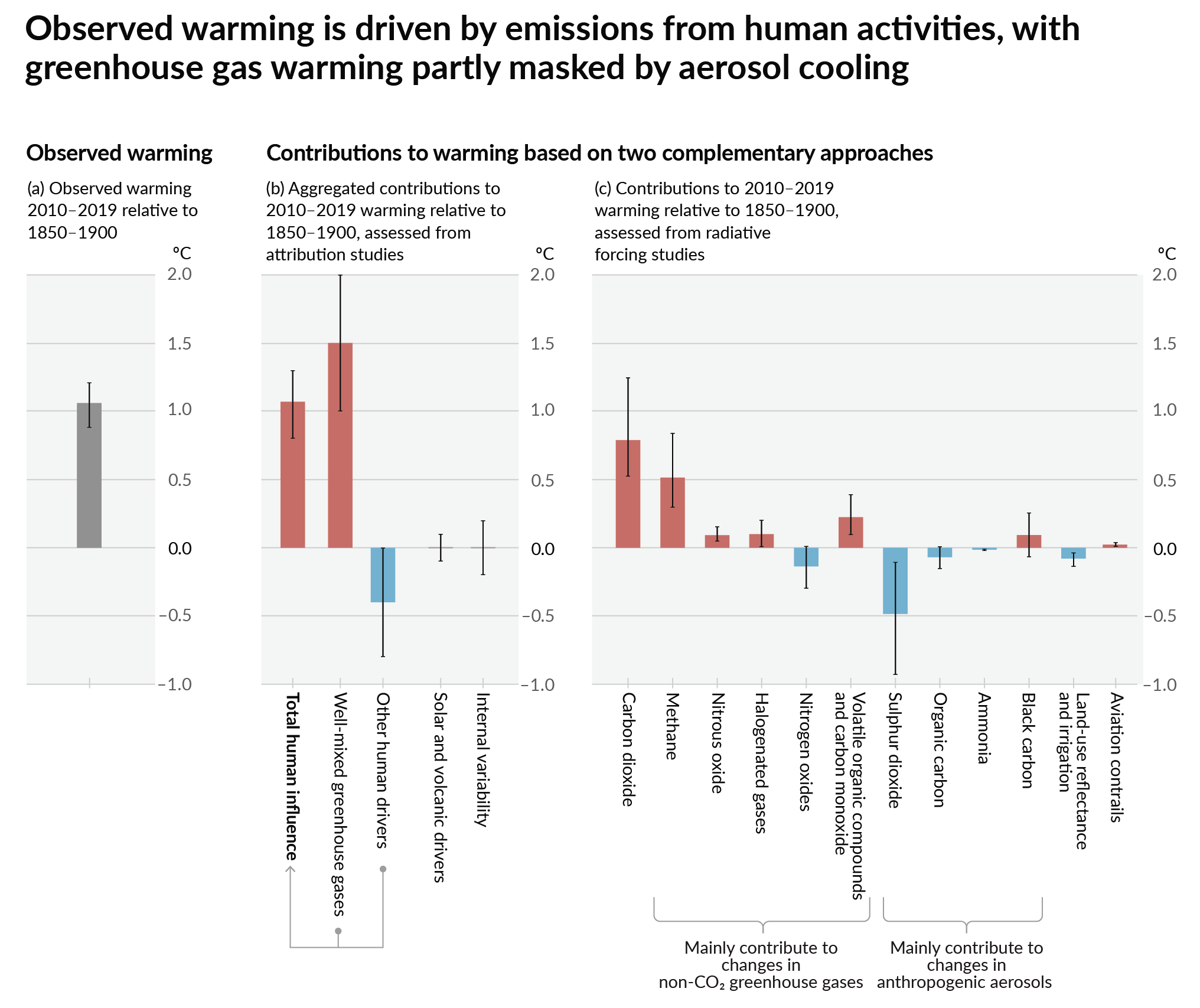
How much each change to the atmosphere has warmed the world:
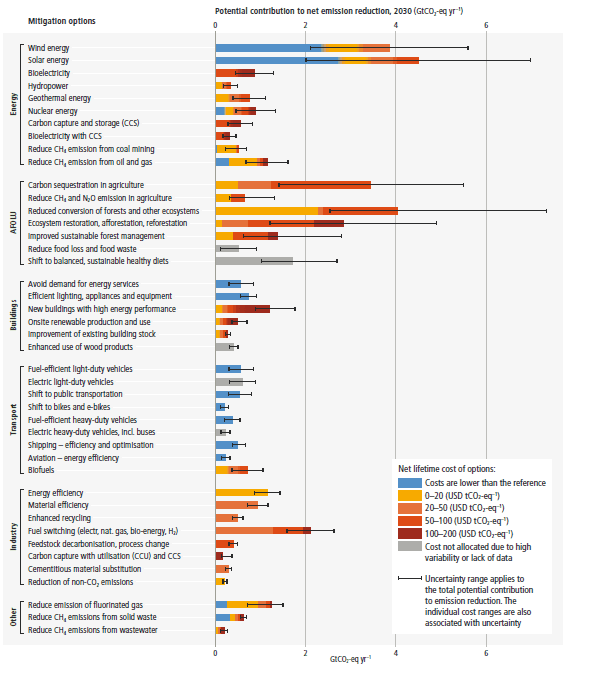
Recommended actions to cut greenhouse gas emissions in the near future:
Anti-science, inactivism, and unsupported conspiracy theories are not ok here.
founded 2 years ago
MODERATORS
you are viewing a single comment's thread
view the rest of the comments
view the rest of the comments
But by the same token, what is unsuitable for trees today doesn't have to be unsuitable a decade from now. Plant growth affects the climate. Retaining moisture, stabilizing day-night temperatures, retaining topsoil, changing surface albedo, triggering cloud formation, etc.
Ideally a mega-project is thousands of small projects being attempted at once in a way that is useful even if only a fraction of them work. Those 10% of places that worked could be used as a jumping off point for further efforts in the region, and in all cases people learned valuable agriculture skills they can take with them for the rest of their lives.