this post was submitted on 22 Feb 2024
102 points (96.4% liked)

Home Improvement

14103 readers
3 users here now

Home Improvement

founded 2 years ago
MODERATORS
 

Hey!

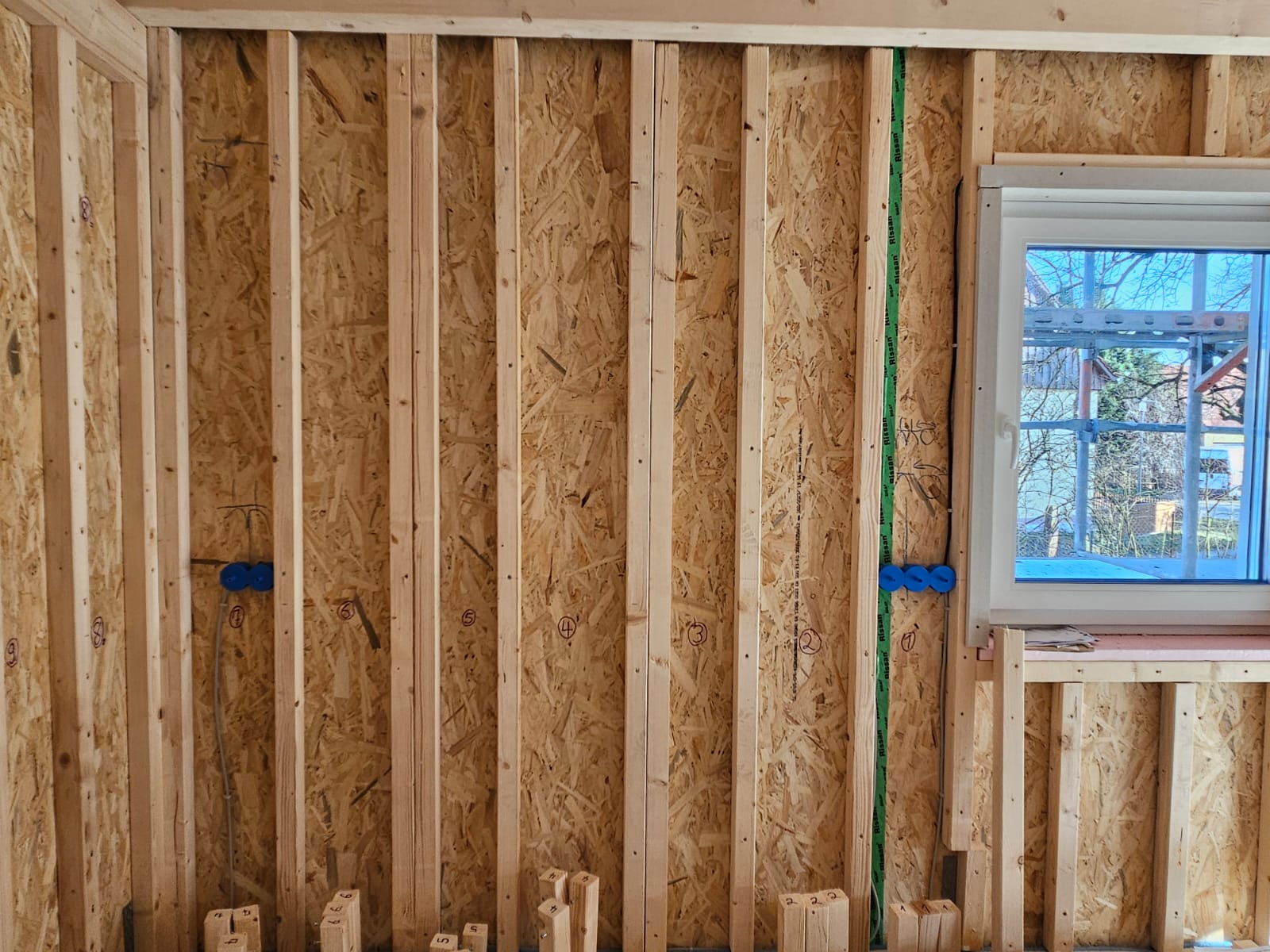
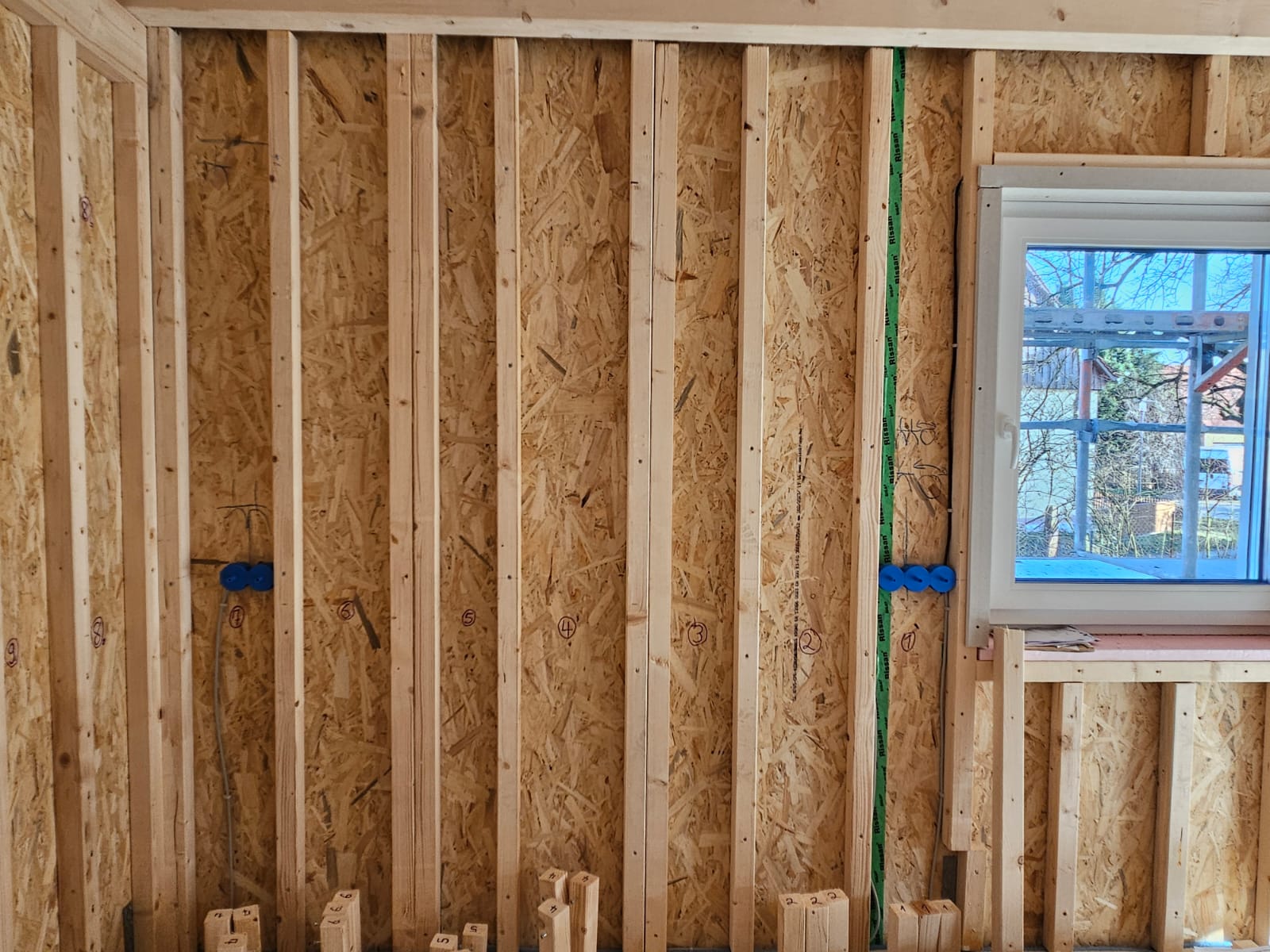
Currently doing drywall myself and I am using 6x6 cm squared timber around my outside walls.

The problem is they aren't as stable as the other walls inside the house because of the 6x6 cm squared timbers that are about 30cm distance from each other.

I will screw my plasterboards on the squared timber and only one plasterboard, not two.

I have two pictures of what my construction looks like from far and one from close.

Maybe someone can give me advice before I install the plasterboard onto it.

The only problem I currently see is finding the subconstruction once I put the plasterboards back on. But other than that, if I find them can I install the cabinets safely?
top 50 comments
sorted by: hot top controversial new old
[–] guyrocket@kbin.social 48 points 2 years ago* (last edited 2 years ago) (1 children)

In this thread: OP scaring the Americans because they think what they see in OP's pictures is the extent of the wall.

If fact, OP is just building out from an existing wall that is behind the OSB in his pictures.

Grogon, ask a local carpenter. I don't think Americans understand your German construction.

[–] Mr_Blott@lemmy.world 15 points 2 years ago

Sarry buddy but yor camment ain't upda code. Gatta rip it out n stard agin

[–] scrion@lemmy.world 33 points 2 years ago* (last edited 2 years ago) (2 children)

I'll answer this one in German since this is my time to shine. Let me just say, the wall is perfectly fine, what we see is just another layer of OSB board for ease of installation on top of the actual wall behind it (which is well framed and insulated).

Dies ist ein sehr unterhaltsamer thread fuer mich, da ich beide Seiten verstehen kann.

Auf der Webseite von Wolf Haus ist die Installationsebene aus OSB zu sehen, die angegebene Punktlast ist 70kg pro Schraube. Wenn du sicherstellst, das deine Schrauben durch die Kanthoelzer in die OSB-Platte gehen, solltest du dich auf diese Angaben verlassen koennen, also eine Schraube haelt dann 70kg.

Deutschland hat selbstverstaendlich auch eine Norm fuer Kuechenmoebel, DIN 68930. Da bekommst du ein Gefuehl dafuer, wie schwer Kuechenschraenke werden koennen. Die Nachbarn in der Schweiz verwenden die Norm SN EN 14749, zum Vergleich. Es ist nicht ungewoehnlich, einen Schrank (wall cabinet) mit 120kg Belastung zu testen.

Beachte bitte auch die Distanz der Schrauben, man darf nicht zu nah oder zu weit setzen. Ich habe das hier auf Deutsch gefunden:

https://www.huettemann.de/lagerkatalog/download/osb4_belastung.pdf

Ich wuerde immer mit einem margin zur Sicherheit rechnen, vielleicht 20%. Eine Schraube haelt dann also 0.8x70kg = 56kg. Wenn du die Distanzen beachtest und dir das Gewicht deines Schrankes ausrechnest und auf entsprechend viele Schrauben verteilst, solltest du safe sein.

Ich gehe natuerlich davon aus, das die Installationsebene von Wolf Haus fachgerecht konstruiert wurde.

[–] Grogon@lemmy.world 13 points 2 years ago (1 children)
[–] scrion@lemmy.world 10 points 2 years ago (1 children)

Noch etwas: die beste Methode ist wirklich, sich mit Bleistift vor der Montage der Gipskartonplatten die Lage der Hoelzer zu markieren.

Falls du das an einer Stelle vergessen hast, kannst du spaeter immer noch einen stud finder verwenden. Ich kenne die amerikanischen brands, habe aber mittlerweile auch solche Geraete gebraucht und getestet.

Der gruene stud finder von Bosch ist trash, aber der GSM120 aus der professional Reihe funktioniert gut:

https://www.bosch-professional.com/de/de/products/gms-120-0601081000

Findet auch elektrische Leitung und Rohre

[–] Grogon@lemmy.world 3 points 2 years ago

Ja voll cool!

Ich habe alle Wände abfotografiert und Abmessungen der Lattungen (30cm Abstände) gemerkt. Aber das es sowas gibt ist ja echt wahnsinn. Danke!

[–] ikidd@lemmy.world 31 points 2 years ago (1 children)

There's about one person in this thread that knows what is going on. Ignore pretty much everyone else.

[–] Kusimulkku@lemm.ee 9 points 2 years ago

As is tradition

[–] Grogon@lemmy.world 11 points 2 years ago

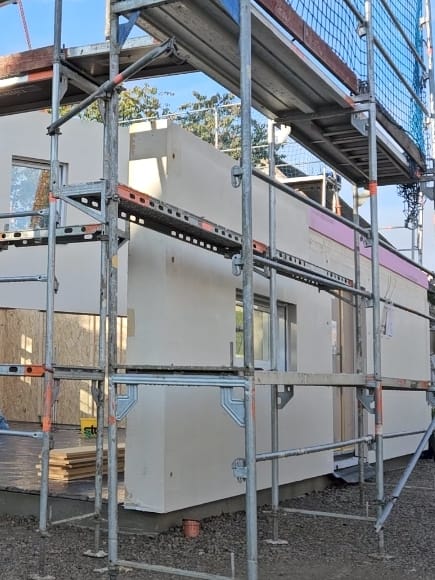
Here is a picture of the wall how it looked when the house got delivered

[–] Grogon@lemmy.world 11 points 2 years ago (2 children)

It didnt allow me to post two pictures.

[–] Grogon@lemmy.world 8 points 2 years ago (17 children)
load more comments (16 replies)
[–] GBU_28@lemm.ee 10 points 2 years ago (1 children)

The responses are hilarious. Be brave OP

load more comments (1 replies)
[–] someguy3@lemmy.ca 6 points 2 years ago (1 children)

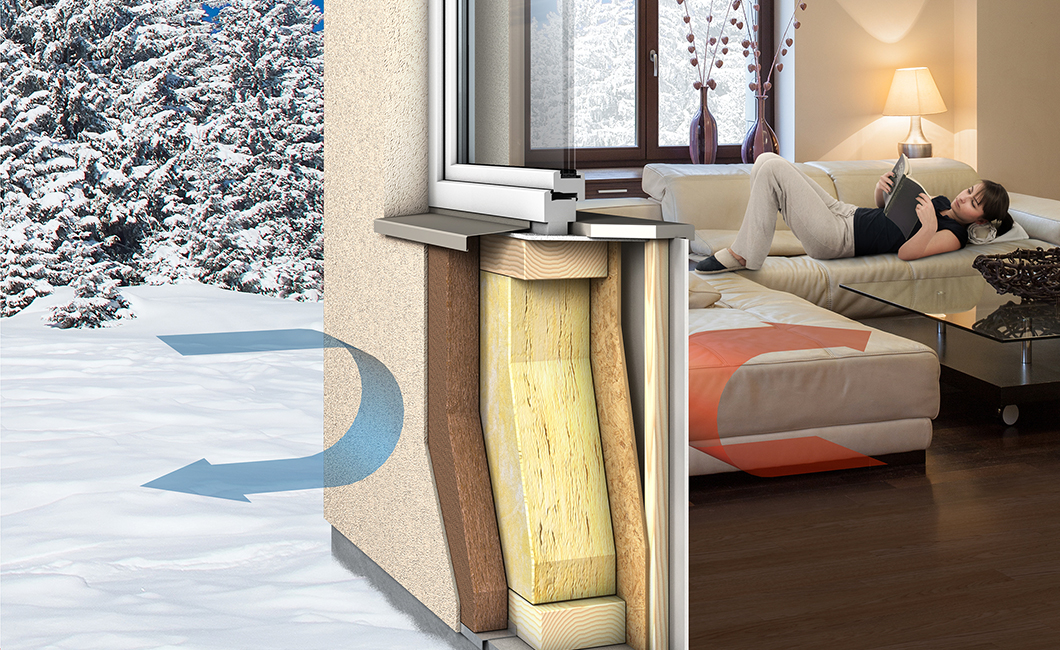
How are you getting any insulation in a wall that thin?

[–] Grogon@lemmy.world 6 points 2 years ago (1 children)

Insulation is already behind the squared timber.

The wall is actually behind the frame I am putting on the wall. It is an installation level for electricity and I can hang my plasterboards on that.

The insulation is 240mm thick behind the Plywood. That is where the vapor barrier is and the other plywood.

[–] Grogon@lemmy.world 10 points 2 years ago (2 children)

https://www.wolf-haus.de/ihr-mehrwert/mehr-holz/

If you scroll down:

The wall is complete. I am doing step 5 (6x6 cm timber) and tthe plasterboard. Behind the timber that I am putting on the wall is about 33 cm thick

load more comments (2 replies)
[–] Grumpydaddy@lemmy.world 6 points 2 years ago* (last edited 2 years ago)

We use three horizontal strips of thin flat stock metal attached to the studs with truss head screws before sheetrock to provide solid blocking at top and bottom of upper cabinets and also at top of base cabinets. The stock can be 20 or 22 ga. And 6" wide. You still may want to catch studs as best you can. I posted a picture showing the two strips that hold the upper cabinets. I'm not sure what the metric equivalent to gauge would be but you guys probably have something similar.

load more comments
view more: next ›