22
How to Replace Air Conditioning? Passive Strategies for Addressing Global Warming
(www.archdaily.com)
Discussion of climate, how it is changing, activism around that, the politics, and the energy systems change we need in order to stabilize things.
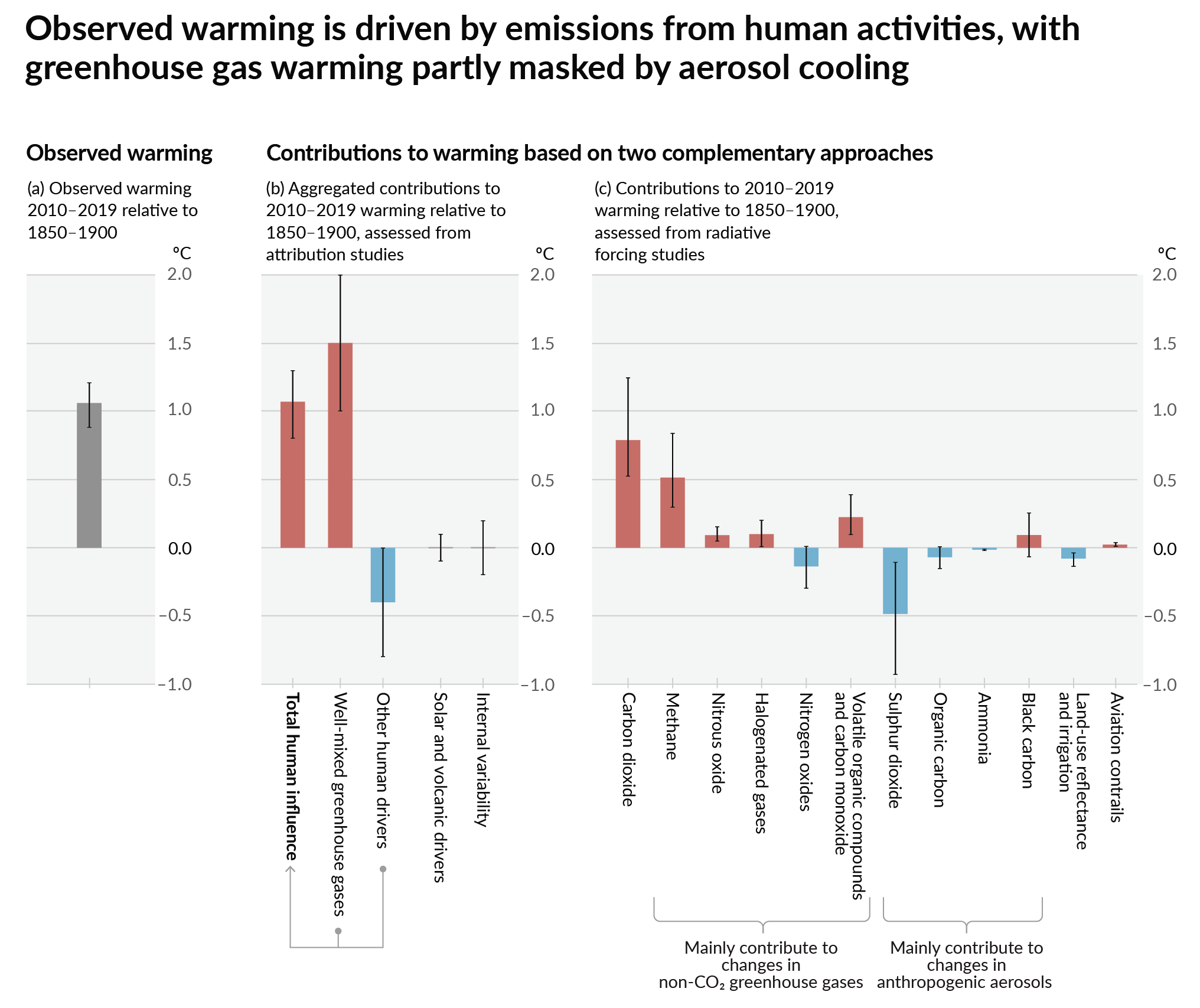
As a starting point, the burning of fossil fuels, and to a lesser extent deforestation and release of methane are responsible for the warming in recent decades:
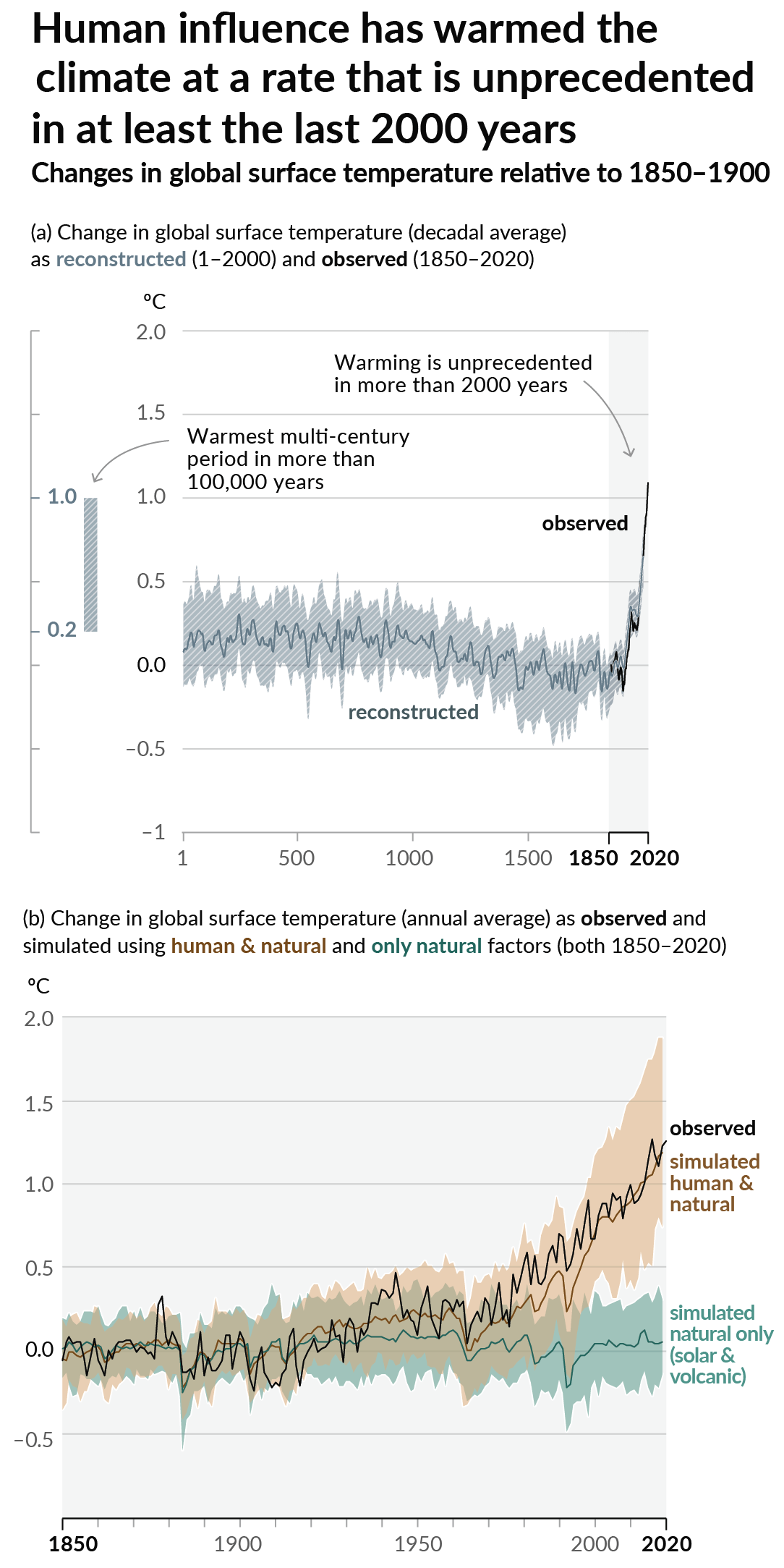
How much each change to the atmosphere has warmed the world:
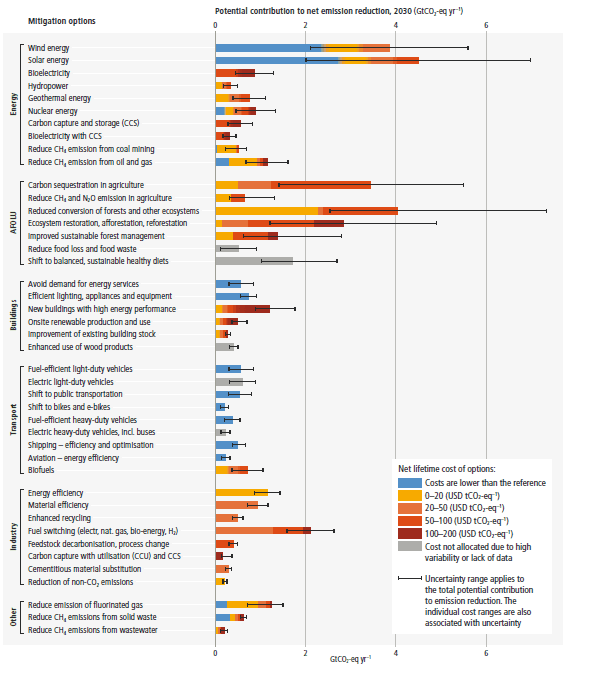
Recommended actions to cut greenhouse gas emissions in the near future:
Anti-science, inactivism, and unsupported conspiracy theories are not ok here.
Insulation works both ways... It keeps houses warm in the winter and cool in the summer.
Huge benefits for small cost if we design with this in mind:
It is incredibly easy to press a button on the remote and watch the room temperature drop by 10 degrees Celsius in a matter of minutes. However, perhaps we would not be so reliant on this sudden cooling if our cities offered high-quality and accessible urban design featuring vegetated surfaces, shaded areas, or water elements that help reduce overall urban temperatures. The revitalization of the Cheonggyecheon River in Seoul is a practical example of how we should approach our cities. Following its revitalization and integration into Seoul, it was observed that temperatures along the river decreased by between 3.3°C and 5.9°C compared to a street just a few blocks away.
In addition to urban considerations, when it comes to architectural strategies, passive mitigation of high temperatures relies on several well-known yet perhaps equally underestimated measures. These include shading (via vegetation or built volumes), reflective surfaces, generating thermal mass through materials, proper solar orientation, and cross ventilation. Research suggests that combining these passive strategies can result in an average internal temperature decrease of 2.2°C, a 31% reduction in cooling load, and a 29% energy savings.