this post was submitted on 30 Apr 2026
519 points (98.0% liked)
Climate
8660 readers
318 users here now
Discussion of climate, how it is changing, activism around that, the politics, and the energy systems change we need in order to stabilize things.
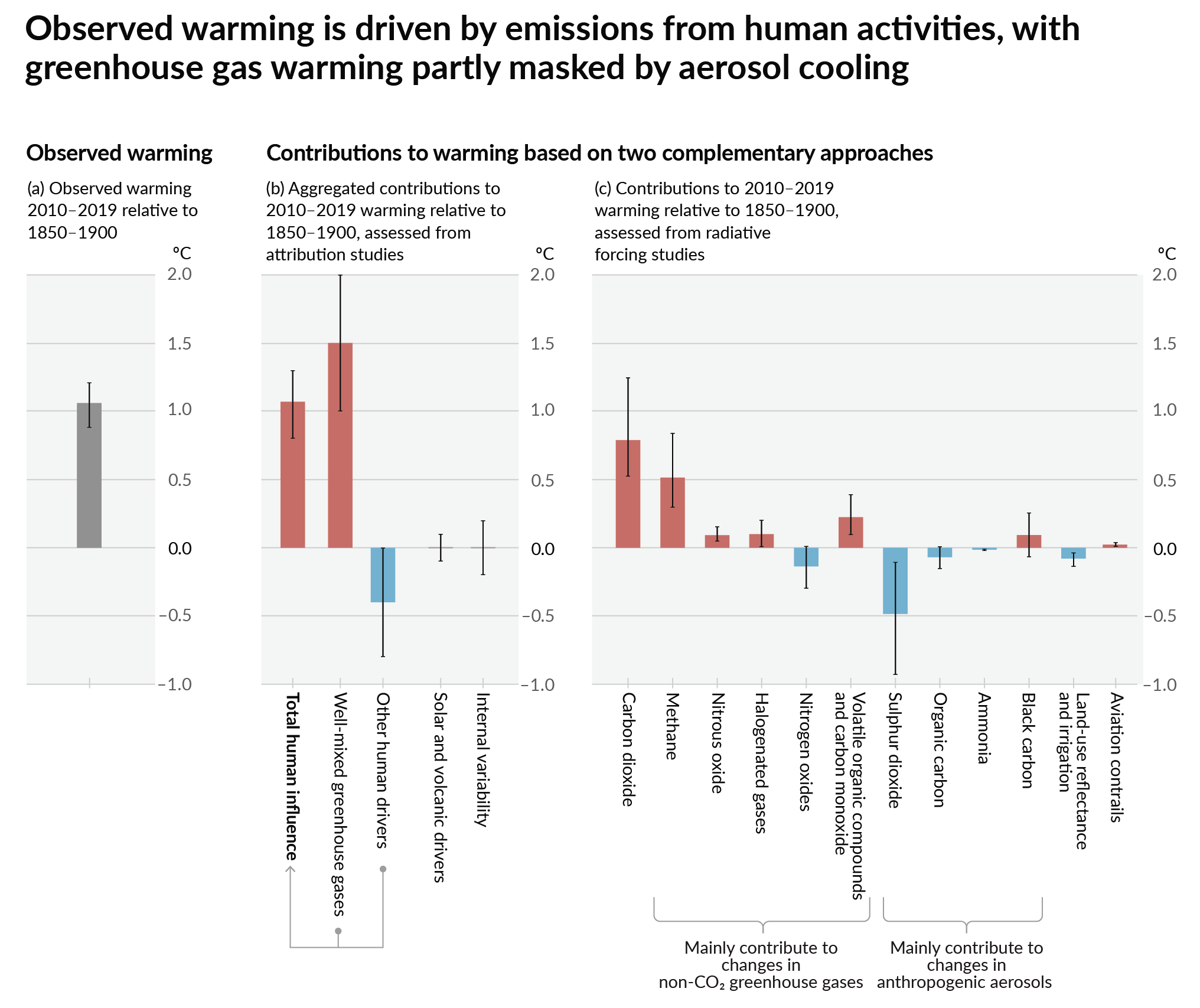
As a starting point, the burning of fossil fuels, and to a lesser extent deforestation and release of methane are responsible for the warming in recent decades:
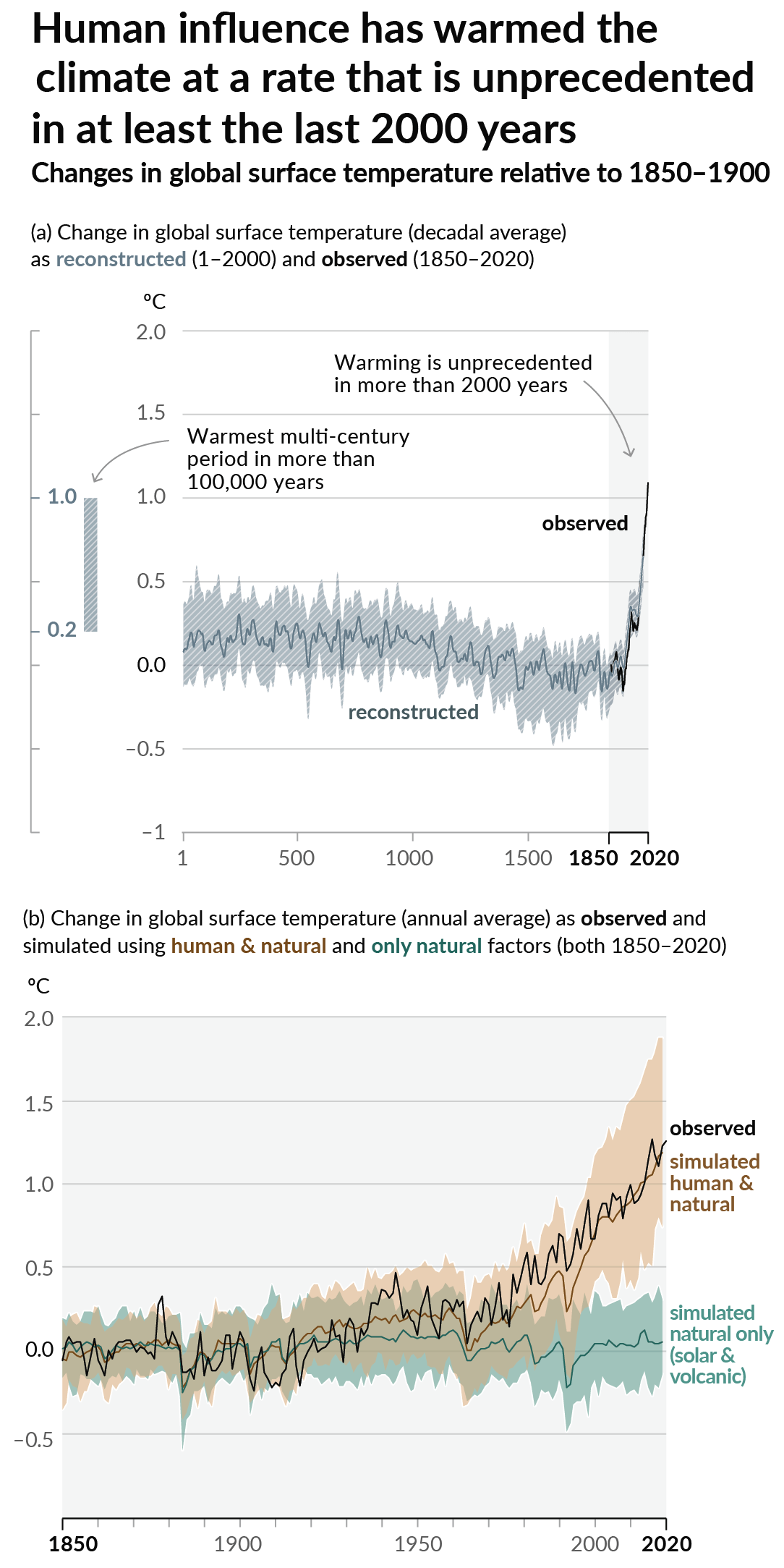
How much each change to the atmosphere has warmed the world:
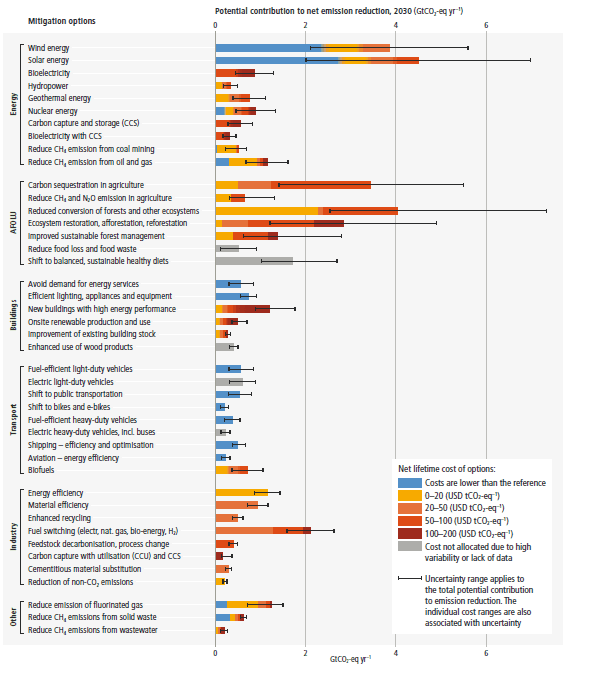
Recommended actions to cut greenhouse gas emissions in the near future:
Anti-science, inactivism, and unsupported conspiracy theories are not ok here.
founded 2 years ago
MODERATORS
you are viewing a single comment's thread
view the rest of the comments
view the rest of the comments
If the meatless option is 29% cheaper, the meat option is .29/(1-.29) = 41% more expensive, not 29%. Meatballs in the article are .41/(1-.41) = 69% more expensive than plantballs, which is close to your target number.
I remember the days when a veggie cheeseburger was a grilled cheese sandwich. Progress.
this math hurt my head, but i thank you
Never too late to get better at anything. I'll give it my best shot, but if it still doesn't make sense, ask an LLM to explain anything that doesn't make sense, and keep digging, and you'll know it inside and out.
Basically, if the price was p currency units and is now 29% off, the price is now p-.29p = (1-.29)p currency units (by the distributive property). The old price is .29p currency units higher than the new price, and as a fraction of the new price, that is .29p/[(1-.29)p] higher. The p's cancel out, so this fraction does not depend on the starting price. Write that fraction as a percent (per 100), and you get your answer.
It's not obvious when looking at it. Numbers can be inconvenient.