this post was submitted on 30 Apr 2026
519 points (98.0% liked)
Climate
8660 readers
311 users here now
Discussion of climate, how it is changing, activism around that, the politics, and the energy systems change we need in order to stabilize things.
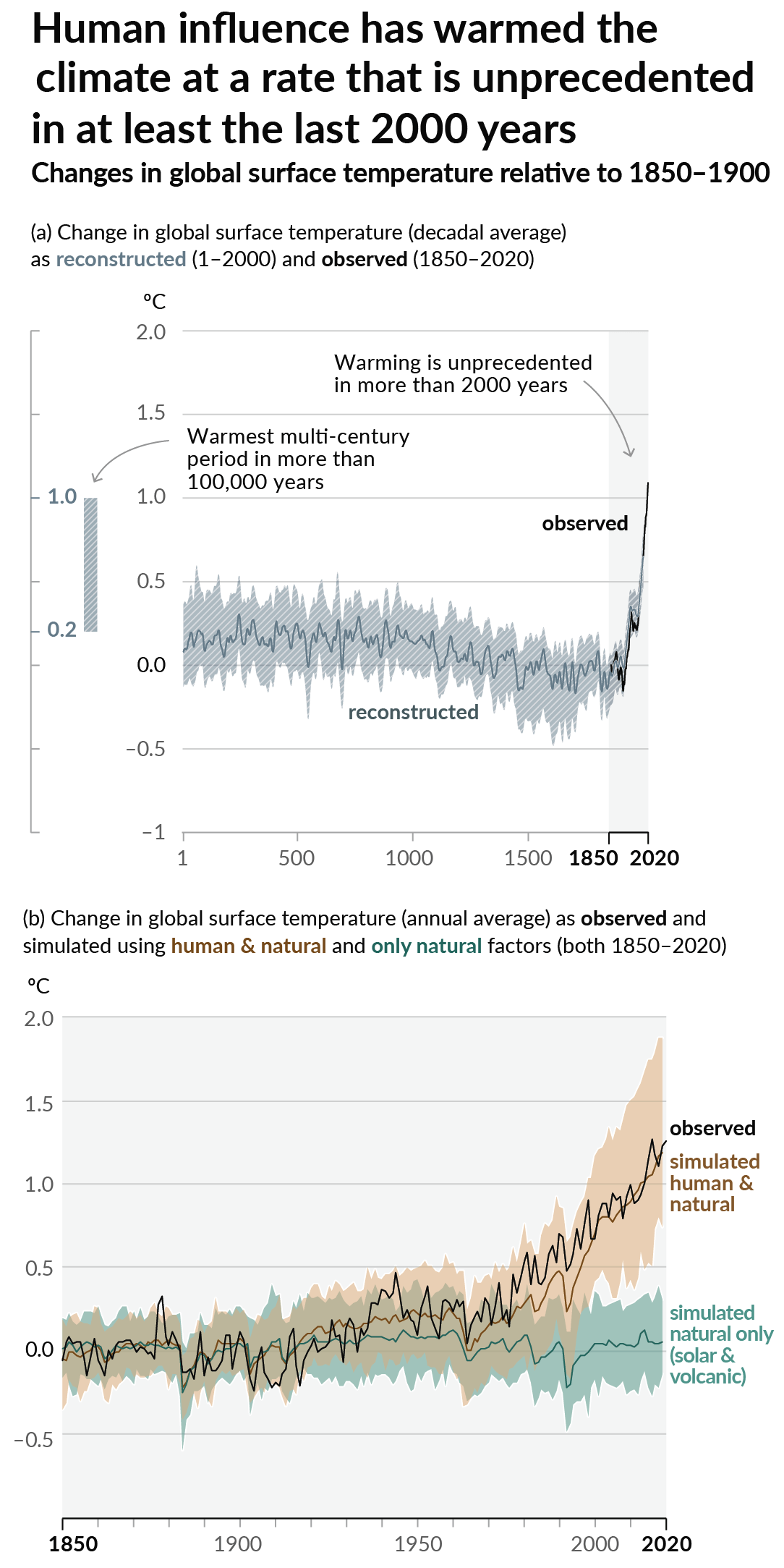
As a starting point, the burning of fossil fuels, and to a lesser extent deforestation and release of methane are responsible for the warming in recent decades:
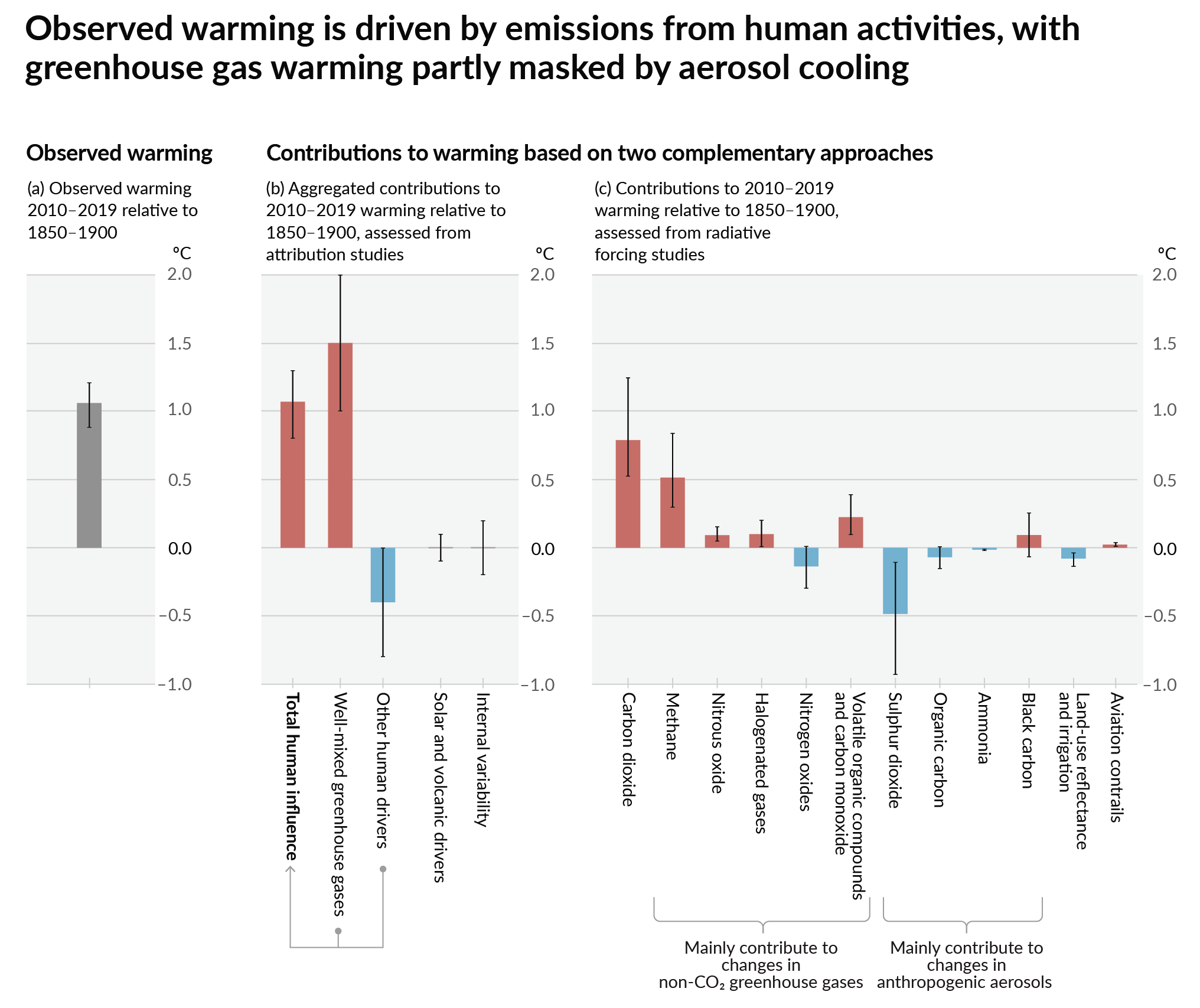
How much each change to the atmosphere has warmed the world:
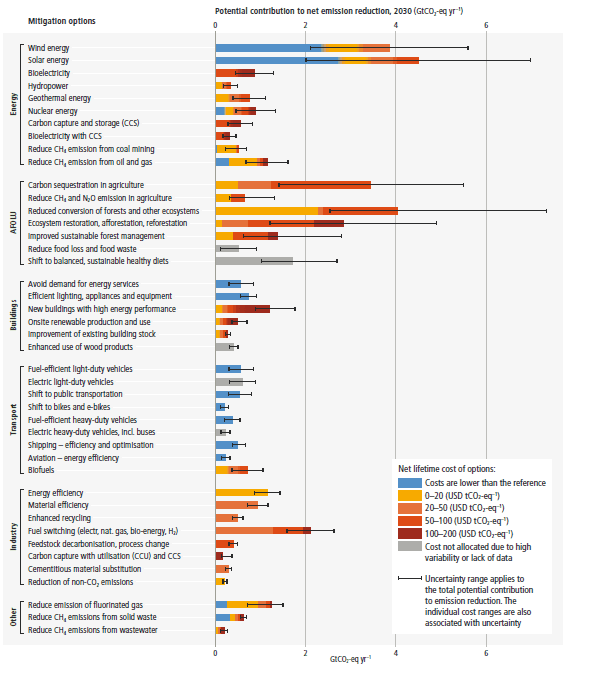
Recommended actions to cut greenhouse gas emissions in the near future:
Anti-science, inactivism, and unsupported conspiracy theories are not ok here.
founded 2 years ago
MODERATORS
you are viewing a single comment's thread
view the rest of the comments
view the rest of the comments
only 29% more expensive is still criminally cheap for meat prices. meat and dairy subsidies have made a western world where i typically need to pay the same or more for a vegggie burger than a meat one.
29% should be more like 70%.
If the meatless option is 29% cheaper, the meat option is .29/(1-.29) = 41% more expensive, not 29%. Meatballs in the article are .41/(1-.41) = 69% more expensive than plantballs, which is close to your target number.
I remember the days when a veggie cheeseburger was a grilled cheese sandwich. Progress.
this math hurt my head, but i thank you
Never too late to get better at anything. I'll give it my best shot, but if it still doesn't make sense, ask an LLM to explain anything that doesn't make sense, and keep digging, and you'll know it inside and out.
Basically, if the price was p currency units and is now 29% off, the price is now p-.29p = (1-.29)p currency units (by the distributive property). The old price is .29p currency units higher than the new price, and as a fraction of the new price, that is .29p/[(1-.29)p] higher. The p's cancel out, so this fraction does not depend on the starting price. Write that fraction as a percent (per 100), and you get your answer.
It's not obvious when looking at it. Numbers can be inconvenient.
Don't forget the cross subsidies from co-products.
If ground beef (aka beef mince in the UK where this story is running) is the cheapest trimmings that remain after all of the expensive cuts have been processed, it's entirely possible that the low price for this byproduct is partially subsidized by the high prices for the premium product (expensive steaks, moderate expense whole cuts). Plus things like hides for leather.
For now, the plant-based competition is aiming at the types of meat that are easier to mimic or replace with plant-based foods. And unfortunately, those happen to be the cheaper types of meat. If we get to the point where there is significant plant-based competition to filet mignon, that product will have a lot more room to work with in being price competitive.
Pricing inputs get complicated, and government subsidies are only a piece of the picture.
what you said doesnt negate what i've said. im posing that without the heavy subsidies, we would see a more accurate consumer pricing, that remains true. of course there are other factors involved, that goes without saying.
Not every reply to a comment is intended to do that.
well forgive me, but it seemed like there was a tone of correction happening, my bad.
No worries. I just think pricing dynamics are neat and I wanted to talk about them.
Same with alcohol-free beer and other drinks. Somehow they always cost considerably more than regular ones.
They don't make the drink and then pour in rubbing alcohol at the end.
Non-alcoholic versions of drinks cost at least as much to produce (many cost more because they're removing the alcohol at the end of the process), and they're way less popular, so the economies of scale makes the alcoholic versions cheaper per unit.
thing with that is that they actually have to produce those drinks normally and then remove the alcohol, so the process is actually more expensive and labor intensive. at least thats what i heard on the radio one day, im no expert.
You have to feed the yeast enough to make the beer which gets at least a few percent alcohol, otherwise you'd just have porridge.
That has been proven to be incorrect: https://hannahritchie.substack.com/p/meat-subsidies
Removing the subsidies would rise the prices by cents.
Raw food - any food - is dirt cheap. Most of the costs is the chain of logistics (and that every middleman takes their cut).