this post was submitted on 03 Apr 2026
117 points (96.1% liked)
Climate
8512 readers
521 users here now
Discussion of climate, how it is changing, activism around that, the politics, and the energy systems change we need in order to stabilize things.
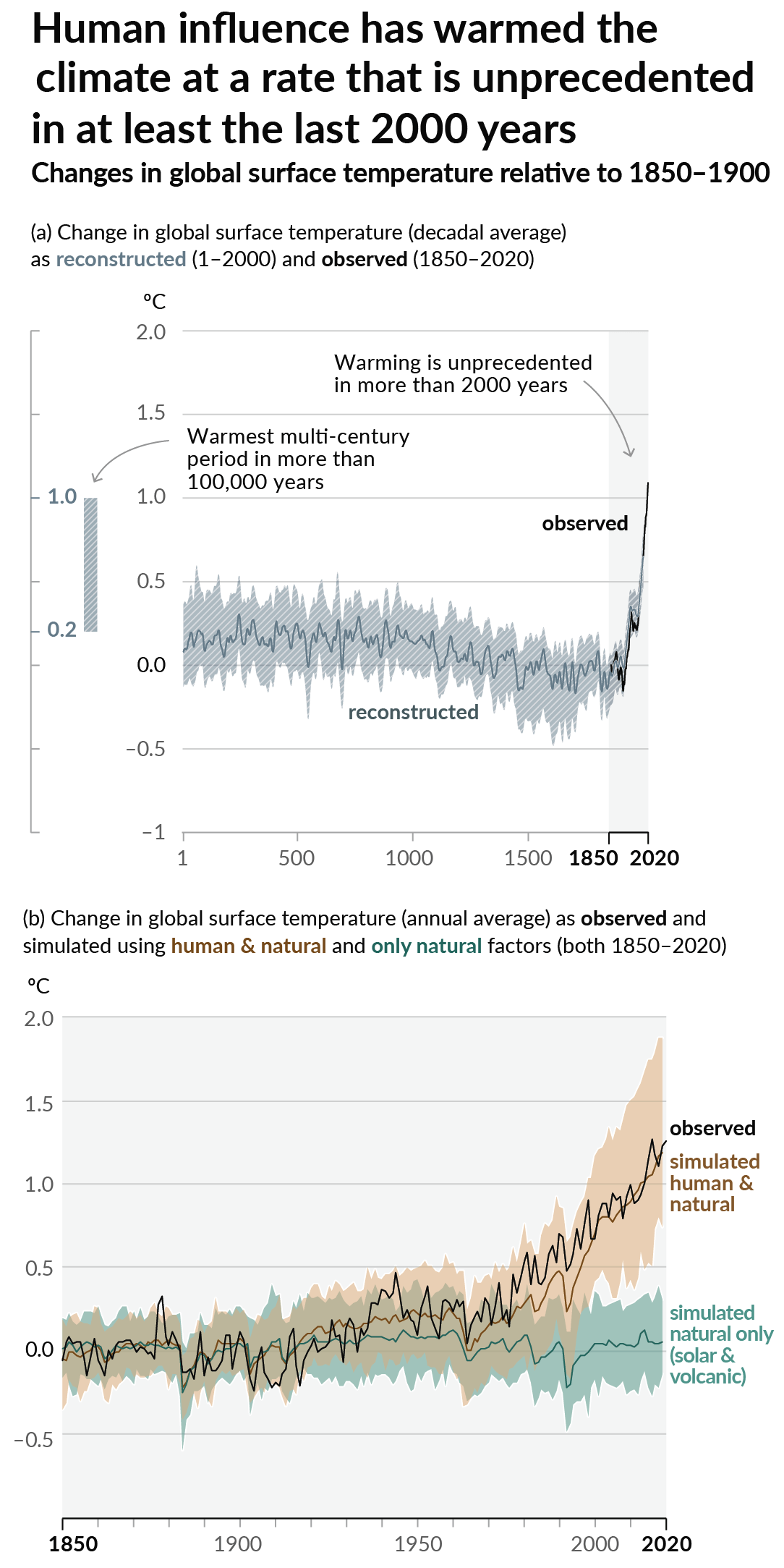
As a starting point, the burning of fossil fuels, and to a lesser extent deforestation and release of methane are responsible for the warming in recent decades:
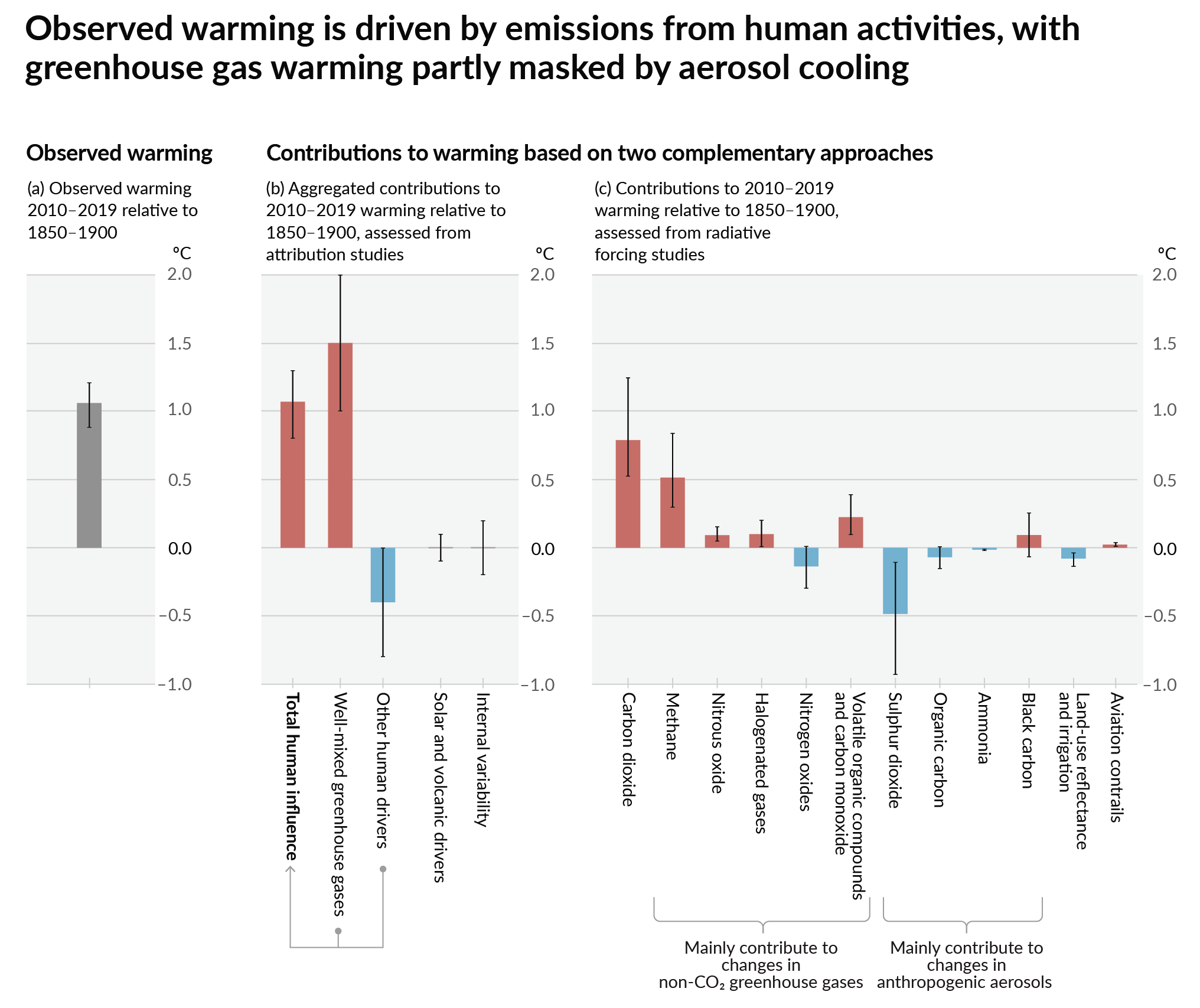
How much each change to the atmosphere has warmed the world:
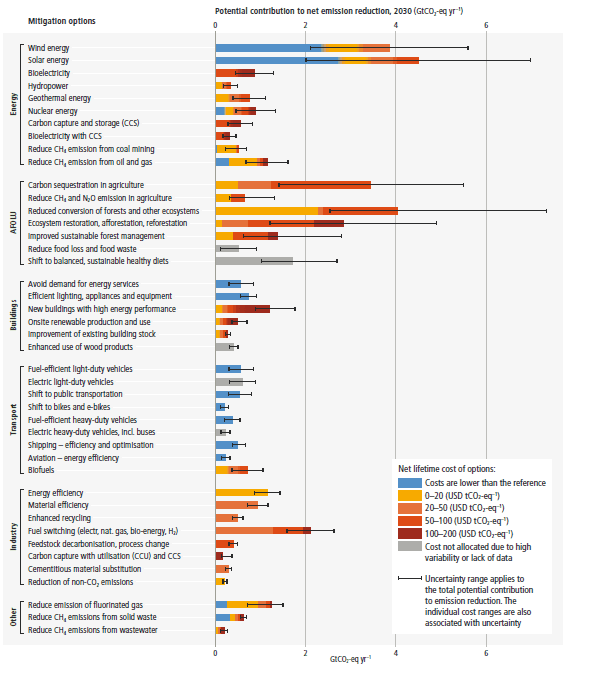
Recommended actions to cut greenhouse gas emissions in the near future:
Anti-science, inactivism, and unsupported conspiracy theories are not ok here.
founded 2 years ago
MODERATORS
you are viewing a single comment's thread
view the rest of the comments
view the rest of the comments
For most of my life I'd cooked on a resistive coil-top stove, and only in the last few years was I able to use a gas, and even more recently, induction stovetop.
Induction is far and away my favorite, but between gas and resistive, I don't really find gas preferable to resistive. The only real advantage it has is quick heat control, but that can be overcome pretty easily on resistive stoves by either anticipating the slower heating/cooling curve, or simply lifting the pan or moving it to an inactive burner until the active one cools down to the desired temp.
I virtually always use cast iron cookware, which makes gas's ability to make quick temp changes less of a noticeable advantage. More noticeable to me was the disadvantage of the handles on my cookware getting super hot very quickly with gas due to how much heat escapes around the sides, and the inability to place flammable things over a pot or pan to prevent splatter (like a paper plate).
I also really disliked the idea of potentially forgetting a burner being left on, but with the flame out. That only happened to me once, but it was quite scary to walk into a living room smelling strongly of gas. And in a kitchen without outside ventilation above the stove, the pollutants from burning gas were noticeable, especially if the oven was on.
On my personal scale, I'd rate gas stoves at the bottom despite their slightly advantageous heat responsiveness, with resistive in the middle, and induction the best of both worlds.
Sure, but you write off the adjustments and coping mechanisms you learned to mitigate the disadvantages of resistive heating as if those are a forgone conclusion. That borders on a disingenuous argument.
Summary to my eyes: Ackshully, resistive is better if you're smart about it and anyone who doesn't think this way is just not as smart as me...
I wrote my personal reasons for preferring resistive over gas, despite the need to learn how to use it, which I prefer due to my own perceived negatives of gas. I actually live in a house with a gas stove right now, and I'm seriously considering having the kitchen wired for 240v someday just so I can install a resistive stove, since most of the time I use a portable induction cooktop in preference to using the gas stove.
Calling that disingenuous and cope is... Certainly an interesting viewpoint. It would be similar to suggesting that anyone who prefers or speaks of the merits of bicycles over tricycles is disingenuous and coping due to bicycles requiring a learning period to effectively ride them, where as tricycles have no learning period (despite coming with their own advantages and disadvantages).