this post was submitted on 03 Apr 2026
117 points (96.1% liked)
Climate
8512 readers
425 users here now
Discussion of climate, how it is changing, activism around that, the politics, and the energy systems change we need in order to stabilize things.
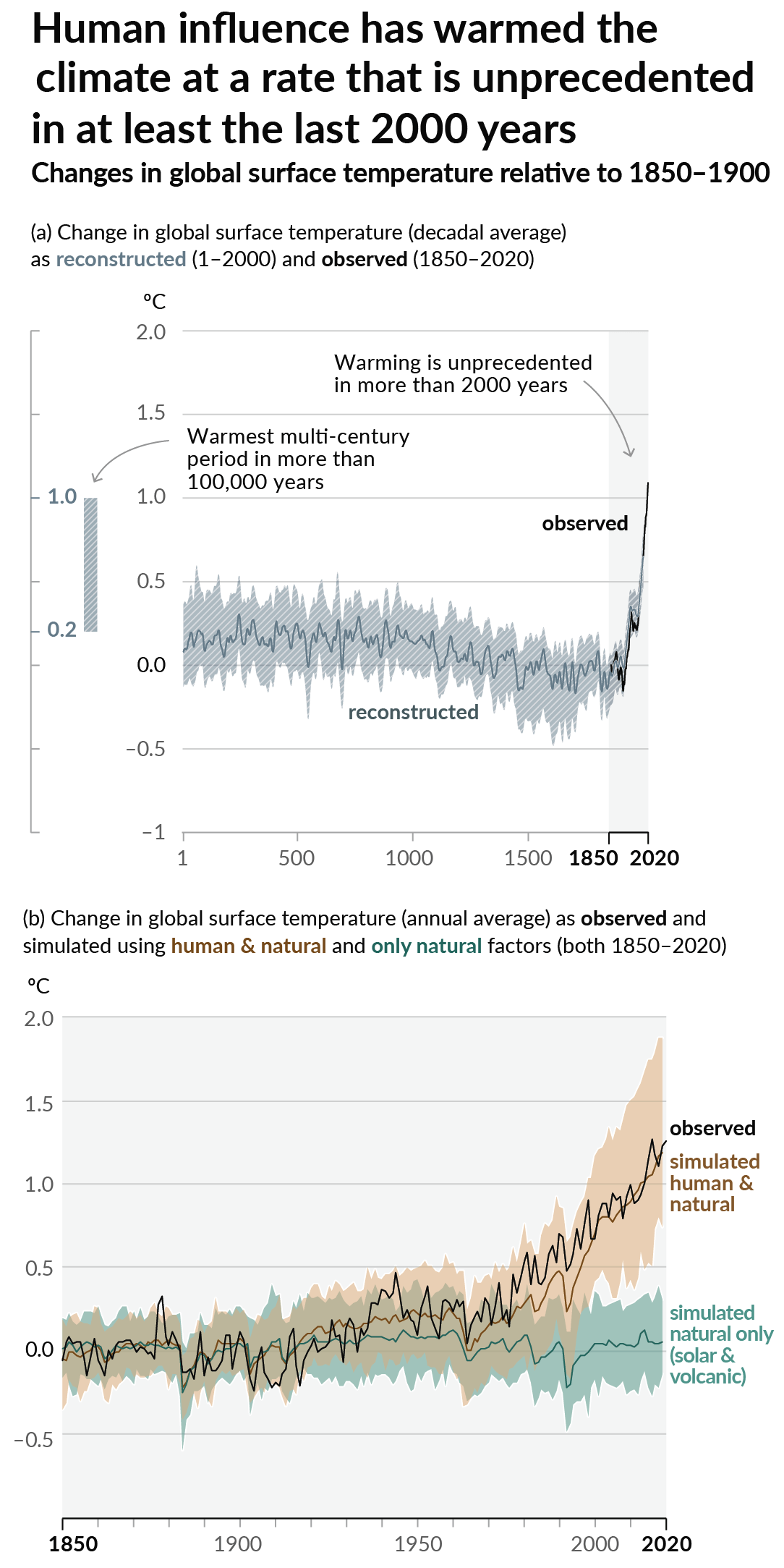
As a starting point, the burning of fossil fuels, and to a lesser extent deforestation and release of methane are responsible for the warming in recent decades:
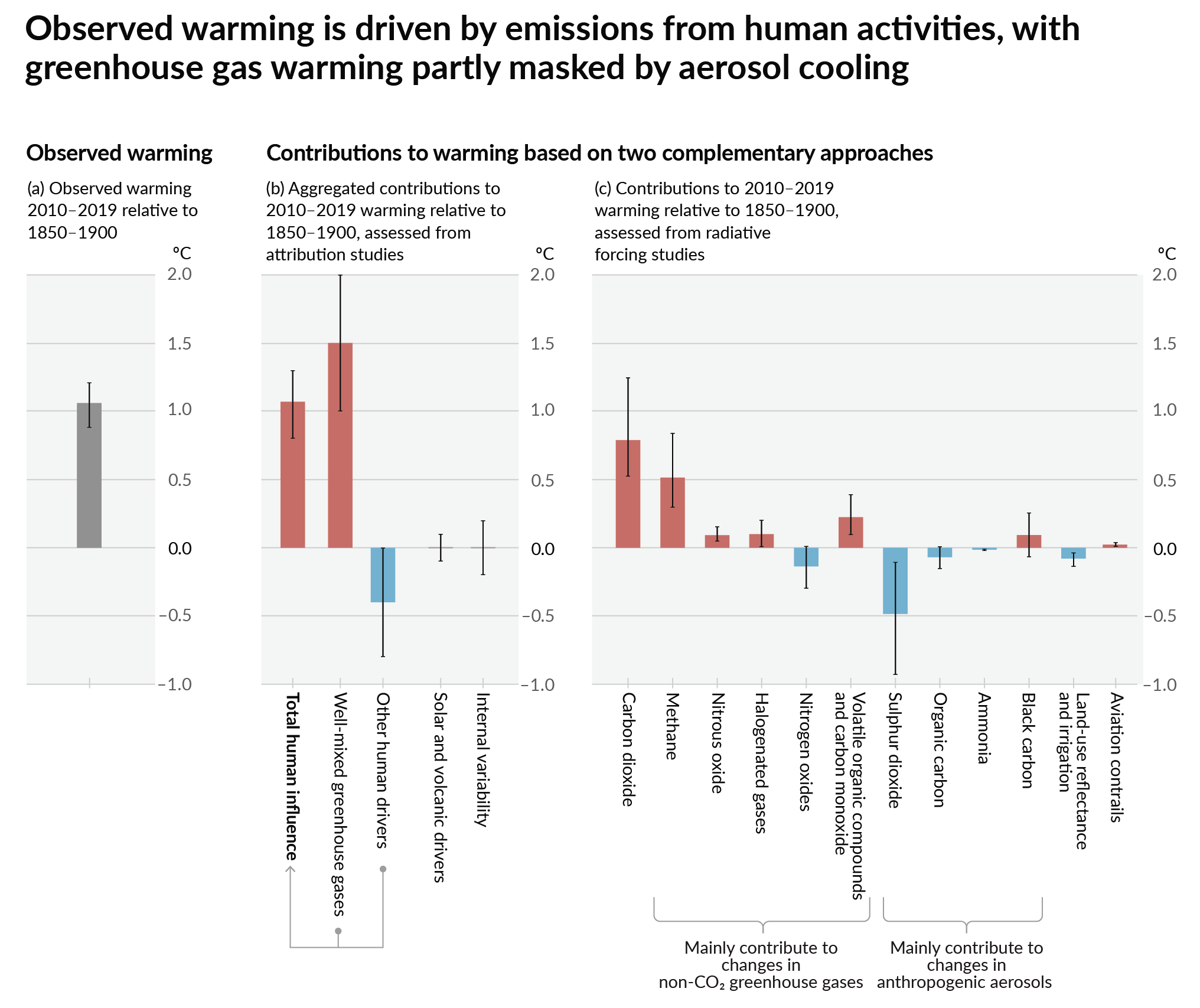
How much each change to the atmosphere has warmed the world:
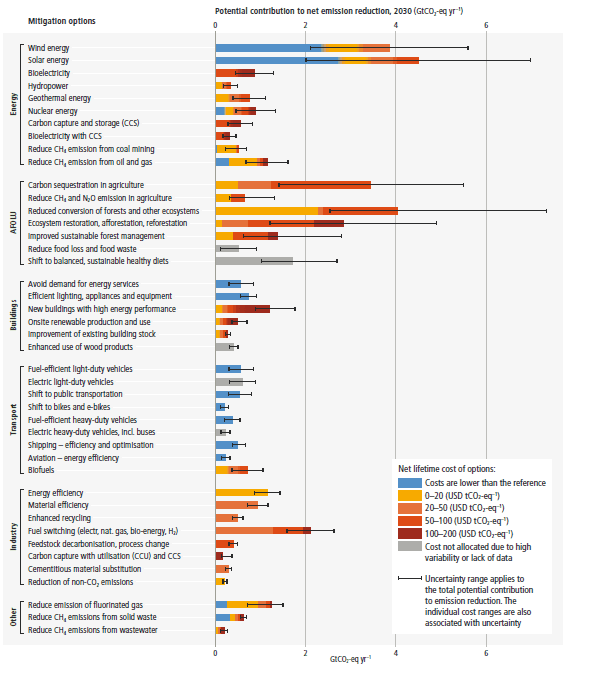
Recommended actions to cut greenhouse gas emissions in the near future:
Anti-science, inactivism, and unsupported conspiracy theories are not ok here.
founded 2 years ago
MODERATORS
you are viewing a single comment's thread
view the rest of the comments
view the rest of the comments
I never understood why 'muricans kept using gas stoves. I haven't seen a single one in Europe in the past 30+ years.
Fossil Fuel Propaganda
https://climateandcommunity.org/research/deconstructing-gas-propaganda/
I guess the fact that they use an antiquated electrical grid system (110v) make things much harder for them to switch.
Your guess is wrong. Standard American electrical service is 220v. Our transformers are center tapped so if you measure from neutral to either of the two hots, you get 110v, and across both hots is 220v. Standard outlets are wired for 110, things like stoves, dryers, water heaters and HVAC units are wired for 220. I could go out and buy an induction range this afternoon and it would slot right in where my glass top electric range is.
Why have Americans been slow to move away from gas stoves or to induction stoves? Well...
None of that supports your America Bad narrative so you won't pay attention to it though.
Technology Connections made a great video that touched on resistive stoves which showed how to overcome their slower thermal responsiveness, which I've used for most of my life to great effect. Once you know the trick of how to use them, they're quite easy to cook almost anything on.
Almost every American home has 240V coming in, with 2 hot wires with 120V AC exactly 180° out of phase with each other, and a neutral wire that's supposed to be roughly ground voltage. The standard is to split the 240V into 120V for each circuit at the actual breaker panel, by feeding each normal circuit in the house one hot and one neutral wire. But setting up a particular circuit for 240V service is trivial by using both hot wires.
And the actual distribution grid itself, before it hits the transformer that steps it down to 240V right before actual customer meters, is going to be much, much higher voltage in any country. Higher voltage means less line loss, so power lines use high voltage. That part doesn't differ significantly between countries.
I know that our Electric stovetop is connected to the 400v Three Phase circuit.
So even with 240v mains power the Stove is usually connected to a circuit with the highest available power.
But even the 240v plug in induction stovetops have plenty power for cooking.
I'm curious whether voltage even matters, and what the wattage of each burner is, and what the total power max for the whole stove is.
A typical US stove draws either 40A or 50A at 240V, so that's a max power of about 12,000W. But each burner is usually limited to something about 5000-7500W.
With induction, the heat is efficiently placed right into the pan, so actual performance probably matches a lower nominal power resistive stove (or gas stove).