this post was submitted on 03 Apr 2026
117 points (96.1% liked)
Climate
8512 readers
521 users here now
Discussion of climate, how it is changing, activism around that, the politics, and the energy systems change we need in order to stabilize things.
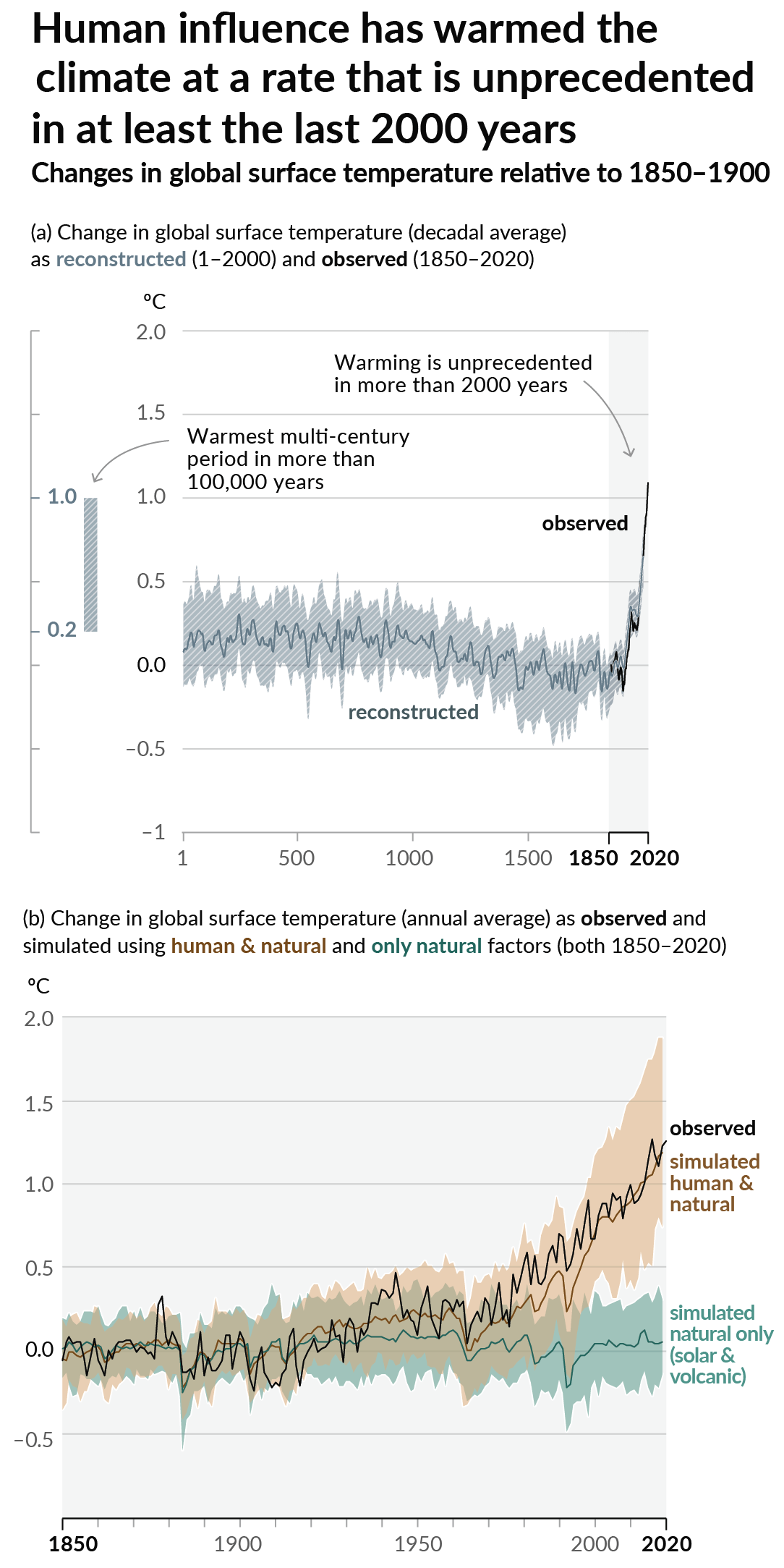
As a starting point, the burning of fossil fuels, and to a lesser extent deforestation and release of methane are responsible for the warming in recent decades:
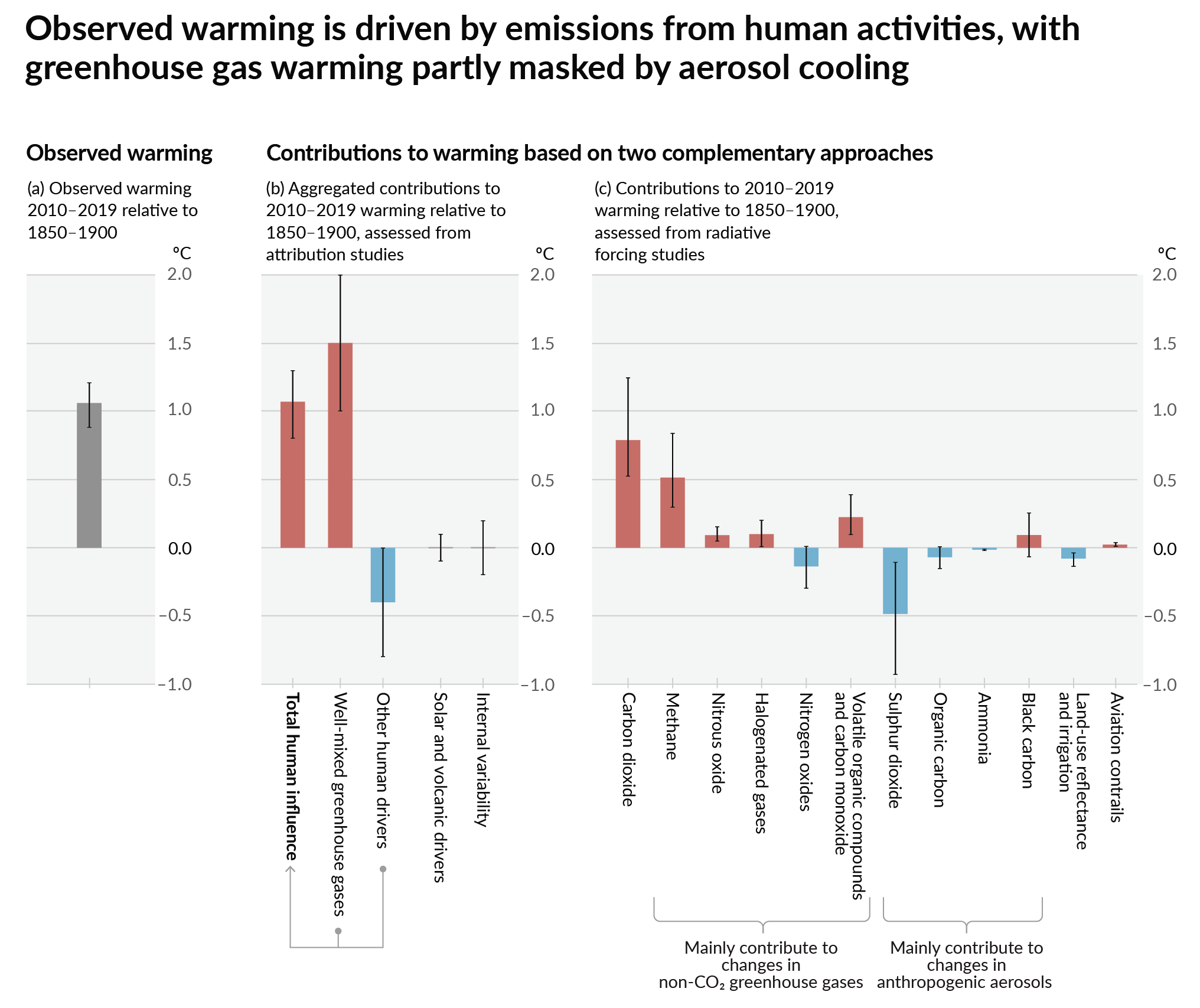
How much each change to the atmosphere has warmed the world:
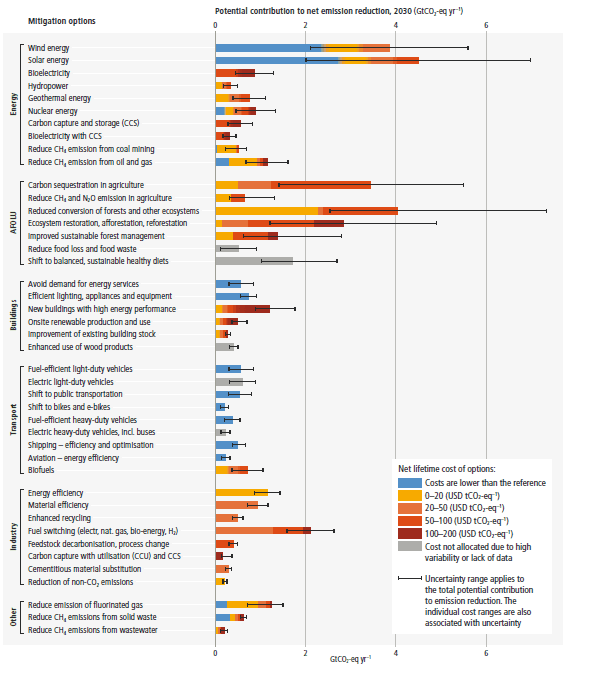
Recommended actions to cut greenhouse gas emissions in the near future:
Anti-science, inactivism, and unsupported conspiracy theories are not ok here.
founded 2 years ago
MODERATORS
you are viewing a single comment's thread
view the rest of the comments
view the rest of the comments
Because slow pulse width modulation will burn my marinara and risotto.
That may not be PWM. My (cheap) induction cooker seems to do actual high frequency PWM at medium-to-high settings, where the heat is essentially always on, but varies total power. It seems to cycle at lower power settings, with multiple-seconds of on and off. "3" is always on; "2" is 5 seconds heat + 10 seconds off. No clue why it would switch modes like that. I'd assume it's a manufacturing cost, but it means they had to implement both PWM and slow cycles.
Any time pulses are used to modulate, regardless of frequency, is PWM.
My cheap induction hot plate has 10 second cycles. So on 10 it’s always on, 9 is on for 9 seconds and off for one, all the way down to level 1.
The problem is that it’s so effective at heating that even a second of full power will burn things.
One way I get around this is to put a thermal mass like a cast iron pan under the pot I want to cook slowly since it evens out the pulses but then it heats extremely slowly.
But I’m not gonna drop a couple grand plus whatever the electrician will cost for something that burns my food.
Yeah, at that point it's just like a shitty resistive heating stove with extra steps.
I’ve done a similar thing on cheap resistive stoves because they also have terrible pulse width modulation.
Sidenote, I love this comment
Would something other than a slab of cast iron work? Thinner or different material like carbon steel?
I know next to nothing about this stuff just trying to understand if we're talking about conduxtivityand heatsinks or like field dissipation
My carbon steel pan doesn’t work as well, probably because it’s less dense and therefore has wider temperature swings than a cast iron pan.
One way I use my carbon steel with it is if I want to sear something in my instant pot insert. It doesn’t work on induction but I can get it rocket hot this way.
There are steel plates for that purpose. I have one for cookware that's not induction friendly, and it works fine, it's just not very convenient.
The thinner it is, the faster it would respond to changes in energy input. Sometimes that's what you want, but the guy you're asking is concerned about burning his food with sudden heat, so he wants something thick that responds slowly.