this post was submitted on 06 Mar 2026
1120 points (99.3% liked)
Climate
8885 readers
243 users here now
Discussion of climate, how it is changing, activism around that, the politics, and the energy systems change we need in order to stabilize things.
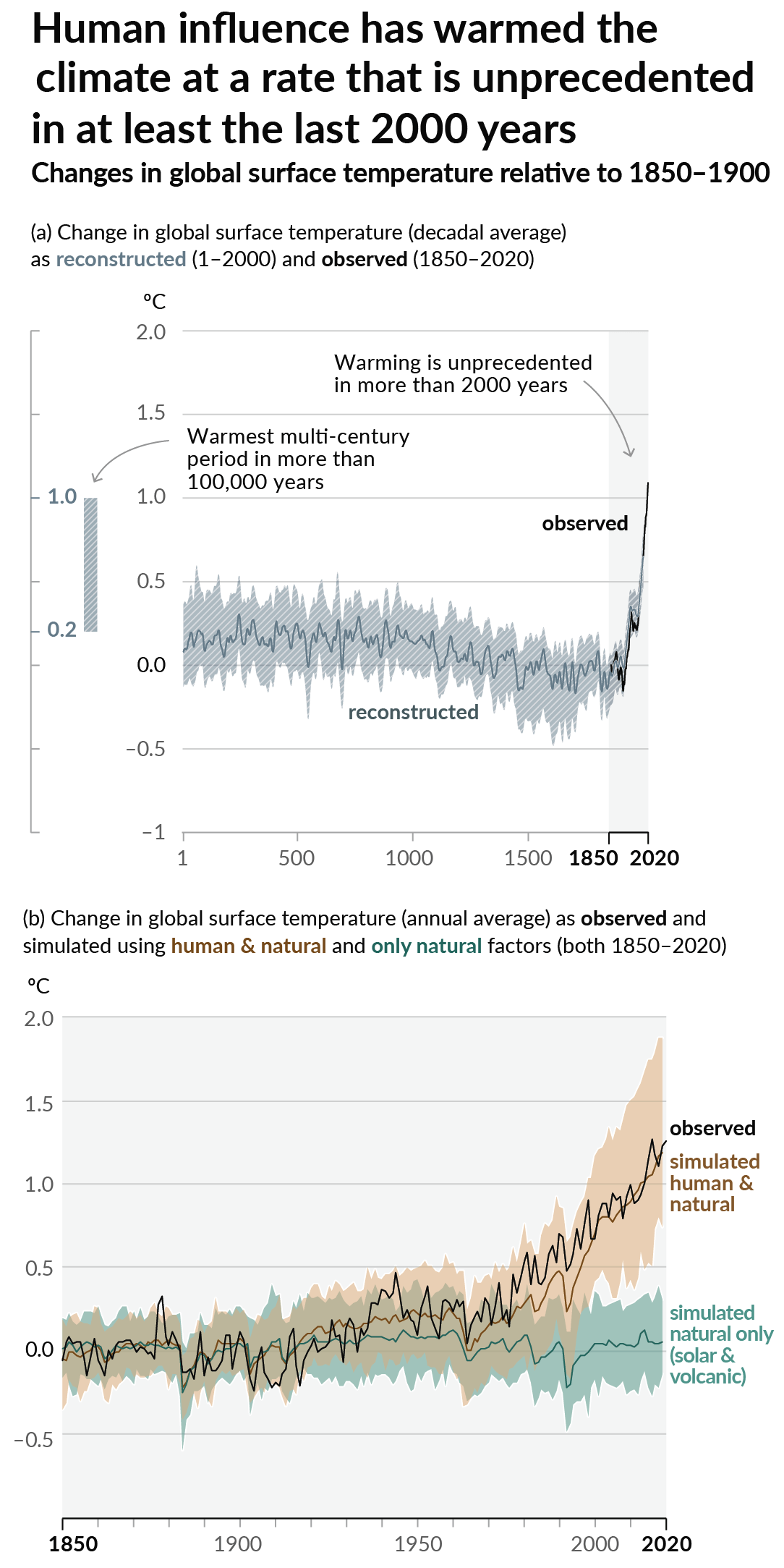
As a starting point, the burning of fossil fuels, and to a lesser extent deforestation and release of methane are responsible for the warming in recent decades:
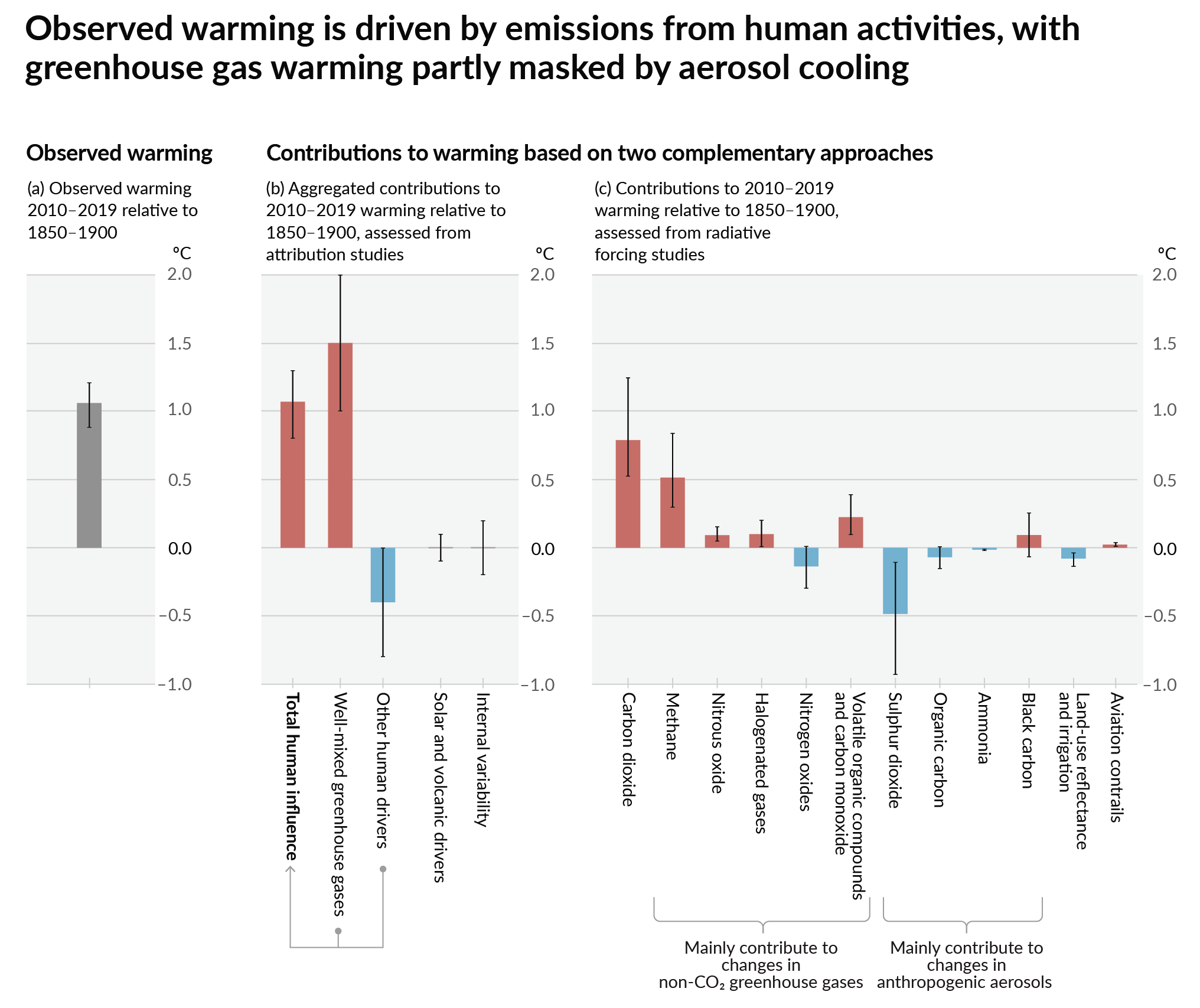
How much each change to the atmosphere has warmed the world:
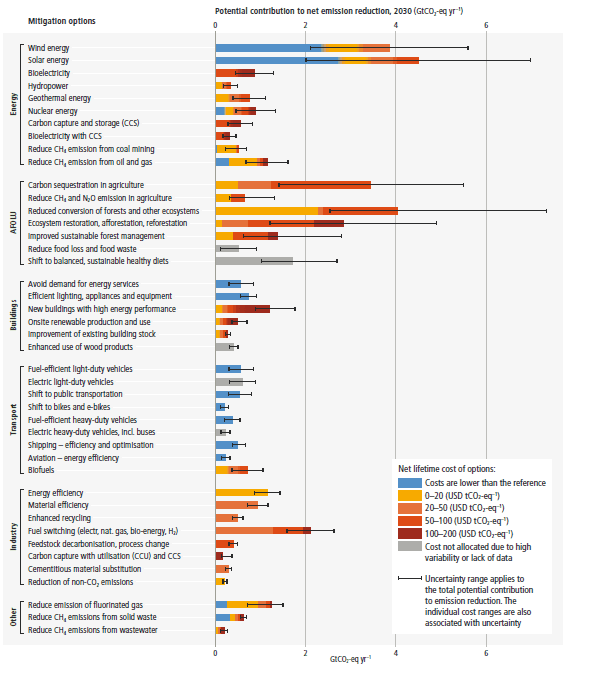
Recommended actions to cut greenhouse gas emissions in the near future:
Anti-science, inactivism, and unsupported conspiracy theories are not ok here.
founded 3 years ago
MODERATORS
you are viewing a single comment's thread
view the rest of the comments
view the rest of the comments
Bypassing the question of whether sugars and oils are edible (?), field corn is perfectly edible for humans. Field corn isn't sweet corn, and doesn't taste good as a vegetable. But we can eat it the same way most people throughout history have eaten corn - as a staple crop, as a grain like wheat, as corn flour, cornmeal, grits, parched corn, hominy, maza, etc, etc. We just choose not to.
And calling opposition to ethanol "oil and gas propaganda" is ridiculous. Like the comment you responded to point it out, ethanol is sold mixed with gasoline. The industries are synergistic, not competitive. They have a common interest in promoting internal combustion engine vehicles and opposing EVs.