this post was submitted on 02 Mar 2026
27 points (96.6% liked)

Climate

8395 readers
786 users here now

Discussion of climate, how it is changing, activism around that, the politics, and the energy systems change we need in order to stabilize things.

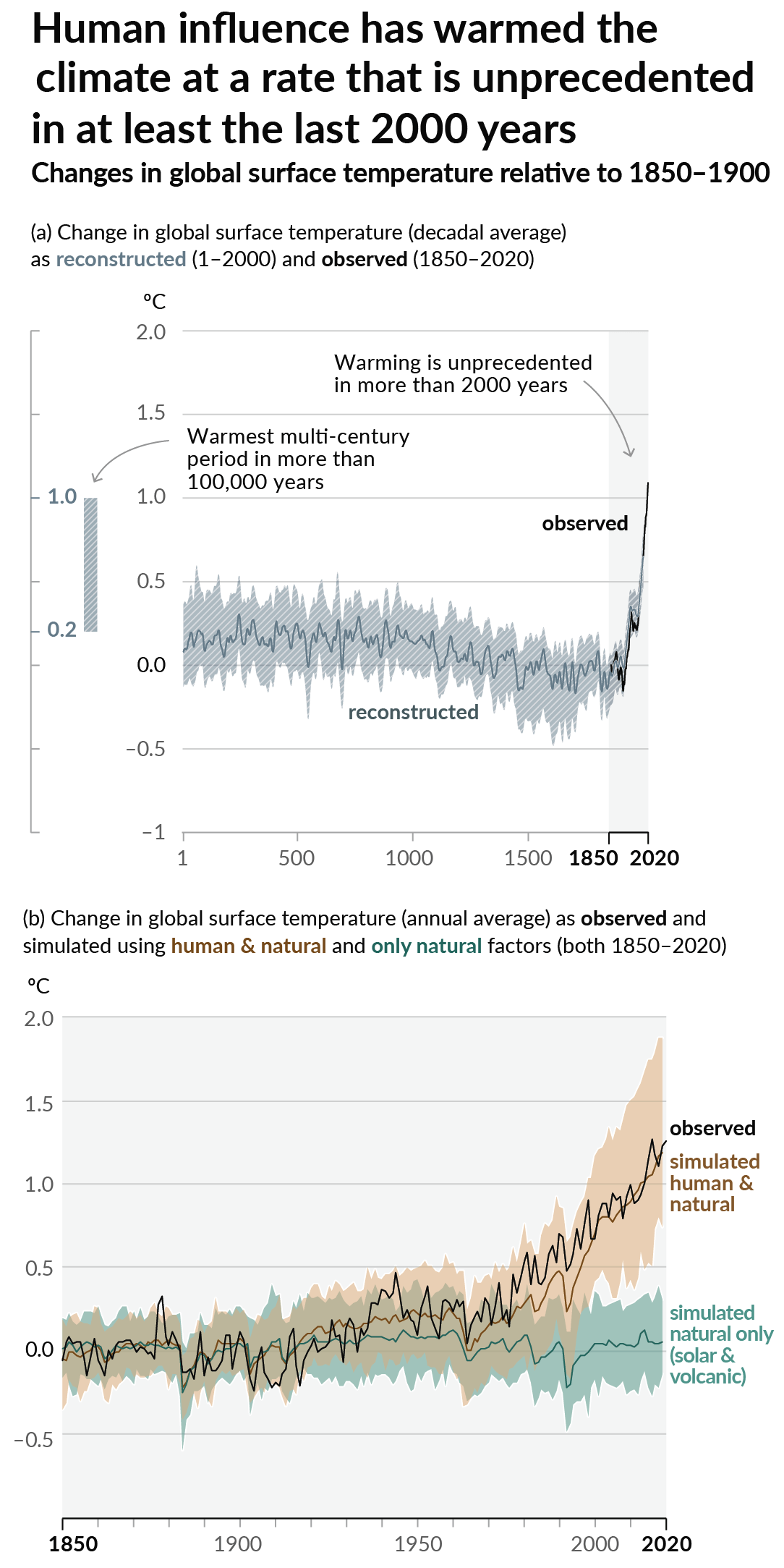
As a starting point, the burning of fossil fuels, and to a lesser extent deforestation and release of methane are responsible for the warming in recent decades: Graph of temperature as observed with significant warming, and simulated without added greenhouse gases and other anthropogentic changes, which shows no significant warming
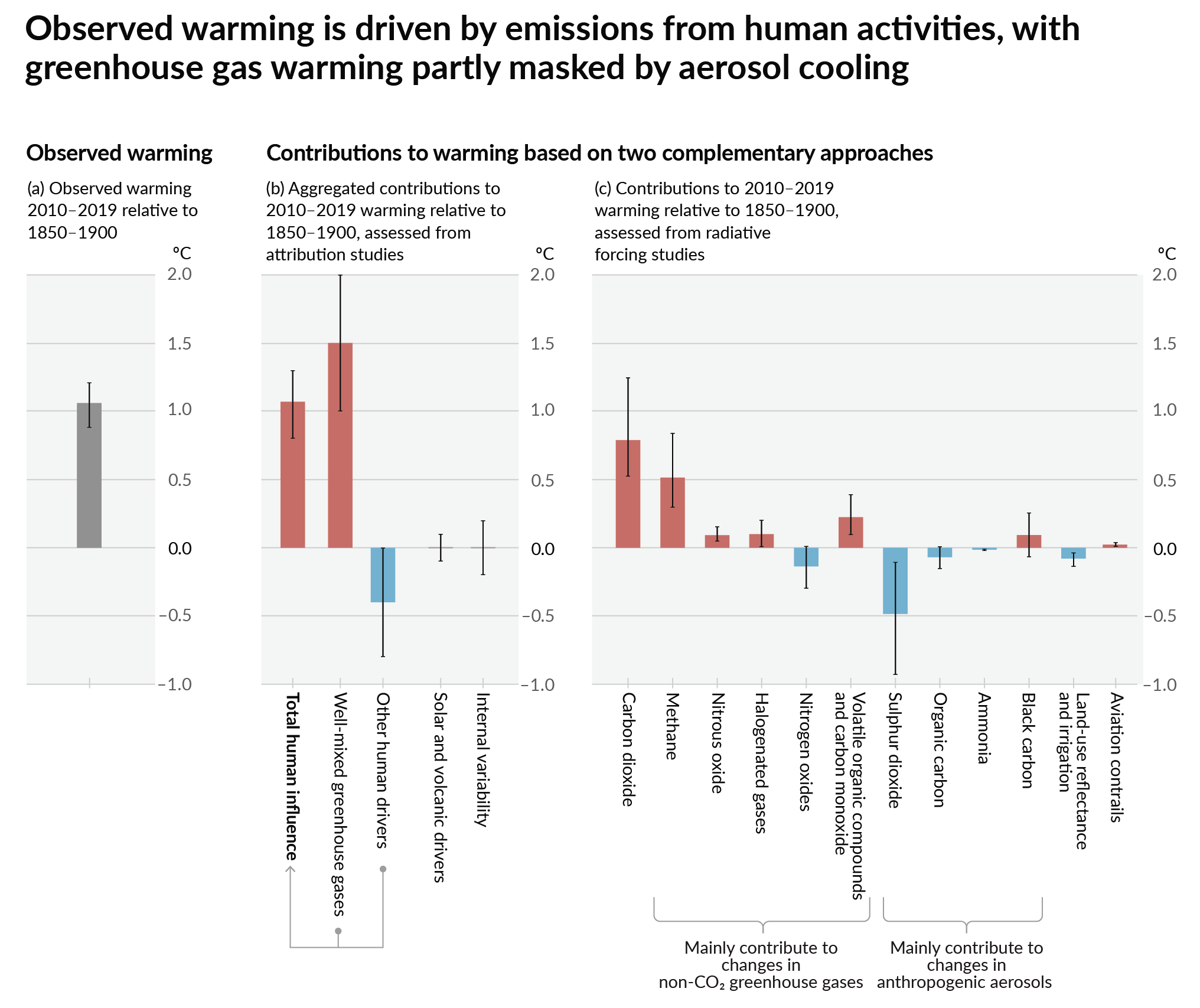
How much each change to the atmosphere has warmed the world: IPCC AR6 Figure 2 - Thee bar charts: first chart: how much each gas has warmed the world.  About 1C of total warming.  Second chart:  about 1.5C of total warming from well-mixed greenhouse gases, offset by 0.4C of cooling from aerosols and negligible influence from changes to solar output, volcanoes, and internal variability.  Third chart: about 1.25C of warming from CO2, 0.5C from methane, and a bunch more in small quantities from other gases.  About 0.5C of cooling with large error bars from SO2.
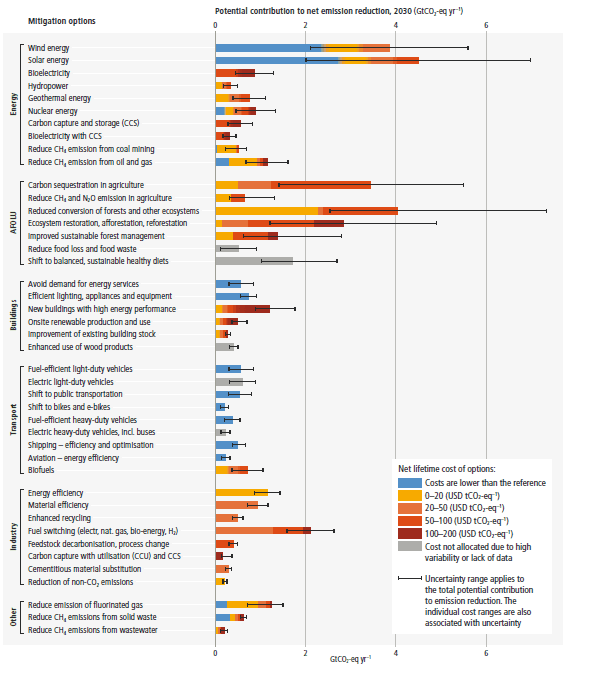
Recommended actions to cut greenhouse gas emissions in the near future:
Anti-science, inactivism, and unsupported conspiracy theories are not ok here.

founded 2 years ago
MODERATORS
 

Author : Matthew Hoffmann | Professor of Political Science and Co-Director of Environmental Governance Lab, University of Toronto

The intro :

At the recent World Economic Forum in Switzerland, Canadian Prime Minister Mark Carney proclaimed “a rupture” in the global “rules-based order” and a turn to great power rivalry.

While its demise is not certain, even the current disruption to global order, largely due to the Donald Trump administration in the United States, promises profound impacts on the global response to climate change. The world is at risk of losing even the insufficient progress made in the last decade.

But it’s unclear what that effect will be. That uncertainty is both a cause for concern and a source of hope. The climate crisis is not slowing, and humanity must figure out how to navigate the disruption.

Unfortunately, much of what we know about how climate politics works has depended on a relatively stable rules-based order. That order, however problematic, provided institutions like the United Nations Framework Convention on Climate Change and the Paris Agreement.

It also established trade rules for energy technology, co-operative agreements on public and private climate finance, and parameters for how civil society and states interact. It structured the opportunities and obstacles for acting on climate change.

Everyone who cares about climate action must now grapple with how climate politics can function in a new world of uncertainty. It won’t be easy.

But, to inject a slight note of hope, I’m not convinced that meeting the climate challenge is harder now. It’s difficult in a different way. Let’s be clear: the rules-based order was not producing effective global co-operation on climate change.

you are viewing a single comment's thread
view the rest of the comments

Honestly, since we’re reverting to the concept of power by virtue of what you can control and/or destroy… the whole Children of Kali idea may be the only way forward that will get results.