this post was submitted on 18 Dec 2025
67 points (94.7% liked)
Climate - truthful information about climate, related activism and politics.
7765 readers
516 users here now
Discussion of climate, how it is changing, activism around that, the politics, and the energy systems change we need in order to stabilize things.
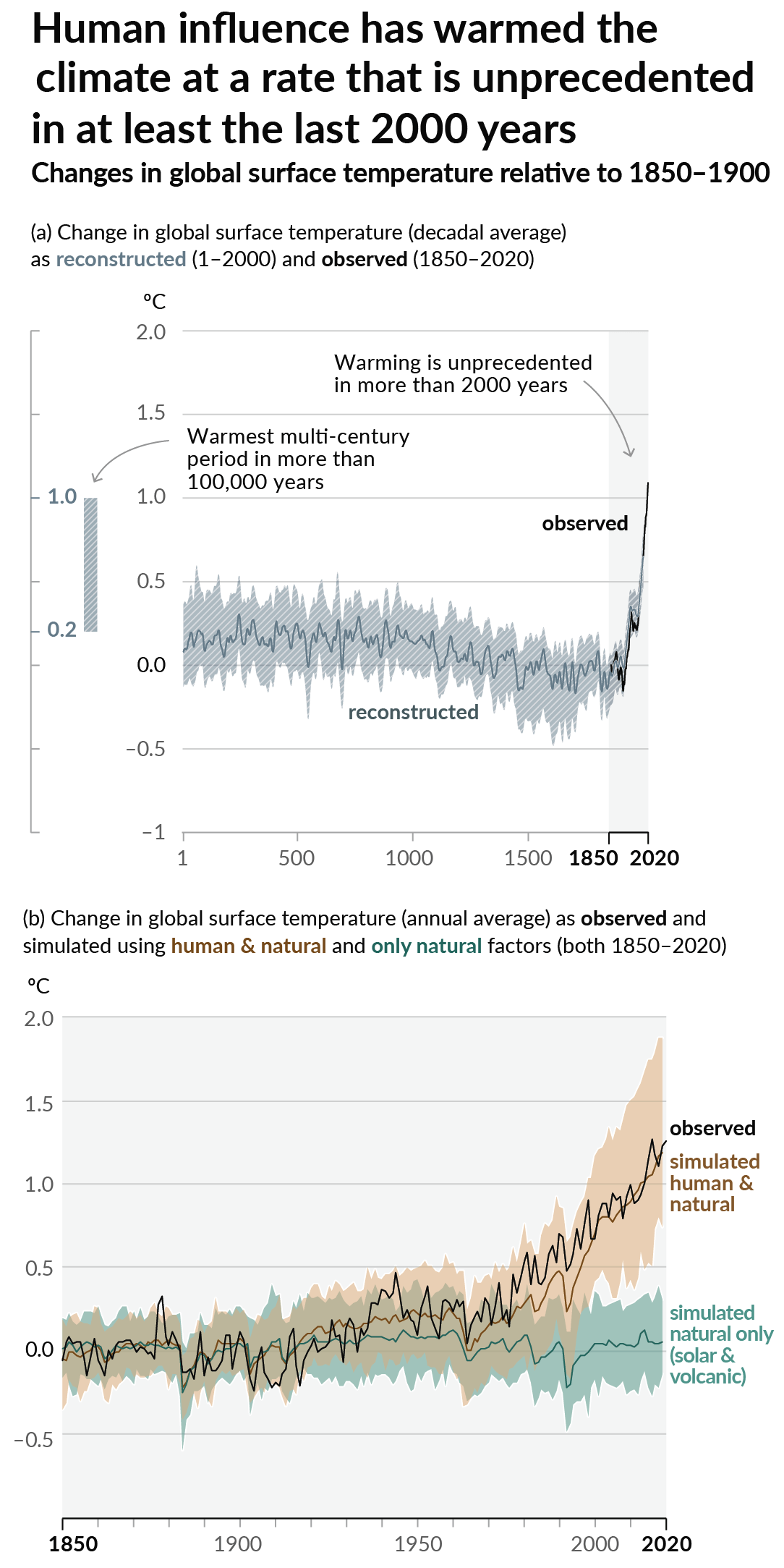
As a starting point, the burning of fossil fuels, and to a lesser extent deforestation and release of methane are responsible for the warming in recent decades:
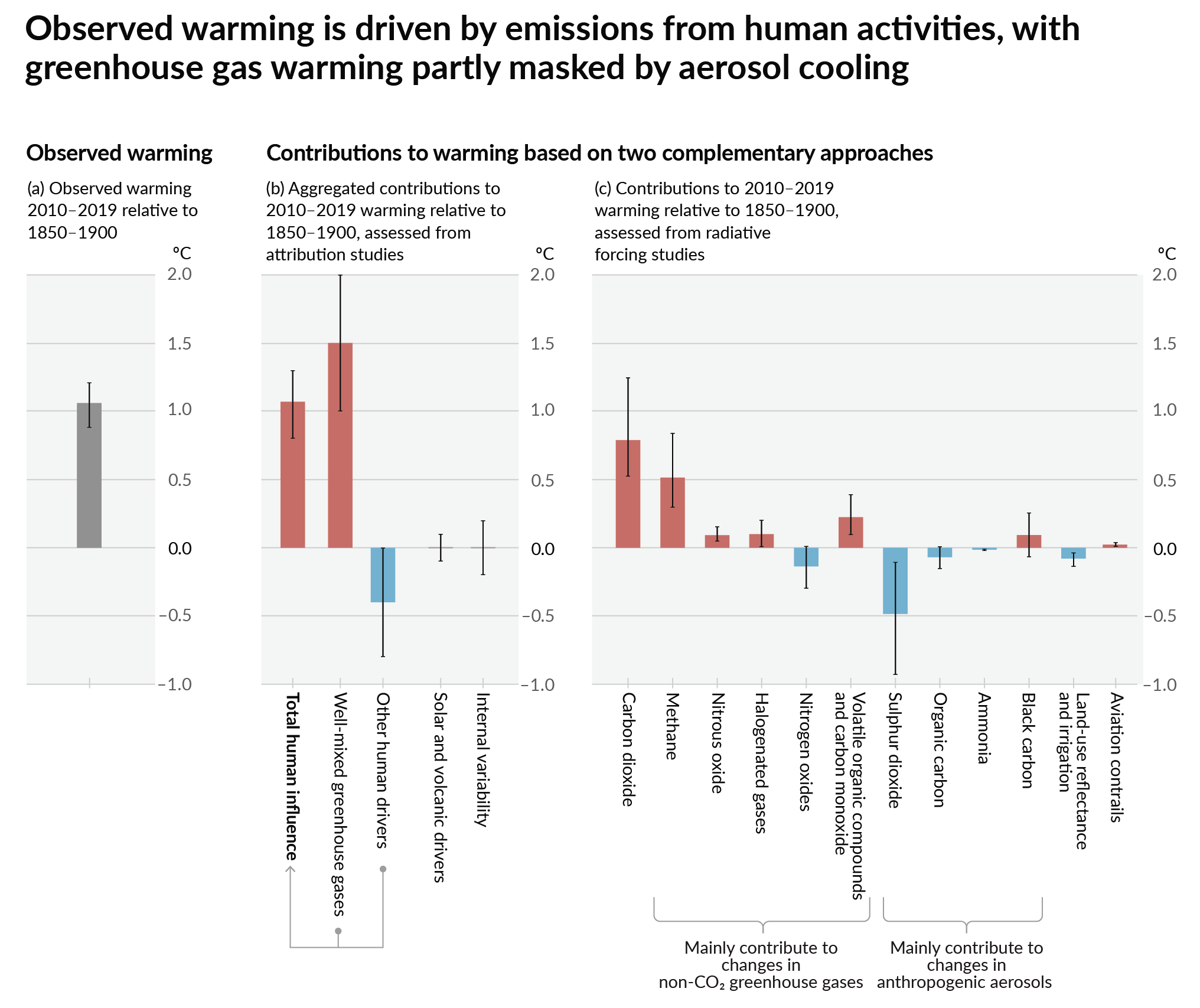
How much each change to the atmosphere has warmed the world:
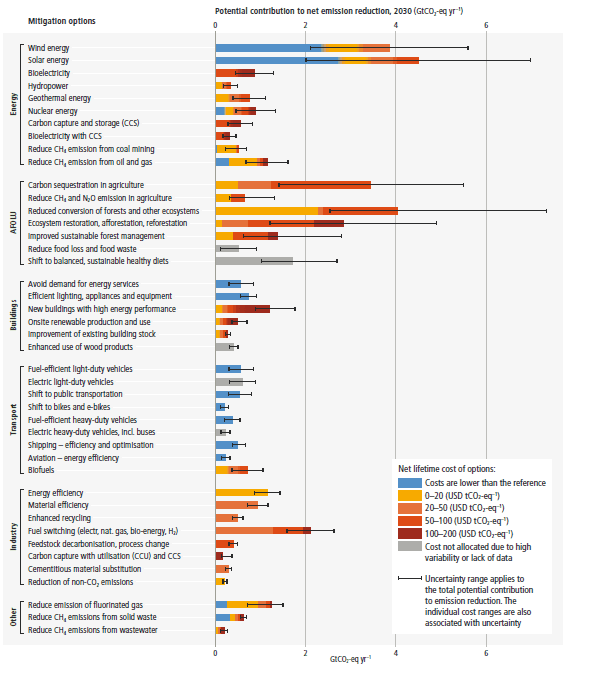
Recommended actions to cut greenhouse gas emissions in the near future:
Anti-science, inactivism, and unsupported conspiracy theories are not ok here.
founded 2 years ago
MODERATORS
you are viewing a single comment's thread
view the rest of the comments
view the rest of the comments
The good news is, you don't have to worry about this scenario. For all practical purposes, it's a fictional boogeyman.
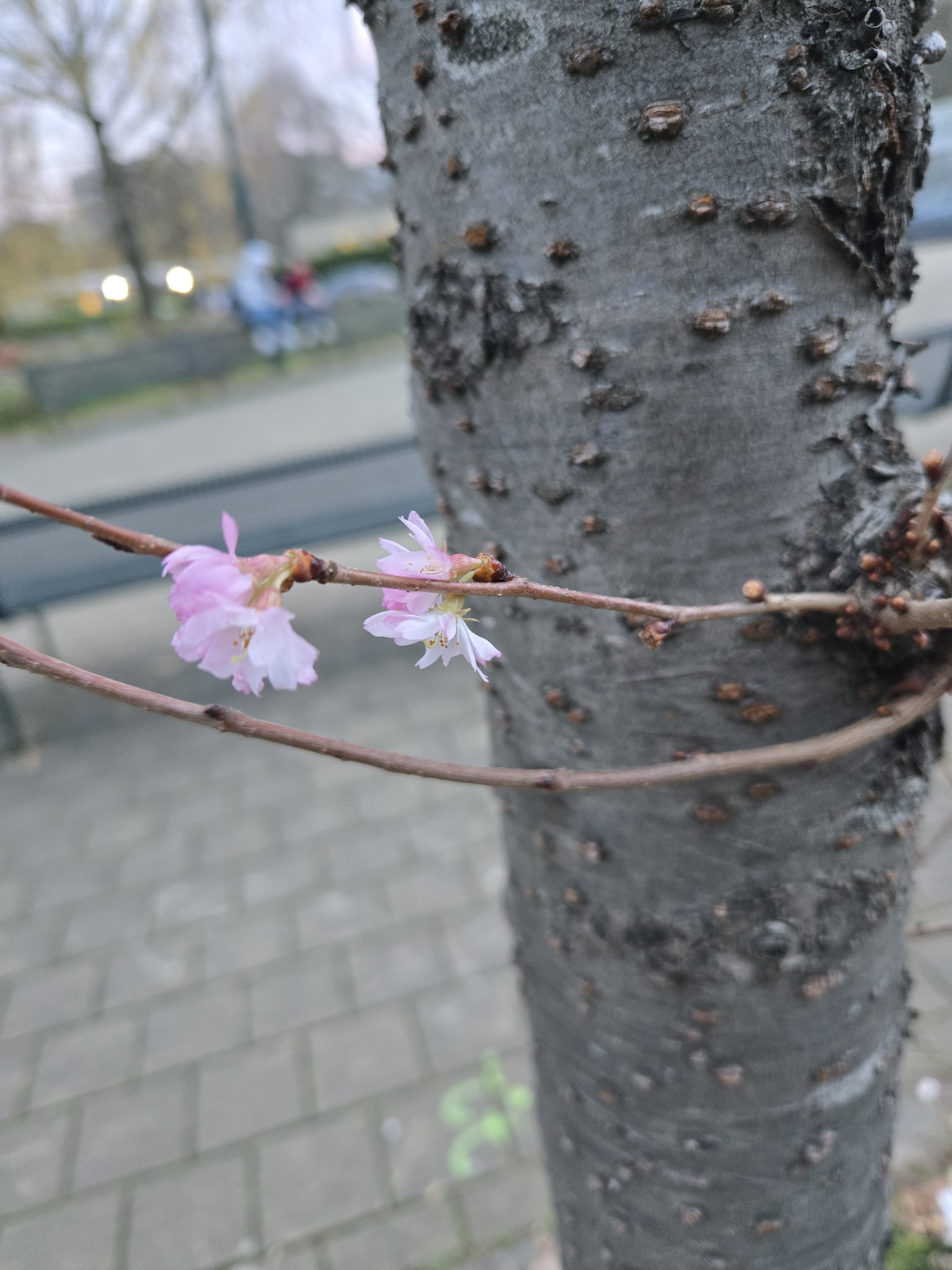
There will never be a case where all plants bloom in December. Full stop. So, I wouldn't worry too much about that scenario.
Generally speaking, flowering trees are not the only food sources available for bees in the cold seasons, or otherwise. Particularly if the discussion is geared towards the limited scope of honey bees. Perhaps on a hyper localized inner city block that's the case, but outside of that, no. European honey bees are perfectly happy to feed on sugary food items in trash cans, for example. And in much of the world, there are plenty of suitable cold season flowering plants. We might not notice them much, especially inside a city, but they're all over in many parts of the world.
Also, bees are not the only pollinators in much of the planet. There are a myriad wasps, beetles, flies, moths/butterflies, and so on that also actively pollinate flowers, even in cold seasons.
Honey bees in many parts of the world are active on days when the temperatures are actually quite cool. Doesn't need to be much warmer than 50F/10C, if there are honey bees in the area, they may be out foraging, even if trees are flowering out of season. Other pollinators, like flower flies, can be active at even lower temperatures.
Honestly, I could go on, but I suspect it's not strictly necessary. The summary is, the doomsday scenario you're asking about might be a possibility in a hyper localized setting (i.e. inner city block), but it's just not a thing that will ever happen on a wide enough scale to matter. That's not to say there aren't realistic scenarios where climate related biological collapse is a potential outcome, just that the scenario you described is not realistic.