Not enough brass, though
brisk
joined 2 years ago

A string has two ends
What level are your students (primary school, high school, technical college, university)?
You said it's not a core skill, so what is their core skill? IT? Machinist? Electronics engineer?
C is an excellent "fundamentals" language that anyone with a software engineering and maybe computer science should have exposure too, but if their programming is purely practical (e.g. scripting for IT?) C is essentially irrelevant.
Javascript is very narrow in scope but if they're web designers then it's essential.
I'll back the other commenters that if they need a language they can do useful things in (e.g. simple automations, calculations), Python is hard to pass over.
For me streaks are a double edged sword; if I break a streak then the stat becomes a disincentive
This graph is pretty good too
I have absolutely no idea how comprehensive it is, but Calibre has a book search that shows DRM free as a filterable column.
Three cueing peaked in the 90s.
School is the real world. It's just their world, not yours. It's where they spend a huge fraction of their day and year. School needs to be a livable place regardless of what comes after. "Preparation" if necessary at all, can come at the end or be taught explicitly instead of implicitly.
That does make it sound better, but that change was already a more than a decade overdue
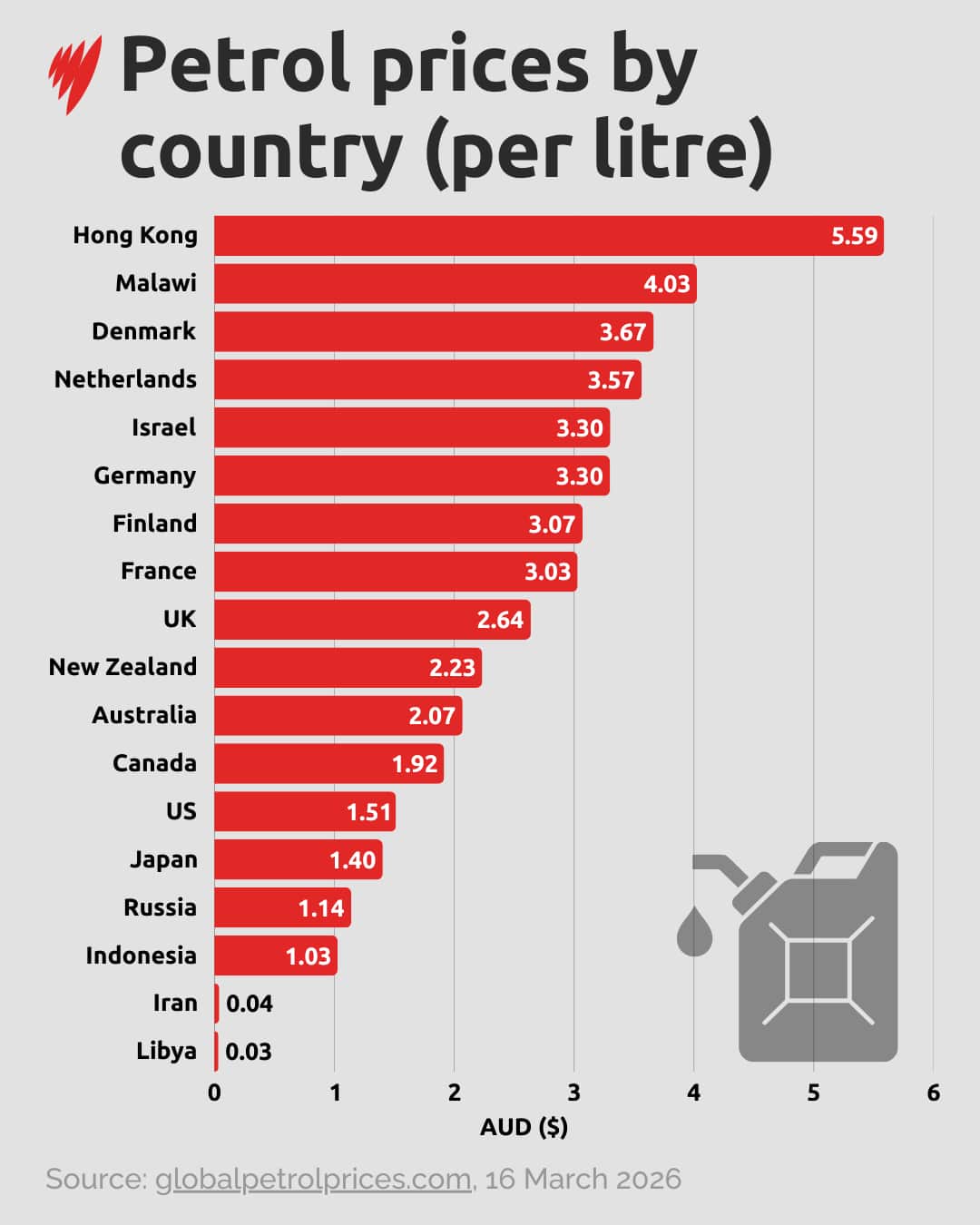
Here's the part most Australians don't know. For years, our petrol would have been illegal in almost every country we'd consider a peer. Europe hit 10ppm sulphur limits back in 2009. The United States, Japan, South Korea, Canada, China, even India all got there before us.
Global consultancy Stratas Advisors ranked Australia's fuel quality 85th in the world. We sat between Argentina and Tanzania. A 2017 Commonwealth review put us 70th globally and dead last among the 35 OECD countries.
And what are we going back to?
Air pollution causes approximately 5,000 premature deaths in Australia each year. Vehicle emissions account for a significant chunk of that figure. Research from the University of Melbourne and the Australian Institute of Health and Welfare linked dirty fuel directly to heart disease, stroke, lung cancer, and asthma. Emerging studies suggest connections to Alzheimer's, dementia, and ADHD.
The annual health cost? Around $17.8 billion, with another $4.5 billion in welfare losses and lost productivity. That exceeds the national burden of obesity.
The International Council on Clean Transportation estimated that proper fuel standards could reduce premature deaths from vehicle emissions by up to 75 per cent. For years, Australian policymakers had that research sitting on their desks.
10
Two robodebt officials engaged in serious corrupt conduct, Nacc finds, but Scott Morrison cleared
(www.theguardian.com)
19
Victoria to follow NSW in giving police new powers to stop protests in wake of Bondi terror attack
(www.theguardian.com)
8
[Analysis] "Enough is enough". Why Brereton has to resign from the NACC - Michael West
(michaelwest.com.au)
view more: next ›
Because anti-trust has not been enforced this century, with the exception of Lina-Khan's work as the FCC director.
Companies have been pushing the boundaries further and further for decades, with almost no push back.