He only mentions this once briefly, but it seems like the 'theory of change' behind this is to establish networks of provision outside of the system, to replace the system itself (or parts of it I guess).
Have I understood that correctly?
Discussion of climate, how it is changing, activism around that, the politics, and the energy systems change we need in order to stabilize things.
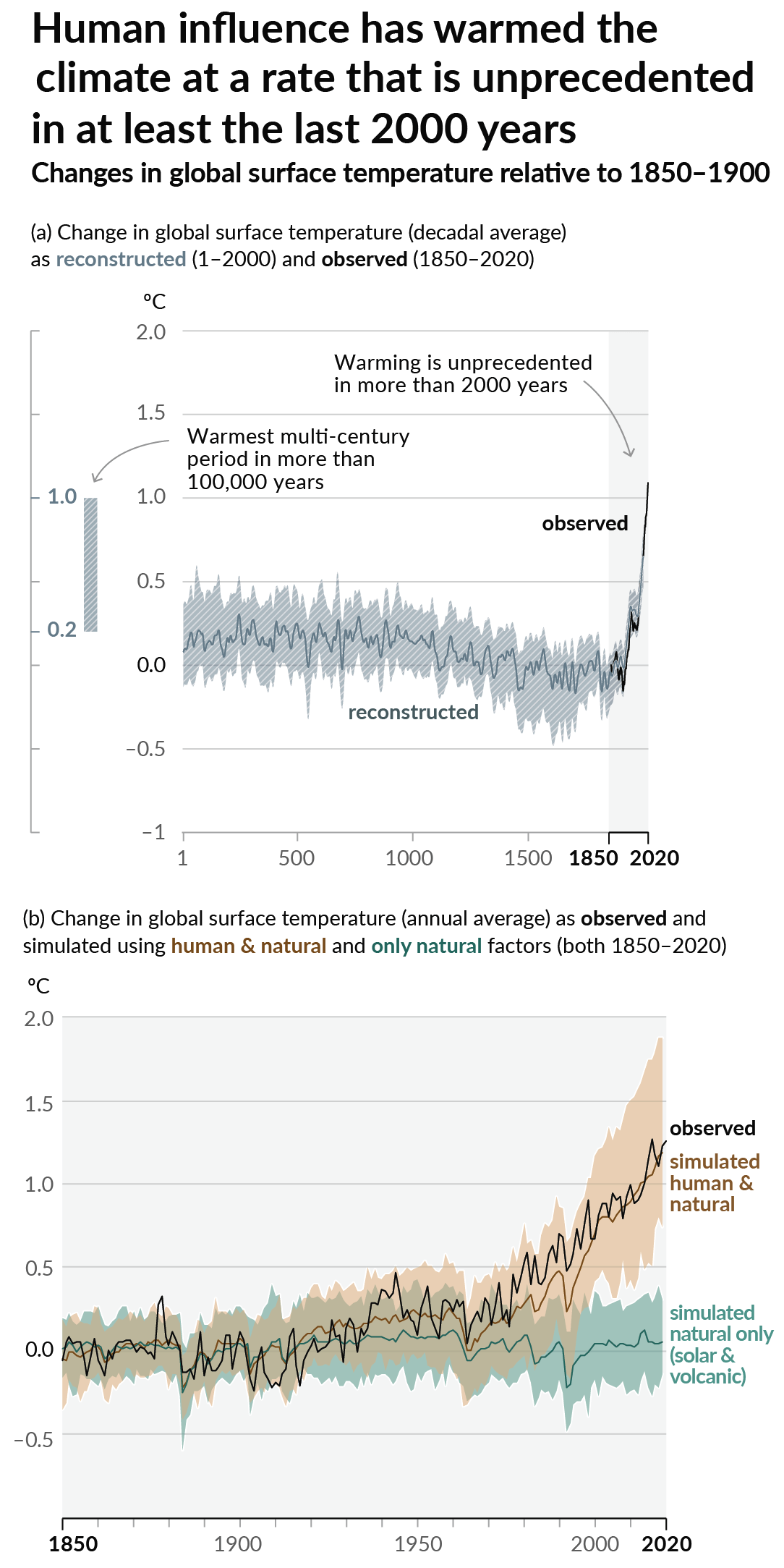
As a starting point, the burning of fossil fuels, and to a lesser extent deforestation and release of methane are responsible for the warming in recent decades:
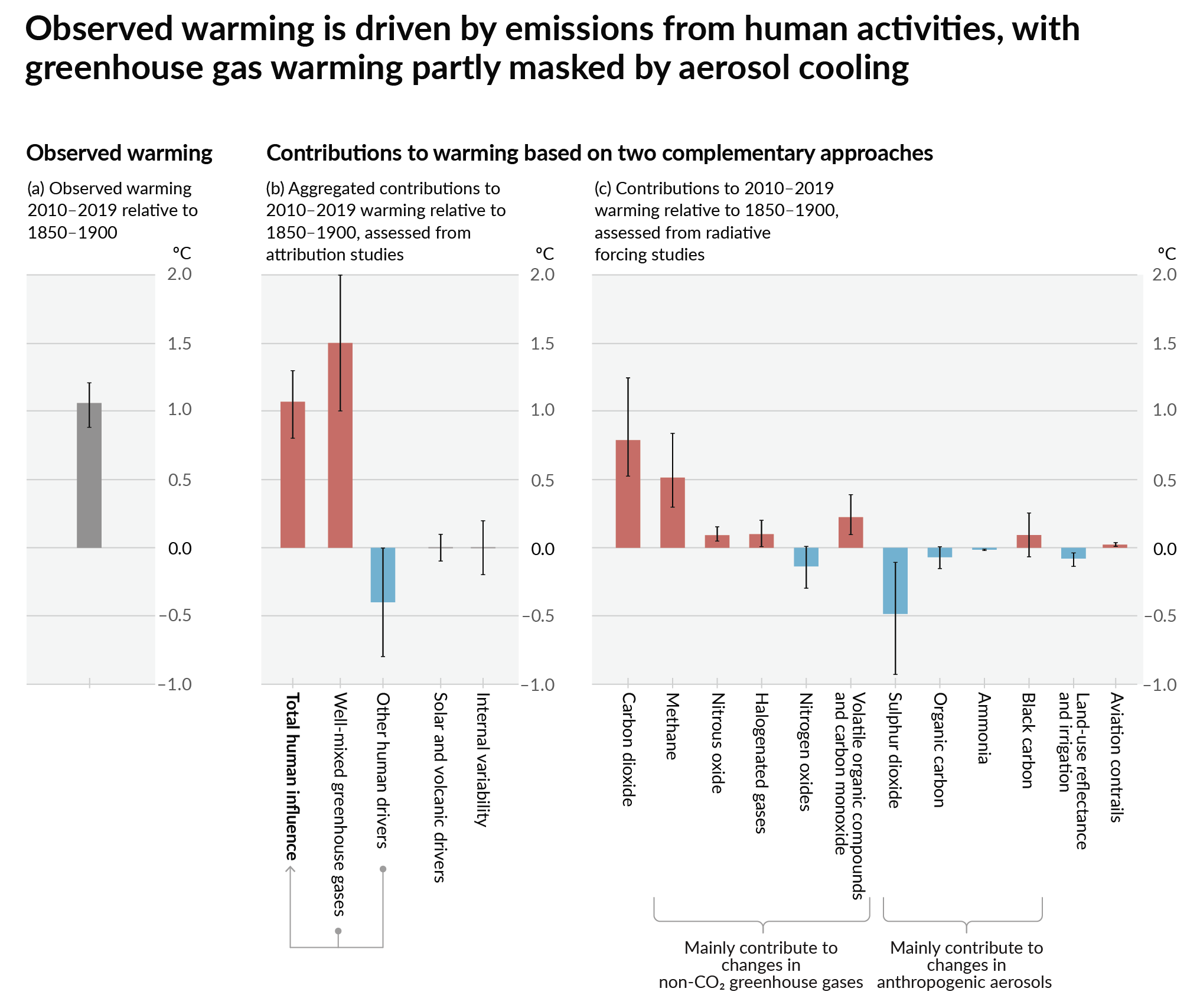
How much each change to the atmosphere has warmed the world:
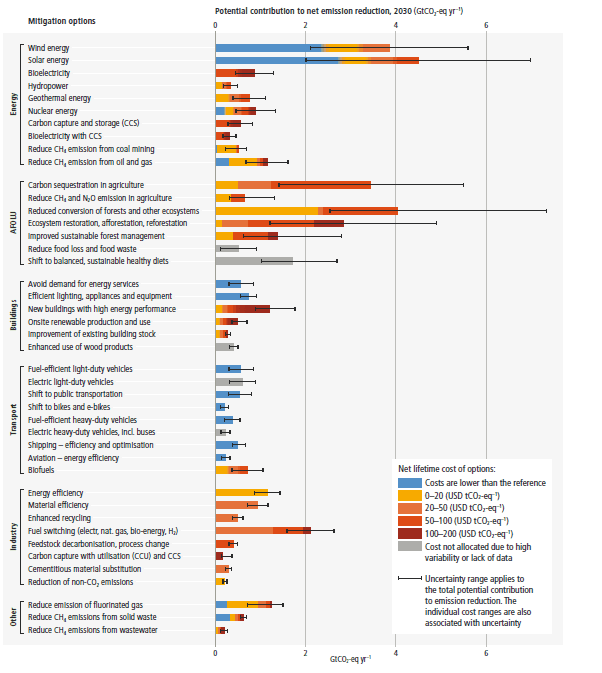
Recommended actions to cut greenhouse gas emissions in the near future:
Anti-science, inactivism, and unsupported conspiracy theories are not ok here.
He only mentions this once briefly, but it seems like the 'theory of change' behind this is to establish networks of provision outside of the system, to replace the system itself (or parts of it I guess).
Have I understood that correctly?
I also understood something very similar to what you said.
That building alternatives outside of capitalism on is no longer an option for broader political change because we are running out of time due to the ecological crisis. In the same time, it's through that kind of practices, but reframed, that we can expect the necessary solidarity for survival to be created.
slowly building alternative modes of living in the cracks left by capitalism. Then, when an existential crisis comes together with a powerful movement, we might topple capitalism and live in those expanded interstitial spaces. That was all well and good as long as we had infinite time.
These spaces [workers’ cooperatives, commons projects, eco-villages] are still what it’s about. Temporary Autonomous Zones. It was very popular in the 90s. That’s still what we’re talking about. I’m just not assuming they’ll come together like an archipelago that grows into a continent and displaces capitalism. I’m imagining, at best, an archipelago of solidaristic spaces you can hop between without your foot touching fascist ground. Spaces where life can still be lived the way it should be lived, in solidarity and freely. It’s the same strategy, but with a different goal. That requires adjusting our expectations to the new reality.
Yes and no. Of course it is about building leftist (infra)structures that could be used in case of system failure in the age of collapse. But because you can not build everything anew in parallel completely separate, it is about augmentation and cooperation with (state) institutions and NGOs as well.