Bipartisan? So what's wrong with it?
this post was submitted on 22 Jun 2026
41 points (95.6% liked)
politics
31112 readers
2872 users here now
Welcome to the discussion of US Politics!
Rules:
- Post only links to articles. Title must fairly describe link contents. If your title differs from the site’s, it should only be to add context or be more descriptive. Do not post entire articles in the body or in the comments.
Links must be to the original source, not an aggregator like Google Amp, MSN, or Yahoo.
Example:
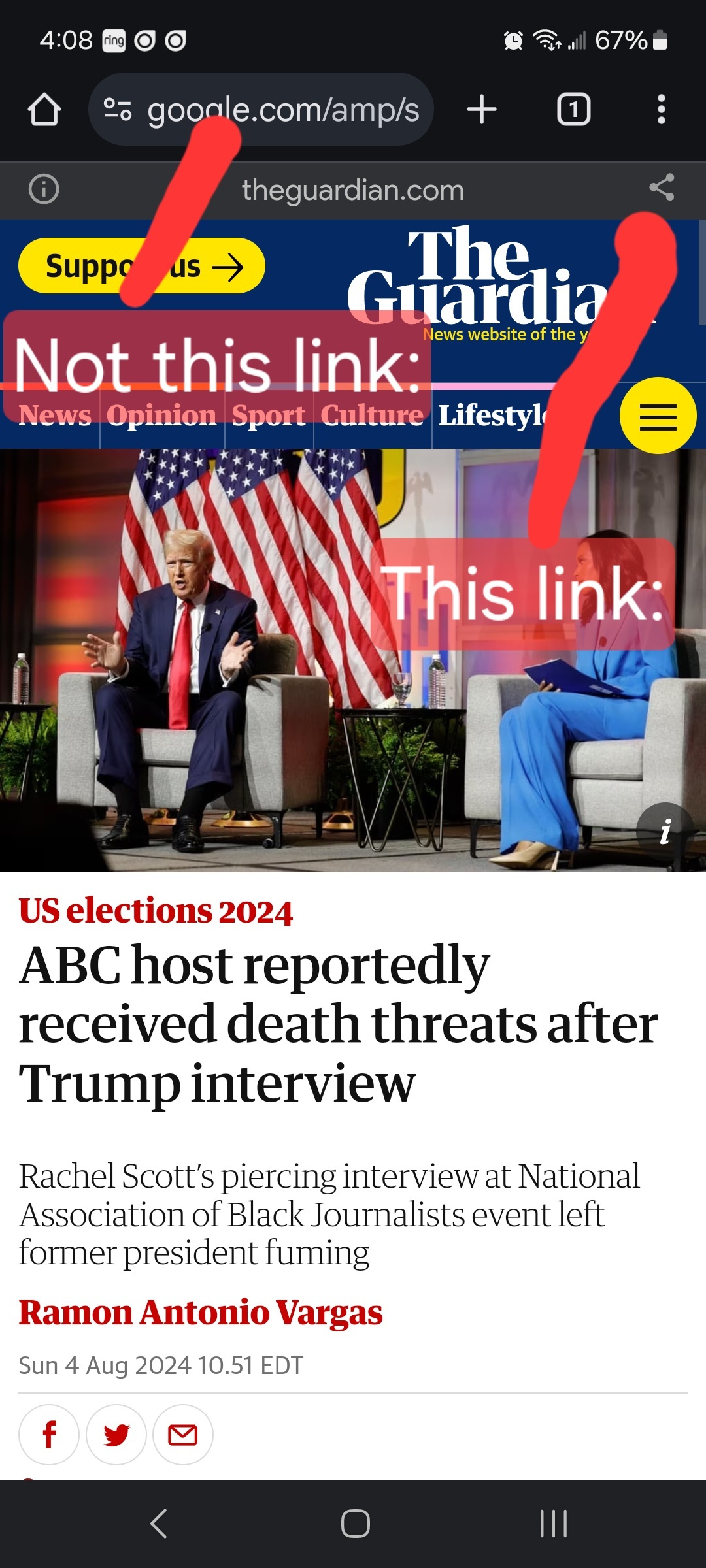
- Articles must be relevant to US politics and contain quality and original content. Social Media adjacent hosts like Substack are allowed, but ONLY if they tie back to a company/subsidiary. No personal or friend group blogs and no self-promotion. Articles should be worth reading. Clickbait, stub articles, and re-hosted or stolen content are not allowed. Check your source for Reliability and Bias here.
- Be civil, No violations of TOS. It’s OK to say the subject of an article is behaving like a (pejorative, pejorative). It’s NOT OK to say another USER is (pejorative). Strong language is fine, just not directed at other members. Engage in good-faith and with respect! This includes accusing other users of being bots or paid actors.
- No memes, trolling, misinformation, or low-effort posts/comments (including reposts). If you see posts like this that anger you, do not engage. Report, block, and live a happier life than they do. Any slap-fight is subject to comment removals. Fights full of rule violations will result in temporary bans to cool off.
- No manipulating votes via bots or alt accounts; this will result in permanent bans. Vote based on comment quality, not agreement. This community aims to foster discussion; please reward people for putting effort into articulating their viewpoint, even if you disagree with it.
- No hate speech, slurs, celebrating death, advocating violence, or abusive language. This will result in an account ban. Usernames containing racist, or inappropriate slurs will be permanently banned.
We ask that the users report any comment or post that violate the rules and use critical thinking when reading, posting, and commenting. Users that repeatedly have comments or posts removed, weaponize reports, or violate the code of conduct, will be banned.
All posts and comments will be reviewed on a case-by-case basis. This means that some content that violates the rules may be allowed, while other content that does not violate the rules may be removed. The moderators retain the right to remove any content and ban users. The reason(s) behind moderator action(s) are publicly available through the Modlog.
That's all the rules!
Civic Links
• Congressional Awards Program
• Library of Congress Legislative Resources
• U.S. House of Representatives
Partnered Communities:
• News
founded 3 years ago
MODERATORS
It’s pretty weak. It could do quite a bit, in theory, but I’m skeptical that the very regions that would most benefit from the new opportunities and funding, would bend over backwards to find ways to refuse the money and loosened zoning laws etc that this bill provides a “framework” for. It’s all pretty weak and feels like a messaging bill to me. I really hope I’m wrong, I’m trying to buy/build a house myself so I’d love it if these things end up working in parts of the country where it’s almost impossible to get a house without being a millionaire.
Here’s the part of the article that talks about exactly what the bill would do:
To increase the supply of housing, the bill would streamline environmental reviews and speed up the construction process.
It would offer funding to local governments that build more housing, including Community Development Block Grant money to places exceeding the median rate of homebuilding. It would also provide money for communities to turn abandoned infrastructure into housing, and offers a framework for communities that want to reform outdated zoning regulations, which often limit larger housing developments.
The legislation would allow banks to invest more in affordable housing and raise limits on the number of public housing units that can receive private financing through Section 8 funding to rehabilitate properties. And it would remove outdated requirements and expand federal financing to make manufactured homes more affordable.
Ultimately since we have such a huge wealth gap, normal people won't be able to compete with the rich who can buy homes as investments.
I guess it's nice that it's not just a handout to developers.
Part of the problem is every area is different. I like seeing my senator’s support for it, even as it am skeptical it would help us. Massachusetts was built out long ago, so we have much less new construction than other states, consequently much lower corporate ownership. We’re also high cost of living so have a lot to change. We have state zoning overrides and local regulations that will probably work better for us, but every tool helps. Bring it on

You don't say what the supply is in the title. Jellybeans? Guns?
I genuinely hope this passes and becomes law, but my cynical experience tells me corporations have enough lawyers, accountants, and capital to still make their money off housing, somehow.
Nimby's everywhere: "Over my cold dead body! My city counselors will hear about this bullshit!!"