Highlights
- Total emissions of Israel-Gaza war amounted to 33.2 million tons
- Emissions from the open conflict surpassed 1.3 million tons CO2 equiv
- Pre- and post-conflict activities contributed a considerate amount of CO2 equiv
- Mandatory reporting of military emissions is essential for effective climate mitigation
Comprehensive greenhouse gas emissions (GHG) inventories are vital for effective climate governance. However, a decade after the Paris Agreement, significant reporting gaps still exist. Emissions associated with military activities represent one such gap, with direct emissions from conflicts frequently unreported and pre- and post-conflict emissions consistently overlooked. Insufficient accounting prevents military emissions from being included in international climate agreements, undermining climate mitigation. We use open-source data in government, think tank, and civil society reports on combat operations and military installations to assess emissions from the Israel-Gaza conflict, including pre-conflict infrastructure, active conflict, and post-conflict reconstruction. We show that scope 1 and 2 emissions of open conflict exceeded 1.3 million tons CO~2~ equiv by January 2025. This value rises to 33.2 million tons CO~2~ equiv when including scope 3+ emissions of pre- and post-conflict activities like defensive fences and reconstruction, highlighting the need for more comprehensive reporting of military emissions and their significant climate costs.
this post was submitted on 18 Mar 2026
3 points (100.0% liked)
Climate
8447 readers
343 users here now
Discussion of climate, how it is changing, activism around that, the politics, and the energy systems change we need in order to stabilize things.
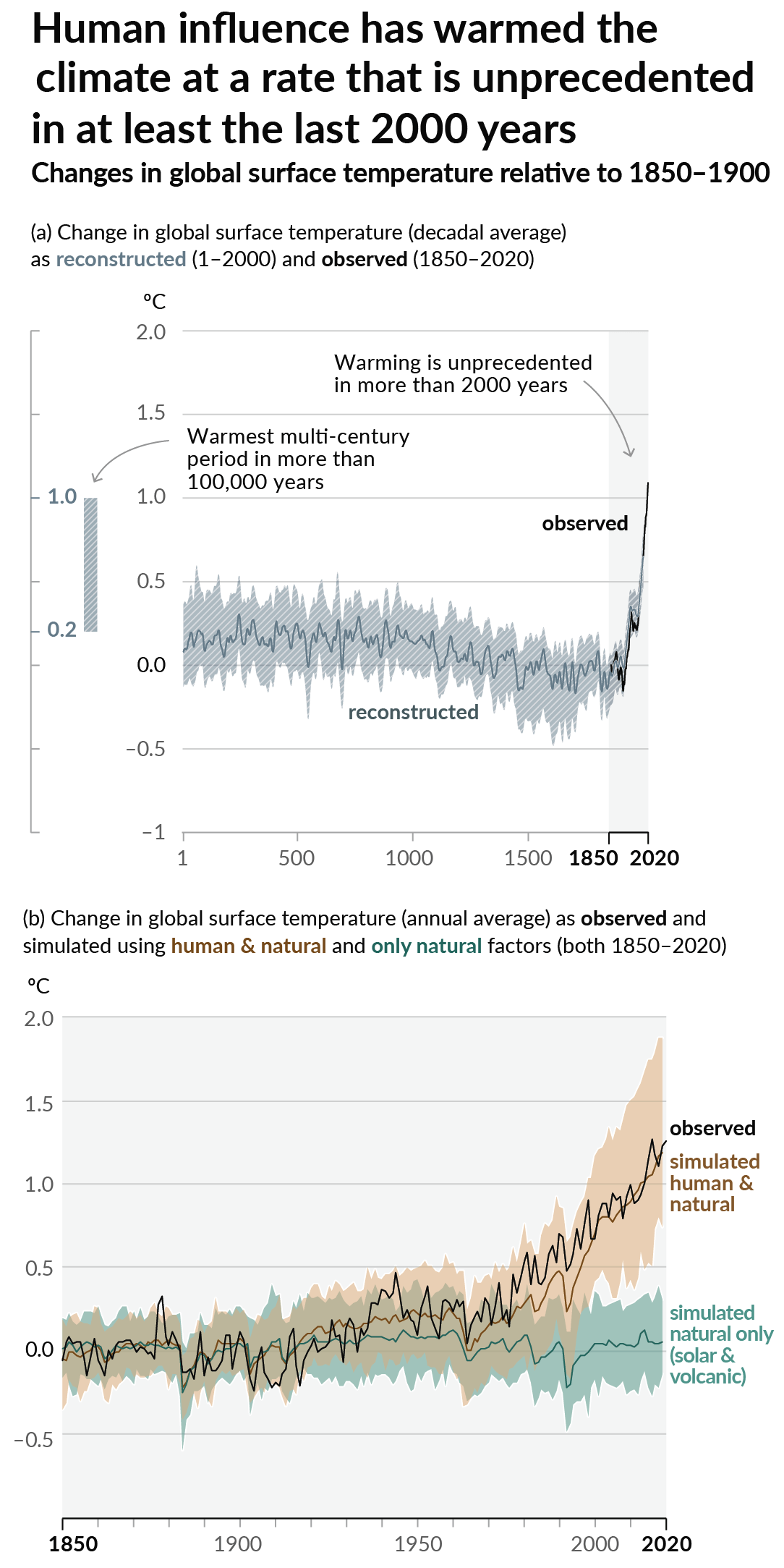
As a starting point, the burning of fossil fuels, and to a lesser extent deforestation and release of methane are responsible for the warming in recent decades:
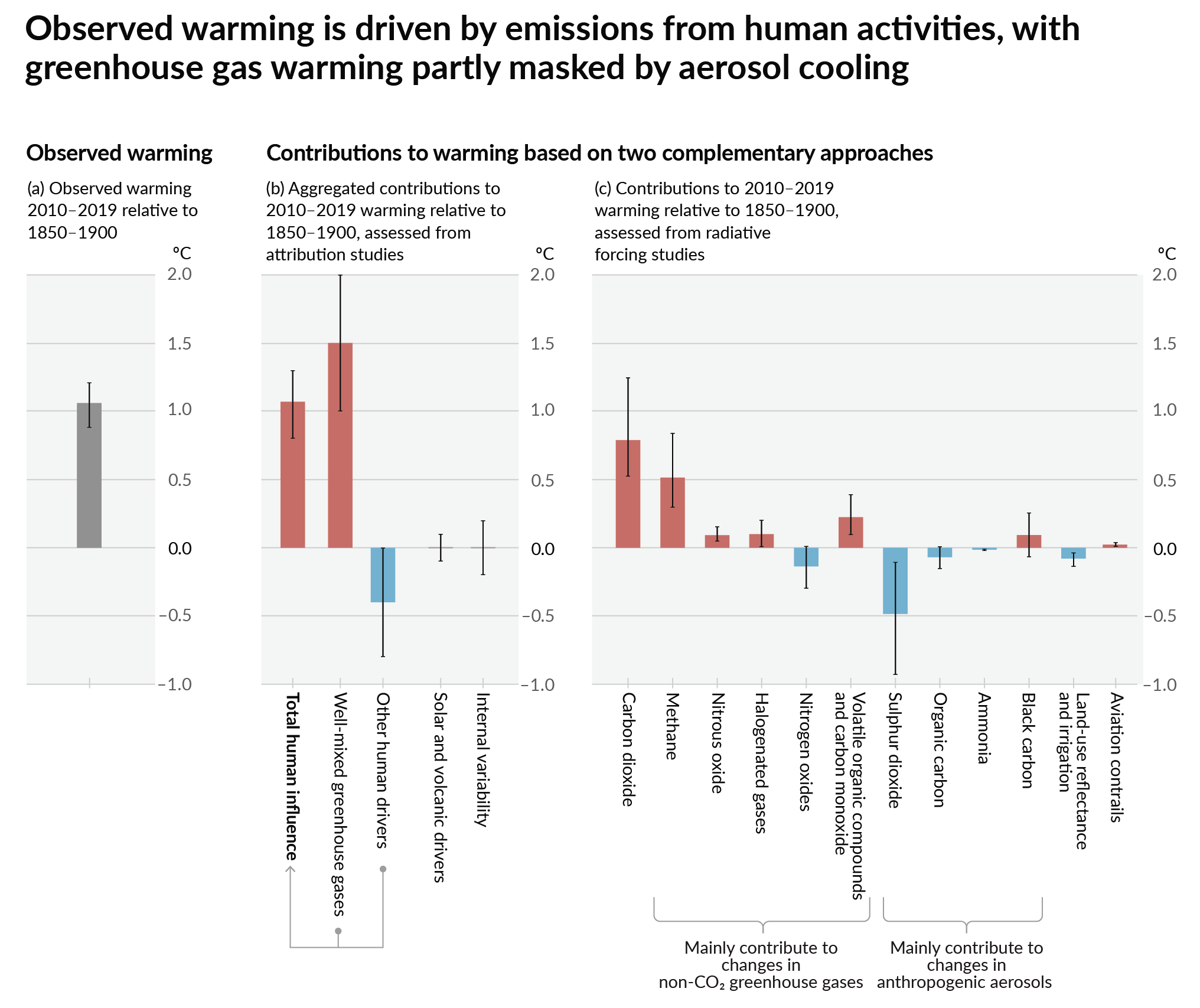
How much each change to the atmosphere has warmed the world:
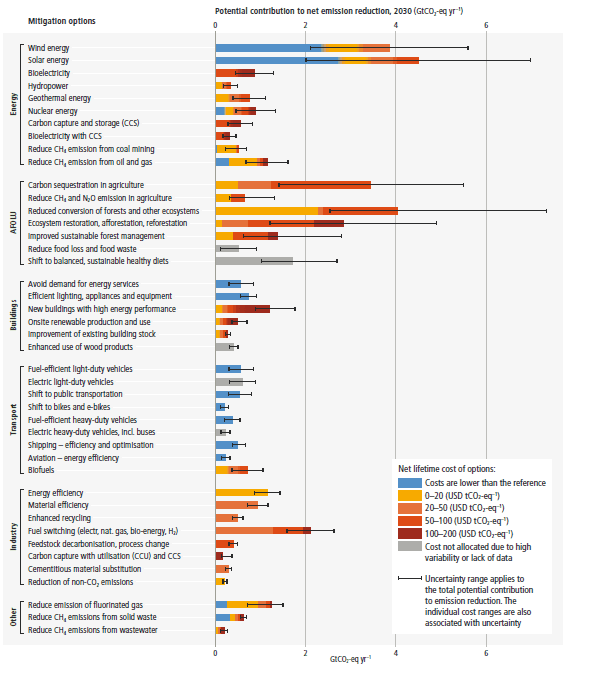
Recommended actions to cut greenhouse gas emissions in the near future:
Anti-science, inactivism, and unsupported conspiracy theories are not ok here.
founded 2 years ago
MODERATORS

there doesn't seem to be anything here