By Keith Ridler, Associated Civic News Bureau, Boise, Idaho
BOISE, Idaho — An Idaho entrepreneur is giving new life to hair swept from barbershop and salon floors, collecting discarded clippings and spinning them into yarn he says can help reduce waste and cut down on the use of synthetic fibers.
Mark Ellison, a former mill worker from eastern Idaho, began the project last year after noticing how much hair local shops threw away each week. He now partners with more than a dozen barbershops and salons, picking up sealed bags of hair that would otherwise end up in landfills.
“Hair is a natural fiber. It grows fast, it’s strong, and it breaks down naturally,” Ellison said. “We already have too many plastics and synthetics floating around that never really go away.”
Ellison washes, sterilizes, and processes the hair in a small workshop behind his home before blending it into spinnable fiber. The finished yarn has a coarse but durable texture, similar to wool blends, and can be knitted or woven into clothing and accessories.
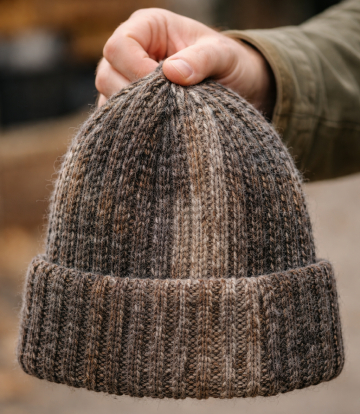
He regularly wears the results himself. On a recent afternoon, Ellison showed off a dark knit beanie and a long-sleeve shirt made entirely from the recycled hair yarn. He said the garments hold up well in cold weather and become softer with use.
“It surprises people when I tell them what it’s made of,” he said, noting that he's bald and the beanie keeps his head warm. “But once they feel it, they get it.”
Environmental advocates say projects like Ellison’s highlight alternatives to synthetic fibers such as polyester and acrylic, which are derived from fossil fuels and shed microplastics as they break down.
“Natural fibers that biodegrade are an important part of reducing long-term waste,” said Laura Kim, a sustainability researcher based in Boise. “Hair is unconventional, but it’s renewable and already part of the waste stream.”
Ellison said he hopes to eventually work with a local textile mill to scale up production of the yarn, though the project is still in its early stages. He said the broader goal is to encourage people to rethink everyday waste and reconsider how clothing materials affect the environment.
“We sweep this stuff up without thinking about it,” he said. “But it doesn’t have to be trash. Sometimes the solution is already on the floor, and we just walk right past it.”