58
Economic growth no longer linked to carbon emissions in most of the world, study finds
(www.theguardian.com)
Discussion of climate, how it is changing, activism around that, the politics, and the energy systems change we need in order to stabilize things.
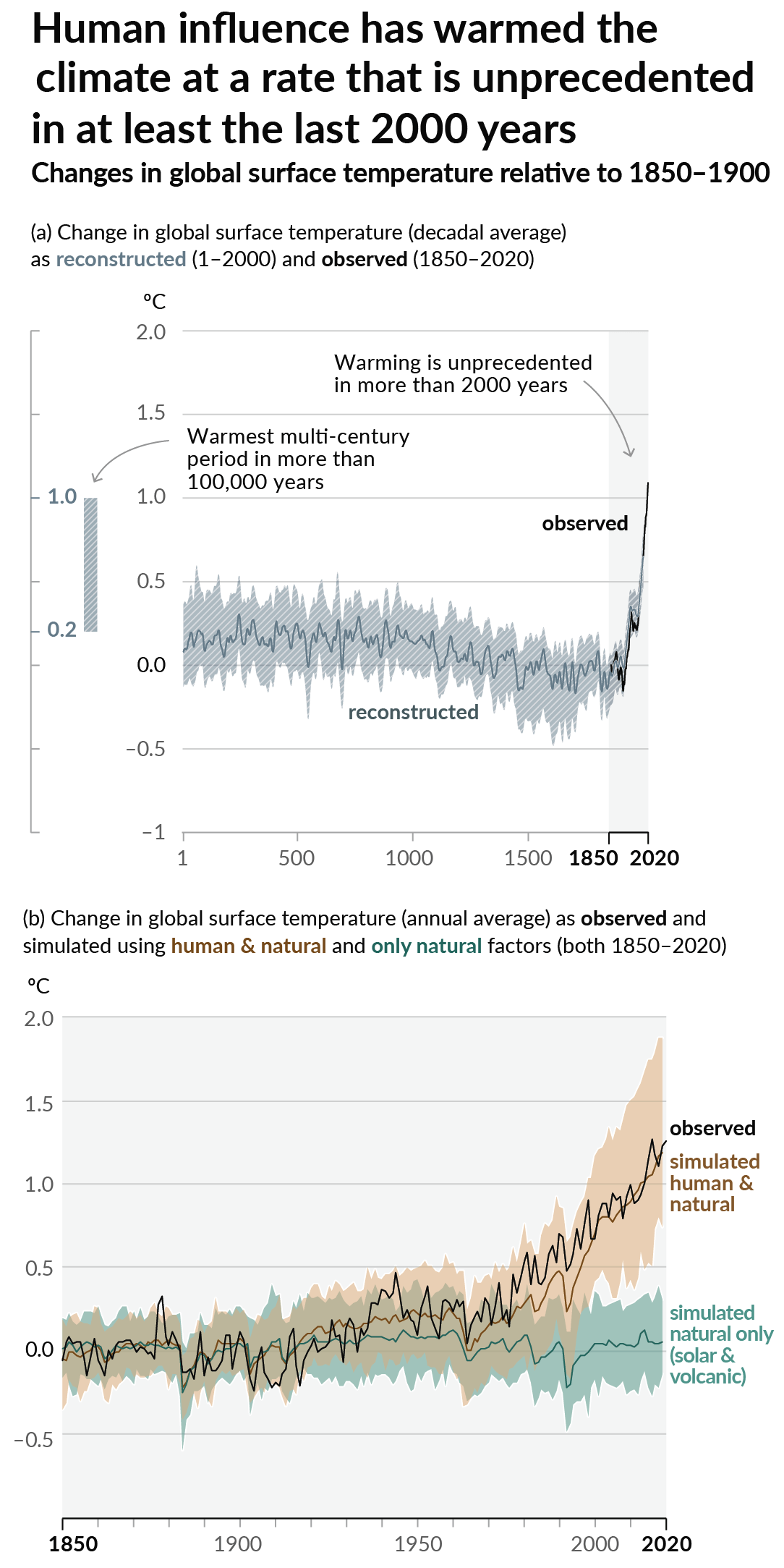
As a starting point, the burning of fossil fuels, and to a lesser extent deforestation and release of methane are responsible for the warming in recent decades:
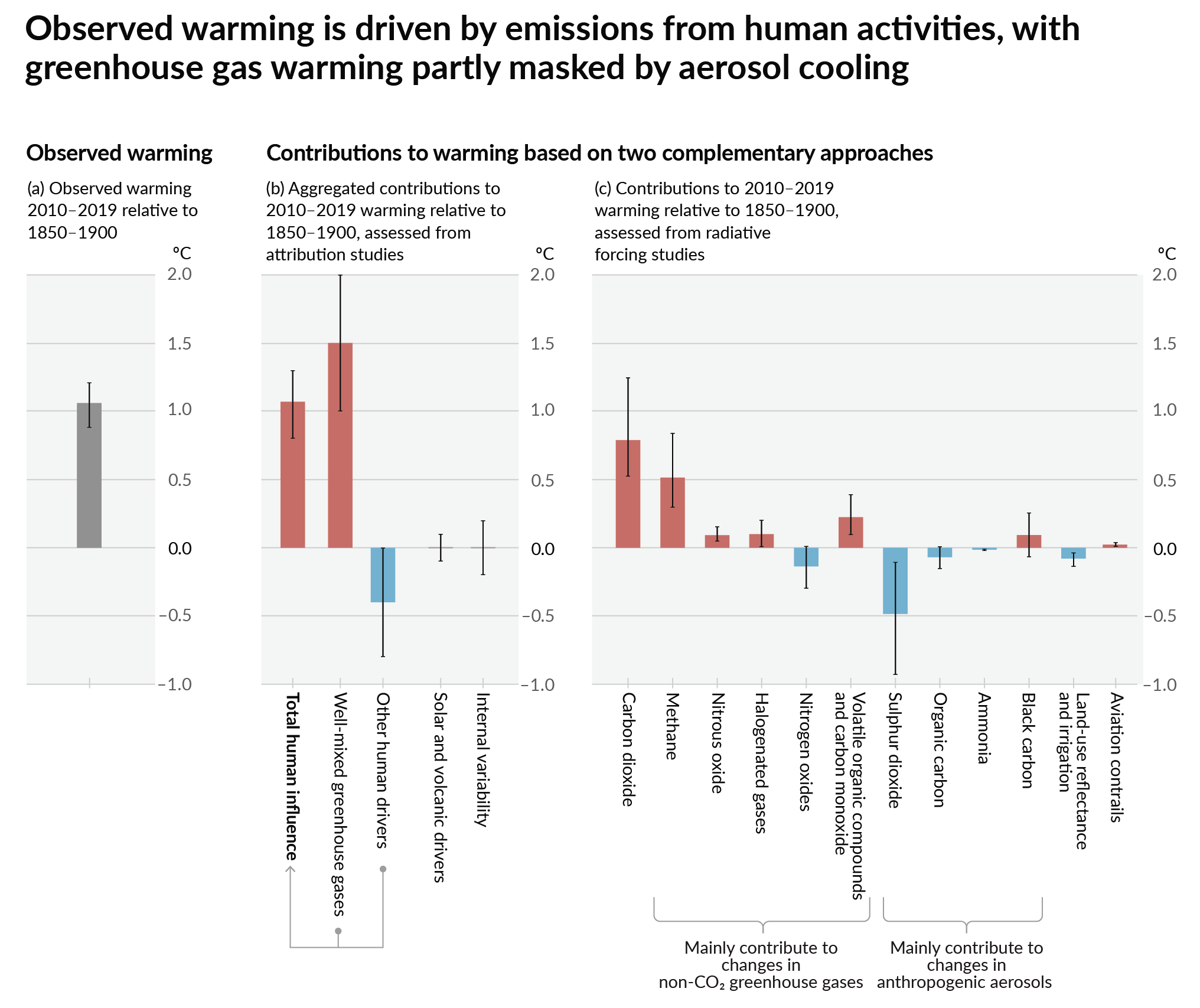
How much each change to the atmosphere has warmed the world:
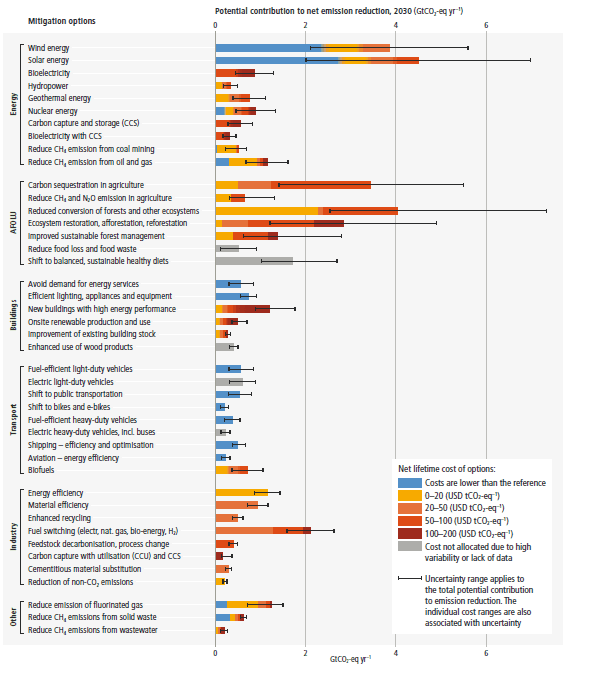
Recommended actions to cut greenhouse gas emissions in the near future:
Anti-science, inactivism, and unsupported conspiracy theories are not ok here.
"Decoupling" is a weak indicator and it's a reversible phenomenon. Don't rely on it.
There's a real trend in advanced alternative (primarily solar and wind) energy production that's had legs for over a decade and proven a more profitable and stable model of electricity production than fossil fuel imports. And electrification as a measure of economic growth has been a benchmark for over a century.
The continued growth of emissions overall is still a huge problem. But this shift in development patterns has a second-order impact on public policy. As states recognize they need more energy but don't need more coal/gas to modernize, they can and will shift their public spending practices accordingly.
Particularly for the BRICS, this is a big deal. You're talking about billions of future energy consumers who are no longer equating a higher quality of life with a larger carbon footprint.
Yes, in many economically developed countries "economics" is based on banks and similar shit that just makes money from money. No real consumer products manufacturing is involved.