this post was submitted on 26 Sep 2026
132 points (99.3% liked)
Climate
9029 readers
382 users here now
Discussion of climate, how it is changing, activism around that, the politics, and the energy systems change we need in order to stabilize things.
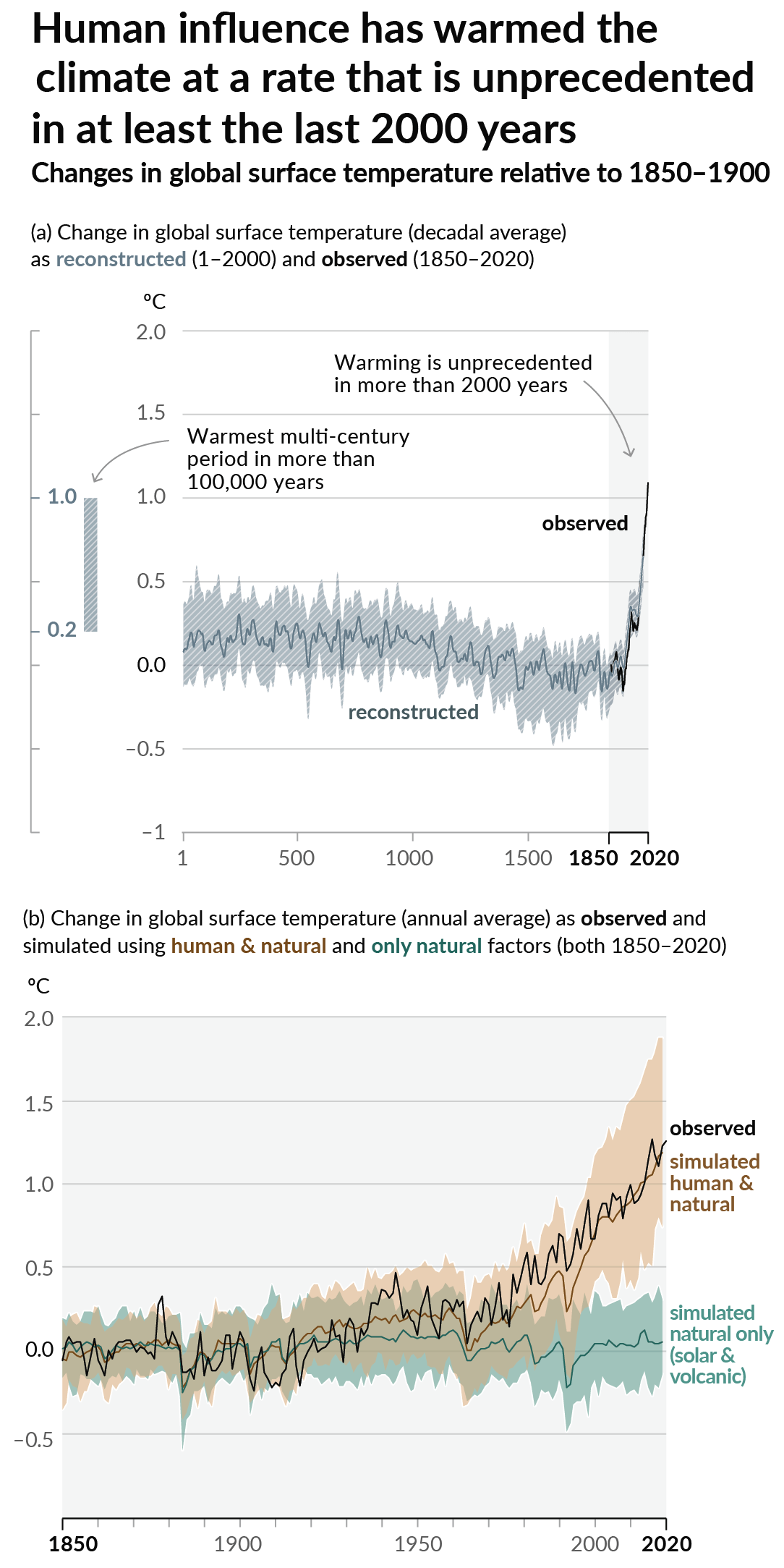
As a starting point, the burning of fossil fuels, and to a lesser extent deforestation and release of methane are responsible for the warming in recent decades:
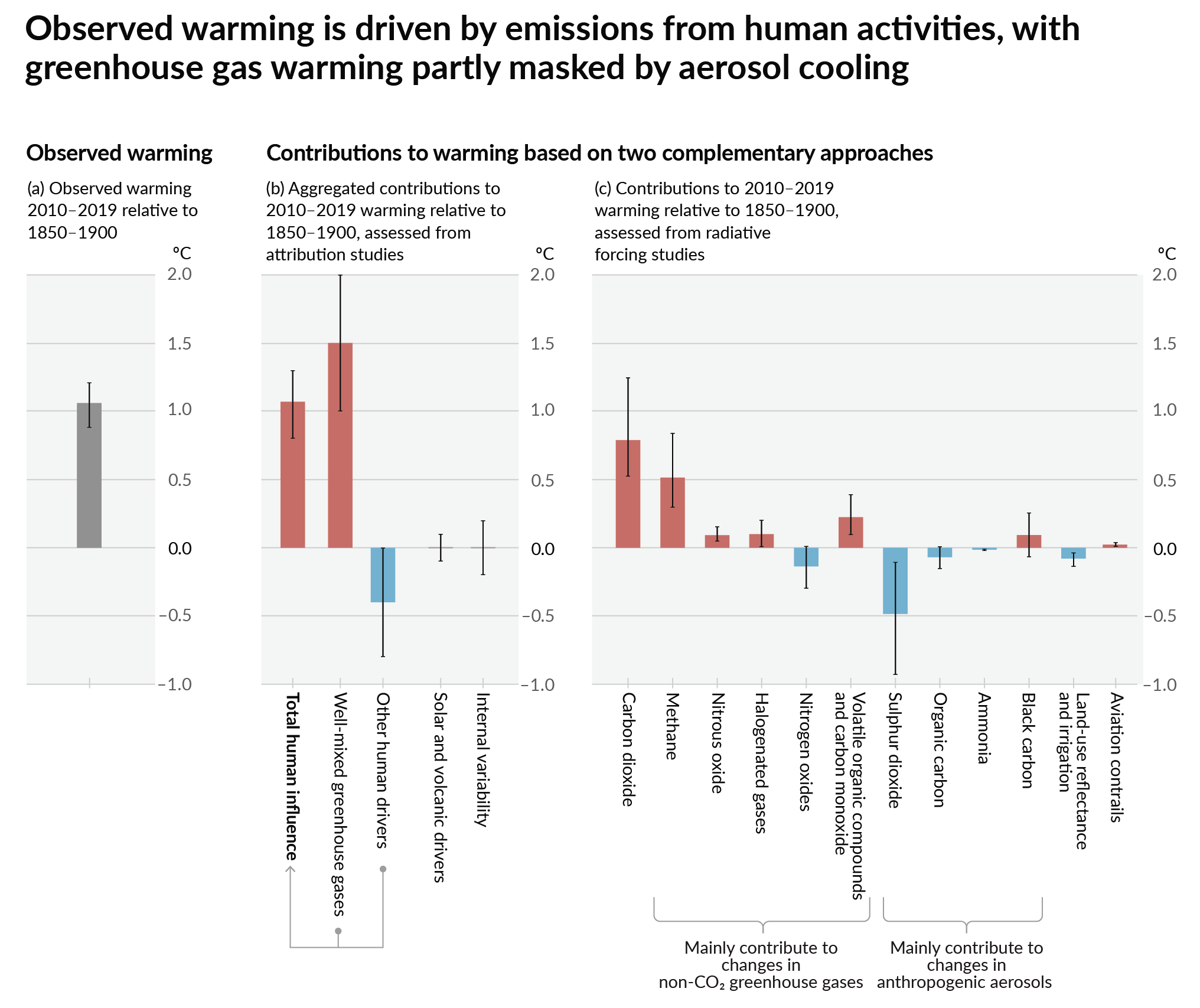
How much each change to the atmosphere has warmed the world:
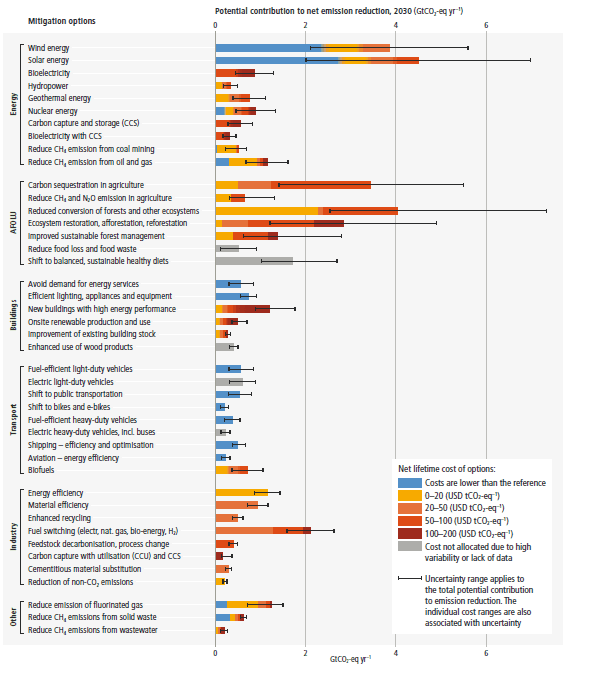
Recommended actions to cut greenhouse gas emissions in the near future:
Anti-science, inactivism, and unsupported conspiracy theories are not ok here.
founded 3 years ago
MODERATORS
you are viewing a single comment's thread
view the rest of the comments
view the rest of the comments
I found that very interesting, so I did a little research, and yeah, it’s called the “fourth power law”, which is used to compare road wear between two vehicles. The strength of the road does pretty drastically change how closely the “rule” applies, but it does seem to be a decent rule of thumb for common paved secondary roads. For anybody reading, it’s based on axle loading. So if we assume a 50/50 weight balance on a standard 2-axle vehicle, its axle loading is half the vehicle weight. The difference in road wear can be calculated as
([Greater Axle Load]/[Lesser Axle Load])^4^
So if you compare a Hummer EV at roughly 10,000lbs, so 5,000lb axle loading, to a 1st gen Miata at about 2,000lbs, or 1,000lb axle load, the Miata would have to drive down a road 625 times to do a similar amount of damage as the Hummer driving down it once. That is a fairly extreme example, but you get the idea.
Source 1
Source 2
So at what point is highway maintenance more expensive than a railroad?
A single year of federal road funding is more than amtrak has gotten in its entire existance
Whenever oil producers and auto manufacturers can’t pay off politicians anymore
But more seriously, more money goes into road maintenance than rail maintenance even in the EU, which has way more rail than the US. And while I’m a big fan of trains for transportation, cars still make a lot of sense for a lot of people across the US. Trains are great for connecting population dense areas to each other. The US has a heck of a lot of “middle of nowhere”, that’s way too far from urban areas for it to be reasonable to build rail to, to be reasonable to ride a bike to the nearest town that has a station, or even have a bus route that would be going by.
In my dream world we would convert pretty much all the 4-lane roads in the US into 2 lanes of car traffic on the inside, with narrower lanes on the outside for bikes and scooters and whatever other small slow things on wheels, and light rail either on one side or what is now the median. I figure if it’s worth having 4 lanes, it’s probably worth having light rail.