201
Analysis: Global fossil-fuel emissions set to fall in 2026 amid Hormuz crisis
(www.carbonbrief.org)
Discussion of climate, how it is changing, activism around that, the politics, and the energy systems change we need in order to stabilize things.
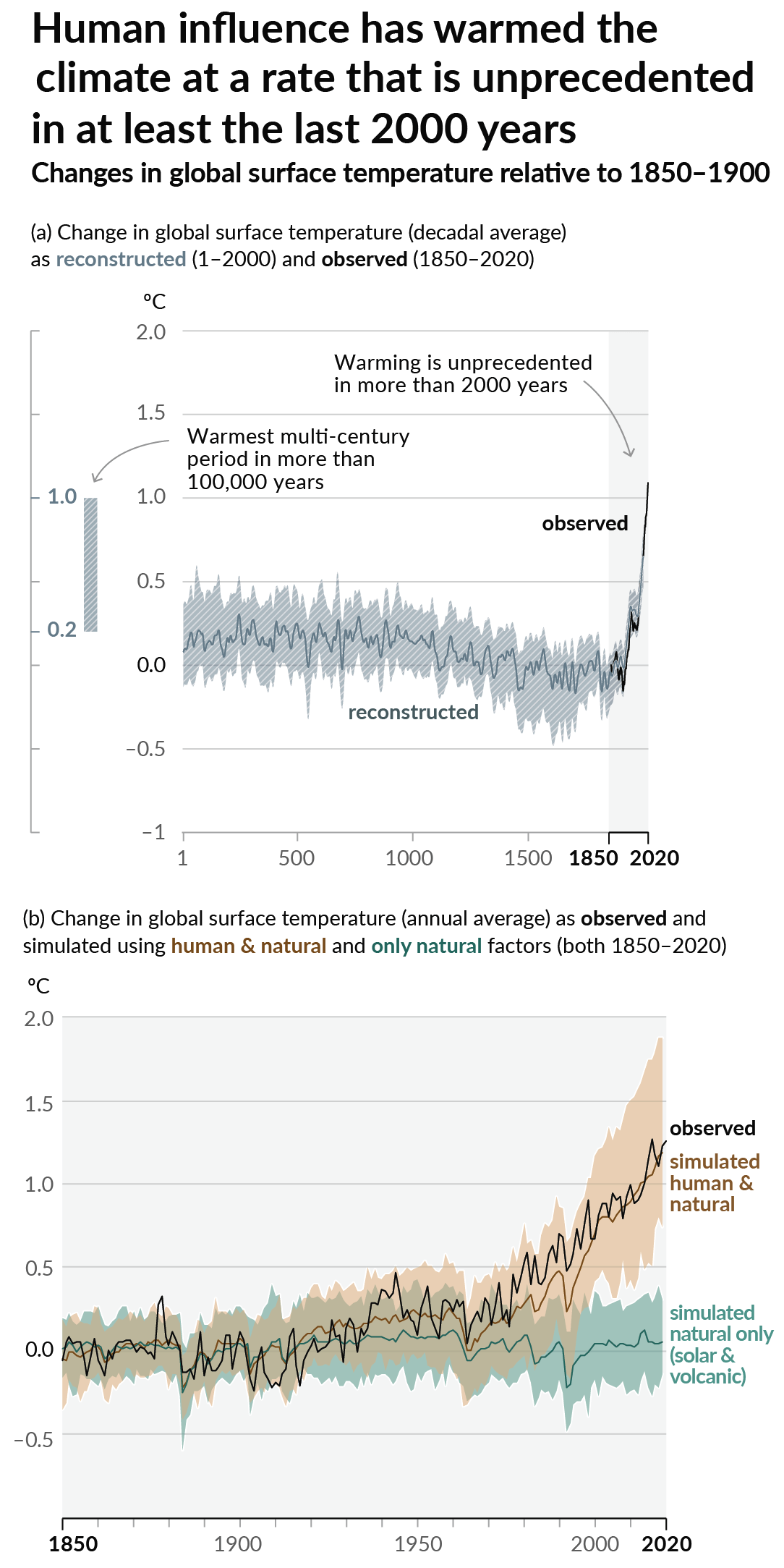
As a starting point, the burning of fossil fuels, and to a lesser extent deforestation and release of methane are responsible for the warming in recent decades:
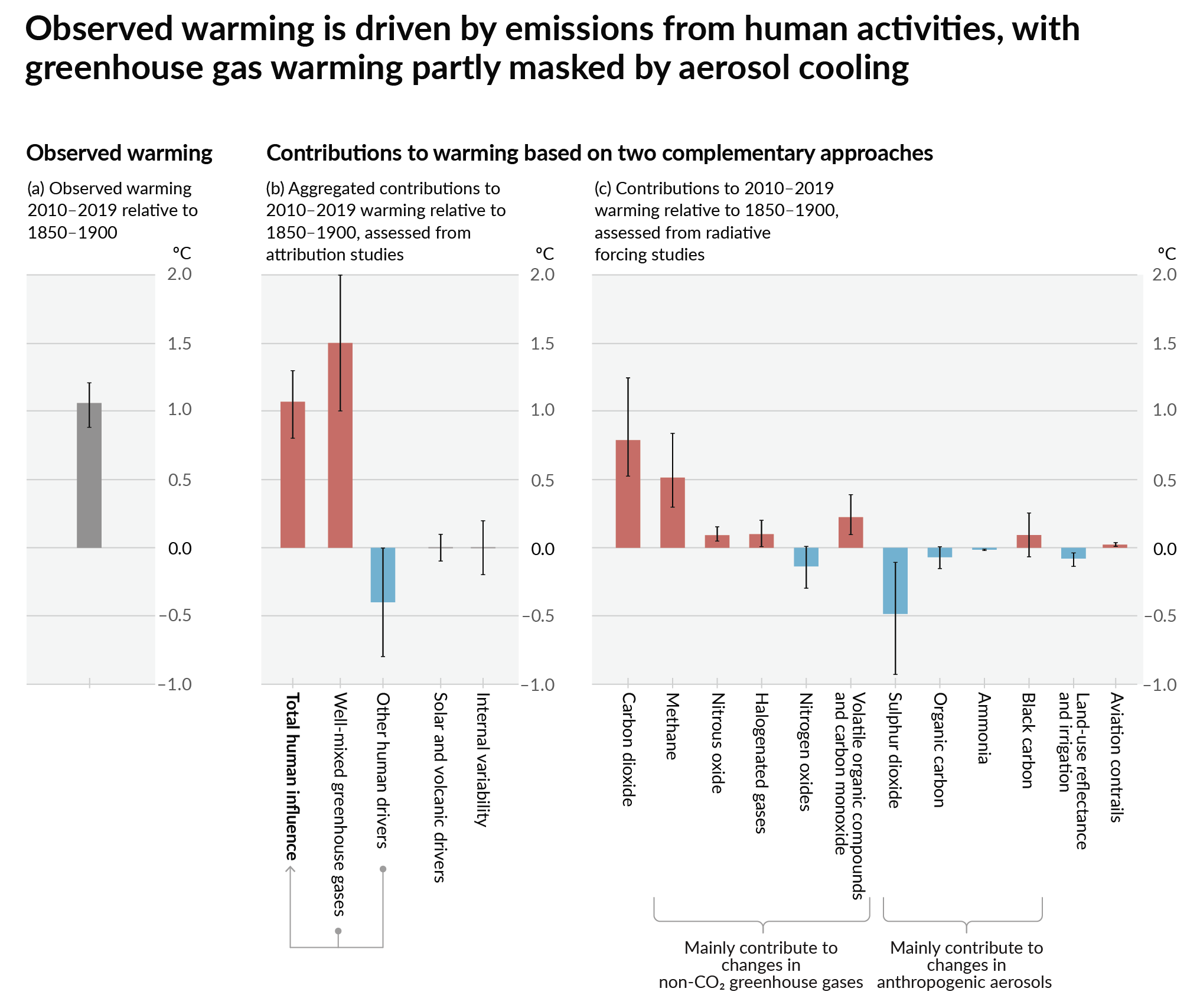
How much each change to the atmosphere has warmed the world:
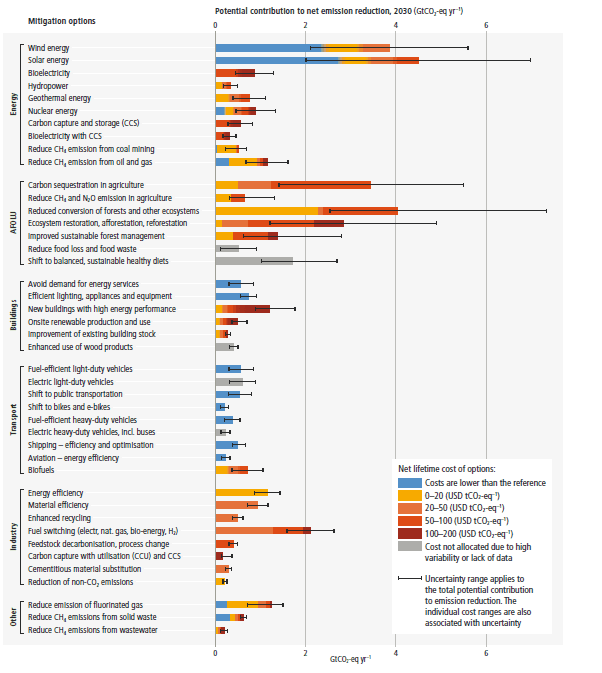
Recommended actions to cut greenhouse gas emissions in the near future:
Anti-science, inactivism, and unsupported conspiracy theories are not ok here.
Most of that 10m barrels of consumption will find a way to have it produced somewhere. So emissions is in addition to the fire+repairs. Price disruption due to event will encourage more drilling, and once something is drilled with support infrastructure, it is easily profitable to keep sucking instead of stop sucking, even if fewer use oil
Even if 9.8 million barrels get replaced, that's still a net negative.
And look at what we've actually seen in this war. Consumption actually is down, and the IEA is forecasting the total demand for 2026 will be 2.5 million barrels per day lower than 2025. Sellers are filling the gap with stockpiles, because supply is currently down about 5.7 million barrels per day, and demand may further be destroyed if oil reserves are depleted and prices/supply shortages get even crazier.
Basically, the rest of the world combined cannot make up for the disruption in the Middle East and Russia.
Everything I'm seeing is that global CO2 emissions will go down, because even 100 burning oil wells and 10,000 bombs won't generate the same CO2 as the 700 million barrel reduction in oil consumed this year.