this post was submitted on 20 Aug 2026
537 points (98.6% liked)
Climate
9042 readers
68 users here now
Discussion of climate, how it is changing, activism around that, the politics, and the energy systems change we need in order to stabilize things.
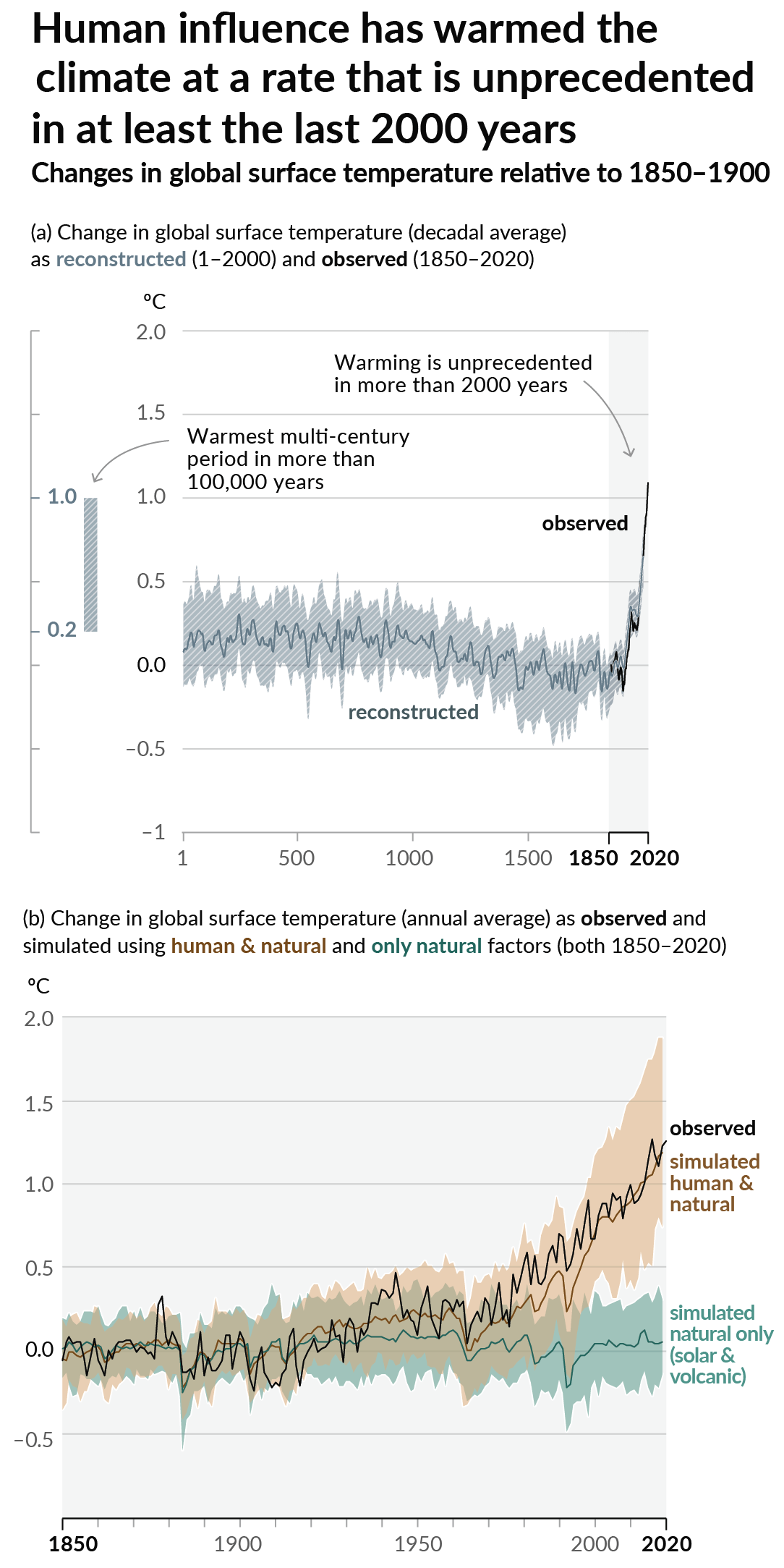
As a starting point, the burning of fossil fuels, and to a lesser extent deforestation and release of methane are responsible for the warming in recent decades:
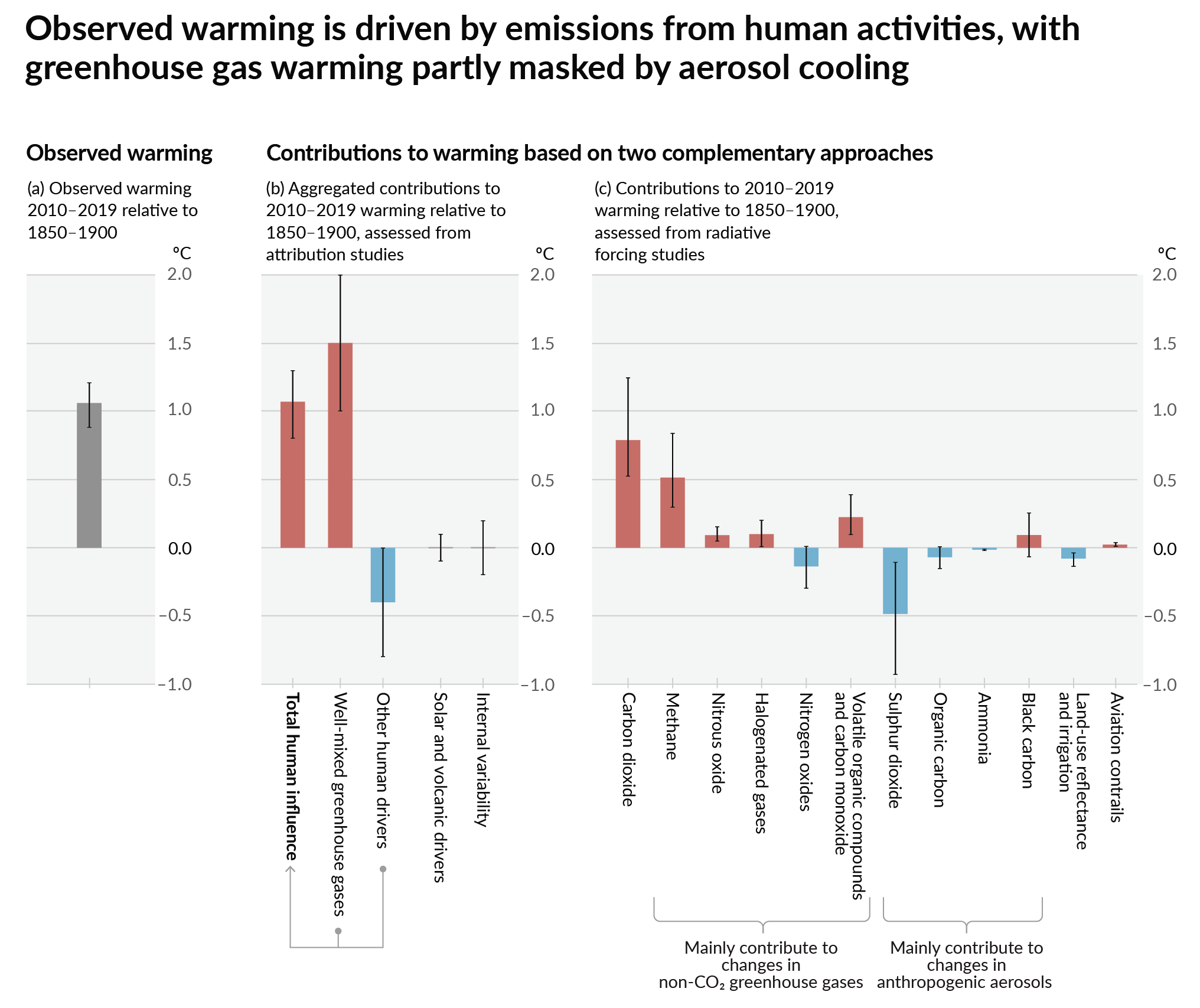
How much each change to the atmosphere has warmed the world:
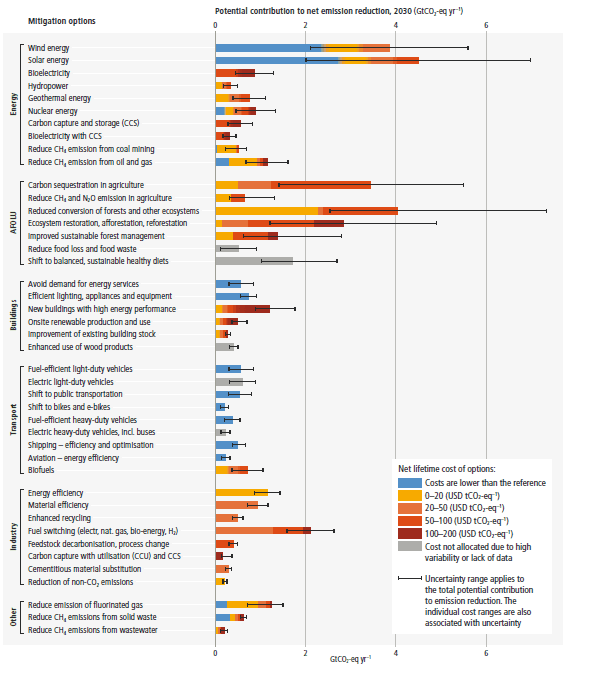
Recommended actions to cut greenhouse gas emissions in the near future:
Anti-science, inactivism, and unsupported conspiracy theories are not ok here.
founded 3 years ago
MODERATORS
you are viewing a single comment's thread
view the rest of the comments
view the rest of the comments
The capitalist class aren't cartoon villains; they're normal people. Changing the system to get rid of them isn't going to magically get rid of the human preference for the easier path. People aren't going to just suddenly wholesale agree to take the long view and do things the more expensive, but more environmentally friendly way. And when I say "more expensive" I don't mean the added expense of corporate greed. Even after you take out that factor, a lot of the expense comes from the simple difference in energy density.
They absolutely are. The reason we're in this climate crisis is because oil companies knew this would happen and a handful of executives chose profits over our future. Had exxon been worker owned you'd need a majority of the company to choose greed and actively run disinformation campaigns. Even the current AI boom wouldn't be so insane because you'd need the majority of Nvidia to deliberately inflate the bubble through circular investments. It would've reduced the ram crisis by not letting the big three price fix the price of ram and then artificially create scarcity by selling off future ram production. It would also be very unlikely there would be someone to sell the future ram production because the majority of an AI company would have to be convinced to buy up non-existent ram with with non-existent money because "if we don't do it our competitors will". Getting rid of capitalists and and putting the workers in charge of the company instantly increases the number of assholes necessary for the company to make an asshole decision.
The argument that getting rid of capitalists wouldn't magically change the system is like making an argument that getting rid of kings won't solve all our problems. It didn't, but it got us democracy which did end up making everything less shit. Getting rid of capitalists and putting the companies in the hands of the employees wouldn't instantly fix anything but it would prevent future shit from happening. Had it been done 60 years ago we might not even have a climate crisis. If we do it today we're not going to save us from the AI bubble but we might save up from the next "once in a lifetime economic bubble" that will end up further ruining our planet.
I don't think anyone is claiming that removing capitalism would magically make environmentally friendly choices effortless or eliminate human preferences for convenience. The point is that the system determines what gets treated as the "easy" and "cheap" option in the first place. If an economic system rewards short-term returns while externalizing long-term environmental costs, then of course the dirty option tends to win. That's a structural issue, not a question of whether individual capitalists are cartoon villains. Physical constraints are real, but they're not an argument for treating the current economic incentives as inevitable.
I think you may be extrapolating in the wrong direction from my comments.
My main point isn't that the status quo is inevitable or anything like that. I'm trying to keep people focused on the whole problem, not just "eat the rich" type sloganeering. It's going to be a multiple generation endeavor to fix the environment, even if we magically started doing all the right things now. If we keep keep presenting it as something that can be solved by just getting rid of the rich, we're going to run into a whole new batch of problems when that doesn't work.
Yeah, I think we're mostly on the same page about it not being as simple as "get rid of the rich and problem solved."
Where I think we differ is that I see capitalism itself as probably the biggest hurdle. Not because people in capitalism are inherently bad but because the system's incentives are fundamentally at odds with living sustainably. I don't think changing that magically solves everything but I do think it's a prerequisite for solving the problem in the long run.