this post was submitted on 15 May 2026
39 points (95.3% liked)
Climate
8644 readers
466 users here now
Discussion of climate, how it is changing, activism around that, the politics, and the energy systems change we need in order to stabilize things.
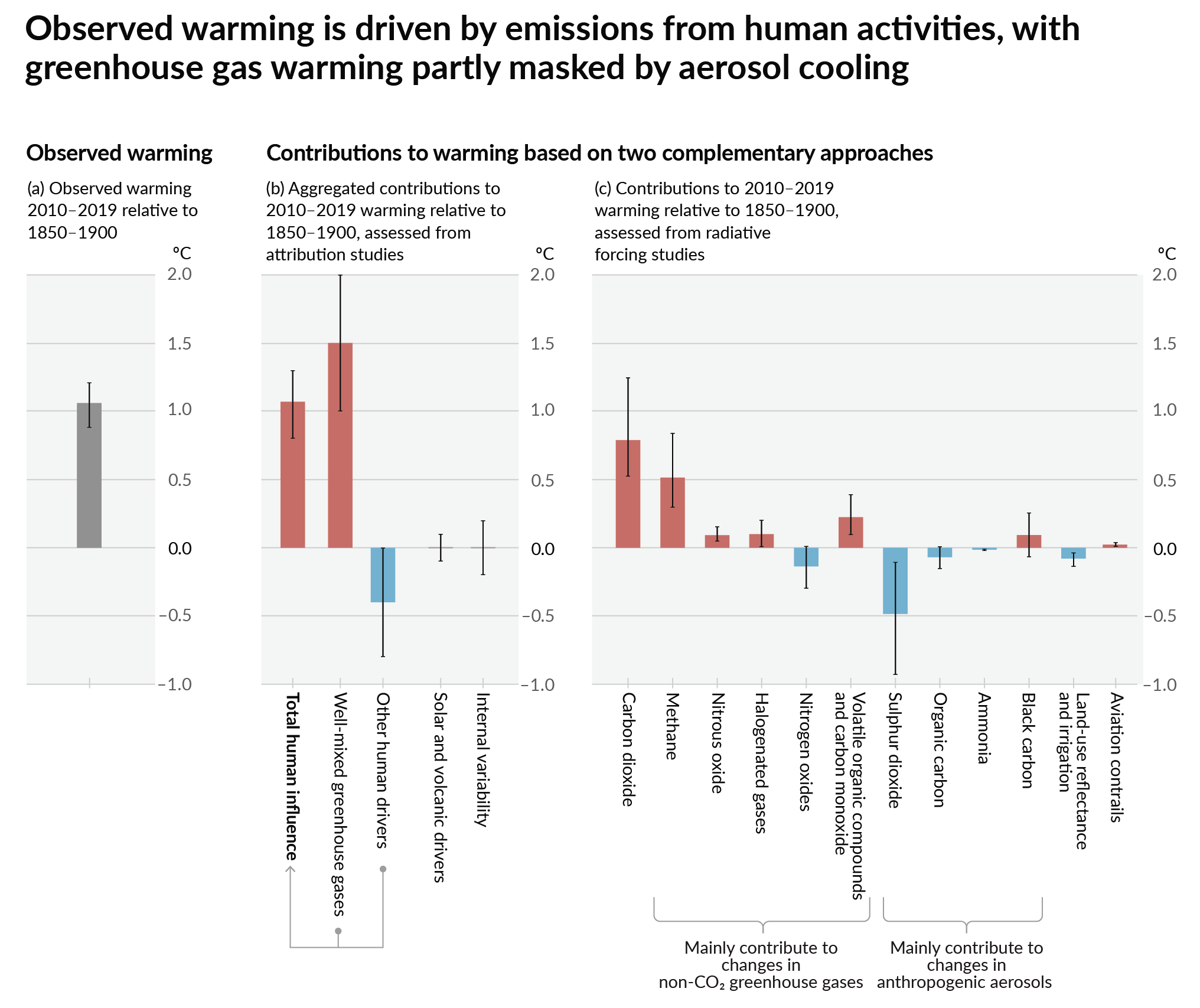
As a starting point, the burning of fossil fuels, and to a lesser extent deforestation and release of methane are responsible for the warming in recent decades:
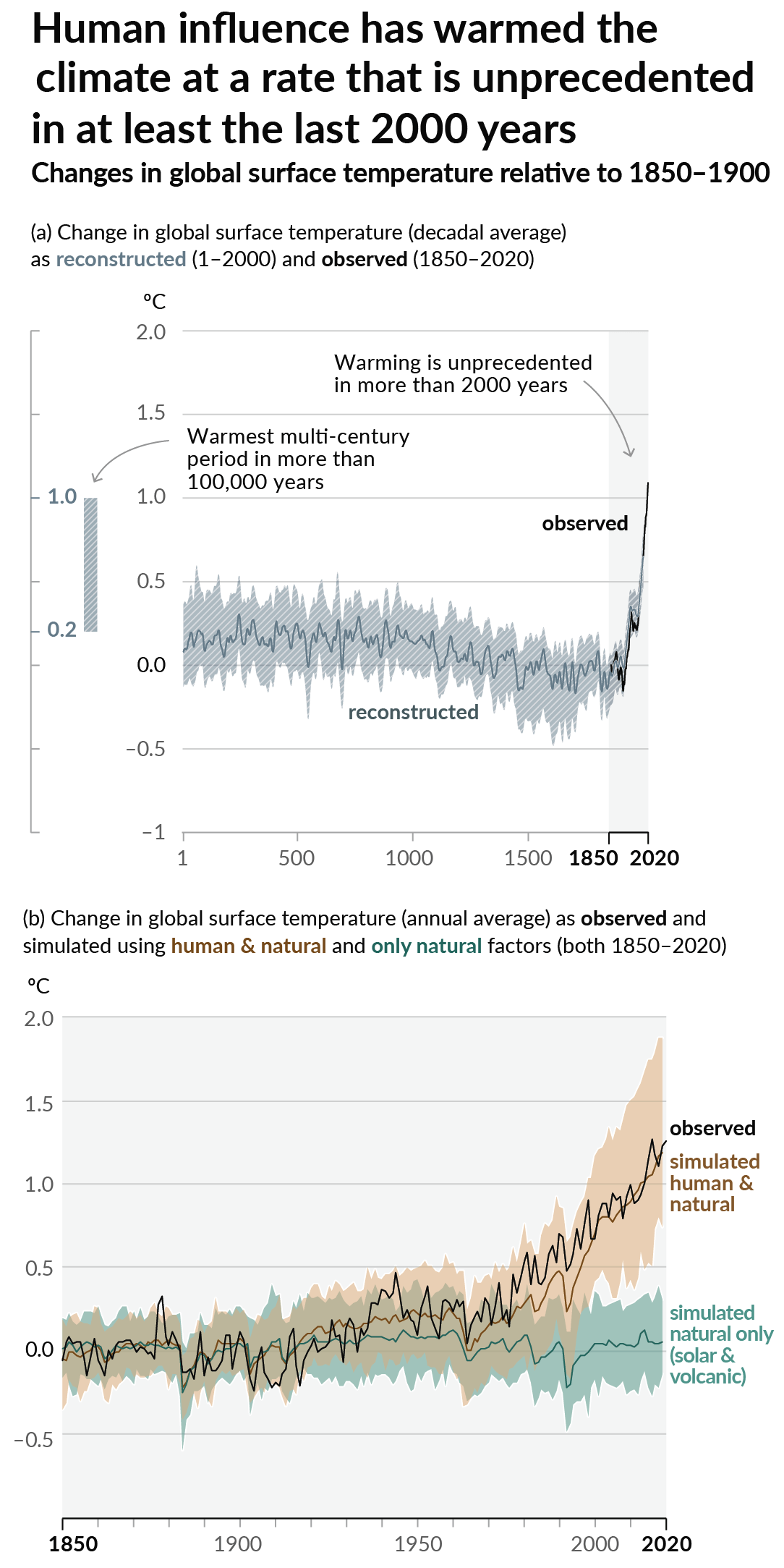
How much each change to the atmosphere has warmed the world:
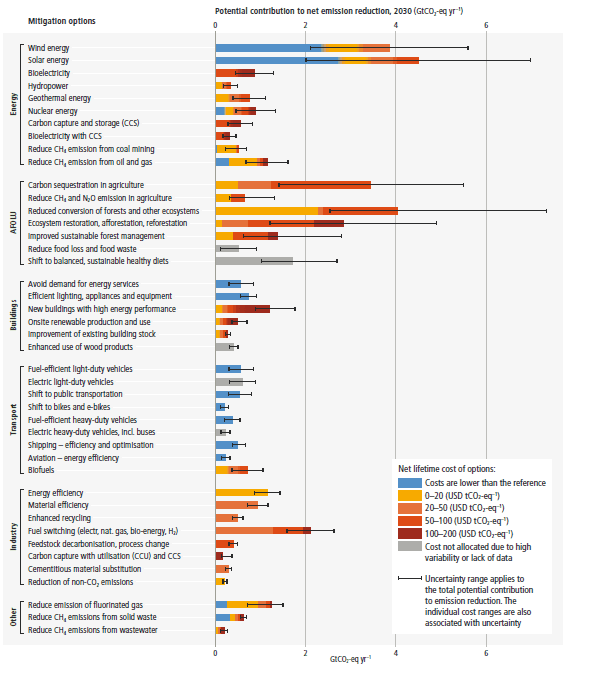
Recommended actions to cut greenhouse gas emissions in the near future:
Anti-science, inactivism, and unsupported conspiracy theories are not ok here.
founded 2 years ago
MODERATORS
you are viewing a single comment's thread
view the rest of the comments
view the rest of the comments
Landlords.
Communal structures have the benefit of efficiencies of scale but the difficulties of managing a shared social space. Consequently, they are attractive on paper but only really appealing when the financial benefits of dense urban living outweigh the perceived risks and costs.
I got to watch the Red, Green, and Purple lines installed in downtown Houston, in anticipation of an Olympics that never arrived. One of the secondary consequences of these lines was a massive private investment in the old housing stock south of downtown. Within a decade, enormous high rise condos and dense urban living spaces were either refitted, expanded, or fully constructed from scratch all along the transit corridors.
But the rent in these units was significantly higher than what could be found on the perimeter - from my experience it was $500-$1500 more expensive than the cheaper units out on Westheimer and Beltway 8, with some downtown luxury units going for $2500 to $4500/mo more.
Meanwhile, on the condo side, you're talking about 1200-2000 sqft units going for McMansion prices - $700k to $2.5M. Way outside the range of the average home buyer. Plus condo fees and taxes and higher utilities/groceries/etc. And good luck finding public education or childcare in the downtown districts.
If you were pulling a six-figure salary in a downtown office job, you could talk about living here. But I still know plenty of people commuting in all the way from Sugar Land or Katy or Spring, simply because a daily bus ticket or tollway pass was way cheaper than downtown rents. I also know more than a few junior professionals in their mid-20s who still live with their parents to save money.
So the ecological benefits are there. But the utility of these high rise units is heavily predicated on wages that match the sky high rents. The private sector demand for double-digit ROI makes all of these housing expansions of dubious benefit at scale. They might operate as a model for the future, but without public subsidies and rent caps, only the highest paid households are going to be able to participate.
Respectfully, I think you have the economics wrong.
Compare like for like. How much more expensive are the detached single family homes in those downtown areas? Or how much do high rise condos cost out in the suburbs or the periphery of the city? Or the in betweens, of 5+1 construction? Or townhouses/rowhouses with shared walls but not shared roofs?
The construction of multifamily is a cost-cutting measure to offset/mitigate high land prices, as a response to those high prices, and don't cause the underlying high prices in the first place.
The condo fees offset lower home insurance costs (individual unit owners aren't directly insuring roofs, walls, or foundations in a hurricane-prone city). And utilities are cheaper because of shared walls and greater ratio of volume to surface area.
Houston is a tough city to try to be car free in, but the lack of zoning makes it actually interesting to compare actual home types in similar neighborhoods.
The townhomes down the street from the Ensamble stop on the Houston Red Line are selling for less than the condos a few blocks away