this post was submitted on 01 May 2026
155 points (98.1% liked)
Climate
8606 readers
615 users here now
Discussion of climate, how it is changing, activism around that, the politics, and the energy systems change we need in order to stabilize things.
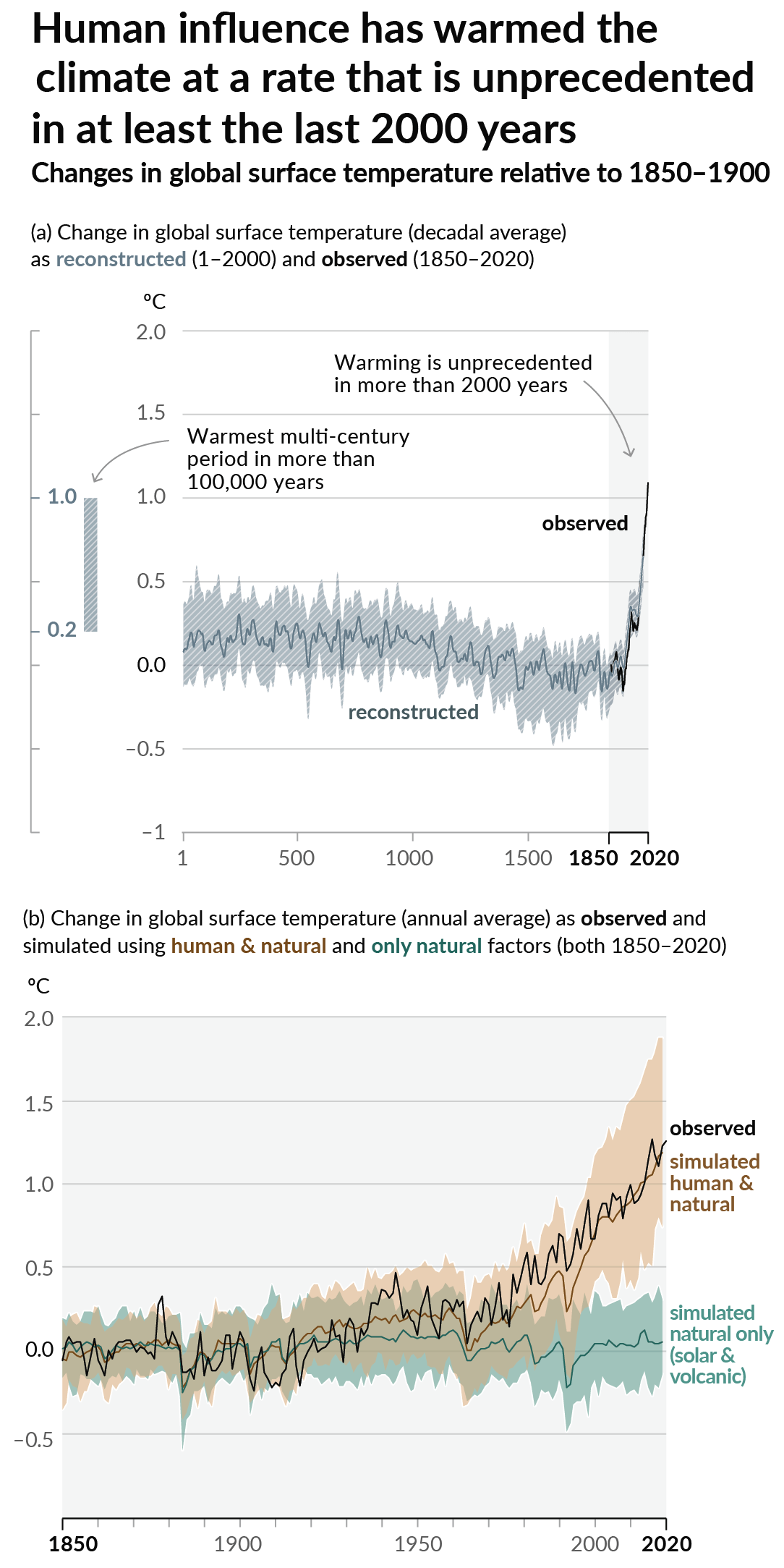
As a starting point, the burning of fossil fuels, and to a lesser extent deforestation and release of methane are responsible for the warming in recent decades:
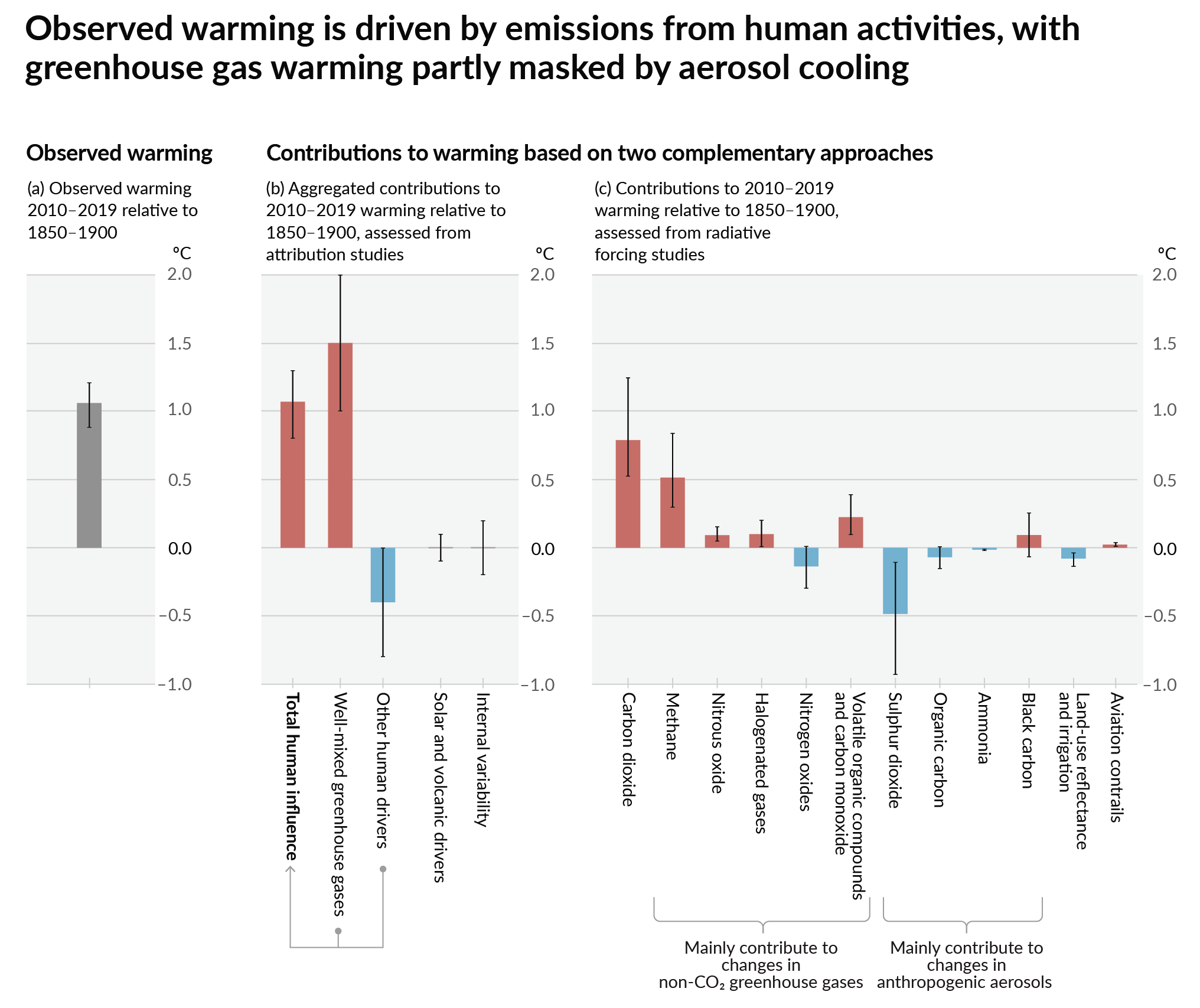
How much each change to the atmosphere has warmed the world:
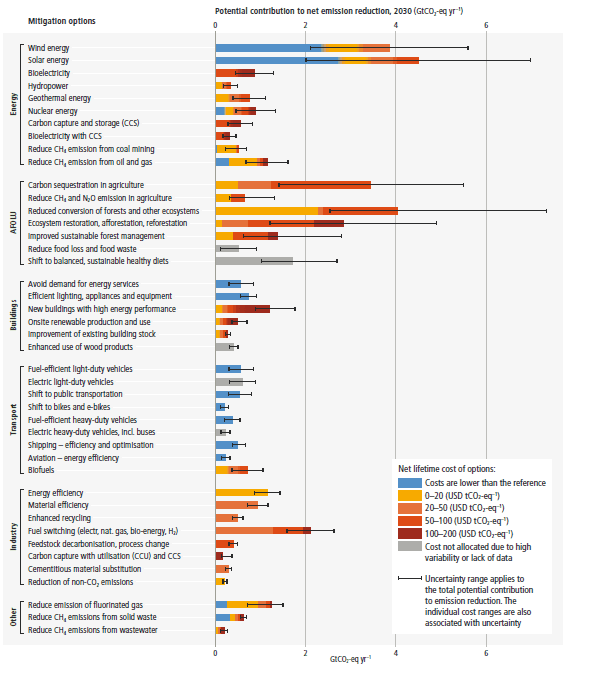
Recommended actions to cut greenhouse gas emissions in the near future:
Anti-science, inactivism, and unsupported conspiracy theories are not ok here.
founded 2 years ago
MODERATORS
you are viewing a single comment's thread
view the rest of the comments
view the rest of the comments
I searched for info and there seems to be a clear trend according to https://www.iea.org/countries/germany/energy-mix which fossil is going down, nuclear having gone to 0, total energy imports going down, renawables going up.
Do you say such a transformation can be done over night?
Looking at the USA in comparison I come to the conclusion that a lot of countries are on the right path.
Your electrical production went from >5 million TJ in 2000 to ~3 million TJ in 2024. You seem to be relying on everyone else producing at times with no wind and no sun. Like cold winter nights when everyone else needs their power too. 70-80 Euro cents per kWh was unheard of just 5 years ago. It's not even uncommon where I live now that you've removed what dependability your grid had.
https://www.iea.org/countries/germany/electricity shows a different picture regarding electrical production.
Where's your source?
Btw. you can stop addressing/blaming me; you have no idea where I reside.
My bad. I mixed up "energy" with "electricity", which is not the same thing. Was looking at the domestic energy production graph (second line graph on mobile at least) at https://www.iea.org/countries/germany/energy-mix .
Edit: Your source states that Germany is importing 81% more electricity "now" (2024) than in the year 2000. Still "just" 5.8% net import, but seems (to me) as if my point still stands even if the numbers were the wrong ones.