this post was submitted on 28 Apr 2026
167 points (100.0% liked)
Climate
8642 readers
479 users here now
Discussion of climate, how it is changing, activism around that, the politics, and the energy systems change we need in order to stabilize things.
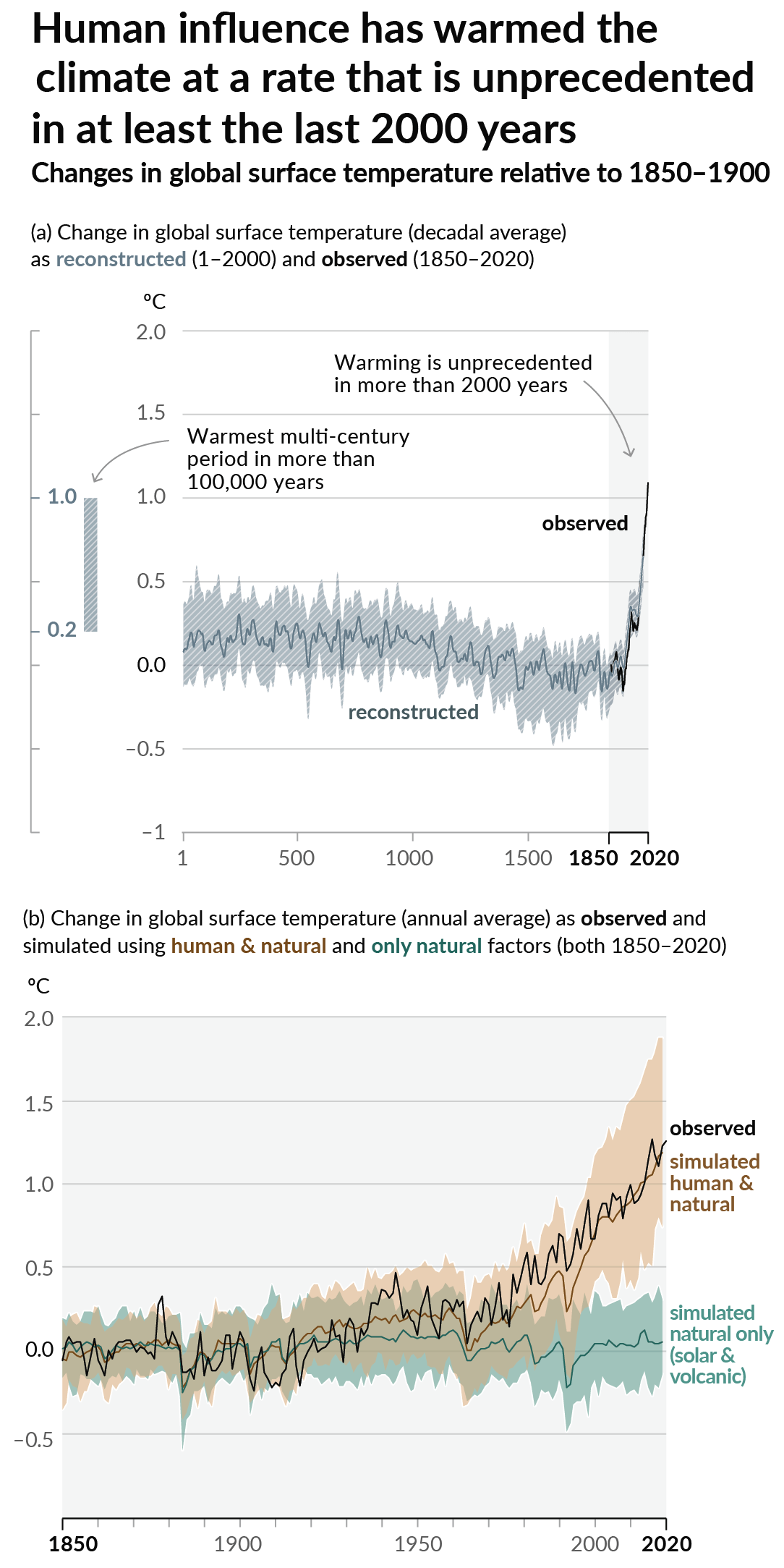
As a starting point, the burning of fossil fuels, and to a lesser extent deforestation and release of methane are responsible for the warming in recent decades:
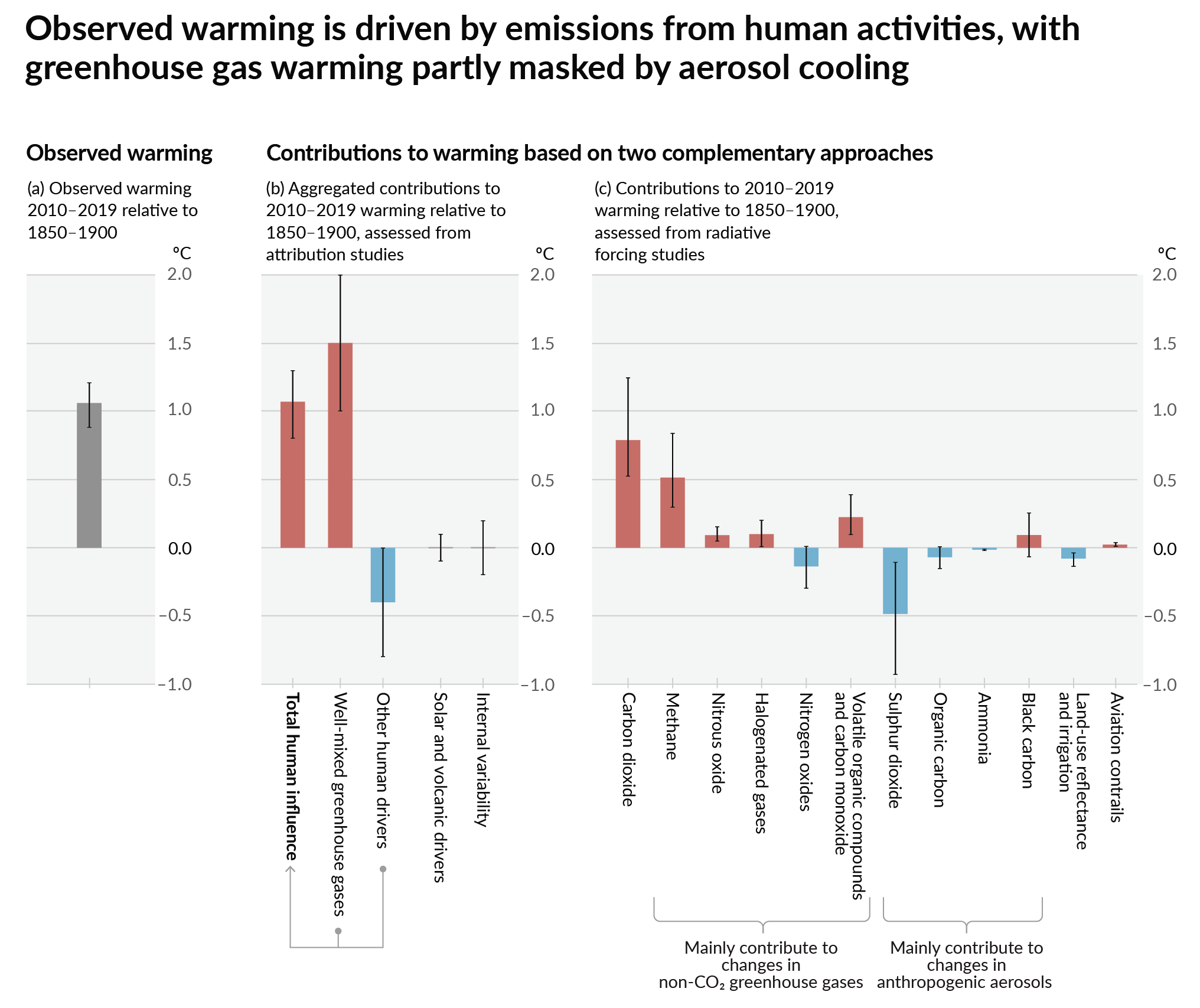
How much each change to the atmosphere has warmed the world:
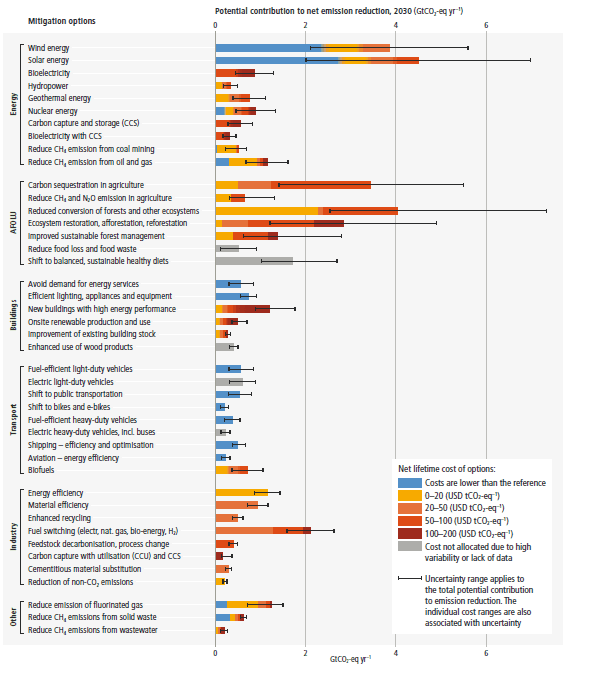
Recommended actions to cut greenhouse gas emissions in the near future:
Anti-science, inactivism, and unsupported conspiracy theories are not ok here.
founded 2 years ago
MODERATORS
you are viewing a single comment's thread
view the rest of the comments
view the rest of the comments
Wind is just solar with extra steps.
Technically so are fossil fuels.
…lots and lots of extra steps.
That's all just nuclear fission with even more steps.
Are there perhaps only two primary power sources: fission (in stars for now) and fusion (on Earth)?
Other way around. Stars produce energy through nuclear fusion, nuclear reactors produce energy through fission.
And if we want to be really precise about where energy comes from, it's worth noting that all elements heavier than hydrogen (i.e. all if them) are the result of stellar fusion. Up to iron in the main phase, and anything heavier in supernovae, neutron star mergers, and possibly other extremely violent events. So fission is extracting the stored energy of dead stars.
Ultimately, it's probably all just residual energy from the Big Bang.
Right, sorry, slip of the ginger.
Potential energy and tidal are gravitational.
Tidal is really feeding off the momentum of the planet, but yeah, that's not nuclear.
Potential energy... that's more a storage medium.
Perhaps we need to add the original energy of the big bang to nuclear. That threw things apart so they could have potential energy, and it gave a lot of matter a lot of momentum which gets topped up occasionally by a nuclear exploding star.
All energy is solar with extra steps really
I was about to point out nuclear, but I suppose in a way that's just going straight to the source.
All energy is nuclear with extra steps.
Written like someone who lives in a sunny place... 😉