this post was submitted on 04 Apr 2026
203 points (100.0% liked)
Climate
8512 readers
377 users here now
Discussion of climate, how it is changing, activism around that, the politics, and the energy systems change we need in order to stabilize things.
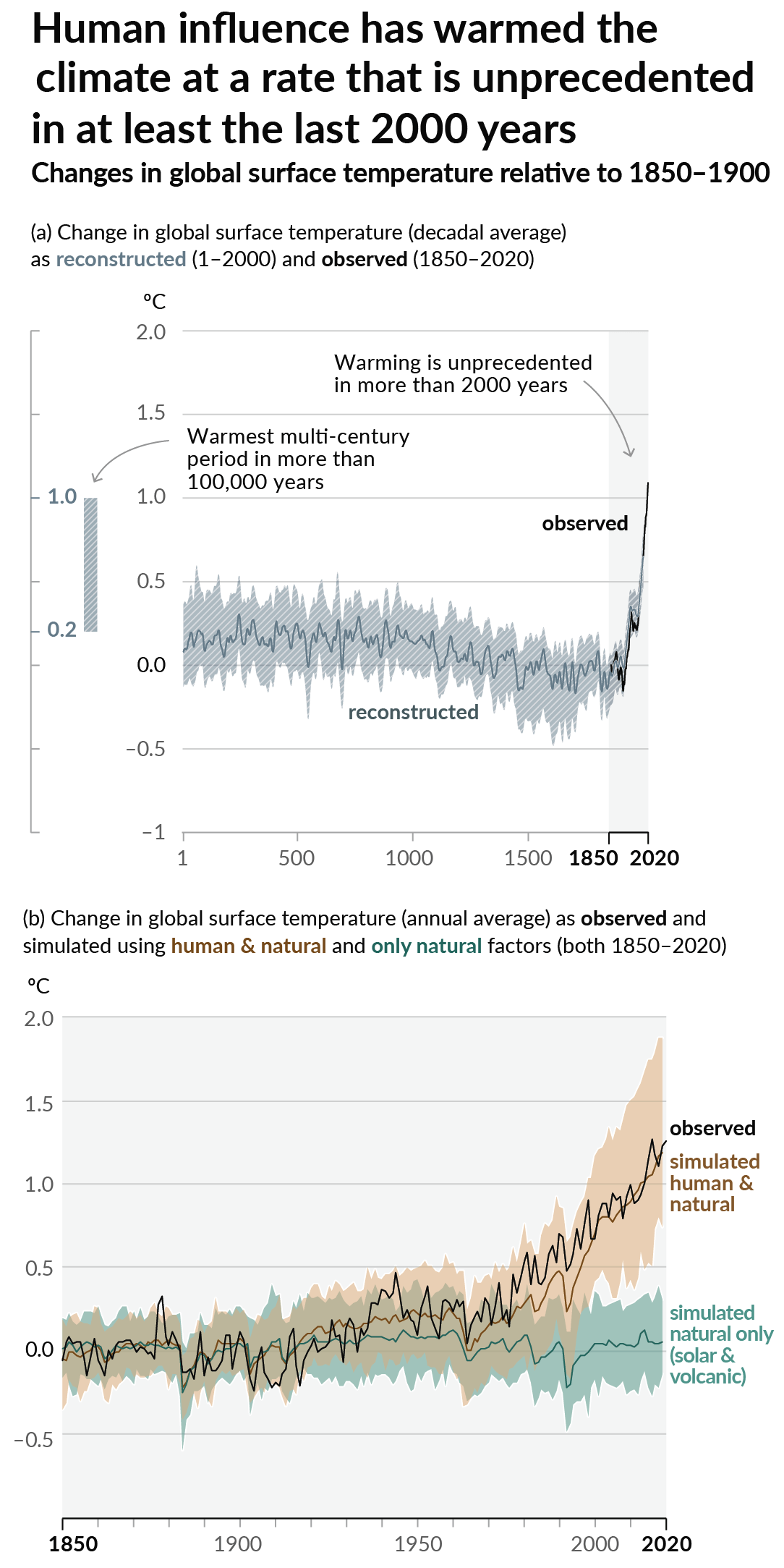
As a starting point, the burning of fossil fuels, and to a lesser extent deforestation and release of methane are responsible for the warming in recent decades:
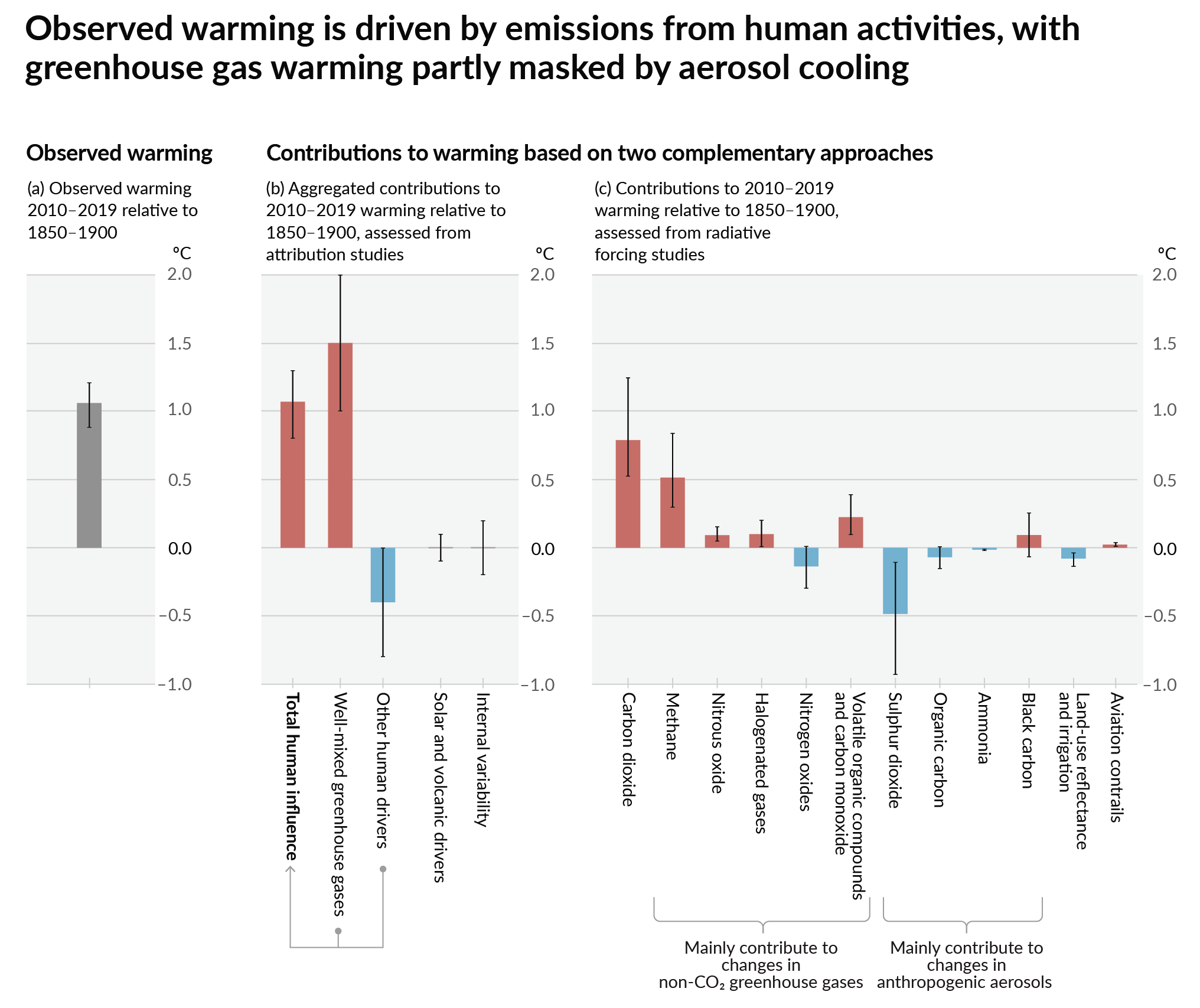
How much each change to the atmosphere has warmed the world:
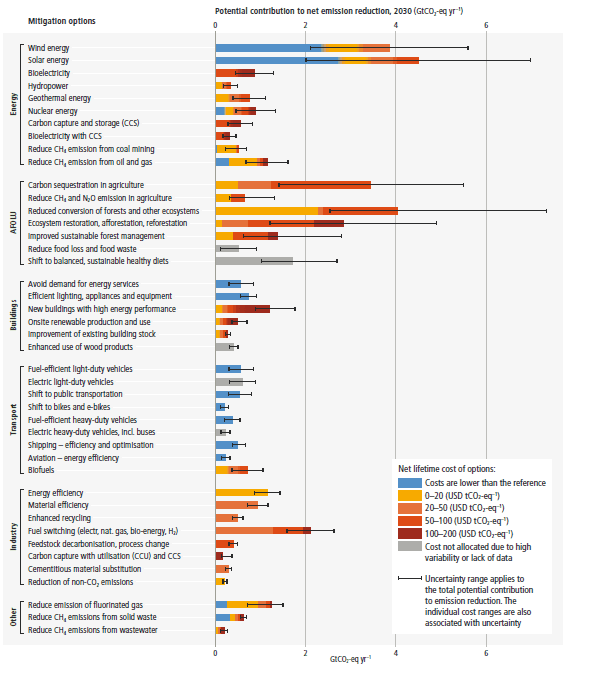
Recommended actions to cut greenhouse gas emissions in the near future:
Anti-science, inactivism, and unsupported conspiracy theories are not ok here.
founded 2 years ago
MODERATORS
you are viewing a single comment's thread
view the rest of the comments
view the rest of the comments
Fossil fuel industry will start wars and kill people to keep this from progressing. Don't let your guard down.
The wars are only making it worse for them
Long term yes, since it encourages a switch from fossil fuels. Short term, it's probably good for them. If you sell oil and take % cut. The cost doubles, your profit doubles! It also opens up more drilling that wasn't worth the expense before.
In theory yes. But while fracking is a more short-term activity, developing an oil field, let alone sub-sea oil fields is a very capital-intensive and time-consuming endeavour. It is possible that, due to the rapid transition to renewables, the time horizon that is left for earning with such developments, is not large enough to take the risk. Especially since the oil fields in the gulf states, which were already profitable, will be re-opened within a few years.
One can dream, but I'm pessimistic and see enough demand for a long while. Can't even fully stop using coal yet.
Industrial developments typically have life times of twenty years. This is far longer than the time scale of the transition we can expect.
Also, the transition will be messy, not nice and tidy. In Germany, renewables have replaced nuclear first, only now they are replacing coal. The order might be different in the US, but then again things will become chaotic if due to cutting red tape a nuclear disaster happens in the US.
Things in the US will also be accelerated by the need to provide more power for AC in heat waves. That can go from an seemingly academic discussion to a question that is realized to be life-or-death quickly.
In Africa, solar panels are replacing firewood.
In Asia, countries are returning now to using coal as an emergency measure - but people know that this is only a temporary emergency solution.
South Asia also urgently needs power for AC, even more than the US.
China still builds coal plants, but they are designed as a fall-back to wind and solar, not as the backbone of supply. Which makes sense for them, because China has more coal than oil.