this post was submitted on 23 Mar 2026
35 points (100.0% liked)
Climate
8465 readers
276 users here now
Discussion of climate, how it is changing, activism around that, the politics, and the energy systems change we need in order to stabilize things.
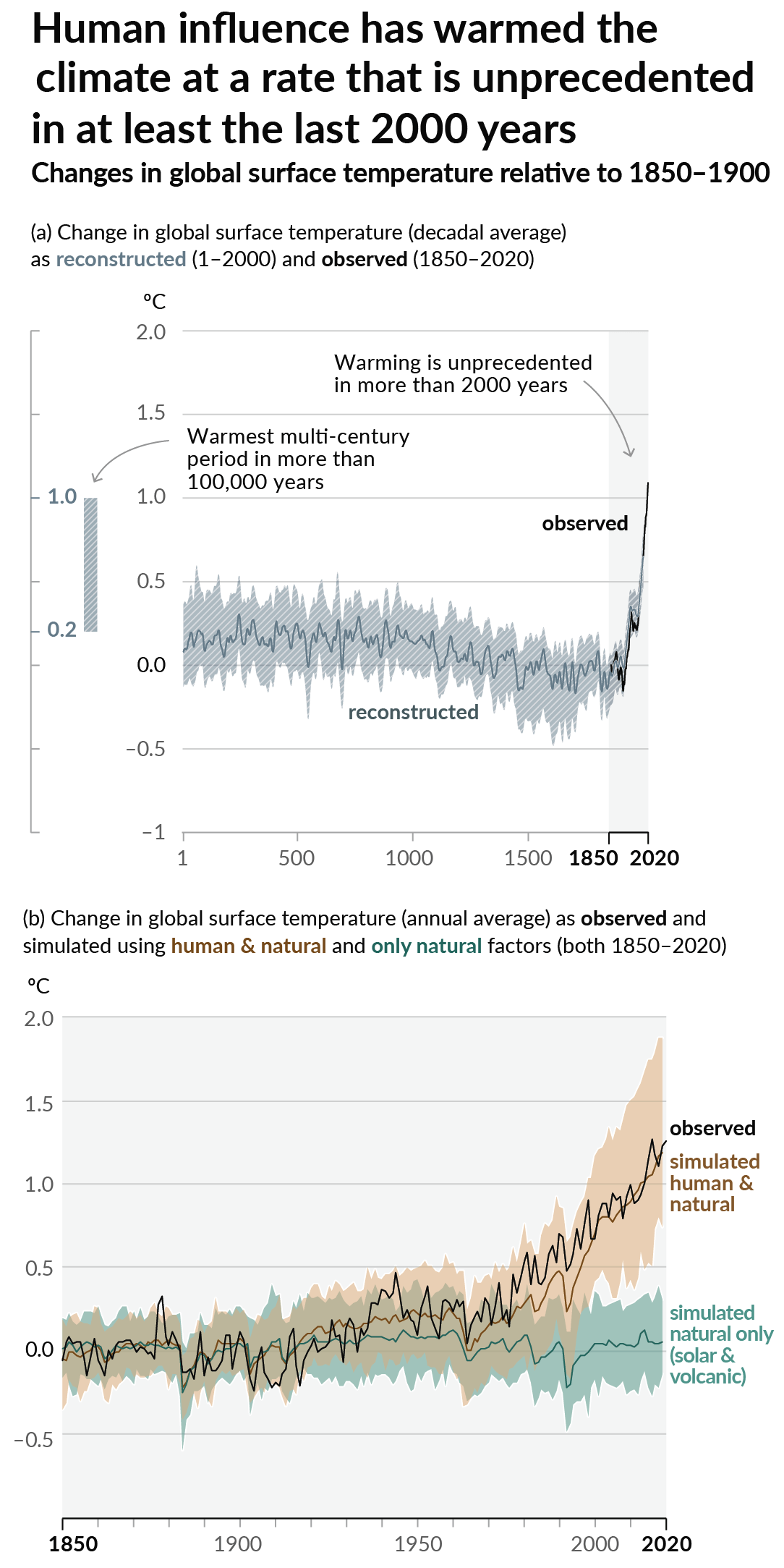
As a starting point, the burning of fossil fuels, and to a lesser extent deforestation and release of methane are responsible for the warming in recent decades:
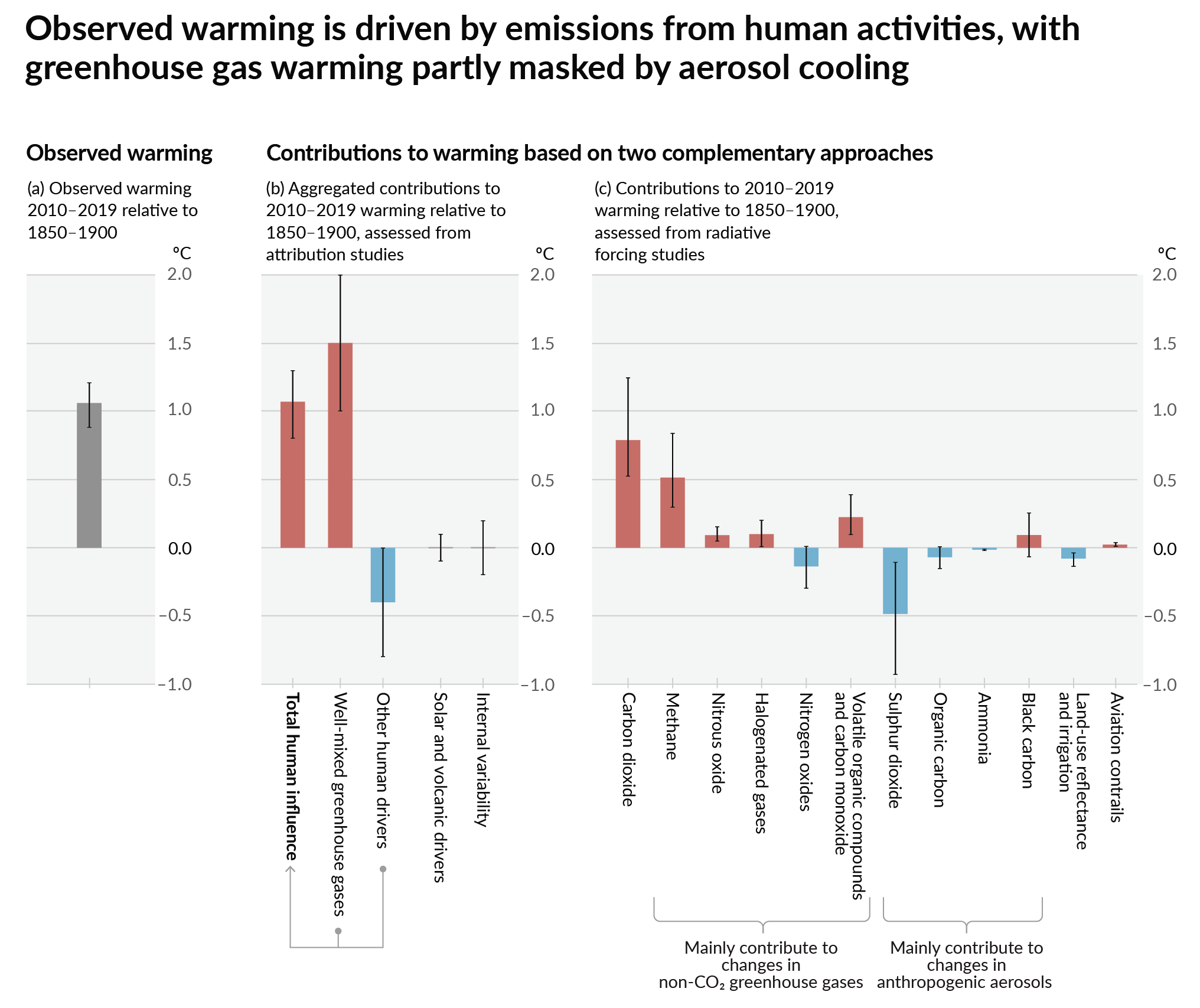
How much each change to the atmosphere has warmed the world:
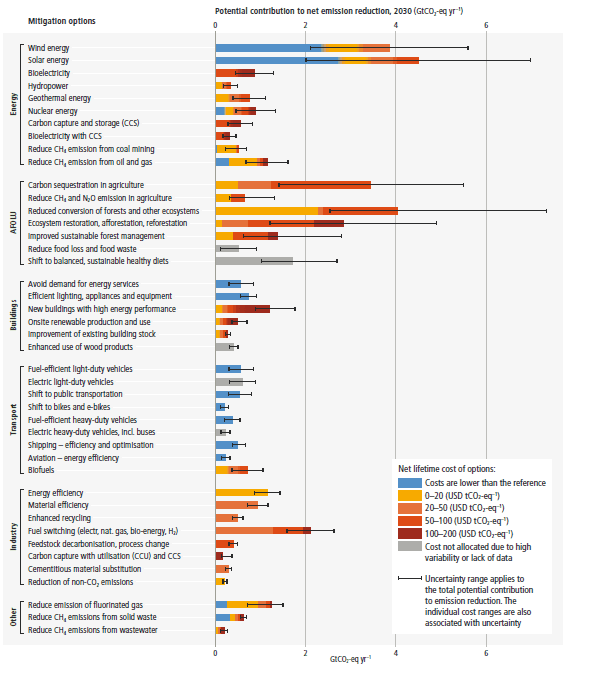
Recommended actions to cut greenhouse gas emissions in the near future:
Anti-science, inactivism, and unsupported conspiracy theories are not ok here.
founded 2 years ago
MODERATORS
you are viewing a single comment's thread
view the rest of the comments
view the rest of the comments
Crazy to read this as the US shuts down the Straight of Hormuz and decimates the O&G infrastructure of the Gulf States in a matter of weeks.
I do have to wonder how much of this is the result of geological good fortune and how much is merely the fruits of geological discovery. Is there an unusual load of easily extraditable minerals in Chinese sovereign territory, or is China the only country doing exploration and mining at scale?
Again, so much of this seems to be predicated on the notion that China has some kind of intrinsic advantage, when it seems as though they're out ahead merely because they're the only country with a public policy focused on a green domestic industrial output.
Where European countries do embrace alternative energy strategies (France's nuclear program, UK wind farms, Spanish HSR) they seem more than capable of matching Chinese productivity. But as these efforts are confined to specific regions and decoupled from a continent-wide long-term economic strategy, the real "Climate Leviathan" does not appear to be China specifically but any continent-spanning economic policy generally speaking.
That would appear to be the real threat posed by the US, Saudi Arabia, and Russia. The fossil fuel industry nations are fundamentally aligned on their economic goals in a way that rivals the Chinese superstate. What the article describes as "command-and-control domination" is merely coordination and cooperation between public policymakers and private stakeholders.
That's simply not true. Not in the way the Saudis can maintain a chokehold on cheap light sweet crude, anyway. "Rare" earths aren't that rare. Technology is highly fungible. The geography isn't what's at play with green energy. And the marginal yield on cutting edge imported green technology doesn't justify refusing to manufacture lower-end domestic infrastructure.
Nothing China produces is beyond the reach of the European (or African or South American) economies, should they be willing to invest capital and labor in their development.
But Europe has positioned itself as a consumer finance economy first and foremost. Until they change course on that front, they're necessarily going to be locked into a choice of Chinese Coke or US/Saudi/Russian Pepsi.