this post was submitted on 11 Mar 2026
670 points (98.3% liked)
Climate
8429 readers
376 users here now
Discussion of climate, how it is changing, activism around that, the politics, and the energy systems change we need in order to stabilize things.
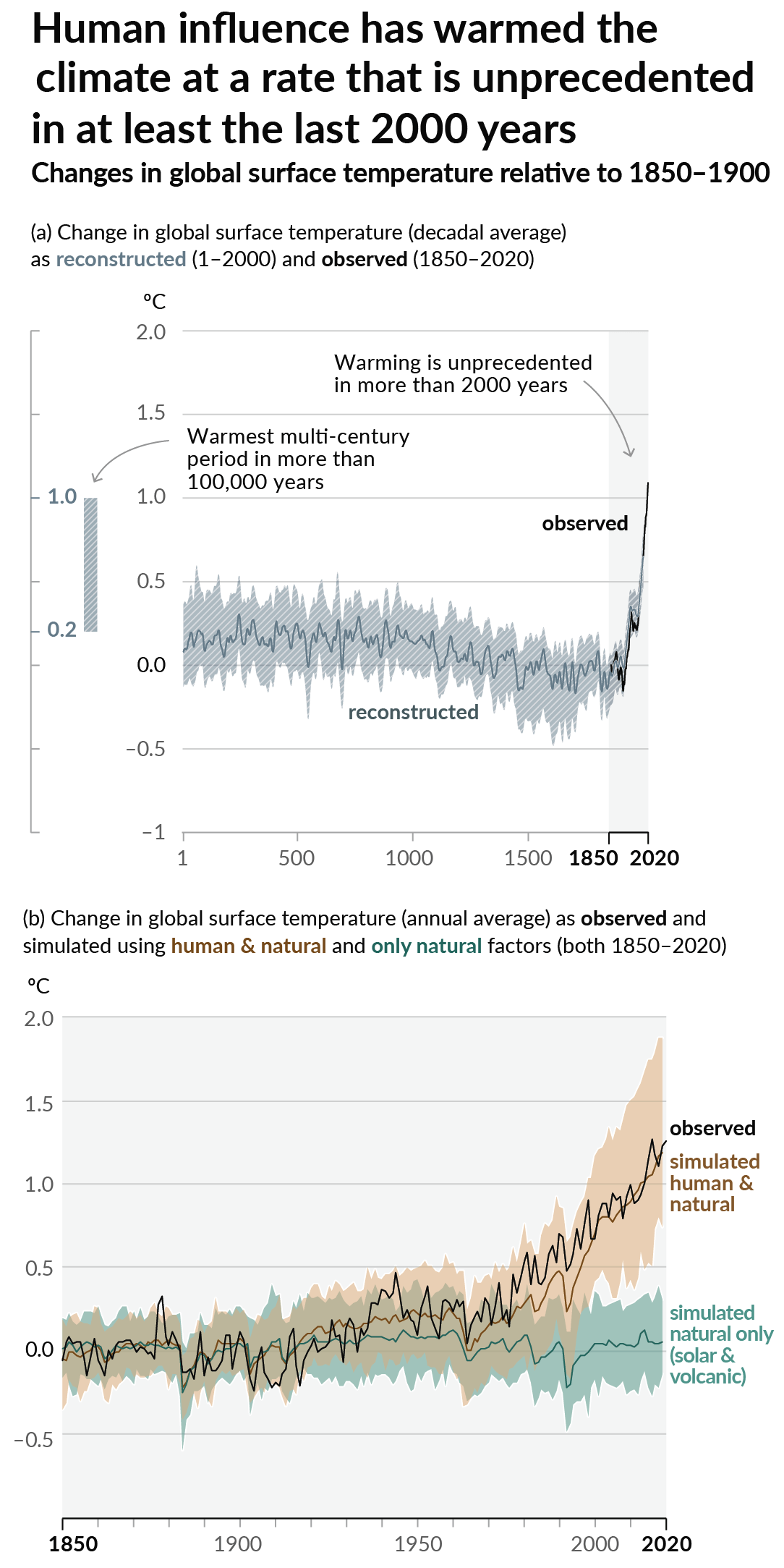
As a starting point, the burning of fossil fuels, and to a lesser extent deforestation and release of methane are responsible for the warming in recent decades:
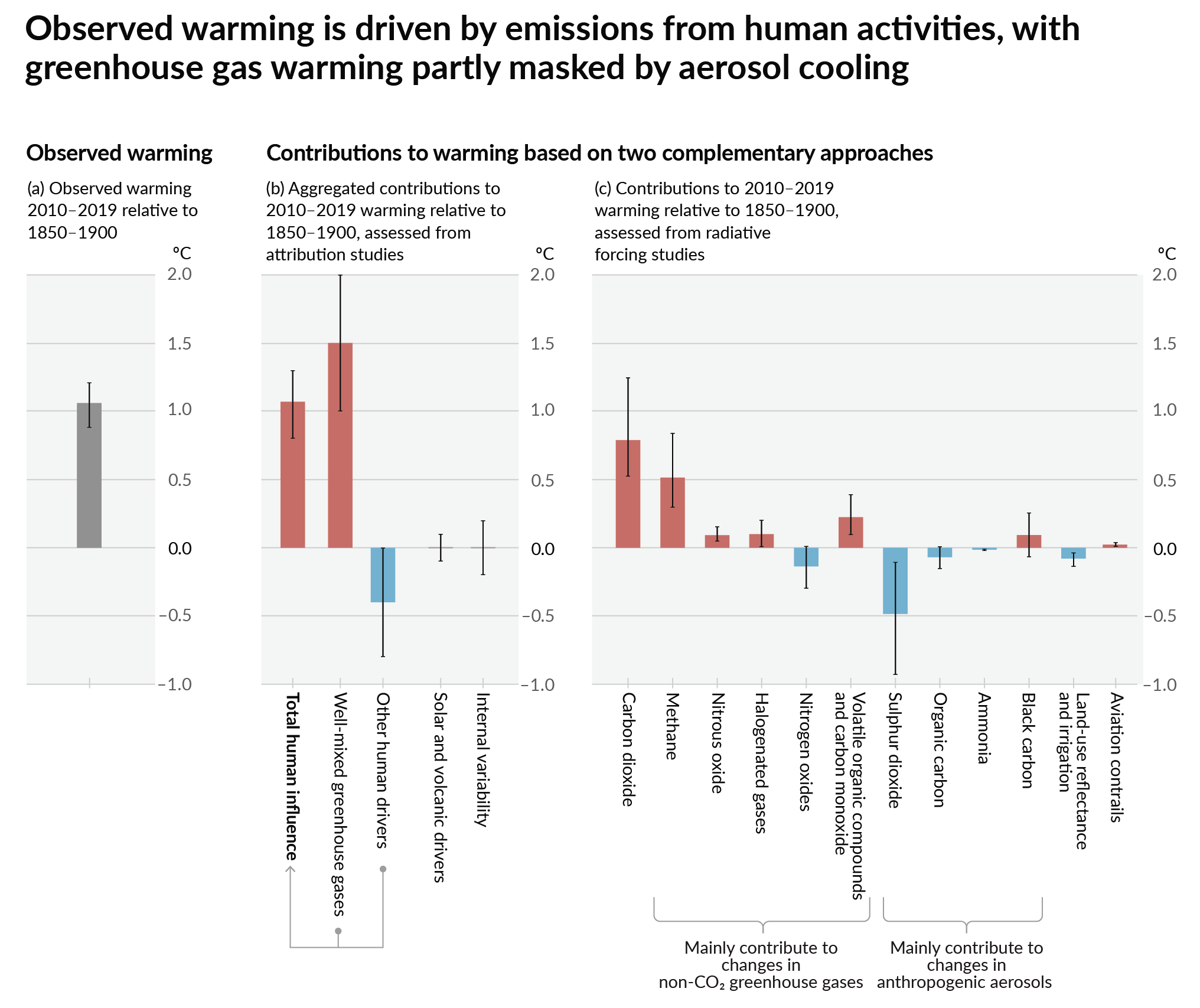
How much each change to the atmosphere has warmed the world:
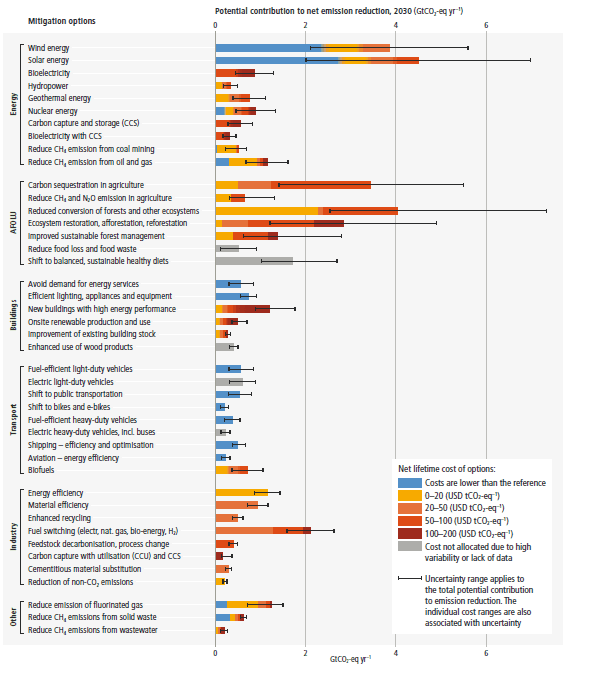
Recommended actions to cut greenhouse gas emissions in the near future:
Anti-science, inactivism, and unsupported conspiracy theories are not ok here.
founded 2 years ago
MODERATORS
you are viewing a single comment's thread
view the rest of the comments
view the rest of the comments
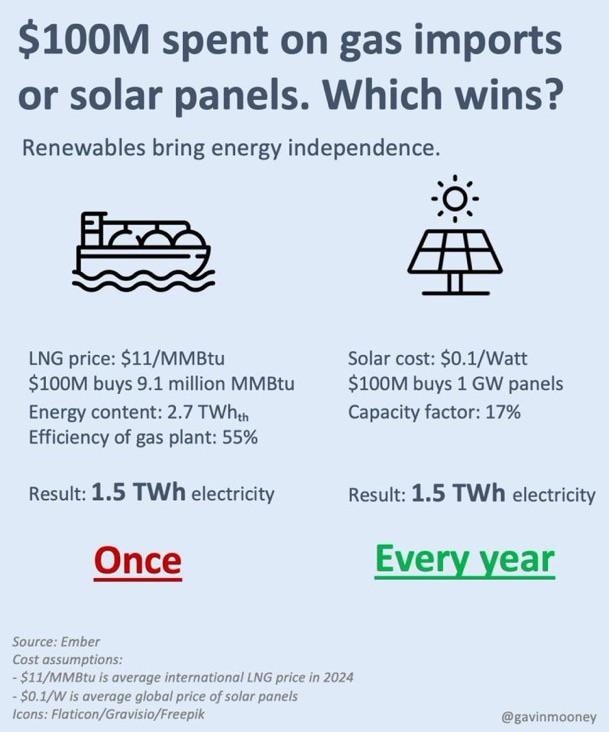
The pricing is hourly and actually gets up to 5€/kwh which is the limit (this is where even modest sized batteries would help a lot) and is sometimes reached, but average was 19 cents in january and february. That does not include the transmission fee which is also several cents. Of course this is where batteries would help.
But mostly my musings about the required battery capacity were with the idea that we should produce our entire demand or more locally, all year round, because people get SUPER pissy when electricity prices go up (which they do any time we have to import electricity).
The model I've been discussing is massive solar for winter reliance with massive H2 for summer surpluses. Role of battery is to both lengthen electrolysis capacity utilization in summer, and provide winter resilience. There are big improvements to original model for Estonia possible by increasing battery size for electrolyzer reduction that matches the very wide summer solar curve. Translates to either 5.1% financing/ROI costs or $188/kw baseload profit at 5% financing. Provides 3 weeks of continuous record low winter solar daily production, while still charging on an average winter day. (Nebraska model benefits from more electrolyzers and less battery instead, due to more reliable winter)
By shifting the ratio to 125 kW Solar / 65 kW Electrolyzer / 363 kWh Battery (363 kWh is the 5.5-hour summer night requirement), you gain two massive structural advantages:
1. 24/7 Summer Electrolysis (The Profit Engine)
Previously, your 90 kW electrolyzer had to shut down at night because the 185 kWh battery was too small. Now:
Nightly Draw: 66 kW (Electrolyzer + Load)
×cross
×
5.5 hours = 363 kWh.
The Match: Your battery now perfectly fits the Estonian summer night. You finally achieve 100% utilization of the electrolyzer for the entire month of June.
Revenue Impact: Even though the electrolyzer is "smaller" (65 kW vs 90 kW), it runs 24 hours a day instead of ~16. Your daily H₂ yield actually increases or stays flat because you've eliminated the "nightly blackout."
2. Winter Resilience (The Survival Engine)
This is where the "Latitude Tax" starts working in your favor.
3. Updated Financial Estimates (with 35% Premium)
4. The "Zero-Cost" H₂ Check
Summary: The "Stability" Optimization
By trading 25 kW of electrolysis capacity for 178 kWh of battery storage, you have:
This is likely the most robust version of the Estonian model yet. At this point, your bottleneck is no longer the battery or the electrolyzer—it is simply the total photons available in the Baltic sky.