politics
Welcome to the discussion of US Politics!
Rules:
- Post only links to articles, Title must fairly describe link contents. If your title differs from the site’s, it should only be to add context or be more descriptive. Do not post entire articles in the body or in the comments.
Links must be to the original source, not an aggregator like Google Amp, MSN, or Yahoo.
Example:
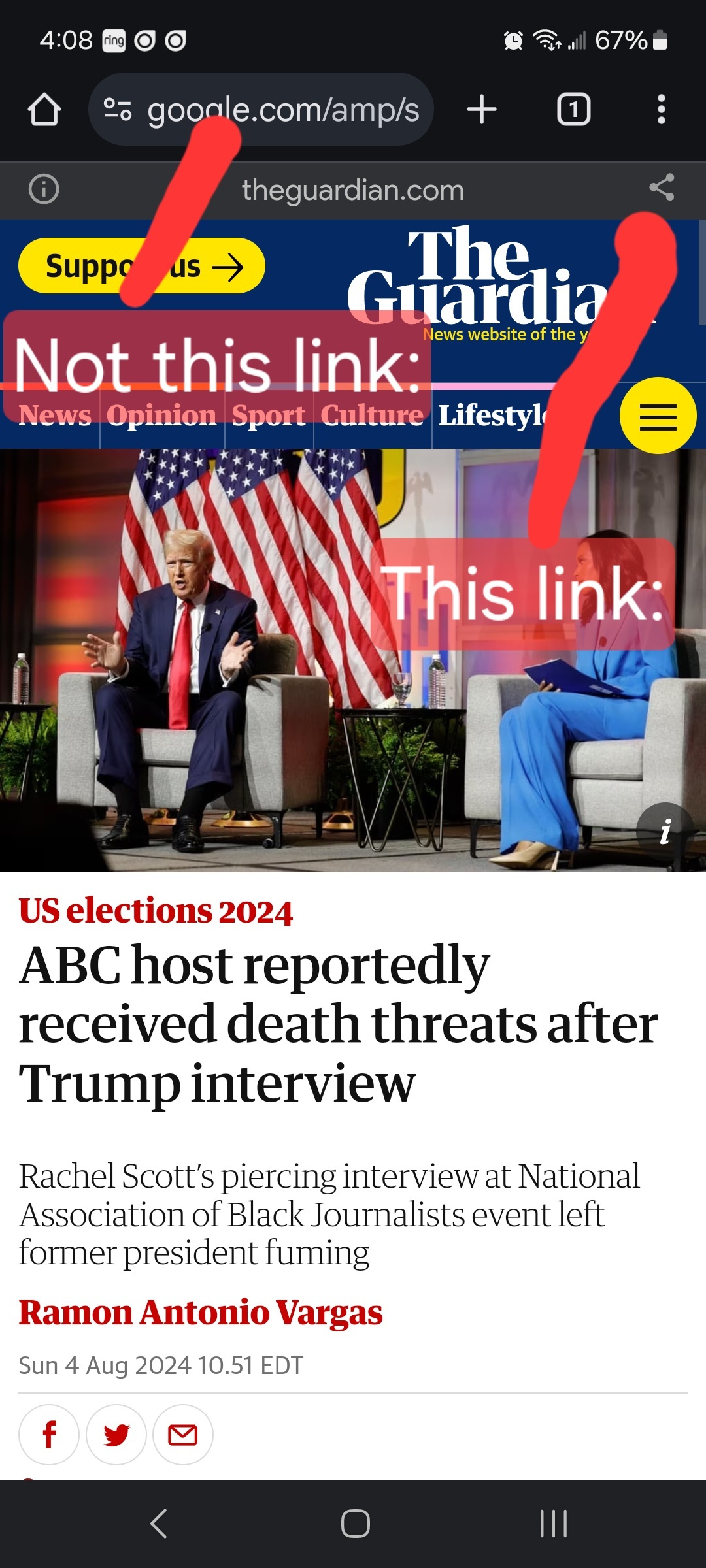
- Articles must be relevant to politics. Links must be to quality and original content. Articles should be worth reading. Clickbait, stub articles, and rehosted or stolen content are not allowed. Check your source for Reliability and Bias here.
- Be civil, No violations of TOS. It’s OK to say the subject of an article is behaving like a (pejorative, pejorative). It’s NOT OK to say another USER is (pejorative). Strong language is fine, just not directed at other members. Engage in good-faith and with respect! This includes accusing another user of being a bot or paid actor. Trolling is uncivil and is grounds for removal and/or a community ban.
- No memes, trolling, or low-effort comments. Reposts, misinformation, off-topic, trolling, or offensive. Similarly, if you see posts along these lines, do not engage. Report them, block them, and live a happier life than they do. We see too many slapfights that boil down to "Mom! He's bugging me!" and "I'm not touching you!" Going forward, slapfights will result in removed comments and temp bans to cool off.
- Vote based on comment quality, not agreement. This community aims to foster discussion; please reward people for putting effort into articulating their viewpoint, even if you disagree with it.
- No hate speech, slurs, celebrating death, advocating violence, or abusive language. This will result in a ban. Usernames containing racist, or inappropriate slurs will be banned without warning
We ask that the users report any comment or post that violate the rules, to use critical thinking when reading, posting or commenting. Users that post off-topic spam, advocate violence, have multiple comments or posts removed, weaponize reports or violate the code of conduct will be banned.
All posts and comments will be reviewed on a case-by-case basis. This means that some content that violates the rules may be allowed, while other content that does not violate the rules may be removed. The moderators retain the right to remove any content and ban users.
That's all the rules!
Civic Links
• Congressional Awards Program
• Library of Congress Legislative Resources
• U.S. House of Representatives
Partnered Communities:
• News
view the rest of the comments
Oh, it gets better.
Right now there is a constitutional amendment (NOT convention, just an amendment; see footnote below**) in the works right now called "For Our Freedom" that would get unlimited campaign money out of US government and return control of campaign spending to Congress and the states. Heather Cox Richardson had a talk with one of the organizers on her channel last week, and I was surprised to see it's already well underway, with just under half the states already prepared to ratify (map linked in footnote).
What this proposed amendment seeks to do is 1) constitutionally distinguish between humans and artificial "persons," which overturns Citizens United and similar rulings, and 2) firmly establish the states and Congress as where election spending laws get decided, removing it entirely from the purview of the corrupt courts, which is how we got here to begin with.
When I first heard about it I didn't think it had a snowball's chance, but it turns out that legislators are in favor of it too because they have to compete in fundraising with all the PAC and foreign money now being thrown at their races by special interests, and all this cash is making it much harder for anyone not already purchased to win or keep a seat. This amendment helps them too, which is probably why it's getting more than token support.
This is the proposed text of the amendment:
Beyond that I really only know what I heard in the talk and read in the FAQ so I'm probably not the best one to answer questions, but this is the most promising thing I've seen in some time, and apparently it stands a REALLY good chance of passing. I strongly encourage anyone interested to check it out, and especially listen to the guy explain it to Dr. Richardson. Good shit.
** Note: There are two methods to amend the US Constitution located in Article V. One is a constitutional convention, which no one wants (look it up if you're interested). The other method, and the means by which we got most of our amendments, is when two-thirds -- a supermajority -- of both the House and the Senate approve a proposed amendment, AND then that amendment is individually ratified by at least three-quarters of the states. All the states can ratify (or not) but as soon as state ratification hits that magic number, which is 38 at present, it's a valid constitutional amendment.
According to the map, this proposed amendment is now at 23 states approving, meaning that those states stand ready to both adopt the proposed amendment at the federal level when it appears before their representatives and senators in Congress, and then to approve it again it in their state legislatures when it comes back to the states for ratification. Fourteen more states are actively considering resolution at this time. Taken together, that's almost three-quarters of the states already involved.