this post was submitted on 15 Nov 2025
89 points (98.9% liked)
Climate
8489 readers
268 users here now
Discussion of climate, how it is changing, activism around that, the politics, and the energy systems change we need in order to stabilize things.
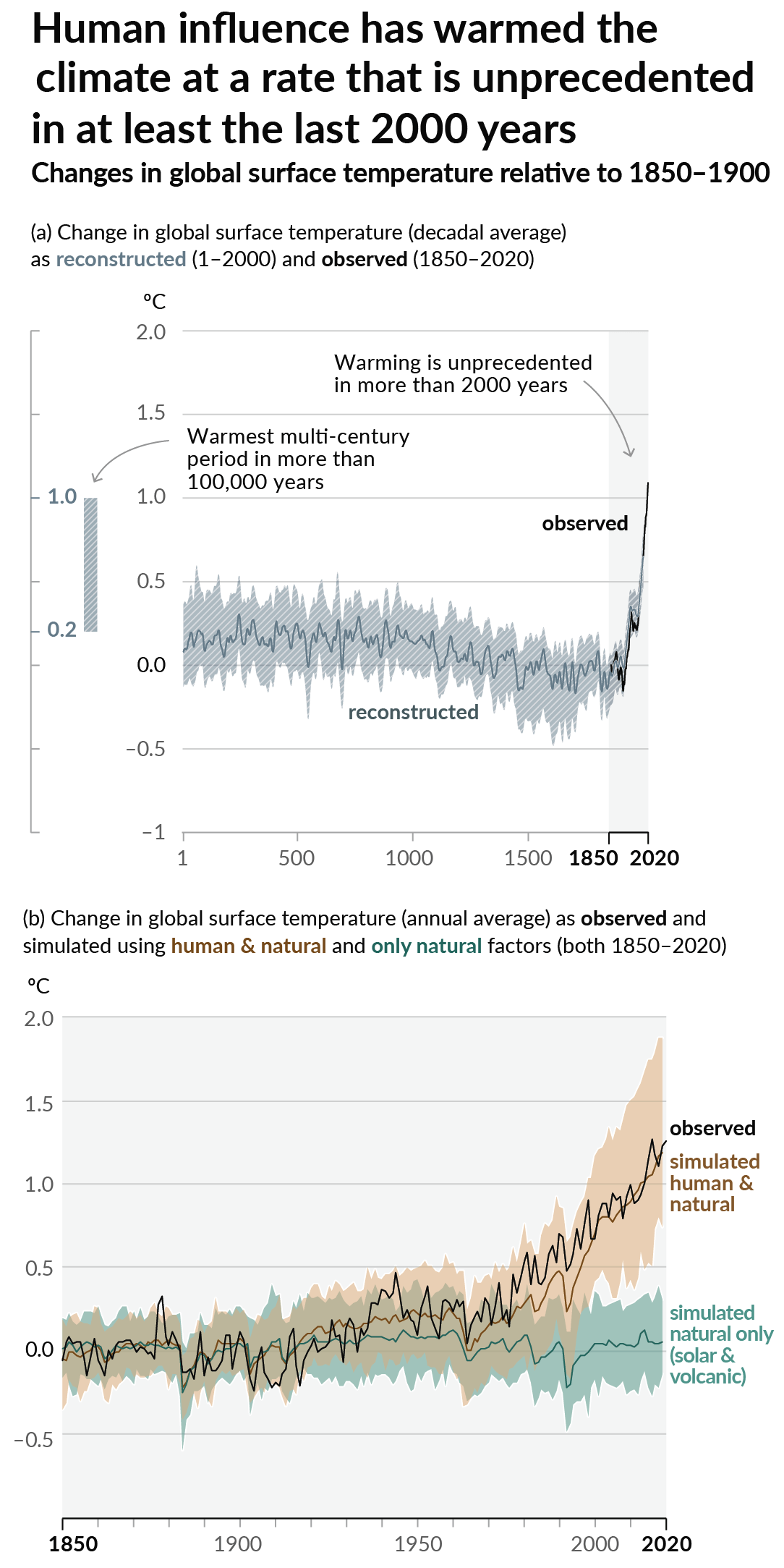
As a starting point, the burning of fossil fuels, and to a lesser extent deforestation and release of methane are responsible for the warming in recent decades:
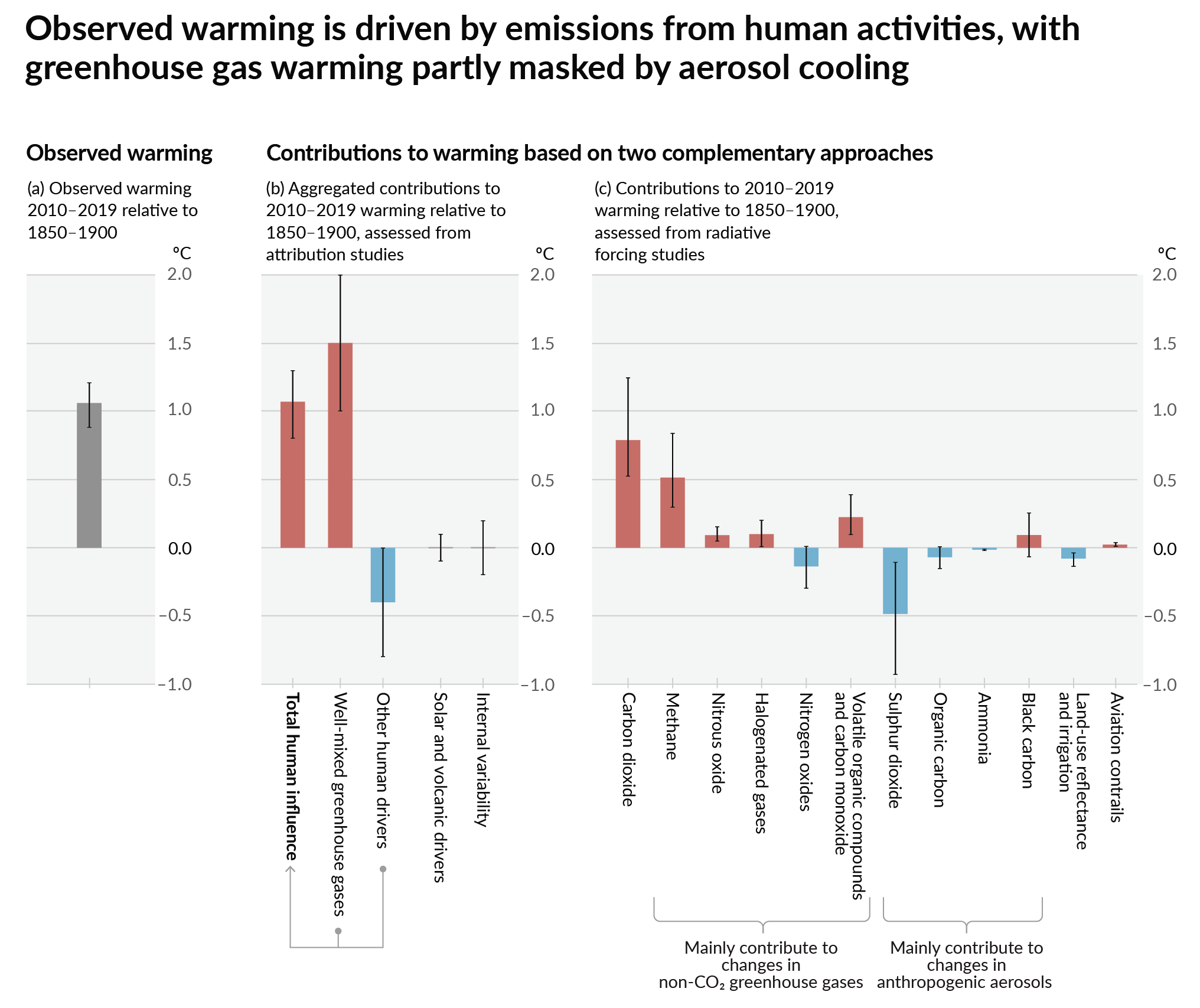
How much each change to the atmosphere has warmed the world:
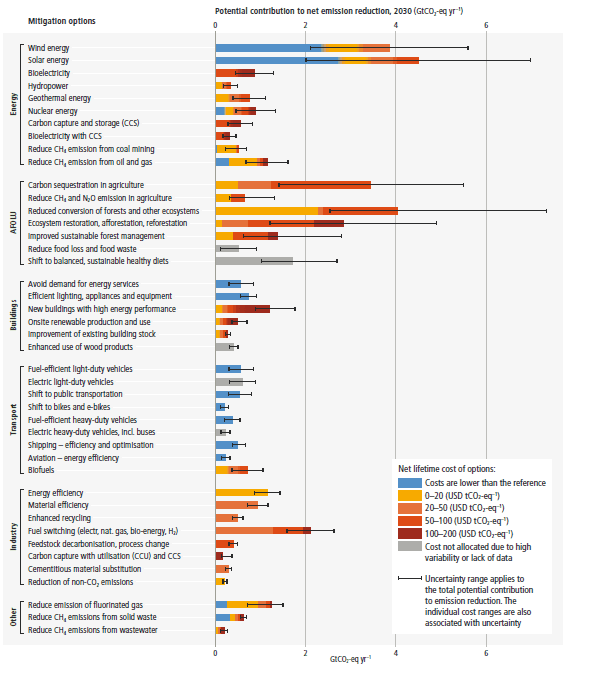
Recommended actions to cut greenhouse gas emissions in the near future:
Anti-science, inactivism, and unsupported conspiracy theories are not ok here.
founded 2 years ago
MODERATORS
you are viewing a single comment's thread
view the rest of the comments
view the rest of the comments
That's not correct, there exists formidable research on tipping points. For example, the world-renowned German climate scientist Hans-Joachim Schellnhuber did a lot of research on it and presented the state of our knowledge in a series of youtube videos. In fact, there are multiple tipping points which affect subsystems of the Earth system. The most fragile system are probably the coral reefs, and their tipping point is in fact estimated at 1.5 ° C warming. David Attenborough's last documentary "ocean" shows that we are still only beginning to understand their true importance to life in the ocean.
This does not mean that we can predict the future exactly. What will happen is essentially a chaotic process where many things trigger and influence each other. I like to make a picture like this: If you spread 20 liters of gasoline in the living room of your house, wait a minute, and then throw a match into it, a firefighter brigade captain will be able to tell you quite exactly what happens in general. What he will not be able to tell, and also not willing, is to predict at which point the sausages which you kept on your balcony are roasted thoroughly. Because in the cold light of day, this is an idiotic question.
So which is it? We don't know the future but there are tipping points. But what is the tipping point that causes the reefs to die? The ice to melt. I don't see those as tipping points but as the result of having crossed a tipping point.