politics
Welcome to the discussion of US Politics!
Rules:
- Post only links to articles. Title must fairly describe link contents. If your title differs from the site’s, it should only be to add context or be more descriptive. Do not post entire articles in the body or in the comments.
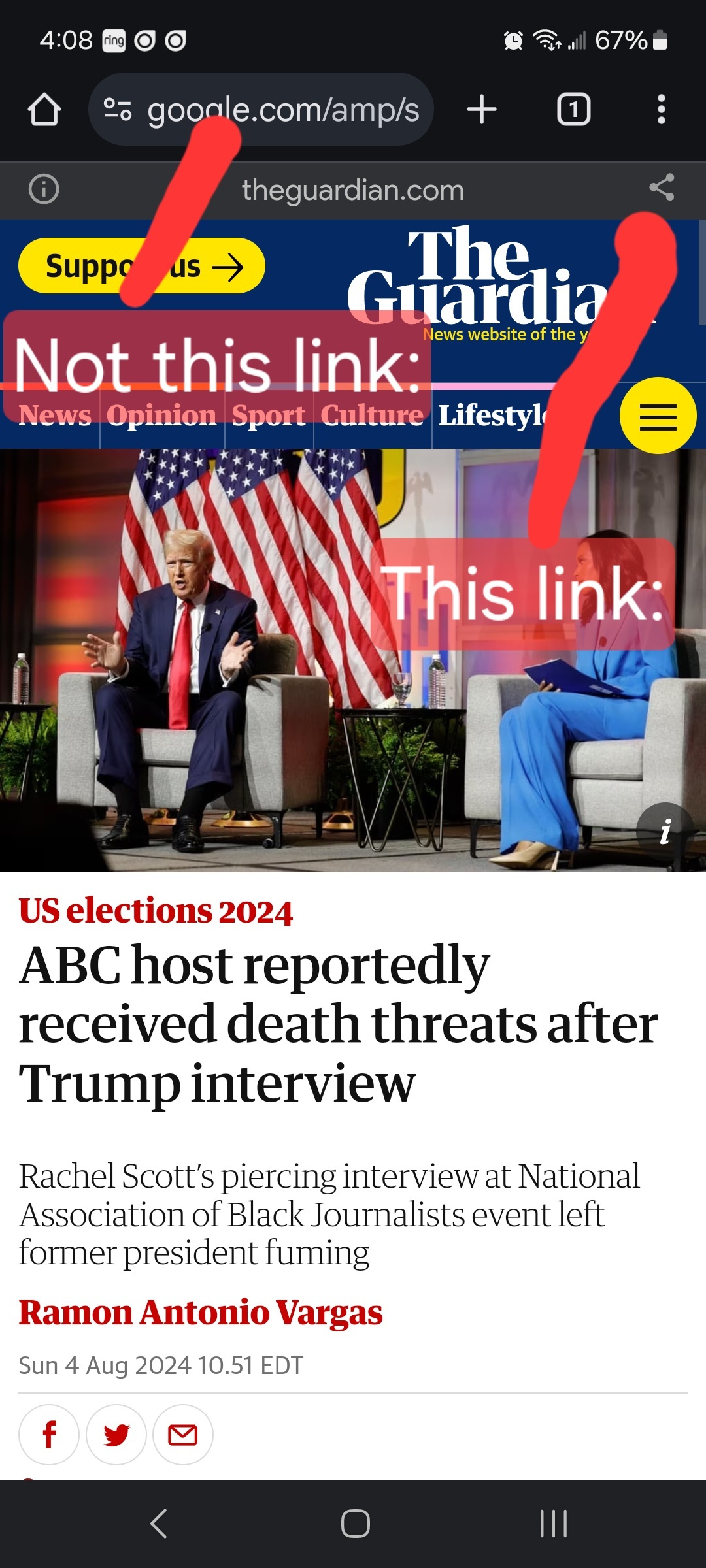
Links must be to the original source, not an aggregator like Google Amp, MSN, or Yahoo.
Example:
- Articles must be relevant to US politics and contain quality and original content. Social Media adjacent hosts like Substack are allowed, but ONLY if they tie back to a company/subsidiary. No personal or friend group blogs and no self-promotion. Articles should be worth reading. Clickbait, stub articles, and re-hosted or stolen content are not allowed. Check your source for Reliability and Bias here.
- Be civil, No violations of TOS. It’s OK to say the subject of an article is behaving like a (pejorative, pejorative). It’s NOT OK to say another USER is (pejorative). Strong language is fine, just not directed at other members. Engage in good-faith and with respect! This includes accusing other users of being bots or paid actors.
- No memes, trolling, misinformation, or low-effort posts/comments (including reposts). If you see posts like this that anger you, do not engage. Report, block, and live a happier life than they do. Any slap-fight is subject to comment removals. Fights full of rule violations will result in temporary bans to cool off.
- No manipulating votes via bots or alt accounts; this will result in permanent bans. Vote based on comment quality, not agreement. This community aims to foster discussion; please reward people for putting effort into articulating their viewpoint, even if you disagree with it.
- No hate speech, slurs, celebrating death, advocating violence, or abusive language. This will result in an account ban. Usernames containing racist, or inappropriate slurs will be permanently banned.
We ask that the users report any comment or post that violate the rules and use critical thinking when reading, posting, and commenting. Users that repeatedly have comments or posts removed, weaponize reports, or violate the code of conduct, will be banned.
All posts and comments will be reviewed on a case-by-case basis. This means that some content that violates the rules may be allowed, while other content that does not violate the rules may be removed. The moderators retain the right to remove any content and ban users. The reason(s) behind moderator action(s) are publicly available through the Modlog.
That's all the rules!
Civic Links
• Congressional Awards Program
• Library of Congress Legislative Resources
• U.S. House of Representatives
Partnered Communities:
• News
view the rest of the comments
The most likely path at this point is the National Popular Vote Interstate Compact, a collection of state legislative measures, state constitutional amendments, etc. aimed at using the electoral college against itself. The very short tldr is once >=270 electoral votes worth of states have passed something enacting it, all those states' delegates will vote in line with the national popular vote regardless of how their individual state votes, forcing the popular vote winner to be president.
Whether or not it'll survive judicial challenge if/when it gets to >=270 electoral votes worth of states is entirely unclear. In theory, there's nothing they should be able to do about it, but SCOTUS has shown time and time again it doesn't actually give a fuck about the constitution.
The problem isn't that states have disproportionate power, and moreover the NPVC is a poor solution. The problem is that all but two states allocate their delegates in a winner-take-all manner, so that a candidate with only 51% of the vote gets all of the delegates.
The NPVC requires huge buy in to work because in nearly half of cases it doesn't result it a person's voting power represening their actual vote. Thus, no individual citizen has incentive to support it. If it ever gets enough support to take effect, as soon as a state ends up with its delegates going to a candidate the citizens of that state didn't vote for, they'll repeal it and it will end nationally due to the wording of the law.
The solution is for states to allocate delegates proportionally to the votes of its citizens. That's what voting is all about. If that system were in place, then there would have been no elections with a mismatch between the college and popular vote. Every citizen has individual incentive for that system, more so than the current system or NPVC, and therefore you don't need the group buy-in wording that the NPVC has. It can be achieved on a state-by-state basis, and it would only need a few states to operate this way to have an impact.
Someone is going to point out that there are details and some states want to be fought over for their small percentage to swing the state, but the fact is that this solves the problem, and overwhelmingly this has fewer barriers and weakenesses than NPVC. If you care about this, contact your state government to change how delgates are allocated.