Lemdro.id

2,403 readers
17 users here now

Our Mission 🚀

Lemdro.id strives to be a fully open source instance with incredible transparency. Visit our GitHub for the nuts and bolts that make this instance soar and our Matrix Space to chat with our team and access the read-only backroom admin chat.

Community Guidelines

We believe in maintaining a respectful and inclusive environment for all members. We encourage open discussion, but we do not tolerate spam, harassment, or disrespectful behaviour. Let's keep it civil!

Get Involved

Are you an experienced moderator, interested in bringing your subreddit to the Fediverse, or a Lemmy app developer looking for a home community? We'd be happy to host you! Get in touch!

Quick Links

Lemdro.id Interfaces 🪟

Our Communities 🌐

Lemmy App List 📱

Chat and More 💬

Instance Updates

!lemdroid@lemdro.id

founded 2 years ago
ADMINS
1


First U.S. Abolitionist Organization (1775)

Fri Apr 14, 1775
Image

Image: **


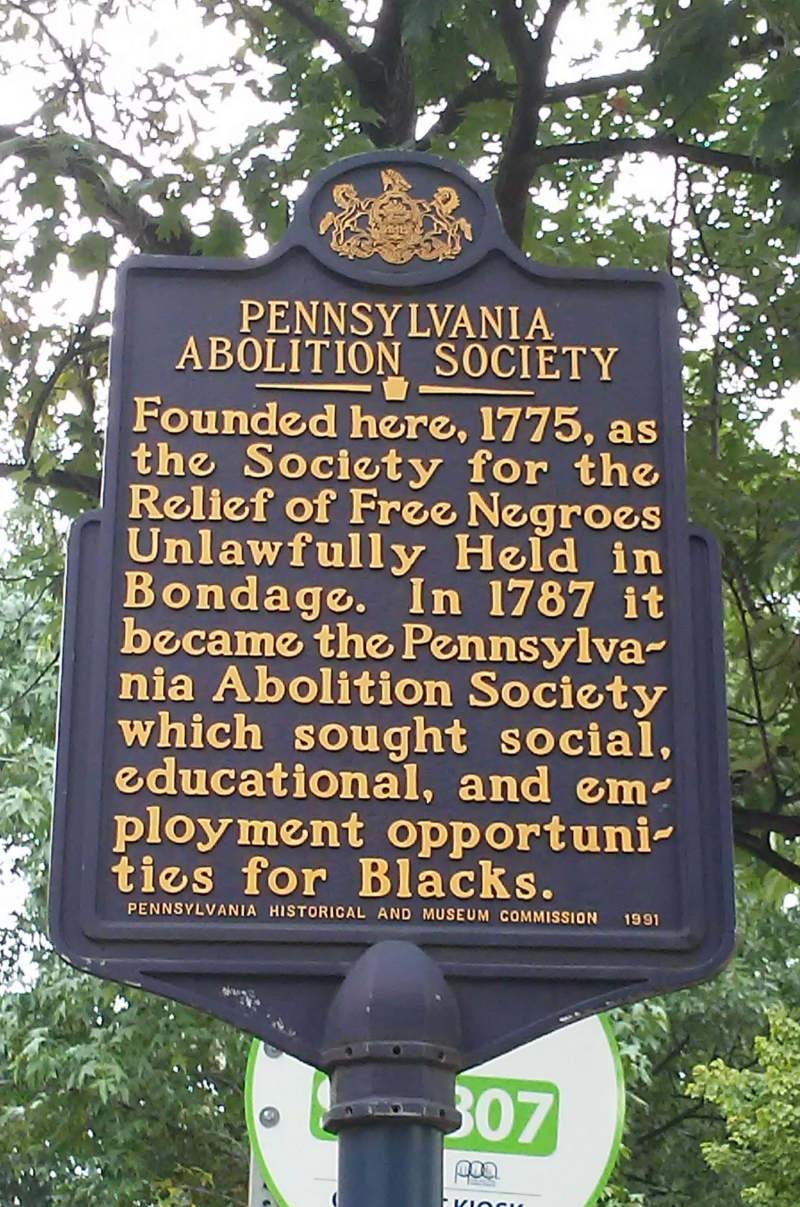
On this day in 1775, Philadelphia Quakers formed the first abolitionist organization in the U.S., the "Society for the Relief of Free Negroes Unlawfully Held in Bondage". Although they won reforms, they never succeeded in abolishing slavery.

Although there are records of Quakers condemning the "traffic of Men-body" as early 1688, this group (predominantly but not exclusively Quaker) was the first official organization to work for the abolition of slavery.

The organization was re-formed in 1784, renamed the "Pennsylvania Abolition Society" (PAS). This version of the group began to grow more influential, broadening its membership to prominent figures as Benjamin Franklin and Benjamin Rush, who both helped write the Society's new constitution.

In 1787, the PAS unsuccessfully petitioned the Constitutional Convention to institute a ban on slavery. The following year, they successfully lobbied the Pennsylvania legislature to amend the gradual abolition act of 1780, winning reforms like the banning of transporting enslaved children and pregnant women out of Pennsylvania and the sending of slave ships from the city.

The amended act also imposed heavier fines for kidnapping the enslaved, and made it illegal to separate enslaved families by more than ten miles.

The group's influence waned in the decades leading up the Civil War amid economic crises and an increasing anti-black sentiment in the region. Despite their efforts at gradual abolition, chattel slavery was not abolished in the United States until 1865.


2


Ramón Emeterio Betances (1827 - 1898)

Sun Apr 08, 1827

Image


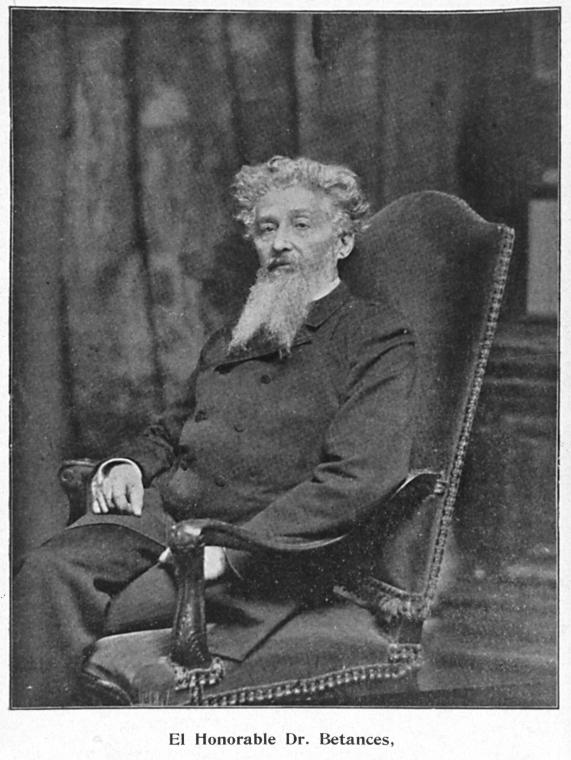
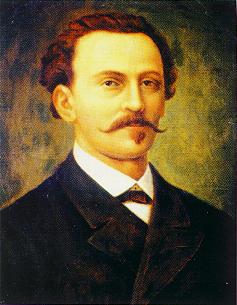
Ramón Emeterio Betances, born on this day in 1827, was a Puerto Rican abolitionist, revolutionary, and medical doctor who helped instigate the "Grito de Lares". Betances is considered to be the father of the Puerto Rican independence movement.

Because of his abolitionist beliefs, Betances began organizing a series of secret anti-slavery organizations in 1856. Some of these societies sought the freedom and free passage of African descended peoples from Puerto Rico to countries without slavery, while other societies sought to liberate as many of the enslaved as possible by buying their freedom (this included freeing thousands of slaves as infants and baptizing them at the Nuestra Señora de la Candelaria).

While exiled from Puerto Rico, Betances and others formed the "Revolutionary Committee of Puerto Rico" and began agitating for armed insurrection to establish Puerto Rican independence. The most famous attempt of these was the "Grito de Lares", however it was forcibly put down by the local militia.

Betances was known for stating "Nadie puede dar lo que no tiene" (English: "No one can give others what they don't have for themselves") in reference to Spain's unwillingness to grant Puerto Rico or Cuba any reforms.

Days before his death, the U.S. annexed Puerto Rico in the aftermath of the Spanish-American War. Frustrated by the ostensible unwillingness of Puerto Ricans to demand their independence from the United States, he wrote "And what's wrong with Puerto Ricans that they haven't yet rebelled?"


3


J.W. Loguen (1813 - 1872)

Fri Feb 05, 1813

Image


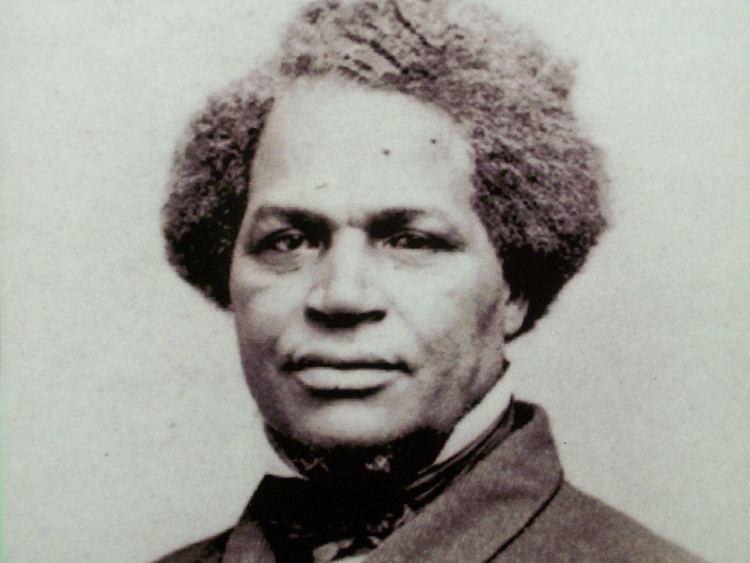
Jermain Wesley Loguen, born into slavery on this day in 1813, was an abolitionist, bishop of the AME Church, and author of "The Reverend J. W. Loguen, as a Slave and as a Freeman, a Narrative of Real Life".

At the age of 21, he escaped slavery via the Underground Railroad, and his home as a free man went on to become a major stop in the railroad. He also founded schools for black children in Utica and his city of resident, Syracuse, New York.

On October 1st, 1851, an enslaved man he was harboring known as "Jerry" was arrested under the Fugitive Slave Act of 1850. The anti-slavery Liberty Party was holding its state convention in the city and, when word of the arrest spread, several hundred abolitionists broke into the city jail and freed Jerry. The event came to be widely known as the "Jerry Rescue".


4


cross-posted from: https://lemmy.world/post/36731297

The "Jerry Rescue" (1851)

Wed Oct 01, 1851

Image

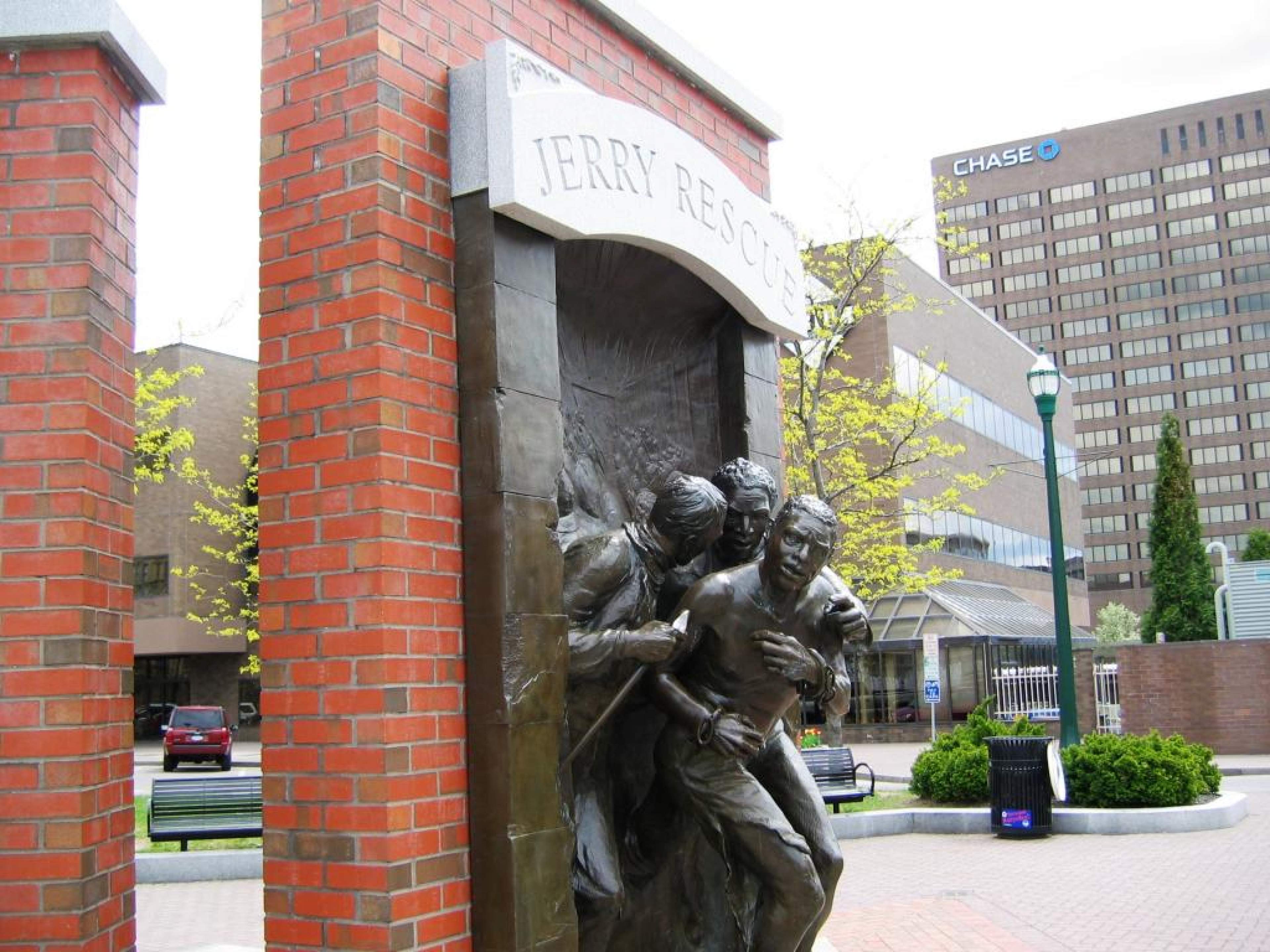
Image: A monument to the Jerry Rescue


On this day in 1851, arrested fugitive slave William "Jerry" Henry was broken out of jail by hundreds of abolitionists in Syracuse, New York. Jerry and prominent members of the rescue fled to Canada afterward.

Earlier that year, the pro-slavery Secretary of State Daniel Webster had warned that the new Fugitive Slave Act (passed in 1850) would be enforced even "here in Syracuse in the midst of the next Anti-Slavery Convention." The arrest was considered a message that the locally-unpopular law would be enforced by federal authorities.

The abolitionist Liberty Party was holding a state convention in Syracuse and, when Jerry's arrest became known, several hundred abolitionists broke into the city jail and freed him. The event came to be widely known as the "Jerry Rescue".

Jerry himself was hidden in Syracuse for several days, then was taken to the Orson Ames House in Mexico, New York, and from there to Oswego, before crossing Lake Ontario into freedom in Canada. Many of the prominent members of the jailbreak also fled to Canada, including Reverend J.W. Loguen and Minister Samuel Ringgold Ward.


5


The "Jerry Rescue" (1851)

Wed Oct 01, 1851

Image

Image: A monument to the Jerry Rescue


On this day in 1851, arrested fugitive slave William "Jerry" Henry was broken out of jail by hundreds of abolitionists in Syracuse, New York. Jerry and prominent members of the rescue fled to Canada afterward.

Earlier that year, the pro-slavery Secretary of State Daniel Webster had warned that the new Fugitive Slave Act (passed in 1850) would be enforced even "here in Syracuse in the midst of the next Anti-Slavery Convention." The arrest was considered a message that the locally-unpopular law would be enforced by federal authorities.

The abolitionist Liberty Party was holding a state convention in Syracuse and, when Jerry's arrest became known, several hundred abolitionists broke into the city jail and freed him. The event came to be widely known as the "Jerry Rescue".

Jerry himself was hidden in Syracuse for several days, then was taken to the Orson Ames House in Mexico, New York, and from there to Oswego, before crossing Lake Ontario into freedom in Canada. Many of the prominent members of the jailbreak also fled to Canada, including Reverend J.W. Loguen and Minister Samuel Ringgold Ward.


6


George Thompson (1804 - 1878)

Mon Jun 18, 1804

Image


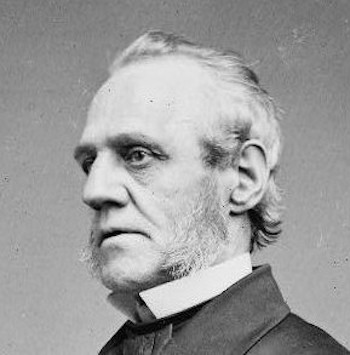
George Donisthorpe Thompson, born on this day in 1804, was a prominent British anti-slavery orator and activist who gave lecturing tours and worked for abolitionist legislation while serving as a member of Parliament.

Thompson grew up in a household that directly profited from the slave trade. His father worked on ships that transported enslaved Africans to the Caribbean and the Americas, and stories connected to this experience convinced him slavery had to be abolished.

Thompson became one of the most prominent and influential abolitionists and human rights lecturers in the United Kingdom and the United States. He was friends with Frederick Douglass and met with Abraham Lincoln during the Civil War. On one visit to the United States, Thompson had to flee the country due to threats of violence from pro-slavery parties.

Thompson was also an advocate of free trade, Chartism, nonresistance, the peace movement, and East Indian reform, helping form the British India Society in 1839.


7


Harriet Beecher Stowe (1811 - 1896)

Fri Jun 14, 1811

Image

Image: **


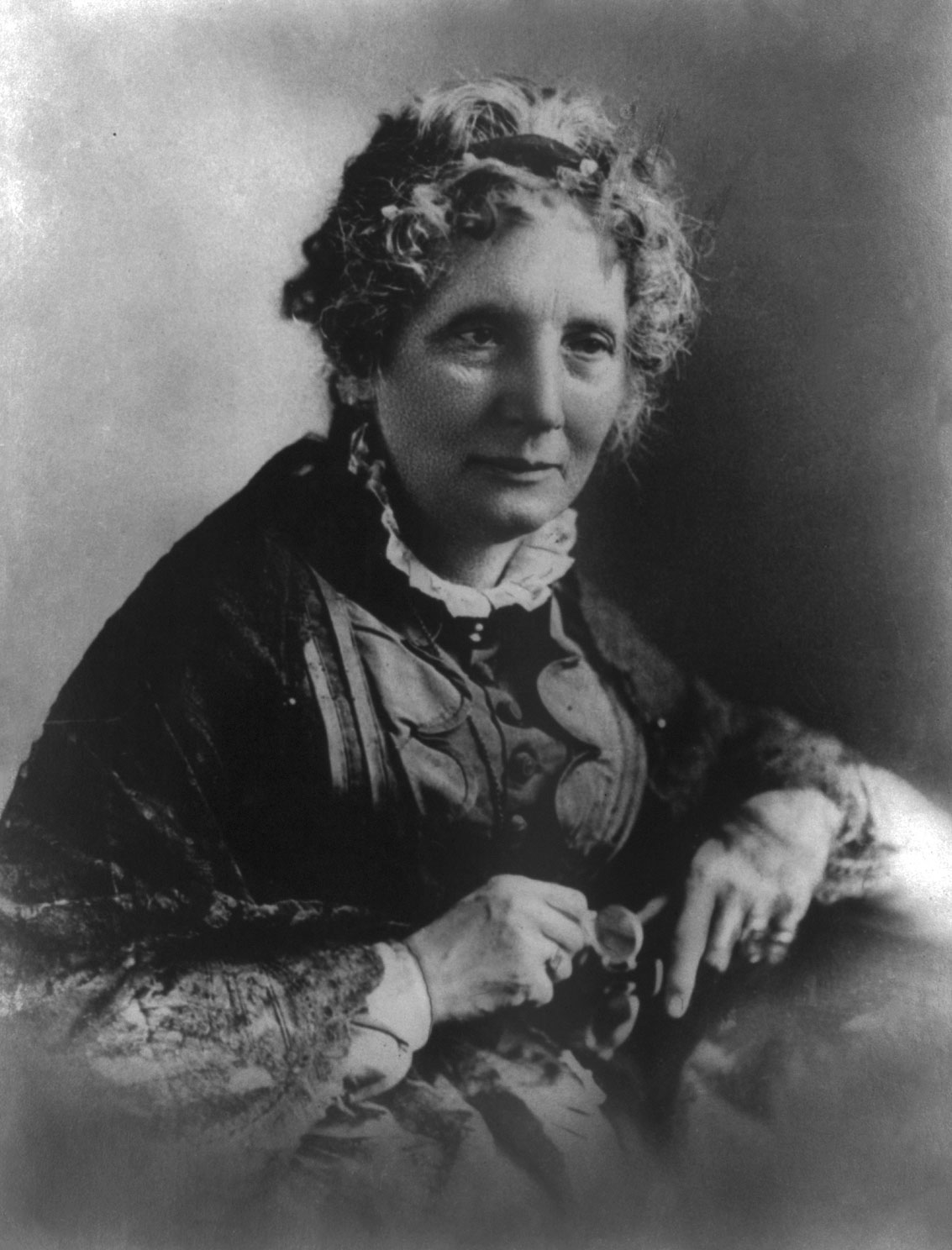
Harriet Beecher Stowe, born on this day in 1811, was an American abolitionist and author, best known for her anti-slavery novel "Uncle Tom's Cabin", published in 1852.

Stowe was born in Litchfield, Connecticut to a large and deeply religious family that produced other notable theologians and abolitionists, such as Henry Ward Beecher, Charles Beecher, and Edward Beecher.

Harriet's own politics were influenced by direct experiences with black people terrorized by race riots in the 1820s and 1830s, as well as the Lane Debates on Slavery, which led to the founding of Oberlin College after a mass exodus of students from Lane Theological Seminary.

Later in life, she was an outspoken critic of slavery and supported the Underground Railroad, temporarily housing several fugitive slaves in her home. It was during this period, in the decade before the Civil War, that she authored "Uncle Tom's Cabin". Within a year of its publication, the book sold an unprecedented 300,000 copies and was widely read in both the United States and Great Britain.

Harriet Stowe was also an early feminist thinker, connecting the struggle for black liberation to the struggle for women's liberation more broadly, writing in 1869 that "the position of a married woman...is, in many respects, precisely similar to that of the negro slave. She can make no contract and hold no property; whatever she inherits or earns becomes at that moment the property of her husband...Though he acquired a fortune through her, or though she earned a fortune through her talents, he is the sole master of it, and she cannot draw a penny".


8


Segundo Ruiz Belvis (1829 - 1867)

Wed May 13, 1829

Image


Ruiz Belvis, born on this day in 1829, was an abolitionist who fought for Puerto Rico's independence from Spain, helping organize the revolutionary rebellion "Grito de Lares". Belvis died while raising funds for the rebellion in Chile.

After studying abroad, Ruiz Belvis returned to Puerto Rico in 1859 and befriended Ramón Emeterio Betances, joining his group "The Secret Abolitionist Society". The society baptized and emancipated thousands of black slave children in an event known as the "aguas de libertad" (waters of liberty).

In 1866, Ruiz Belvis exiled in New York where, with Betances and others, he formed the "Comité Revolucionario de Puerto Rico" (Revolutionary Committee of Puerto Rico) to organize for the independence of the island.

They developed a plan to send an armed expedition to Puerto Rico, later known as the "Grito de Lares". Before the insurrection could happen, however, Belvis died of illness while on a diplomatic mission in Chile to raise funds for the rebellion.


[–] ocean@lemmy.selfhostcat.com 4 points 1 year ago* (last edited 1 year ago)

From my poor understanding both sides had slaves but the south had the majority of them and their entire economy relied on them. The north was slowly freeing them but that didn’t mean they were actually free.

Found a very general summary here:

Beginning during the Revolution and in the first two decades of the postwar era, every state in the North abolished slavery. These were the first abolitionist laws in the Atlantic World. However, the abolition of slavery did not necessarily mean that existing slaves became free. In some states they were forced to remain with their former owners as indentured servants: free in name only, although they could not be sold and thus families could not be split, and their children were born free. The end of slavery did not come in New York until July 4, 1827, when it was celebrated (on July 5) with a big parade. However, in the 1830 census, the only state with no slaves was Vermont. In the 1840 census, there were still slaves in New Hampshire (1), Rhode Island (5), Connecticut (17), New York (4), Pennsylvania (64), Ohio (3), Indiana (3), Illinois (331), Iowa (16), and Wisconsin (11). There were none in these states in the 1850 census.

https://en.wikipedia.org/wiki/Slavery_in_the_United_States?wprov=sfti1#Abolitionism_in_the_North

Another good quote

The amendment did not take effect until it was ratified by three-fourths of the states, which occurred on December 6, 1865, when Georgia ratified it. On that date, the last 40,000–45,000 enslaved Americans in the remaining two slave states of Kentucky and Delaware, as well as the 200 or so perpetual apprentices in New Jersey left from the very gradual emancipation process begun in 1804, were freed. The last Americans known to have been born into legal slavery died in the 1970s

civil war website link

https://acwm.org/blog/myths-misunderstandings-north-and-slavery/

Slavery developed hand-in-hand with the founding of the United States, weaving into the commercial, legal, political, and social fabric of the new nation and thus shaping the way of life of both the North and the South. American attitudes to slavery were complex with much disagreement; however, before emancipation, many northerners felt guilty about slavery and white southerners expected federal protection of the “peculiar institution.” These feelings, which directly influenced many people’s choices leading to secession and Civil War in 1860-1, can only be understood by seeing slavery as a national institution.

Northerners as different as Harriett Beecher Stowe and William Henry Seward regarded slavery as a national sin rather than a southern fault. For Republican politicians in the late 1850s, the fear that slaveholders stood ready to take over the nation was real. Seward’s “Irrepressible Conflict” speech in 1858 argued how “the United States must, sooner or later, become either an entirely slaveholding nation or entirely a free-labor nation.”

Looking at the institution of slavery as “just a southern thing” obscures the conscious interdependency connected by slavery between people’s wealth and power in the North and South. Yet, slavery remained very different for the South compared with the North. For the South, slavery was never solely an economic system, but also provided the racial underpinning of southern social structures when, in 1860, 95% of African Americans lived in the South. This distinction reinforced a perception of difference believed by citizens of one section about the other, despite the many historical, cultural, and economic links of slavery between North and South.

9


Ramón Emeterio Betances (1827 - 1898)

Sun Apr 08, 1827

Image


Ramón Emeterio Betances, born on this day in 1827, was a Puerto Rican abolitionist, revolutionary, and medical doctor who helped instigate the "Grito de Lares". Betances is considered to be the father of the Puerto Rican independence movement.

Because of his abolitionist beliefs, Betances began organizing a series of secret anti-slavery organizations in 1856. Some of these societies sought the freedom and free passage of African descended peoples from Puerto Rico to countries without slavery, while other societies sought to liberate as many of the enslaved as possible by buying their freedom (this included freeing thousands of slaves as infants and baptizing them at the Nuestra Señora de la Candelaria).

While exiled from Puerto Rico, Betances and others formed the "Revolutionary Committee of Puerto Rico" and began agitating for armed insurrection to establish Puerto Rican independence. The most famous attempt of these was the "Grito de Lares", however it was forcibly put down by the local militia.

Betances was known for stating "Nadie puede dar lo que no tiene" (English: "No one can give others what they don't have for themselves") in reference to Spain's unwillingness to grant Puerto Rico or Cuba any reforms.

Days before his death, the U.S. annexed Puerto Rico in the aftermath of the Spanish-American War. Frustrated by the ostensible unwillingness of Puerto Ricans to demand their independence from the United States, he wrote "And what's wrong with Puerto Ricans that they haven't yet rebelled?"


10


Angelina Grimké (1805 - 1879)

Wed Feb 20, 1805

Image


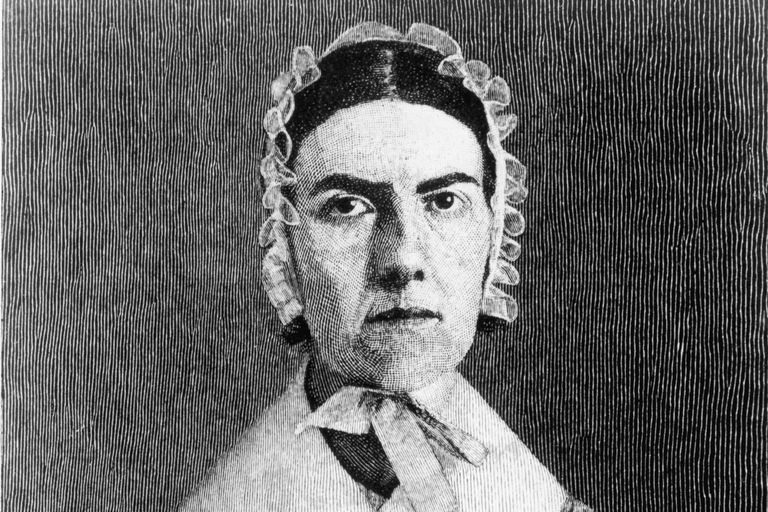
Angelina Grimké Weld, born on this day in 1805, was an American abolitionist and women's rights advocate, notable for being, along with her sister Sarah, one of the few southern white women to join the abolitionist cause.

The Grimké sisters were raised in Charleston, South Carolina, however they spent their adult lives in the North. Angelina was a notable orator and writer of the suffragist and abolitionist movement in the 1830s, published in the magazine "The Liberator".

Here is an excerpt from a speech Angelina gave at an integrated abolitionist meeting at Pennsylvania Hall in Philadelphia, at which an angry crowd of protesters had gathered around:

"Those voices without ought to awaken and call out our warmest sympathies. Deluded beings! 'they know not what they do.' They know not that they are undermining their own rights and their own happiness, temporal and eternal. Do you ask, 'what has the North to do with slavery?' Hear it -- hear it. Those voices without tell us that the spirit of slavery is here, and has been roused to wrath by our abolition speeches and conventions".

The next day, Pennsylvania Hall was destroyed by arson. Angelina Grimké was its final speaker.


11


J.W. Loguen (1813 - 1872)

Fri Feb 05, 1813

Image


Jermain Wesley Loguen, born into slavery on this day in 1813, was an abolitionist, bishop of the AME Church, and author of "The Reverend J. W. Loguen, as a Slave and as a Freeman, a Narrative of Real Life".

At the age of 21, he escaped slavery via the Underground Railroad, and his home as a free man went on to become a major stop in the railroad. He also founded schools for black children in Utica and his city of resident, Syracuse, New York.

On October 1st, 1851, an enslaved man he was harboring known as "Jerry" was arrested under the Fugitive Slave Act of 1850. The anti-slavery Liberty Party was holding its state convention in the city and, when word of the arrest spread, several hundred abolitionists broke into the city jail and freed Jerry. The event came to be widely known as the "Jerry Rescue".


12


1st North Star Edition (1847)

Fri Dec 03, 1847

Image

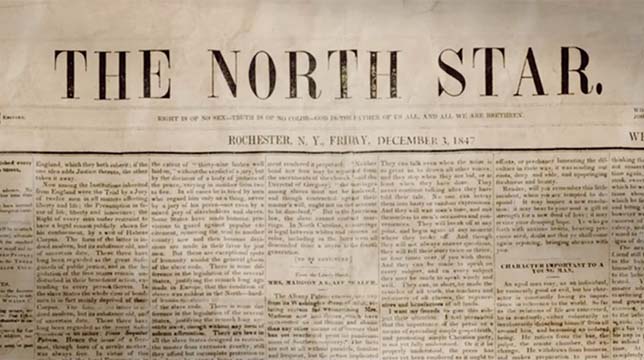
Image: A photo of the North Star paper


On this day in 1847, Frederick Douglass published the 1st edition of his abolitionist paper The North Star; its slogan was "Right is of no Sex—Truth is of no Color—God is the Father of us all, and all we are Brethren."

Frederick Douglass (1817 - 1895) was an American social reformer, abolitionist, orator, writer, and statesman. After escaping from slavery in Maryland, he became a national leader of the abolitionist movement in Massachusetts and New York, gaining fame and political clout for his oratory and incisive abolitionist writing.


13


Sarah Grimké (1792 - 1873)

Mon Nov 26, 1792

Image


Sarah Moore Grimké, born on this day in 1792, was an American abolitionist, also widely held to be one of the mothers of the women's suffrage movement.

Born and raised in South Carolina to a prominent, slave-owning planter family, she moved to Philadelphia, Pennsylvania, in the 1820s and became a Quaker. She and her sister Angelina Grimké are two of the very few white Southern women who became prominent abolitionists.

Here is an excerpt from a series of articles she wrote, titled "Letters on the Condition of Women and the Equality of the Sexes" (1838):

"I ask no favors for my sex, I surrender not our claim to equality. All I ask of our brethren is that they will take their feet from off our necks, and permit us to stand upright on the ground which God has designed us to occupy...To me, it is perfectly clear that whatsoever it is morally right for a man to do, it is morally right for a woman to do."


14


Theodore Weld (1803 - 1895)

Wed Nov 23, 1803

Image


Theodore Dwight Weld, born on this day in 1803, was one of the architects of the American abolitionist movement during its formative years from 1830 through 1844, playing a role as a writer, editor, speaker, and organizer.

Weld is best known for his co-authorship of the authoritative compendium "American Slavery As It Is: Testimony of a Thousand Witnesses", published in 1839. Harriet Beecher Stowe partly based her work "Uncle Tom's Cabin" on Weld's text, and it is regarded as second only to that work in its influence on the anti-slavery movement.

Weld married fellow abolitionist lecturer Angelina Grimké, Sarah, at the home of her sister in Philadelphia and explicitly rejected the legal power of husband over wife.

Their wedding was the opening event in a week-long abolitionist celebration. Long excluded from churches and meetings halls for fear of mob violence, Philadelphia abolitionists had raised $40,000 to build their own (in Weld's words) "Temple of Freedom." Just four days after the building opened, a mob burned it to the ground.

Weld continued his abolitionist work after the act of arson, temporarily moving to Washington D.C. to help anti-slavery efforts there. In 1848, Theodore, Angelina, and Sarah also started a progressive, racially integrated school in Belleville, New Jersey.

"Every man knows that slavery is a curse. Whoever denies this, his lips libel his heart."

- Theodore Weld


15


The "Jerry Rescue" (1851)

Wed Oct 01, 1851

Image

Image: A monument to the Jerry Rescue


On this day in 1851, arrested fugitive slave William "Jerry" Henry was broken out of jail by hundreds of abolitionists in Syracuse, New York. Jerry and prominent members of the rescue fled to Canada afterward.

Earlier that year, the pro-slavery Secretary of State Daniel Webster had warned that the new Fugitive Slave Act (passed in 1850) would be enforced even "here in Syracuse in the midst of the next Anti-Slavery Convention." The arrest was considered a message that the locally-unpopular law would be enforced by federal authorities.

The abolitionist Liberty Party was holding a state convention in Syracuse and, when Jerry's arrest became known, several hundred abolitionists broke into the city jail and freed him. The event came to be widely known as the "Jerry Rescue".

Jerry himself was hidden in Syracuse for several days, then was taken to the Orson Ames House in Mexico, New York, and from there to Oswego, before crossing Lake Ontario into freedom in Canada. Many of the prominent members of the jailbreak also fled to Canada, including Reverend J.W. Loguen and Minister Samuel Ringgold Ward.


16


Tappan Riot (1834)

Mon Jul 07, 1834

Image


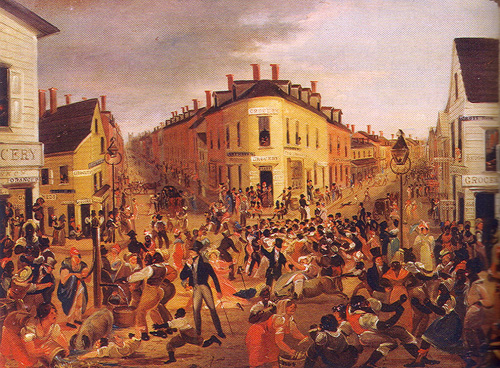
On this day in 1834, New York City was rocked by a huge anti-abolitionist riot (known as the Farren or Tappan Riot) that lasted for nearly a week until it was put down by military occupation.

The riot arose from tensions in the city as abolitionists became more politically active, black people demanded more dignity and freedom for themselves, and the city experienced a large immigration of Irish people.

White mobs, thousands strong, destroyed the homes and churches of black people and white abolitionists. At times, the rioters controlled whole sections of the city. The uprising was forcibly put down by the New York National Guard.


view more: next ›