
Bhopal Disaster (1984)
Sun Dec 02, 1984
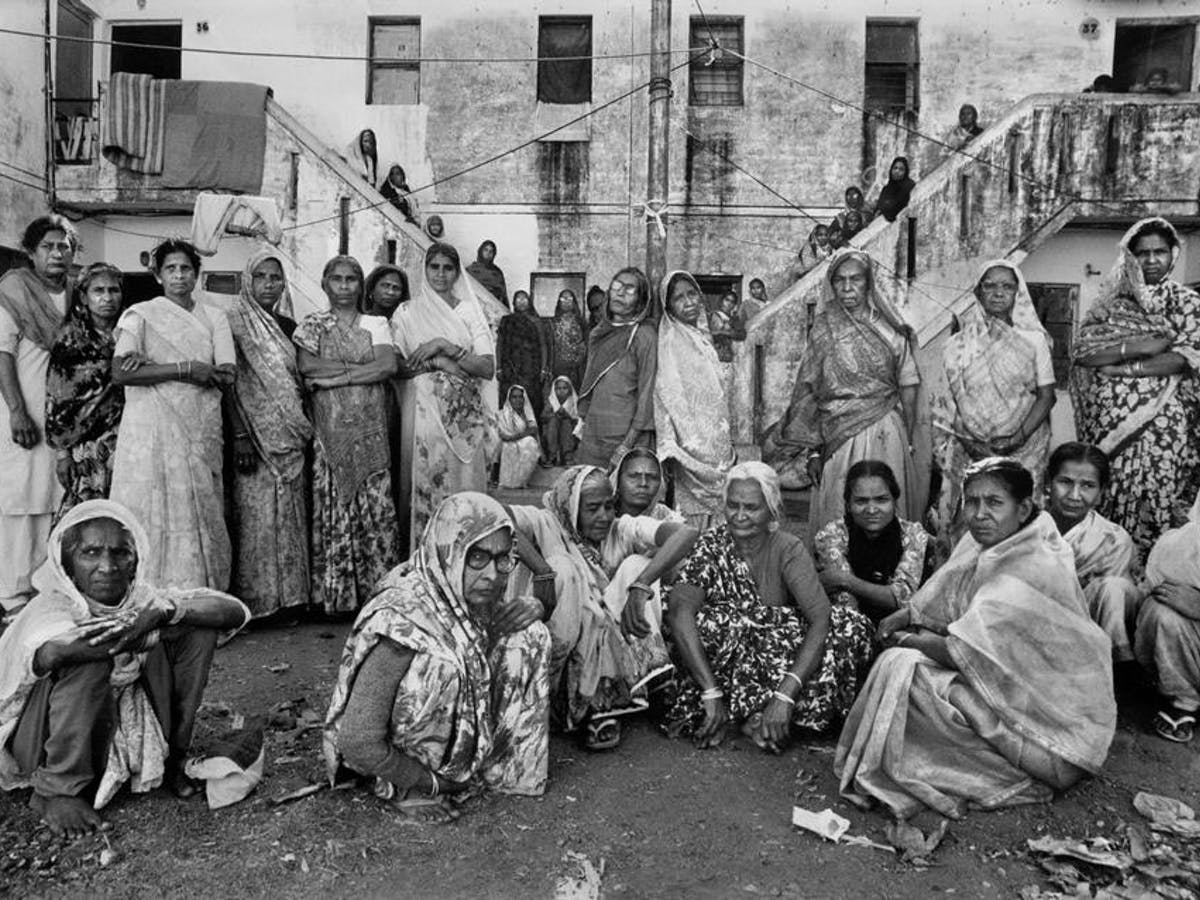
On this day in 1984, the Bhopal Disaster, one the world's worst industrial catastrophes, took place when a gas leak exposed more than 500,000 people to highly toxic methyl isocyanate gas. Estimates of those killed range widely, from 3,900 - 16,000 people dying as a result of the exposure, with tens of thousands injured.
The leak took place at the Union Carbide India Limited (UCIL) pesticide plant in Bhopal, Madhya Pradesh, India. Multiple leaks and worker exposures to toxic chemicals had taken place in the years leading up to the Bhopal Disaster, leading journalist Rajkumar Keswani to state "Wake up, people of Bhopal, you are on the edge of a volcano".
The mass leak of methyl isocyanate gas (MIC) was caused by widespread neglect of infrastructure and safety measures for storing the chemical. Thousands of people had died by the following morning, generally from choking, reflexogenic circulatory collapse, and/or pulmonary edema. MIC gas is also approximately twice as dense as air, leading to children inhaling significantly greater concentrations of the toxin. The stillbirth rate increased by up to 300% and the neonatal mortality rate by around 200%.
Lacking any safe alternative, on December 16th, tanks 611 and 619 were emptied of the remaining MIC by reactivating the plant and continuing the manufacture of pesticide, leading to a second mass evacuation from Bhopal.
In 1991, the local Bhopal authorities charged Warren Anderson, former Union Carbide Corporation CEO who had retired in 1986, with manslaughter (UCIL was majority-owned by UCC). Anderson was declared a fugitive from justice on February 1st, 1992 for failing to appear at the subsequent court hearings. The U.S. government declined to extradite him, and the Supreme Court ruled that victims of the Bhopal disaster could not seek damages in a U.S. court.
In June 2010, seven former employees of UCIL, all Indian nationals and many in their 70s, were convicted of causing death by negligence.
- Date: 1984-12-02
- Learn More: en.wikipedia.org, www.theatlantic.com.
- Tags: #Labor.
- Source: www.apeoplescalendar.org