this post was submitted on 03 Nov 2026
99 points (99.0% liked)
Fuck Cars
16961 readers
157 users here now
A place to discuss problems of car centric infrastructure or how it hurts us all. Let's explore the bad world of Cars!
Rules
1. Be Civil
You may not agree on ideas, but please do not be needlessly rude or insulting to other people in this community.
2. No hate speech
Don't discriminate or disparage people on the basis of sex, gender, race, ethnicity, nationality, religion, or sexuality.
3. Don't harass people
Don't follow people you disagree with into multiple threads or into PMs to insult, disparage, or otherwise attack them. And certainly don't doxx any non-public figures.
4. Stay on topic
This community is about cars, their externalities in society, car-dependency, and solutions to these.
5. No reposts
Do not repost content that has already been posted in this community.
Moderator discretion will be used to judge reports with regard to the above rules.
Posting Guidelines
In the absence of a flair system on lemmy yet, let’s try to make it easier to scan through posts by type in here by using tags:
- [meta] for discussions/suggestions about this community itself
- [article] for news articles
- [blog] for any blog-style content
- [video] for video resources
- [academic] for academic studies and sources
- [discussion] for text post questions, rants, and/or discussions
- [meme] for memes
- [image] for any non-meme images
- [misc] for anything that doesn’t fall cleanly into any of the other categories
Recommended communities:
founded 3 years ago
MODERATORS
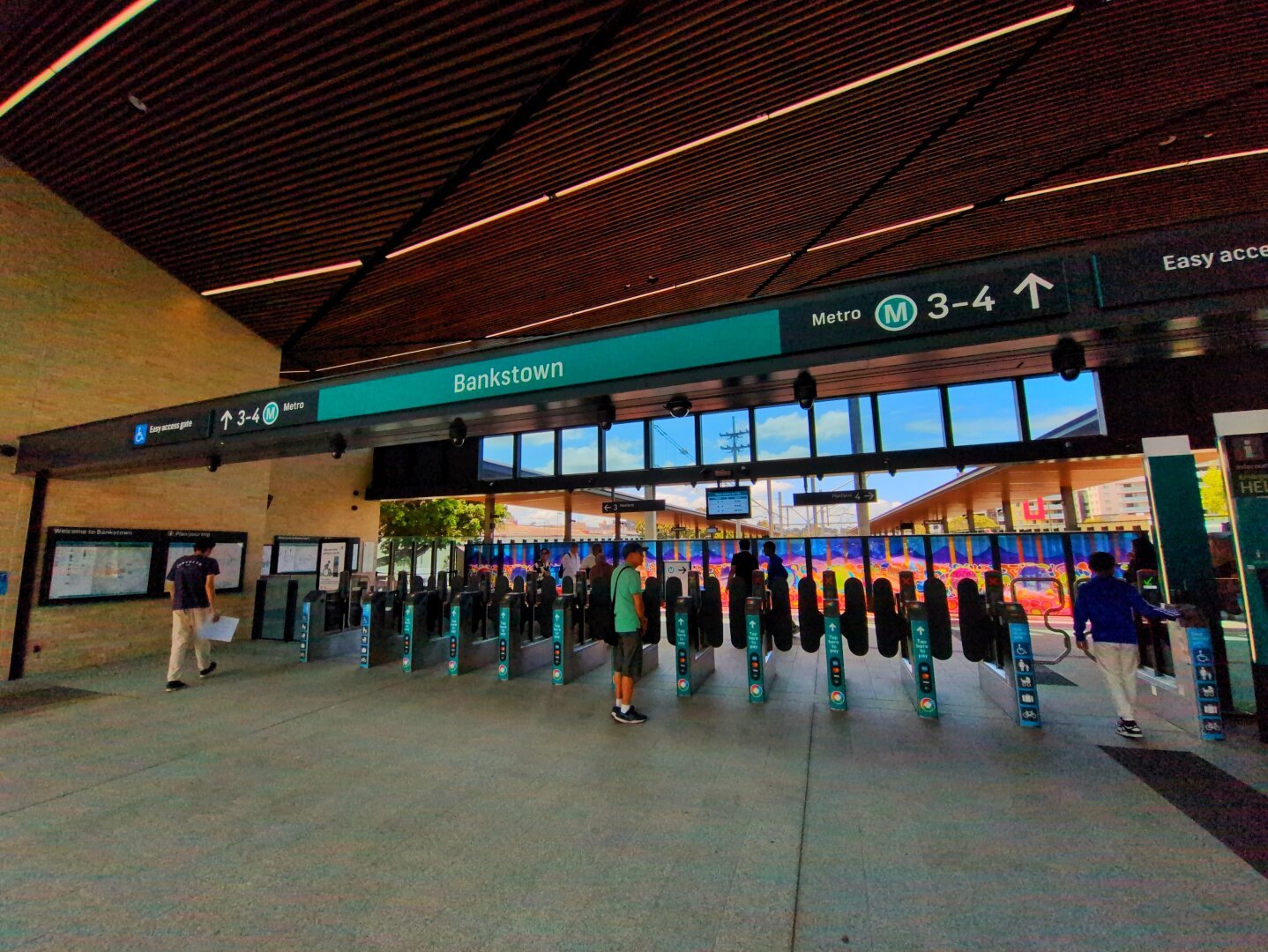
There's a common pattern with public transportation projects in North America in general.
When a project is built city planners use the opportunity to widen streets, roads, build or upgrade bridges, and do this all in a effort to not diminish the amount of lanes previously available to vehicle traffic. Something even adding a new lane where one did not exist beforehand.
This means when new stations go in, or there is any above ground transit corridor, a good chunk of the cash gets funneled into "car centric initiatives" as opposed being solely allocated for the transit line.
In the area I live we have a tram line that went in not to long ago. It has both above and below ground sections. Along the whole corridor the city street was repaved, and at the street level routes the street was completely reconfigured and widened. This includes sidewalks, benches, planting, landscape, curbs, mediums, traffic lights and signaling, electrical, and storm water. The costs ballooned obviously.
It's almost like city planners were working on the assumption the public was still going to choose to drive, as opposed to take the new transit line. So all efforts and funds were put to work in a way not to inconvenience drive in the slightest.
So in the end the project costs are higher, and the public does not question all the shiny new car infrastructure, but then proceeds to ask why the transit line was so expensive in the end.
@NarrativeBear @alcoholicorn
Somettimes it ends up reallcated as a bike lane; that ends up end and starting back up near intersections which tend to share lanes with a right turn lane or other spots that make the car (truck in most case legally - but most are SUV's) centric.
tearing up infrastructure is unpopular in general, you might as well upgrade all of it while you add some new untested transport method.
what makes it even worse is that you can totally design with the assumption that people will still drive, without making it horrible.
Just design for people to drive to metro stations! A lot of the suburban washington DC metro stations are like that, and while yes obviously it's not great it's a hell of a lot better than having suburbanites continue to drive downtown.
/c/usdefaultism
That's a Canadian, Trump.