this post was submitted on 13 Aug 2026
169 points (83.9% liked)
Perry Bible Fellowship
1109 readers
201 users here now
This is a community dedicated to the webcomic known as the Perry Bible Fellowship, created by Nicholas Gurewitch.
https://www.patreon.com/perryfellow
New comics posted whenever they're posted to the site (rarer nowadays but still ongoing). Old comics posted every day until we're caught up
founded 2 years ago
MODERATORS
you are viewing a single comment's thread
view the rest of the comments
view the rest of the comments
personally meat that's been tenderized through animal cruelty is the whole point!
you can't imagine how hard I get while gnawing on a thick juicy steak. sometimes I'll even use the juice from the meat as lube when I fuck tomorrow's roast and blast ropes into the creamy center. it's even better when I stuff some warm veal up my asshole.
since most cabbageheads want to make normal everyday eaters into monsters, I'll play the villain you made up in your mind.
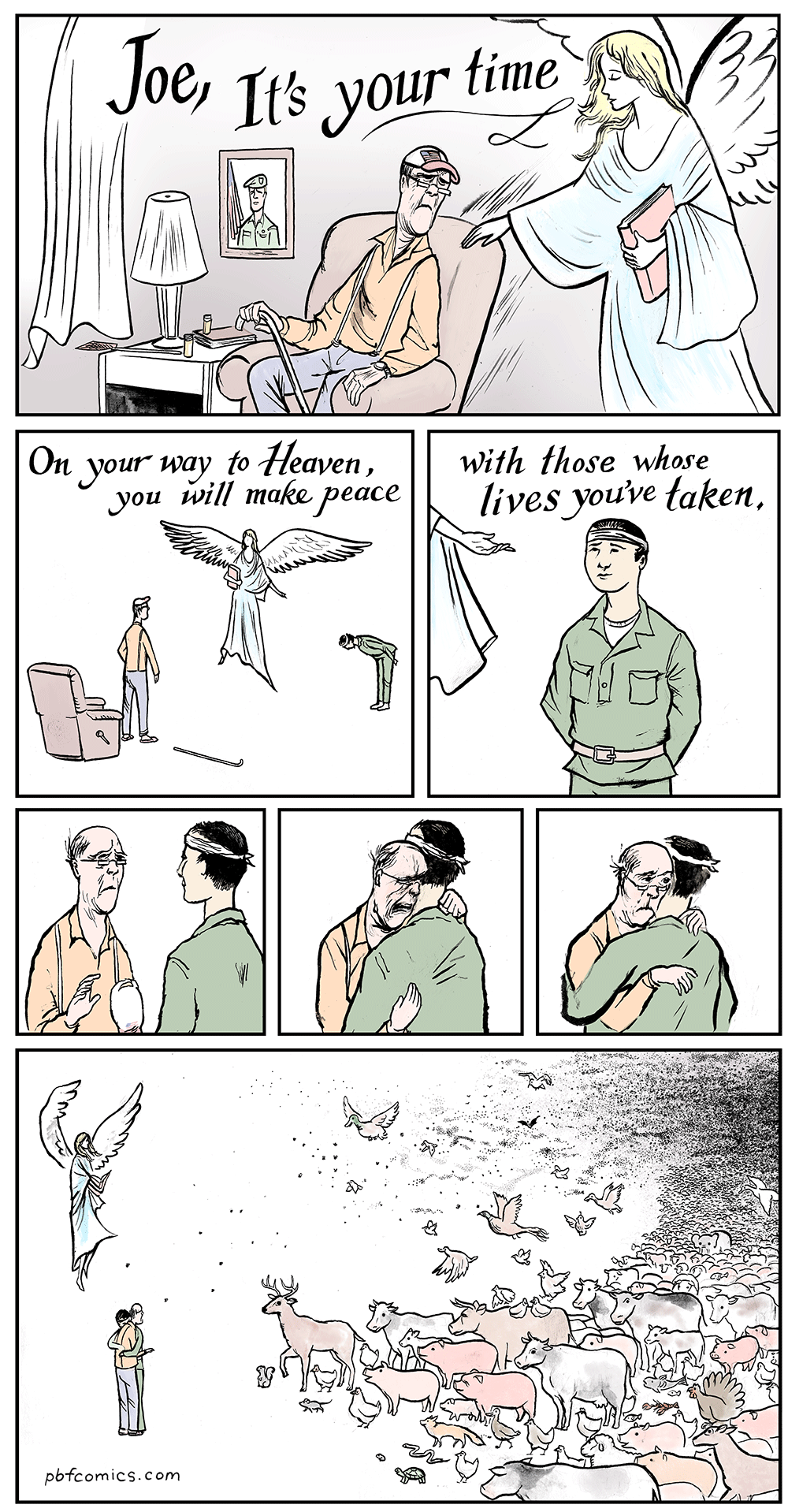
It's not the first time in history where everyday people contribute to a very inhumane industry. These industries are usually not perpetuated by consumers who want to be evil. They are perpetuated by consumers who are somewhere between uninformed and complicit, usually somewhere in between.
I don't think that the average meat eater is a monster. It's very normalized to buy factory farmed products without knowing and thinking about the cruelty that animals had to endure for it.
Many people know that there are instances of cruel treatment, but assume that these are just a few bad apples and that this has nothing to do with the products they buy. This is partly wishful thinking, partly just too abstract in their head to influence buying decisions, partly complicit, to varying degrees.
If someone knew quite a bit about the unimaginable suffering caused by the industry though, and continued funding it without thinking "well, that's not good, it would be better if would stop contributing to that", then this is malicious behavior. What else could I conclude?
So I would attribute varying responsibility to the consumer, based on how much they know, and on how easy it would be for them to choose alternatives.