this post was submitted on 26 Jun 2026
273 points (96.9% liked)
CoupleMemes
1104 readers
71 users here now
Community dedicated to memes that often hit a little too close to home. Respect the instance rules and remember that sharing these memes with your SO might 50/50 put you in the doghouse.
founded 1 year ago
MODERATORS
you are viewing a single comment's thread
view the rest of the comments
view the rest of the comments
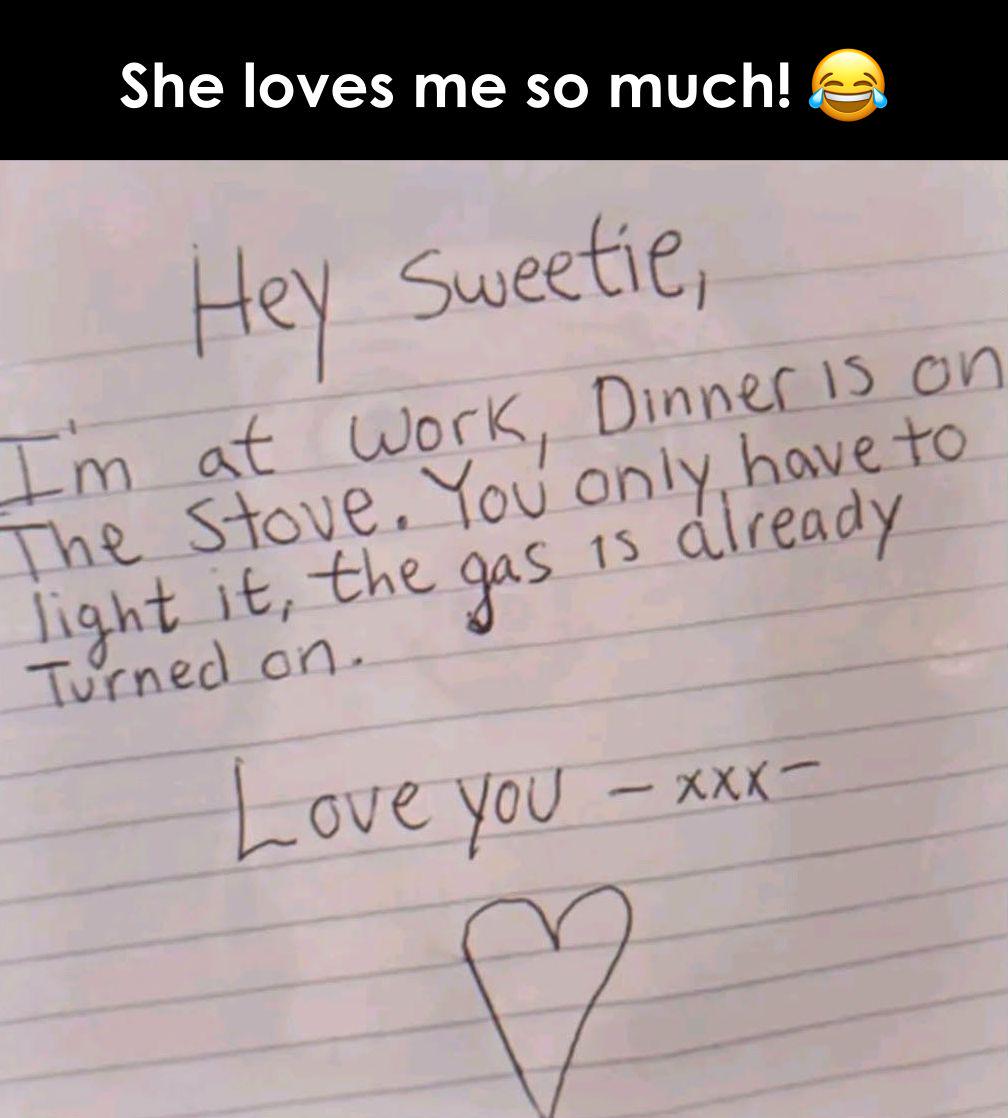
I know this is a joke etc. but anyone unaware of this, that would not do anything. The valve only stays open when it is hot, hence you have to keep pushing the button for a while before you can let go. These safety features are really old.
That’s not at all true, or at least not something you can rely on as general advice starting with “push the button” even.
Maybe on a newer model somehow? But how does it get hot if the gas is not on to start with?
My old gas stove would kill you if you turned the knob without lighting.
It's a failsafe system. Gas fireplaces have something similar. Prior to being lit, the pilot/valve has to be held open manually. While holding it open, the ignitor can be used to light the gas. Sometimes this is simultaneous (opening & lighting), while other times it's two separate mechanisms. In either case, when the gas is lit, a device known as a thermocouple keeps the gas valve held open as long as there is heat. There are electrical and mechanical varieties. If at any time no heat is detected (or the thermocouple fails), then the valve is closed.
Fireplaces need regular maintenance and sometimes a thermocouple fails because it's dirty.
I guess my oven was too old for that tech
If it’s a gas oven, then probably. I remember people having gas ovens when I was a kid in the early 1980’s, but I haven’t actually seen a non-electric oven since then. It must be at least 40 years old by now.
I assume that if the stove is lit up using matches then it doesn't have this feature?
No, despite how I worded it, the thermocouple does not specifically require a built-in ignitor. It's just a device that detects heat and closes a valve if not present. And mechanical thermocouples are incredibly simple devices, just a strip of metal with two different layers that bend when heat is present and returns normal when absent. They have been around forever. Similar tech to fuses really.
The big tell is if you have to manually hold the valve open to ignite the gas, as it does take a few seconds for the thermocouple to register a change. If you open the valve and immediately smell gas, then it is likely that you do not have a thermocouple.
It’s been a EU-wide requirement since 1996, but the law was actually introduced in 1990 with a 6 year implementation period. Even before that many EU countries already had national regulations that mandated this. So your stove has to be at least 30 years old not to have this safety feature. Personally I have never seen a stove without it, and I’m in my mid 40’s
Also stupid not to add it, since it’s a very cheap and reliable part to include.
To turn it on you have to keep the knob pressed (this usually also triggers the sparker), this forces the valve open. Once the burner is on for a few seconds you can let go and it’ll keep burning. If the flame ever goes off (e.g. your pan of pasta boils over and the water extinguishes the flames) the bimetalic part that keeps the valve open quickly cools down and shuts off the gas.
Huh, I didn't know about that.
Don't rely on the interweb guy. Plenty of stoves still pour out gas if you open the valve.
Damn, there go my weekend plans to leave the stove on.
Your country must have better regulators than mine. This is not required or common in the USA except in gas fireplaces and outdoor propane appliances.
Most stoves in North America are electric/inductive anyway.
Anecdotally I see gas burning stoves a lot still in NA. I think there’s a culture that they’re “better” than resistive or induction stoves. Though that could just be local to my region, I’d have to look at the stats
Induction is great, but resistive electric stoves are practically unusable
I mean I don’t agree with that. I’ve majority used resistive stoves my entire life and I think once you get used to the fact that it’s takes time to adjust heat, you get used to it. But yea I’d much prefer induction if I could have it. I have an induction wok thing and cooking with that is great, instantly getting different heat levels is nice.
I learned to cook on a resistive stove as a kid and it sucked donkey balls. Cooking on gas when I moved out for college was such a revelation. Induction is even faster as long as you don’t get an induction hob with those stupid touch-screen controls.