politics
Welcome to the discussion of US Politics!
Rules:
- Post only links to articles. Title must fairly describe link contents. If your title differs from the site’s, it should only be to add context or be more descriptive. Do not post entire articles in the body or in the comments.
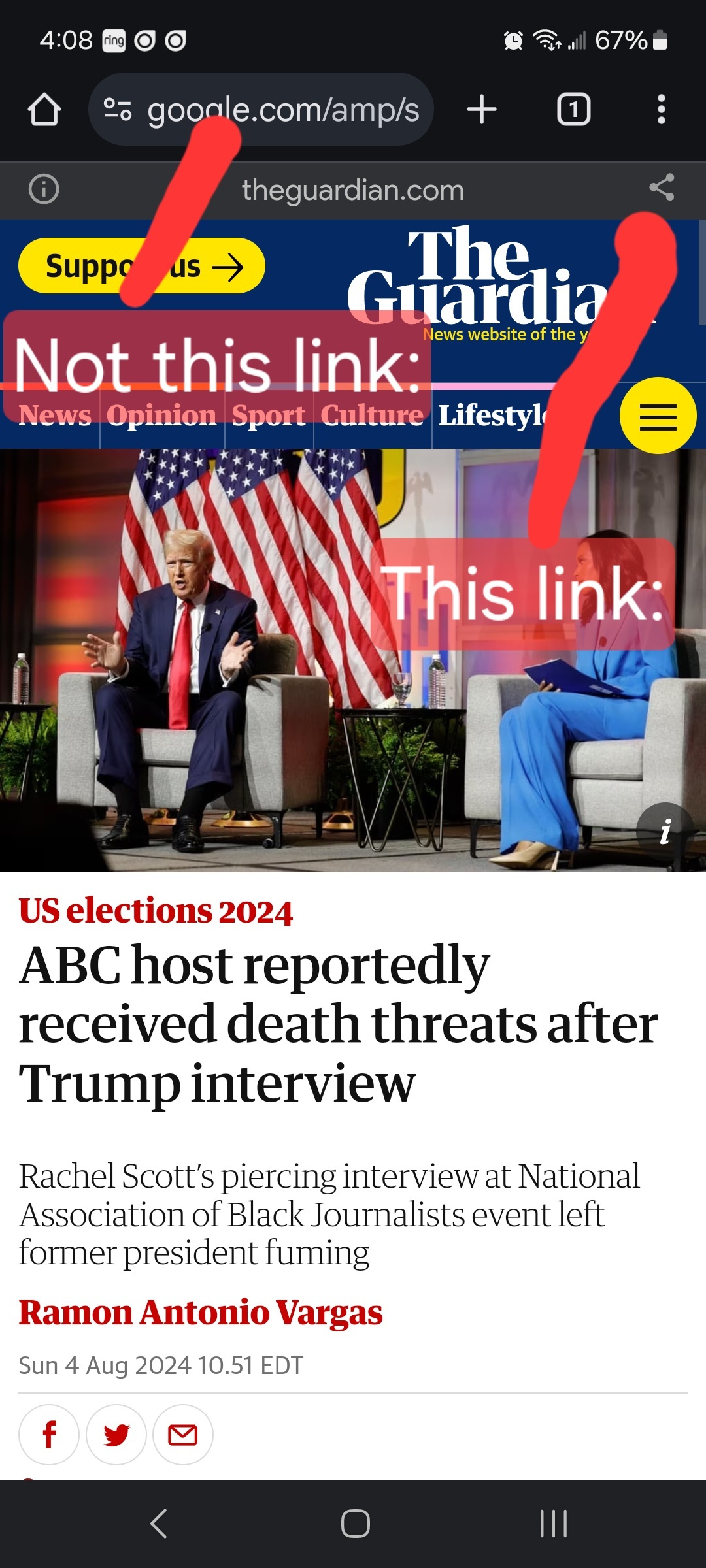
Links must be to the original source, not an aggregator like Google Amp, MSN, or Yahoo.
Example:
- Articles must be relevant to US politics and contain quality and original content. Social Media adjacent hosts like Substack are allowed, but ONLY if they tie back to a company/subsidiary. No personal or friend group blogs and no self-promotion. Articles should be worth reading. Clickbait, stub articles, and re-hosted or stolen content are not allowed. Check your source for Reliability and Bias here.
- Be civil, No violations of TOS. It’s OK to say the subject of an article is behaving like a (pejorative, pejorative). It’s NOT OK to say another USER is (pejorative). Strong language is fine, just not directed at other members. Engage in good-faith and with respect! This includes accusing other users of being bots or paid actors.
- No memes, trolling, misinformation, or low-effort posts/comments (including reposts). If you see posts like this that anger you, do not engage. Report, block, and live a happier life than they do. Any slap-fight is subject to comment removals. Fights full of rule violations will result in temporary bans to cool off.
- No manipulating votes via bots or alt accounts; this will result in permanent bans. Vote based on comment quality, not agreement. This community aims to foster discussion; please reward people for putting effort into articulating their viewpoint, even if you disagree with it.
- No hate speech, slurs, celebrating death, advocating violence, or abusive language. This will result in an account ban. Usernames containing racist, or inappropriate slurs will be permanently banned.
We ask that the users report any comment or post that violate the rules and use critical thinking when reading, posting, and commenting. Users that repeatedly have comments or posts removed, weaponize reports, or violate the code of conduct, will be banned.
All posts and comments will be reviewed on a case-by-case basis. This means that some content that violates the rules may be allowed, while other content that does not violate the rules may be removed. The moderators retain the right to remove any content and ban users. The reason(s) behind moderator action(s) are publicly available through the Modlog.
That's all the rules!
Civic Links
• Congressional Awards Program
• Library of Congress Legislative Resources
• U.S. House of Representatives
Partnered Communities:
• News
view the rest of the comments
Ooooh, okay, I get it, you're saying the liberal media somehow enabled fascism while not being fascists themselves?
Take a look at the Behind the Bastards link I shared in another comment in this chain. You too can learn all about it.
Nah you don't have enough credit in my book for me to click your links.
I mean it's a youtube podcast, but you do you I guess. Enjoy your bubble
Linking people to videos between 20 minutes and several hours and then complaining that they didn't understand whatever point they have no idea you were trying to make is pure idiocy.
Why don't you just hand us a reading list and then ask us to decode some vague statement for you, while you're at it? It works so well for those fuckin tankies.
Here's Google's summary of the podcast for anyone too lazy to listen. But you're going to have to read more than 2 sentences so prepare yourself:
The Behind the Bastards two-part series, "How The Liberal Media Helped Fascism Win," explores how establishment press organizations in the 1920s and 1930s normalized figures like Benito Mussolini and Adolf Hitler. It argues that liberal institutions paved the way for fascists by treating them as legitimate political actors, focusing on order over morality, and failing to sound the alarm until it was too late.
Key Themes of the Series
Legitimizing Autocrats: Mainstream newspapers treated early fascist leaders with immense deference, heavily influenced by a fear of working-class uprisings and communism. By focusing on their "ability to restore order," these outlets normalized fascist violence and political subversion.
Profit and Sensationalism: The U.S. and European press often viewed fascist movements through the lens of sensationalism and entertainment. Publications profited from the dramatic rhetoric and spectacle, prioritizing high readership and ad revenue over journalistic responsibility.
Both-Sides Rhetoric: The episodes emphasize how "respectable" media outlets consistently attempted to compromise or reason with fascists, mistakenly believing they could be integrated into the existing political framework without destroying liberal democratic norms.
The "Who Goes Nazi?" Analogy: The series draws heavily from historical sociological frameworks, particularly the classic 1941 essay Who Goes Nazi? by Dorothy Thompson, to highlight how the polite, affluent segments of society often capitulate to or accommodate fascism rather than confront it.
Google as in AI? Fucking slopper, too, makes perfect sense.
lol ok have fun in your sad angry head