this post was submitted on 17 Mar 2026
76 points (90.4% liked)
Comic Strips
22735 readers
2479 users here now
Comic Strips is a community for those who love comic stories.
The rules are simple:
- The post can be a single image, an image gallery, or a link to a specific comic hosted on another site (the author's website, for instance).
- The comic must be a complete story.
- If it is an external link, it must be to a specific story, not to the root of the site.
- You may post comics from others or your own.
- If you are posting a comic of your own, a maximum of one per week is allowed (I know, your comics are great, but this rule helps avoid spam).
- The comic can be in any language, but if it's not in English, OP must include an English translation in the post's 'body' field (note: you don't need to select a specific language when posting a comic).
- Politeness.
- AI-generated comics aren't allowed.
- Limit of two posts per person per day.
- Bots aren't allowed.
- Banned users will have their posts removed.
- Adult content is not allowed. This community aims to be fun for people of all ages.
Web of links
founded 2 years ago
MODERATORS
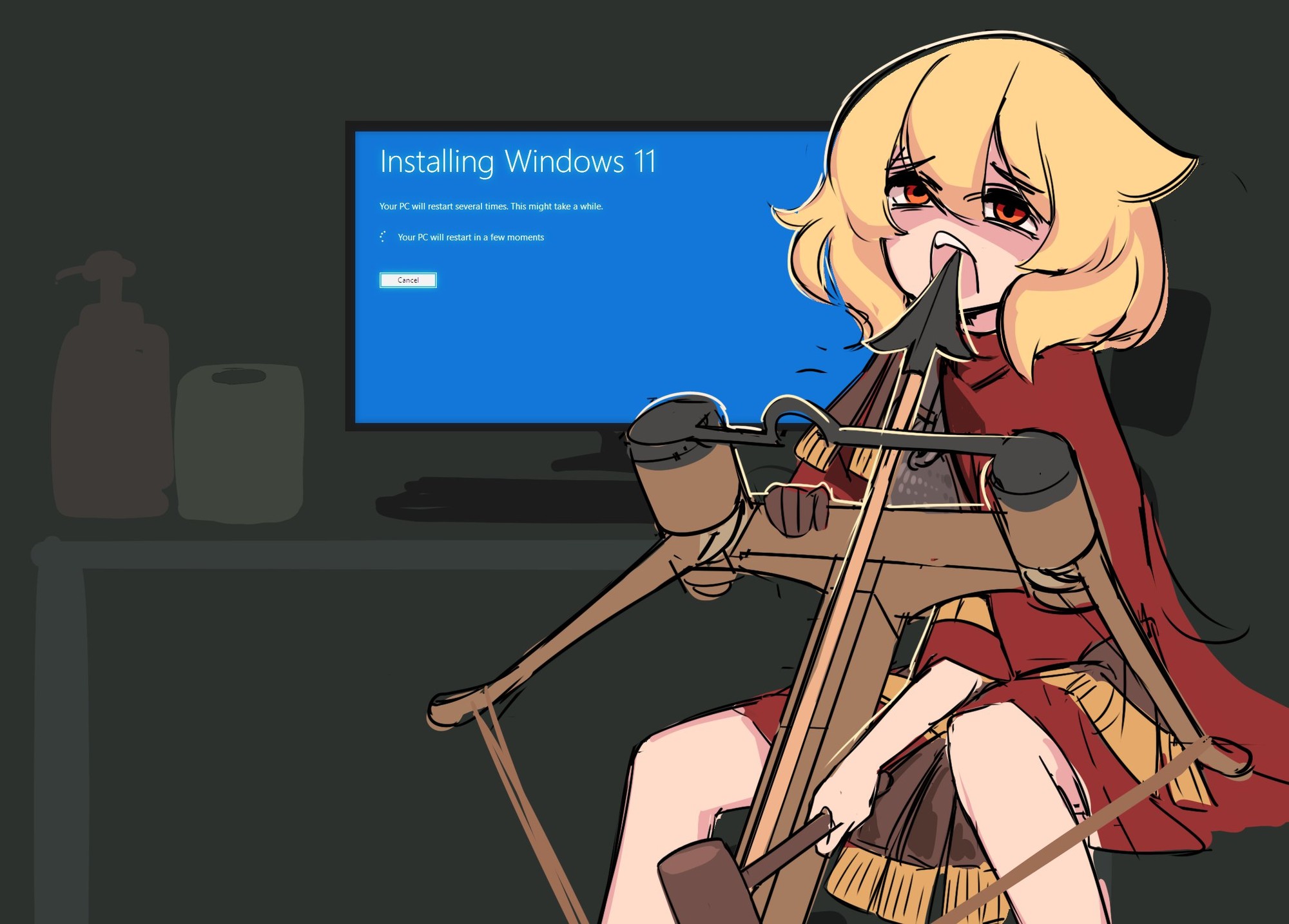
Most Windows users have no idea what any of that is. Including me, to be honest.
That's fine, but I would personally reccomend that anyone considering moving to Linux also consider reading up on some basic Windows system administration stuff as well.
Group Policy is a way to consistently configure settings on Windows for the OS and a decent number of programs. It often has a ton of options for things that aren't in the normal user facing settings menu or control panel. It was made so that sysadmins could set the settings how they wanted and then just push the same settings to every machine at their workplace. Where it becomes useful for the personal user is that if you're using any Windows install above Pro, you can adjust Group Policy for your own machine. Most of the "secret registry settings" you'll find online that actually work are just what Group Policy sets without a straightforward menu.
Target feature update version is needlessly confusing, but it can be broken down like this: Target "feature update" version. The feature update is the specific version of Windows that will be targeted when it looks for updates.
Linux is ultimately the better option, but it can still sometimes involve a level of tinkering effort that could just as easily be done to get your Windows working better for you.