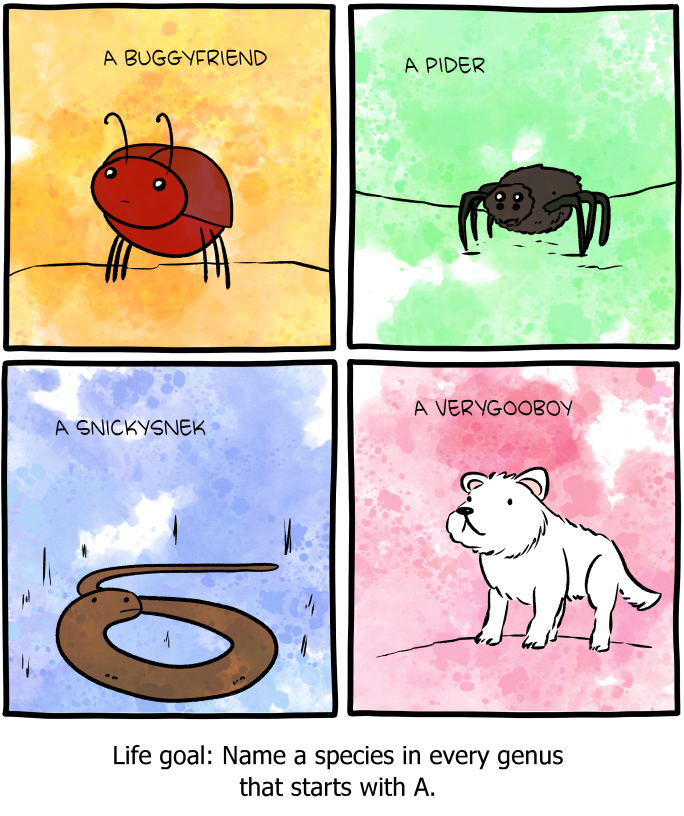
http://www.smbc-comics.com/comic/a-2
Alt text
Bonus points if you can figure out what the canine is.
Bonus panel

Posts and discussion about the webcomic Saturday Morning Breakfast Cereal by Hugo Award-winning author Zach Weinersmith (and related works)
https://www.patreon.com/ZachWeinersmith
@ZachWeinersmith@mastodon.social
New comics posted whenever they get posted on the site, and old comics posted every day until we catch up in a decade or so
Rules:
http://www.smbc-comics.com/comic/a-2
Alt text
Bonus points if you can figure out what the canine is.
Bonus panel
Arses is a genus of monarch flycatchers in the family Monarchidae.
I am very surprised that this is from this year, and not 2016.
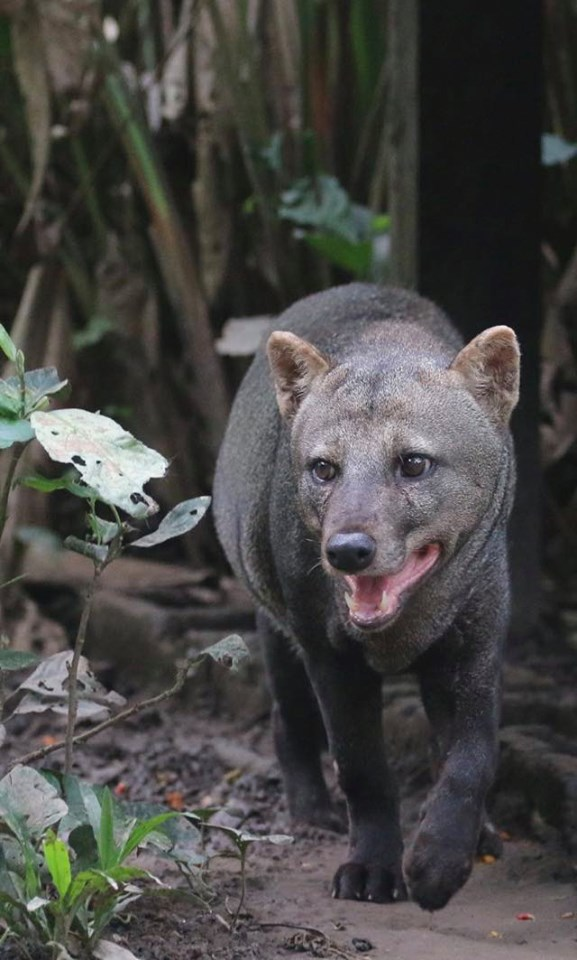
Last one might be this guy:
https://en.wikipedia.org/wiki/Short-eared_dog
The short-eared dog (Atelocynus microtis), also known as the small-eared dog, short-eared fox or small eared zorro, is an elusive canid species endemic to the Amazonian basin. This is the only species assigned to the genus Atelocynus.
Doesn't really look like the drawing though:
Could also be Alopex lagopus, now known as Vulpes lagopus, i.e. Arctic Fox
https://en.wikipedia.org/wiki/Arctic_fox
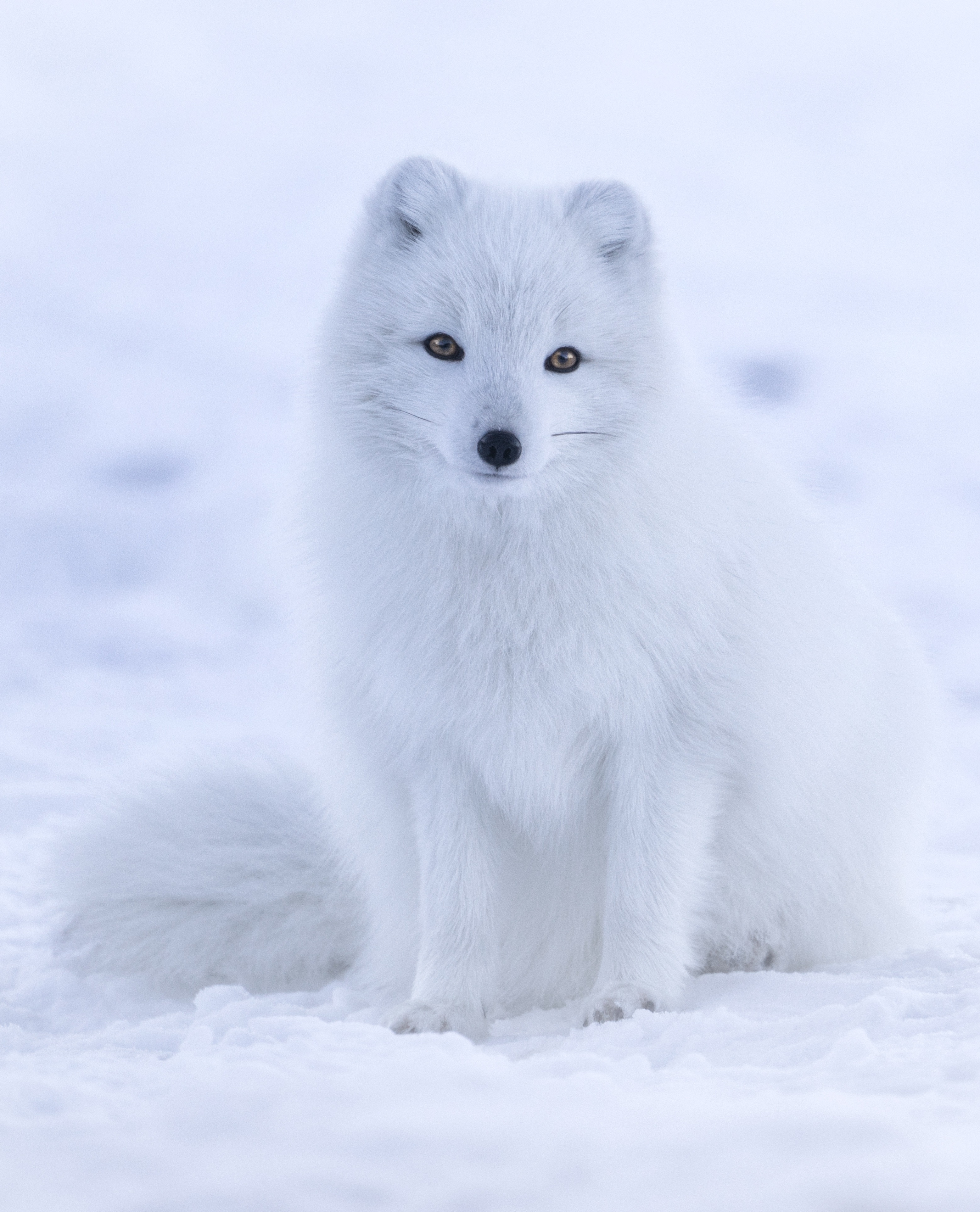
Much closer to the drawing, though it seems weird to draw the comic based on the old name
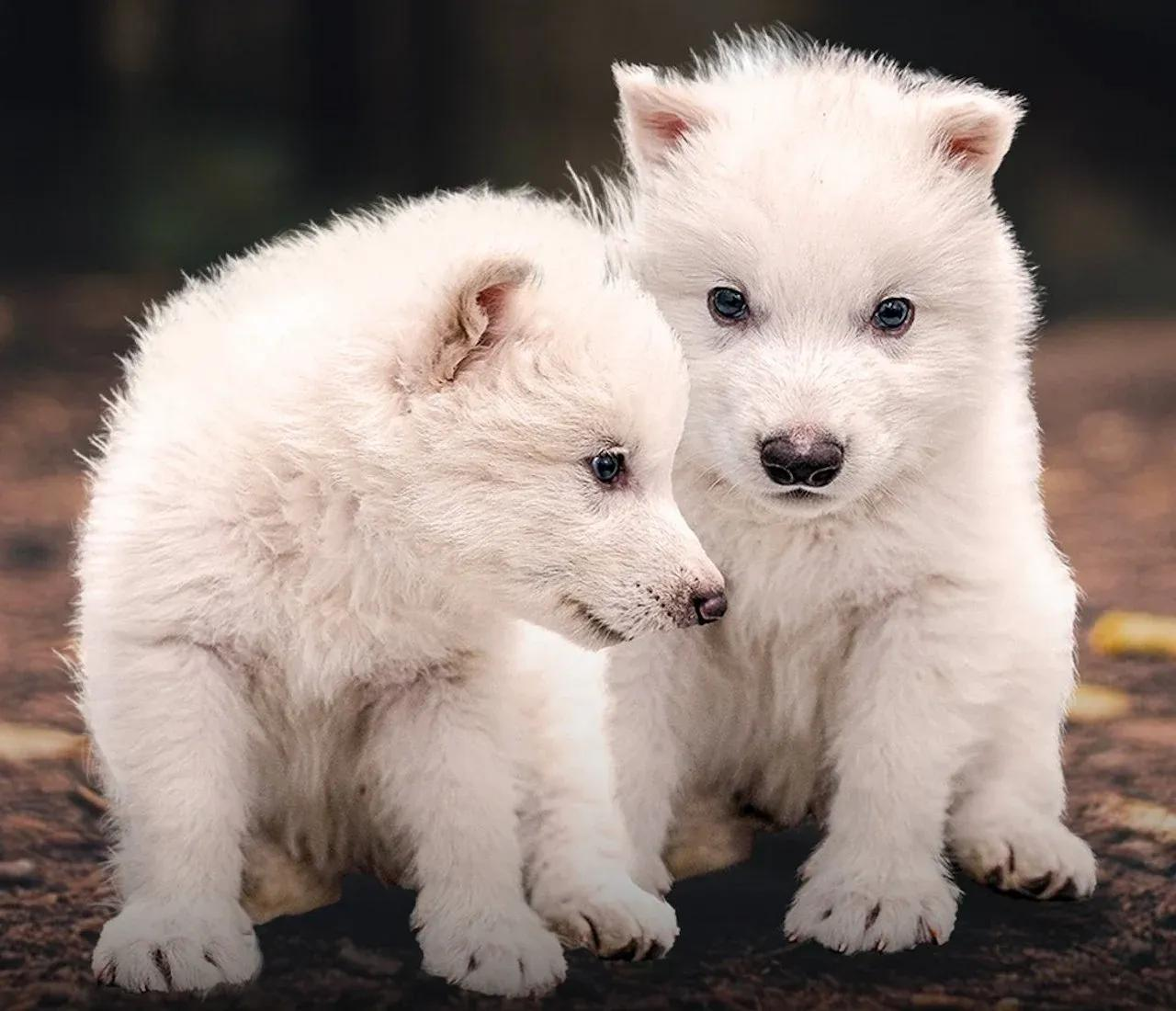
Oh, might be Aenocyon dirus, a.k.a. the Dire Wolf
The dire wolf (Aenocyon dirus /aɪˈnɒkaɪ.ɒn ˈdaɪrəs/) is an extinct species of canine which was native to the Americas during the Late Pleistocene and Early Holocene epochs (125,000–10,000 years ago). The species was named in 1858, four years after the first specimen had been found. Two subspecies are proposed, Aenocyon dirus guildayi and Aenocyon dirus dirus, but this assignment has been recently considered questionable. The largest collection of its fossils has been obtained from the Rancho La Brea Tar Pits in Los Angeles.
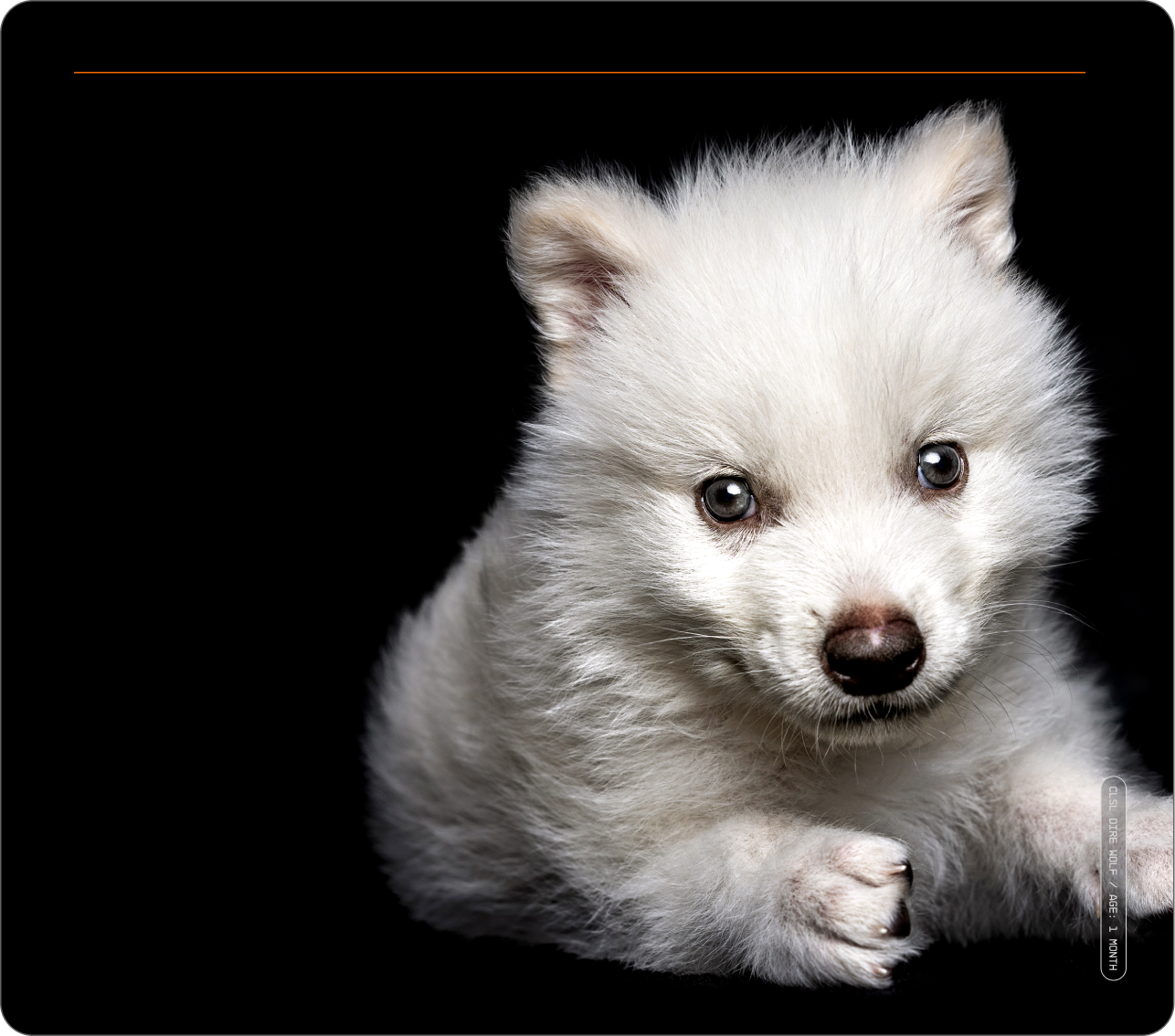
https://colossal.com/direwolf/
EDIT: Yeah, gotta be this, someone "resurrected" them a few years ago, which would work with the naming part of the joke:
https://anatomypubs.onlinelibrary.wiley.com/doi/abs/10.1002/ar.70049
Canids originally evolved in North America, presenting a compelling story of shifting climates, paleogeographies, and both successes and failures in adapting to these changes. Species evolve—new ones arrive on the scene and established ones become extinct. The dire wolf (Aenocyon dirus) is one of the most legendary of the extinct canids and is the most basal member of the crown group of large dogs (Canina) that includes the extant gray wolf (Canis lupus). Recently, Colossal Laboratory & Biosciences announced that they had resurrected the dire wolf, a process that they termed “de-extinction” by editing gray wolf nuclear genomes to include key differences found in select genes identified in dire wolf fossils, or in different genes that would replicate what they believe to be the effect of those genes. This process resulted in three pups possessing a small amount of dire wolf-like DNA born to a surrogate domestic dog. We discuss here the realities of the method, its results, and the ethical aspects of “de-extinction” for not only the dire wolf but many extinct and endangered species.
Very cute little guys: