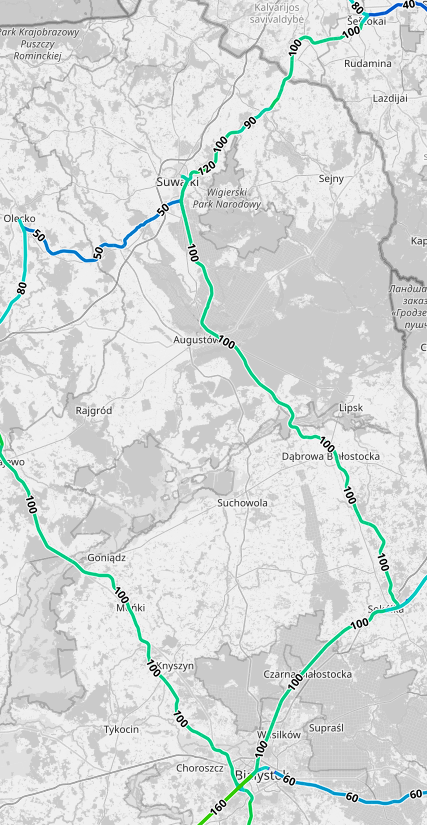
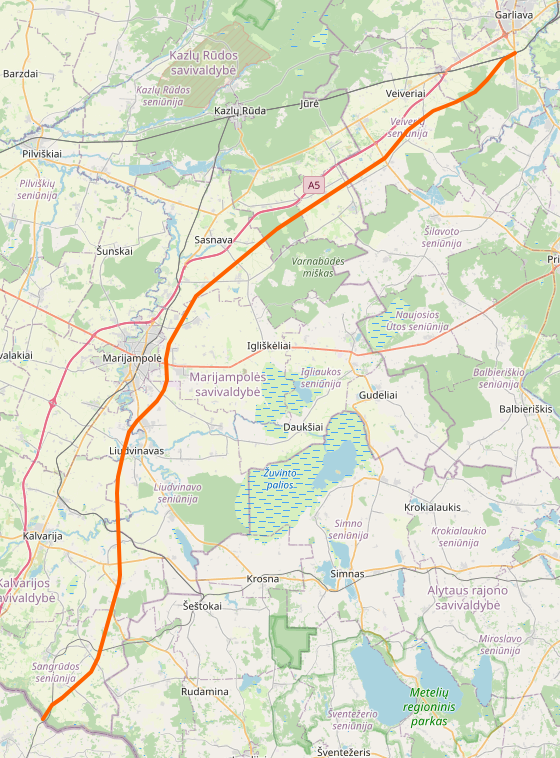
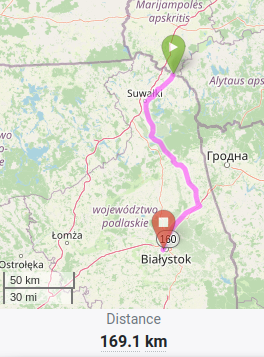
[Malepszak] said the final and "toughest section" of the Polish works to build a new line from scratch from the eastern town of Ełk to the Lithuanian border would start in 2030 at the earliest, covering 80km at an estimated cost of €4bn.
Malepszak, a rail engineer by training, said Rail Baltica could not be done on schedule "because of lack of money, the EU [technical] requirements and the [rising] building costs".
He argued that Brussels should lower expectations and reconsider Trans-European Transport Network technical standards, including the requirement that trains operate at a minimum speed of 160km/h on new high-speed routes, which compels countries to build expensive new lines rather than upgrade existing tracks.