this post was submitted on 30 Sep 2026
385 points (97.8% liked)
Memes
17197 readers
611 users here now
Post memes here.
A meme is an idea, behavior, or style that spreads by means of imitation from person to person within a culture and often carries symbolic meaning representing a particular phenomenon or theme.
An Internet meme or meme, is a cultural item that is spread via the Internet, often through social media platforms. The name is by the concept of memes proposed by Richard Dawkins in 1972. Internet memes can take various forms, such as images, videos, GIFs, and various other viral sensations.
- Wait at least 2 months before reposting
- No explicitly political content (about political figures, political events, elections and so on), !politicalmemes@lemmy.ca can be better place for that
- Use NSFW marking accordingly
Laittakaa meemejä tänne.
- Odota ainakin 2 kuukautta ennen meemin postaamista uudelleen
- Ei selkeän poliittista sisältöä (poliitikoista, poliittisista tapahtumista, vaaleista jne) parempi paikka esim. !politicalmemes@lemmy.ca
- Merkitse K18-sisältö tarpeen mukaan
founded 4 years ago
MODERATORS
you are viewing a single comment's thread
view the rest of the comments
view the rest of the comments
I don't know what to do with this information
Be thankful that you don’t have to shovel shit lmao.
Although this is cheaper than having to call a plumber.
Only if the blockage is conveniently at the hole
It always is
In our area it's the oak tree roots that are usually the culprit. It would be nice to be able to shovel those out.
This is because your pipes are cracked. Sewer lines are always moist and full of… Fertilizer. So roots will find any excuse to grow into them. Unfortunately the only foolproof fix is to replace the pipes.
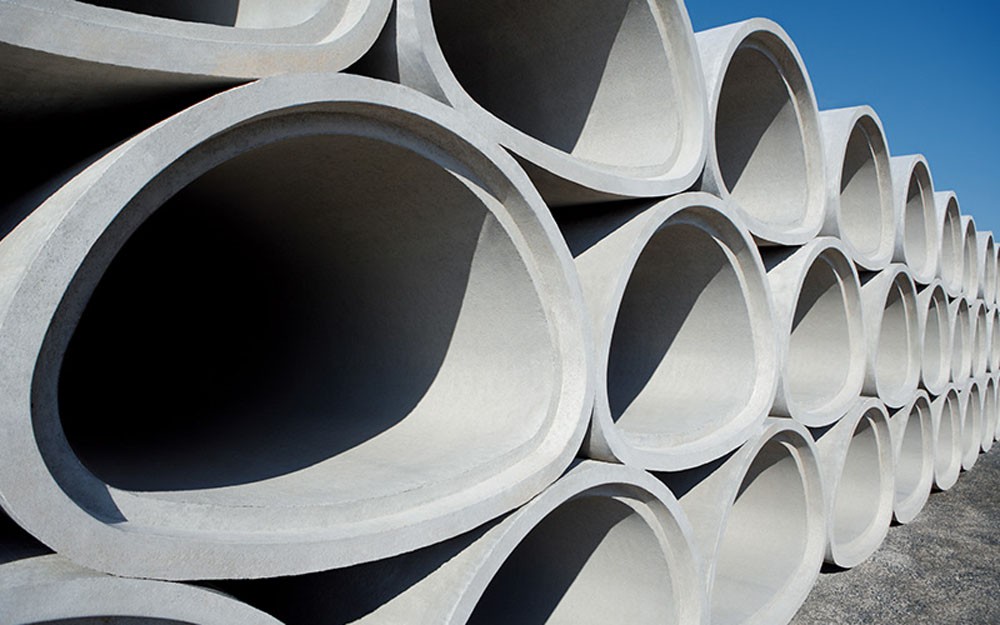
Technically, if you’re trying to maximize the amount of solid waste that can be carried, the best drainage pipes would actually be oval or arch shaped. A flatter bottom means the pipe can reliably carry more solids with less liquid. Because moving water doesn’t need to be deep to push something along. Round pipes collect a majority of the water in the bottom of the circumference, while the sides stay fairly dry. Meaning larger solids can easily wedge over or stick to the sides, while relatively deep water rushes below it. Flattening the bottom of the pipe allows the rushing water to spread out more, meaning it can more reliably carry solids that would get stuck in a round pipe.
But you don’t want hard corners with something like a rectangular pipe, because the corners would concentrate pressure and be more prone to breaking. And the flat pipe walls would be prone to bending or flexing, (or just outright breaking, if your pipe material is brittle). So an oval (or arch shaped) pipe is a good combination of the two, with a relatively flat bottom and a smooth curve to evenly distribute force. So hard blockages (especially now that environmental regulations have implemented things like maximum gallons-per-flush limits) would be less common with oval pipes.
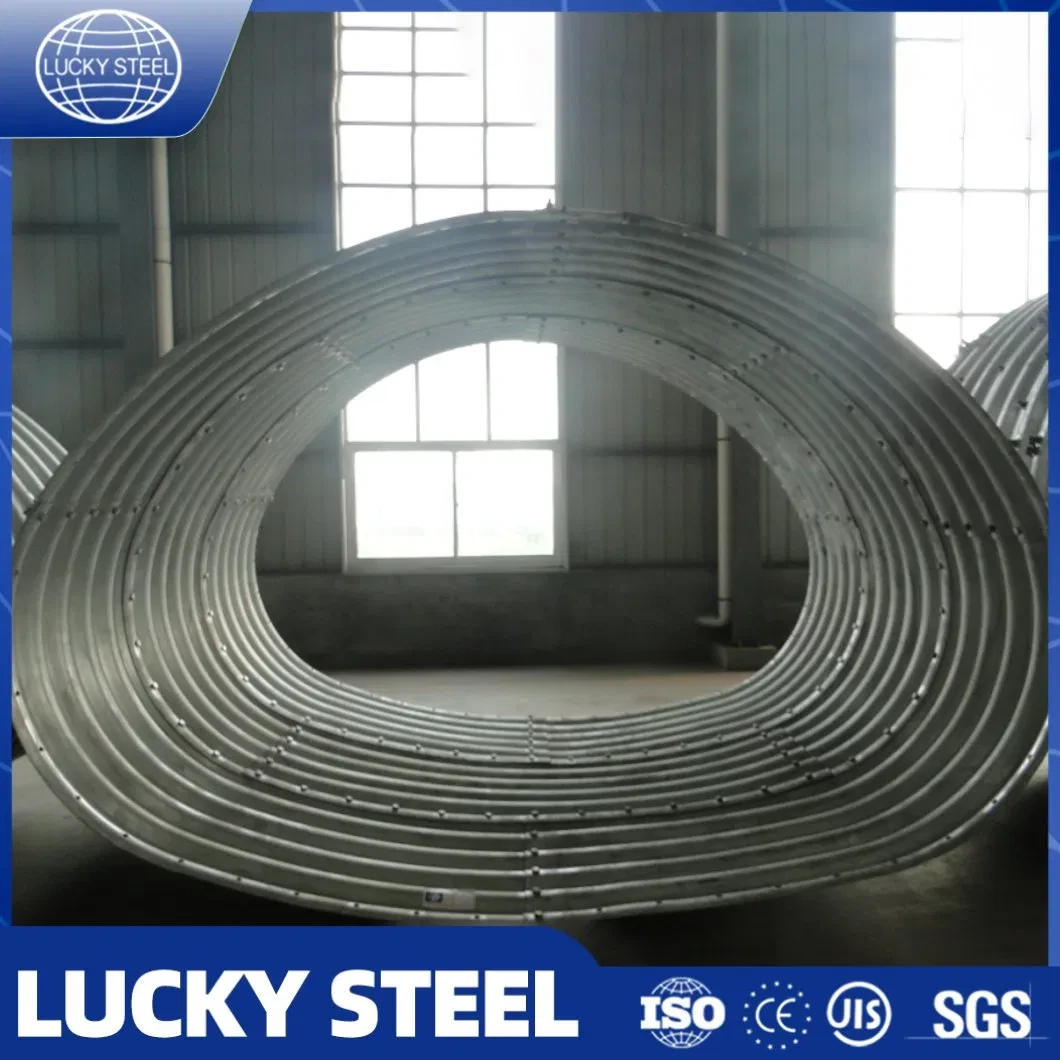
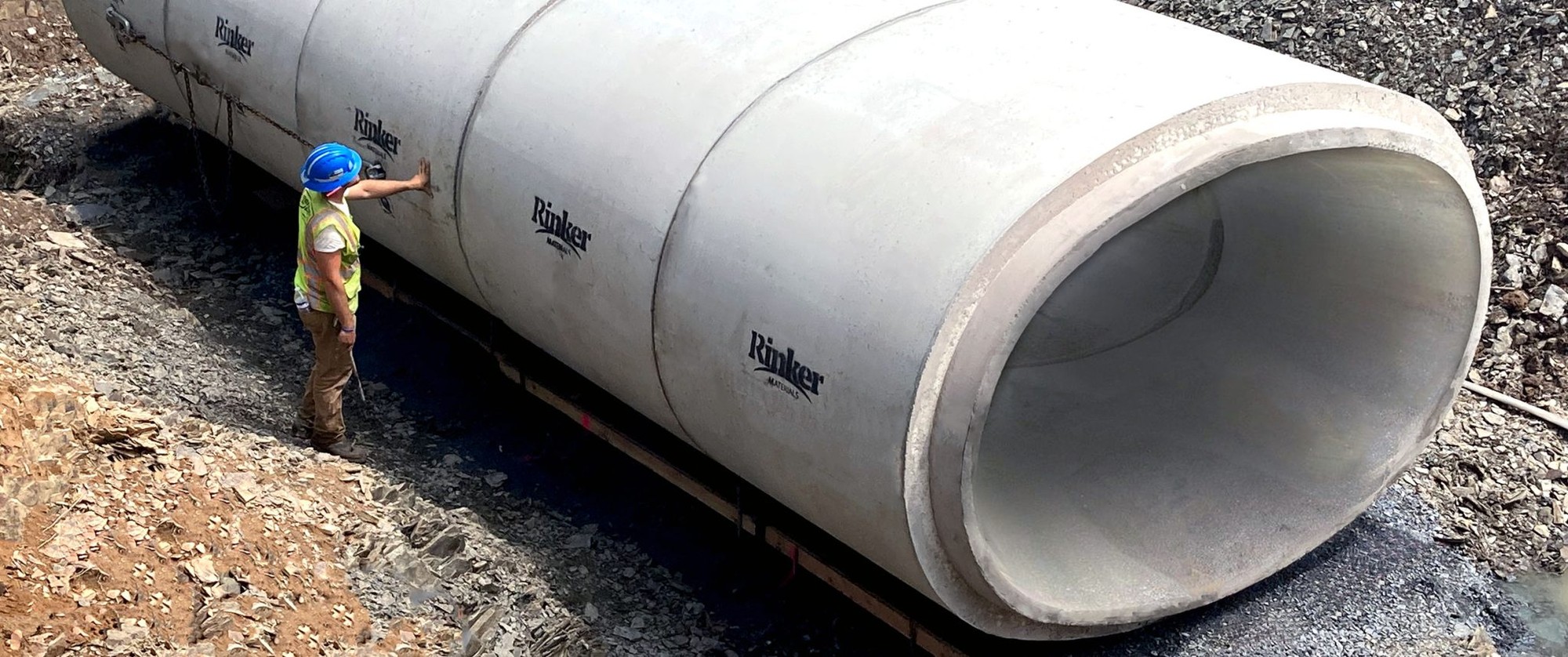
And if you look at things like weather drains under bridges, that is often exactly what they use. In those cases, the engineers are usually worried about maximizing fluid throughput without drastically changing the height of something like a bridge. Because if you need a pipe with a specific capacity for adequate weather drainage, your only real option is to make the pipe big enough to fit that capacity. But if you have something like a bridge, increasing the circumference of a round pipe could make the bridge laughably tall (and prohitively expensive). And you can’t just dig the bottom lower, because water only flows downhill. So if you lowered your drain pipe, you’d need to dig out everything downstream of that bridge too. Which is obviously not feasible for most projects. So instead of increasing the entire circumference, they just make the drain wider while keeping the height the same. And congrats, now you have designed the modern oval storm drain:
And the modern arch-shaped storm drain: