this post was submitted on 11 Feb 2026
139 points (97.3% liked)
pics
27975 readers
661 users here now
Rules:
1.. Please mark original photos with [OC] in the title if you're the photographer
2..Pictures containing a politician from any country or planet are prohibited, this is a community voted on rule.
3.. Image must be a photograph, no AI or digital art.
4.. No NSFW/Cosplay/Spam/Trolling images.
5.. Be civil. No racism or bigotry.
Photo of the Week Rule(s):
1.. On Fridays, the most upvoted original, marked [OC], photo posted between Friday and Thursday will be the next week's banner and featured photo.
2.. The weekly photos will be saved for an end of the year run off.
Instance-wide rules always apply. https://mastodon.world/about

founded 2 years ago
MODERATORS
you are viewing a single comment's thread
view the rest of the comments
view the rest of the comments
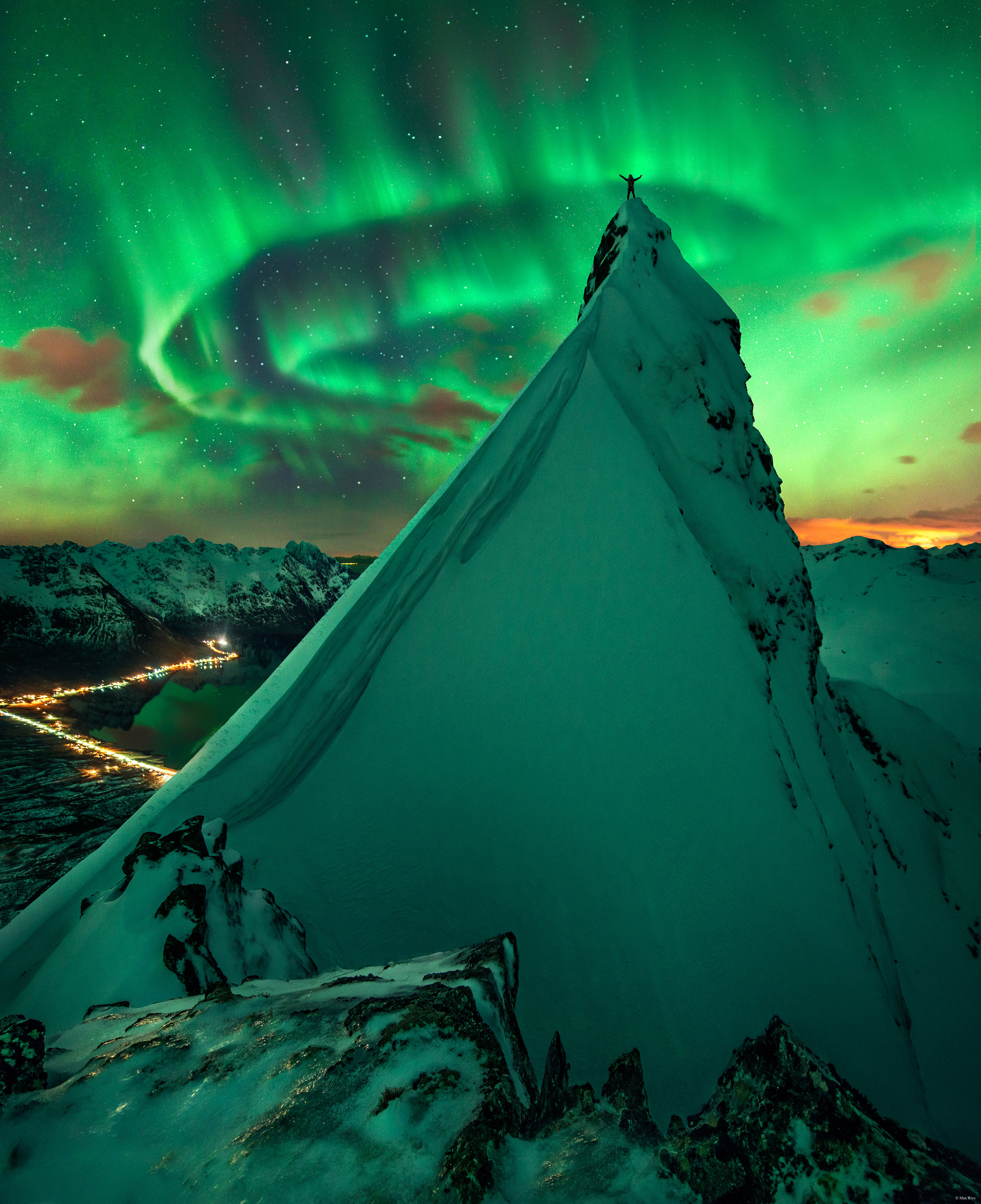
Are long exposures bad as well? Almost every picture of the northern lights looks better in a camera than how they look to the naked eye, because cameras can perform better in low light with the right settings.
I used to be quite puritanical about not editing the pictures I take, but over time I realized that there's no way to capture perfectly realistic photos, because there is no perfect baseline for that. Every sensation of sight is already subjective, because the brain is doing a lot of image processing and each brain and eyes are a bit different. Colours don't exist outside the brain. Dark scenes aren't actually desaturated, our retinas just suck at color vision in low light.
Photography tries to emulate a very subjective impression of a scene. If the photographer makes tweaks to some settings of the RAW in order to make the final image closer to the impression they were trying to capture, then that's quite fine in my opinion. Just the same as changing the settings of the camera beforehand. If they want to include multiple exposures with different settings, then that's fine by me as well, because your eyes change aperture and focus each time they flick to a different part of the scene.