Don't worry, it's just a meme. I'm choosing to die on this stupid hill for the sake of it.
While I'm at it, in Spanish we don't have äö, but we do have ü, and in our case, it is literally just a ü with 2 dots, not a different letter. Same thing for áéíóú.
It's pronounced the same as a regular u. It is the same letter.
They are weird rules, but in Spanish we have these rule:
If a word has a "Q", the next letter must always be a silent u. That is, you write a "U" but don't pronounce it. And after that "U", always comes a vowel.
Similarly, if after a "G" comes a "E" or "I", it is pronounced differently depending on if there is a silent "U" after the "G".
However, sometimes we want a non silent U after a Q or a G. In that case, we write "ü".
So u and ü are literally the same letter in spanish. We call the 2 dots "diéresis", maybe it's similar in German.
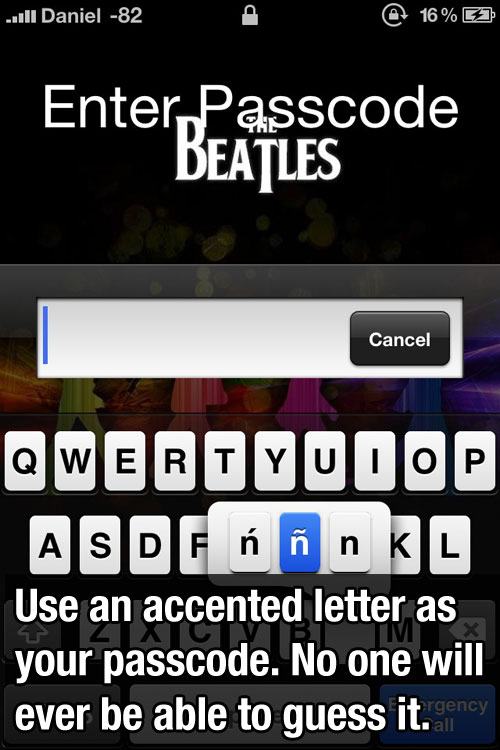
Don't worry, it's just a meme. I'm choosing to die on this stupid hill for the sake of it.
While I'm at it, in Spanish we don't have äö, but we do have ü, and in our case, it is literally just a ü with 2 dots, not a different letter. Same thing for áéíóú.
As in, two dots to mark that it's pronounced as a separate vowel rather than merging with the previous one? Idk what the proper term is
It's pronounced the same as a regular u. It is the same letter.
They are weird rules, but in Spanish we have these rule:
If a word has a "Q", the next letter must always be a silent u. That is, you write a "U" but don't pronounce it. And after that "U", always comes a vowel.
Similarly, if after a "G" comes a "E" or "I", it is pronounced differently depending on if there is a silent "U" after the "G".
However, sometimes we want a non silent U after a Q or a G. In that case, we write "ü".
So u and ü are literally the same letter in spanish. We call the 2 dots "diéresis", maybe it's similar in German.